
GF Guide
Understanding Gluten-Free (2026)

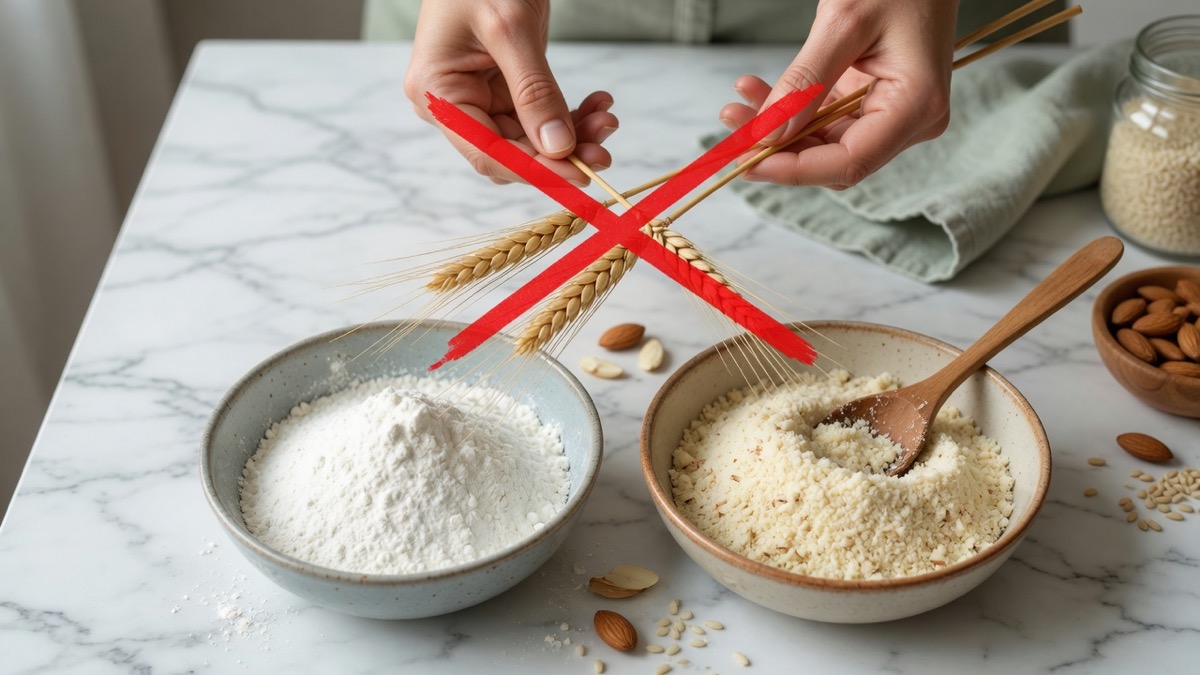
Your Trusted Guide to Understanding Gluten-Free: A Delicious Journey Awaits!
Hey there, my friend! Pull up a chair. Let’s chat about something important, something that might feel a little confusing at first glance, but I promise, it’s actually a super exciting world once you get the hang of it: living gluten-free. For many, hearing “gluten-free” sounds like a list of limitations, a culinary prison sentence even. But I’m here to tell you something completely different. It’s a journey into discovery, into vibrant flavors, and into feeling absolutely fantastic in your own skin.
Think of me as your seasoned travel guide on this delicious adventure. We’re going to demystify what gluten is, why some folks need to avoid it, and how to navigate this lifestyle with confidence and joy. No more stressing in the grocery store aisle. No more feeling left out at dinner parties. We’re trading confusion for clarity, and blandness for bounty!
First Things First: What Exactly Is This “Gluten” Thing?
Okay, let’s start with the star of the show. So, what is gluten? Basically, it’s a family of proteins found in certain grains. Think of it like the sticky, stretchy glue that holds things together in dough. It’s what gives bread its chewiness, pizza crust its elasticity, and makes baking an art form for many.
The main culprits are wheat, barley, and rye. That’s right, those everyday staples that form the base of so many foods we grew up with. When these proteins hit water, they form a web, and that web is what creates texture. Cool, right? From a food science perspective, it’s brilliant. From a health perspective for some, not so much.
For a deeper dive into the science and impact, you really should check out What Exactly Is Gluten and Why Is It Harmful to Some? It breaks down the nitty-gritty without making your head spin.
Why Do Some of Us Need to Break Up with Gluten?
This is where the “why” gets really personal. For many, a gluten-free diet isn’t a trendy choice, but a medical necessity. There are a few key reasons why someone might embark on this path, and understanding them is crucial.
Celiac Disease: The Autoimmune Responder
The most well-known reason is Celiac Disease. This isn’t an allergy; it’s an autoimmune condition. If you have Celiac Disease and you eat gluten, your immune system launches an attack on the lining of your small intestine. Picture those tiny, finger-like projections called villi, which are responsible for absorbing nutrients. Gluten basically flattens them, like trampling a lush garden. No villi, no nutrient absorption. This can lead to a whole host of serious health issues over time.
Getting a diagnosis for Celiac Disease is a specific process, and it’s super important to do it correctly. If you suspect Celiac, don’t stop eating gluten before testing! That can mess up the results. For all the details on getting tested, hop over to Getting Diagnosed: Celiac Disease Testing and What to Expect. Sometimes, a doctor might even suggest a Gluten Challenge to confirm things, but only under medical supervision.
Non-Celiac Gluten Sensitivity (NCGS): The Tricky One
Then there’s Non-Celiac Gluten Sensitivity (often called gluten intolerance). This is a bit trickier because it doesn’t involve the same autoimmune response as Celiac Disease, and it doesn’t show up on the same tests. But the symptoms? They can be just as real and just as disruptive. Folks with NCGS might experience digestive upset (bloating, gas, tummy aches), headaches, fatigue, brain fog, and even skin issues after eating gluten. It’s like your body just plain doesn’t like it.
Understanding the differences between these two conditions is key for knowing your own body. Check out The Difference Between Celiac Disease and Gluten Sensitivity for a clear breakdown. And if you’re experiencing any odd symptoms, don’t ignore them. Many common signs could point to gluten intolerance, so a visit to Common Symptoms of Gluten Intolerance You Shouldn’t Ignore might be really insightful.
Beyond Celiac: Other Health Connections
It might surprise you, but going GF can also bring relief for people with other health conditions. Some autoimmune diseases (and there are many) seem to have a strong link to gluten. People with Hashimoto’s thyroiditis, for example, often find significant improvement in their symptoms by eliminating gluten.
The connection between our gut microbiome and overall health is a rapidly growing area of research. And guess what? Gluten plays a role there too. Want to know more? Explore Beyond Celiac: Other Conditions Improved by a Gluten-Free Diet and the fascinating insights at The Link Between Gluten and Autoimmune Diseases. Plus, the deep dive into The Gut Microbiome and Gluten: How It All Connects will blow your mind.
Starting Your Gluten-Free Journey: Your First Delicious Steps
Okay, so you’ve got a grasp on what gluten is and why someone might avoid it. Now, how do you actually *do* it? This is where the fun truly begins. Shifting to a GF lifestyle doesn’t mean waving goodbye to your favorite foods, it means discovering incredible new versions and building a plate full of naturally gluten-free goodness.
The very best first step? Focus on what you *can* eat, not what you can’t. Your plate is still going to be piled high with deliciousness, I promise! For a complete roadmap, take a look at Starting Your Gluten-Free Journey: A Beginner’s Guide. It’s your foundational blueprint.
Your GF Shopping Cart: Abundance Awaits!
Let’s talk food! Think vibrant fruits and vegetables, lean proteins like chicken, fish, and beans, healthy fats, nuts, seeds. All these are naturally gluten-free powerhouses. There’s a whole world of delicious, naturally GF foods waiting for you. We’re talking fresh produce, unprocessed meats, eggs, dairy, and a fantastic array of gluten-free grains. Get your grocery list ready and head over to Naturally Gluten-Free Foods: Your Essential Shopping List for inspiration.
Becoming a Label Detective: Your New Superpower
This is perhaps the biggest learning curve, but it’s also incredibly empowering. Food labels are your best friend. Seriously. Learning to read them effectively is like developing a superpower in the GF world.
You’re looking for clear “Gluten-Free” labels (and we’ll talk more about those certifications in a moment). But you also need to know the ingredients that contain gluten or might be hidden sources. Wheat, barley, rye, malt, brewer’s yeast… these are all red flags. Sometimes, gluten can sneak into unexpected places, like soy sauce, flavorings, or even certain medications.
This skill becomes second nature quickly, but for a head start, arm yourself with the knowledge from Reading Food Labels: Identifying Hidden Gluten Ingredients. It’s a game-changer. Plus, understanding Understanding Gluten-Free Certification and Labels will help you confidently choose products that meet strict GF standards. And don’t forget, gluten isn’t just in food! Many non-food items can harbor it, so be aware. You can learn more at Understanding Non-Food Sources of Gluten: Medications, Cosmetics, and More.
Your GF Kitchen and Beyond: Staying Safe and Sane
Now that you’re filling your fridge and pantry with GF goodies, it’s time to talk about your kitchen. For those with Celiac Disease or severe sensitivity, preventing cross-contamination is absolutely critical. Imagine a tiny crumb of regular toast falling into your gluten-free oatmeal. That small crumb could be enough to cause a reaction.
This might sound intimidating, but it’s totally manageable with a few smart strategies. Designate separate cutting boards, toasters, and even sponges if necessary. Clean shared surfaces thoroughly. These small habits make a huge difference. You’ll find all the practical advice you need for a safe kitchen at Preventing Cross-Contamination in Your Gluten-Free Kitchen.
Eating out and navigating social gatherings also require a bit of savvy. But here’s the good news: restaurants are getting so much better at accommodating GF diners! You just need to know how to ask the right questions. Being prepared means you can still enjoy meals with friends and family without stress. Get ready to dine out with confidence by reading Eating Out Gluten-Free: Tips for Restaurants and Social Gatherings. And for those bigger adventures, don’t let a GF diet hold you back from exploring the world. Our guide to Traveling Gluten-Free: A Guide to Safe and Enjoyable Trips is packed with tips.
Embracing GF Deliciousness: Food, Glorious Food!
Let’s get to the good stuff: the actual food! The world of gluten-free cooking and baking has exploded in recent years. Seriously, it’s a culinary revolution. You no longer have to settle for dry, crumbly alternatives.
Unlocking Gluten-Free Grains and Flours
Beyond rice and corn, there’s a treasure trove of naturally GF grains that bring incredible flavor and texture to your meals. Quinoa, millet, buckwheat, amaranth, teff—these are ancient grains, packed with nutrition, and utterly delicious. They are perfect for salads, side dishes, or even baking. Learn about their unique characteristics and how to use them with Decoding Gluten-Free Grains: From Quinoa to Millet.
And then there’s baking! This is where GF can sometimes feel like a puzzle. Wheat flour is so versatile, but once you understand the properties of various gluten-free flours, you’ll be whipping up delicious treats in no time. Think almond flour for moist cakes, tapioca starch for chewiness, or oat flour for hearty breads. A comprehensive guide to these baking stars is waiting for you at Gluten-Free Flours: A Comprehensive Guide to Baking Alternatives. Don’t forget your Gluten-Free Baking Essentials: Tools and Ingredients for Success to set yourself up for success!
What about oats? That’s a common question. Oats themselves are naturally gluten-free, but they are often cross-contaminated during processing. This is why certified gluten-free oats are crucial for those who need to avoid gluten. Find out all you need to know about The Role of Oats in a Gluten-Free Diet: Are They Safe?
Alternatives for Your Favorites
Craving pizza? Pasta? A classic sandwich? Good news! The market is overflowing with amazing gluten-free alternatives. GF breads have come so far. Pastas made from rice, corn, or legumes are fantastic. Pizzas with cauliflower or rice flour crusts are widely available. You absolutely do not have to give up your favorite comfort foods. Explore the wonderful world of Gluten-Free Alternatives for Your Favorite Foods: Bread, Pasta, and More.
Staying Healthy and Happy on Your GF Journey
Living gluten-free is more than just avoiding certain foods; it’s about embracing a whole new way of eating that supports your well-being.
Nourishment and Avoiding Pitfalls
While a GF diet can be incredibly healthy, it’s important to be mindful of nutrition. Some processed GF products can be high in sugar and refined starches and lower in fiber and certain vitamins. Focus on whole, unprocessed foods, and you’ll be golden. Your body will thank you. For guidance on ensuring you get all your nutrients, read up on Nutritional Deficiencies on a Gluten-Free Diet: What to Watch For.
Sometimes, despite your best efforts, accidental gluten exposure happens. It’s frustrating, it’s uncomfortable, but it’s not the end of the world. Knowing what to do when it happens can help you recover more quickly and feel prepared. Get prepared by checking out Managing Accidental Gluten Exposure: What to Do After a Slip-Up.
Debunking Myths and Building Community
There are so many myths floating around about gluten-free eating. “It’s just a fad!” “It’s healthier for everyone!” It’s neither. A gluten-free diet is essential for some, and a smart, health-conscious choice for others, but it’s not a magic bullet for everyone. Separating fact from fiction is important for your own understanding and for educating others. We tackle this head-on in Debunking Gluten-Free Myths: Separating Fact from Fiction. And if you’re ever wondered if it’s the right choice for you, Is a Gluten-Free Diet Right for Everyone? Weighing the Pros and Cons offers a balanced perspective.
Being GF also means you might need to explain your diet to friends and family. It helps if they understand why it’s important to you. A little communication goes a long way. This article on How to Explain Your Gluten-Free Diet to Friends and Family offers practical advice for smooth conversations. And for parents, navigating a GF lifestyle for kids brings its own unique set of considerations, especially at school. Find support and tips at Gluten-Free Lifestyle for Kids: Tips for Parents and Schools.
It’s also totally normal to feel a range of emotions when you first get a diagnosis or decide to go GF. It can be overwhelming, frustrating, or even a bit isolating. But remember, you’re not alone! Many resources and communities are ready to support you. We discuss the emotional journey and offer coping strategies in The Psychological Impact of a Gluten-Free Diagnosis and How to Cope.
The Broader Benefits
Beyond symptom relief for those who need to avoid gluten, a well-planned GF diet, rich in whole foods, can bring other benefits. Many people report increased energy, better digestion, clearer skin, and an overall sense of well-being. For athletes, understanding how this diet impacts performance and recovery is also a hot topic. Dive into The Benefits of a Healthy Gluten-Free Diet (Beyond Symptom Relief) and Gluten-Free for Athletes: Optimizing Performance and Recovery for more insights.
Your Gluten-Free Future: Bright and Delicious!
See? Understanding gluten-free isn’t nearly as scary as it sounds. It’s a path toward better health, delicious food, and a deeper connection with what truly nourishes your body. This hub page is just the beginning. Each linked article is a step further on your journey, packed with more specific, actionable advice to make your GF life easier, tastier, and more fulfilling.
This isn’t about deprivation; it’s about discovery. It’s about empowering yourself with knowledge and making choices that make you feel your absolute best. So, embrace the adventure, explore new flavors, and know that you’re part of a growing, supportive community. We’re here to help you thrive!
External References:
- For a general understanding of Celiac Disease: National Institute of Diabetes and Digestive and Kidney Diseases (NIDDK)
- Information on gluten and its role in food science: Wikipedia: Gluten