Decoding Gluten-Free Grains: From Quinoa to Millet (2026)


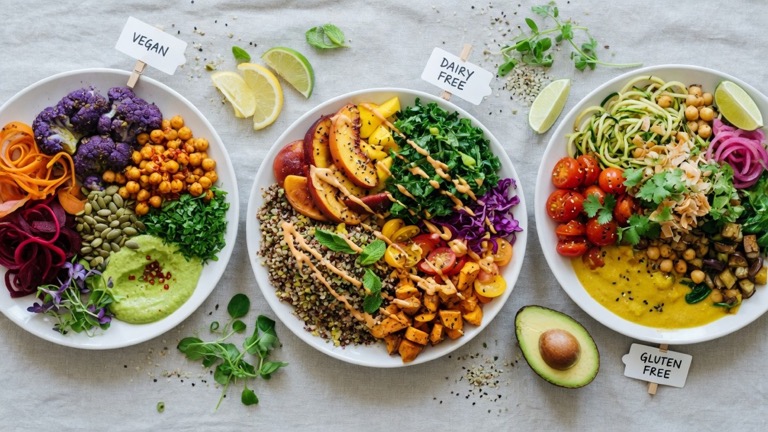
Feeling a little lost in the grocery aisle, scanning labels for “gluten-free” and wondering what on earth to cook beyond rice? Maybe you’ve felt a tiny pang of sadness, thinking your grainy days were over. Well, my friend, let me bust that myth right now. Going GF doesn’t mean banishing delicious, wholesome grains from your plate. It means opening up a whole new world of incredibly diverse, tasty, and nutrient-packed options!
Think of your pantry as a vibrant international market. There’s a dazzling array of gluten-free grains waiting to be discovered, each with its own unique flavor, texture, and culinary personality. We’re going to dive into this incredible bounty together, so you can confidently fill your bowl with goodness. Understanding what makes these grains so special is key to embracing a truly abundant Understanding Gluten-Free lifestyle.
What Exactly Makes a Grain GF?
This is a common question, and it’s simpler than you might think. Essentially, gluten is a protein found in wheat, barley, and rye. For many of us, this protein causes digestive distress, inflammation, or more serious autoimmune reactions. If you’re curious about why exactly it’s harmful to some, we’ve got a detailed breakdown you can read (What Exactly Is Gluten and Why Is It Harmful to Some?). The good news is, plenty of ancient grains and pseudograins naturally skip the gluten protein entirely. They’re just built differently. This means they’re inherently safe and wonderful choices for your GF kitchen!
Now, let’s meet some of the stars of the GF grain show.
Quinoa: The Protein Powerhouse
Ah, quinoa (keen-wah)! This tiny, often-misunderstood seed is a true superstar. It’s technically a pseudograin, meaning it’s botanically a seed but cooked and eaten like a grain. Cooks quickly. Tastes nutty and earthy. And it delivers a seriously impressive nutritional punch.
Quinoa is famous for being a complete protein, meaning it contains all nine essential amino acids your body can’t produce on its own. That’s a big deal, especially for plant-based eaters! It’s also rich in fiber, iron, magnesium, and B vitamins. You can swap it for rice in almost any dish, use it as a base for salads, or even cook it with fruit for a hearty breakfast porridge. Rinse it well before cooking to get rid of its natural bitter coating (saponin).
Millet: The Ancient All-Rounder
Millet might sound exotic, but it’s actually one of the oldest cultivated grains in the world. Seriously ancient. This little yellow bead is a wonderfully versatile player in the GF pantry. It has a mild, slightly sweet flavor and can be cooked to a fluffy, couscous-like texture or more creamy, like polenta.
Millet is packed with magnesium, phosphorus, and fiber. It’s also considered alkaline, which some believe helps balance the body’s pH. Want a light, airy side dish? Cook millet. Looking for a nutritious porridge? Millet can do that too. You can even pop it like popcorn! Its adaptability is truly amazing.
Buckwheat: The Misunderstood Gem
Despite its name, buckwheat has absolutely no relation to wheat. Zero. It’s another pseudograin, a relative of rhubarb, even! Often found as groats (hulled kernels), buckwheat has a distinct, robust, earthy flavor. It’s fantastic in savory dishes.
Buckwheat is a fantastic source of rutin, an antioxidant linked to heart health. It also offers good amounts of fiber and manganese. Try it as a pilaf, toss it into soups, or use buckwheat flour for delicious pancakes and crepes (hello, galettes!). Don’t let the name fool you. This gem is 100% GF.
Sorghum: The Resilient Staple
Sorghum is a global workhorse grain, particularly important in arid regions because it’s so drought-tolerant. In the GF world, it’s gaining serious traction. The whole grain has a chewy texture and a mild, slightly sweet taste, similar to wheat berries. Many GF flours heavily feature sorghum flour, as it adds a lovely structure and neutral flavor to baked goods.
Rich in antioxidants and fiber, sorghum is a great choice for sustained energy. You can cook the whole grain like rice, use it in grain bowls, or even pop it for a fun, nutritious snack. It’s wonderfully adaptable.
Teff: The Tiny Titan
Meet teff, the smallest grain in the world! Hailing from Ethiopia, this tiny powerhouse is a staple there, famous for making injera (a spongy flatbread). Teff comes in both ivory and brown varieties, with ivory being milder and brown having a more intense, earthy flavor.
Don’t let its size fool you; teff is a nutritional giant. It’s exceptionally high in iron and calcium, making it a valuable addition to any GF diet. Plus, it’s got plenty of fiber and protein. Use it to thicken stews, make creamy porridge, or experiment with teff flour in your baking for a unique texture and flavor.
Oats: The Comfort Food Hero (with a caveat!)
Oats! Everyone loves oats. Creamy oatmeal, chewy cookies, granola bars. The thing about oats is this: they are naturally gluten-free. Yes, you heard that right! However, oats are very often grown alongside wheat or processed in facilities that also handle wheat, barley, or rye. This means they can be cross-contaminated with gluten.
So, if you’re GF, you absolutely *must* choose oats that are specifically labeled “certified gluten-free.” This ensures they’ve been grown, harvested, and processed in a way that prevents cross-contamination. Always check the label! Certified GF oats are a fantastic source of soluble fiber, known for lowering cholesterol, and they provide a comforting, familiar texture we all love.
Rice (Brown, White, Wild): The Humble Foundation
We can’t talk about GF grains without mentioning rice. It’s the ultimate pantry staple, versatile and comforting. And thankfully, all types of rice (white, brown, wild, basmati, jasmine, arborio, etc.) are naturally gluten-free.
* Brown Rice: This whole grain superstar keeps its bran and germ, giving it a nutty flavor and chewy texture. It’s rich in fiber, magnesium, and B vitamins.
* White Rice: While refined, white rice is still a great source of quick energy and easily digestible. It’s often enriched with vitamins and minerals.
* Wild Rice: Actually a grass seed, wild rice has a distinctive earthy flavor and a delightfully chewy texture. It’s a fantastic source of protein and fiber, making it a super hearty option for salads and side dishes.
Each type offers something a little different, allowing for endless culinary creativity.
Beyond the Bowl: Flour Power!
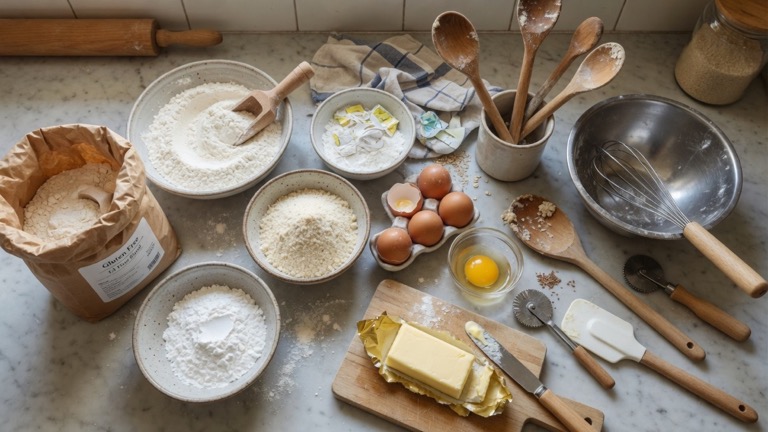
Many of these grains aren’t just for eating whole. They’re also milled into flours, forming the backbone of GF baking! Quinoa flour, millet flour, sorghum flour, and buckwheat flour (often called “buckwheat groat flour”) are all excellent choices. They bring unique flavors and textures to bread, muffins, pancakes, and cookies. Experimenting with different GF flours is half the fun of GF baking!
Tips for Cooking Your GF Grains Like a Pro
Cooking these grains perfectly isn’t complicated, but a few tricks help:
- Rinse, Rinse, Rinse: For quinoa, always give it a good rinse under cold water. This removes bitter saponins. Other grains like millet and buckwheat can benefit from a quick rinse too.
- Perfect Ratios: Most grains do best with specific water-to-grain ratios. Check the package directions! For example, quinoa is usually 1 part grain to 2 parts water. Millet can vary from 1:2 to 1:3 for a creamier texture.
- Season Well: Don’t forget to add a pinch of salt to your cooking water. It makes all the difference in flavor. You can also cook grains in vegetable or chicken broth for extra depth.
- Don’t Peek: Once your grains are simmering, resist the urge to lift the lid constantly. Let them steam peacefully until the water is absorbed.
- Fluff It Up: After cooking, let the grains sit covered for 5-10 minutes, then fluff with a fork. This separates the grains and gives them a lovely texture.
Here’s a quick reference table for some of our GF grain heroes:
| Grain/Pseudograin | Key Benefits | Best Uses |
|---|---|---|
| Quinoa | Complete protein, high fiber, iron, magnesium | Salads, side dishes, breakfast bowls, baking flour |
| Millet | Magnesium, phosphorus, alkaline, high fiber | Porridge, side dishes, pilafs, baking flour |
| Buckwheat | Rutin (antioxidant), fiber, manganese | Savory groats, crepes, pancakes, soba noodles |
| Sorghum | Antioxidants, fiber, neutral flavor | Whole grain side, popped sorghum, baking flour |
| Teff | High iron, calcium, fiber, protein | Porridge, stews, injera, baking flour |
| Oats (Certified GF) | Soluble fiber (beta-glucans), comfort food | Oatmeal, granola, baking, overnight oats |
| Rice (Brown/Wild) | Fiber, magnesium, B vitamins (brown), protein (wild) | Side dishes, grain bowls, stir-fries, risotto |
The world of gluten-free grains is anything but restrictive. It’s a culinary adventure! Each grain brings its own unique magic to your plate, from nutty to earthy, fluffy to chewy. You’re not just avoiding gluten, you’re embracing a fantastic array of nourishing, flavorful ingredients. So go ahead, experiment! Try a new grain this week. Your taste buds (and your gut!) will thank you for it. For more delicious ways to enjoy these grains, check out Bon Appétit’s guide to cooking various GF grains. Or for a scientific deep dive into the nutritional aspects of pseudocereals, read this study from the National Library of Medicine.
Happy cooking, my GF friends!