What is Non-Celiac Gluten Sensitivity? Symptoms & Management (2026)

Ever bitten into something delicious, only to feel your stomach do a little flip-flop later? Maybe your head got fuzzy, or a wave of fatigue just washed right over you. You’ve thought, “Is it gluten? Again?” But here’s the twist: you’ve been tested for Celiac Disease, and the results came back negative. So, what gives? This is where Non-Celiac Gluten Sensitivity, or NCGS, steps onto the stage. It’s a real thing, a common hurdle for many of us, and understanding it is the first step to feeling amazing again.
You’re not alone in this puzzle. In fact, NCGS is increasingly recognized as a distinct condition, separate from Celiac Disease and wheat allergy. Think of it like this: Celiac Disease is a major, full-blown allergic reaction that damages your gut, like a thunderstorm tearing through your garden. Wheat allergy is your body launching an immediate, dramatic defense, like a fire alarm blaring the moment you touch wheat. Non-Celiac Gluten Sensitivity? It’s more like a persistent, annoying drizzle that makes your garden muddy and uncomfortable, day after day, without the violent storm or alarm. It doesn’t cause the same intestinal damage as Celiac, but it definitely makes you feel pretty rotten. And yes, it warrants a different approach to Gluten-Free for Special Dietary Needs.
What Exactly is Non-Celiac Gluten Sensitivity?
So, we’ve established it’s not Celiac, and it’s not a wheat allergy. But what is it? Basically, NCGS is a condition where consuming gluten (a protein found in wheat, barley, and rye) causes a range of uncomfortable symptoms, even though Celiac disease has been ruled out. Your body just doesn’t like gluten. It reacts. Scientists are still working to fully understand the exact mechanisms behind NCGS. They’re looking at everything from immune system responses to gut microbiome imbalances. It’s a complex picture, truly.
For a long time, NCGS was sometimes dismissed. Folks might hear, “It’s all in your head!” But that’s just not true. The symptoms are very real. They impact daily life. Research, including studies by groups like the National Institutes of Health, confirms that NCGS is a legitimate clinical entity. It’s not imaginary, it’s not a fad, it’s your body telling you something specific. And once you listen, you can make powerful changes.
Signs and Symptoms: What to Watch For
The tricky part about NCGS is that its symptoms can be a bit of a chameleon. They often overlap with Celiac Disease, Irritable Bowel Syndrome (IBS), and even other food sensitivities. This is why getting a proper diagnosis (or ruling things out) is so crucial. But here’s a rundown of the common culprits. See if any of these sound familiar:
- Digestive Distress: This is a big one. We’re talking bloating, gas, abdominal pain, diarrhea, or even constipation. Sometimes it feels like a constant knot in your stomach.
- Brain Fog: Feeling like your head is stuffed with cotton? Trouble concentrating? Memory slips? That’s brain fog, and it’s a super common complaint with NCGS. It’s like your brain can’t quite get into focus.
- Fatigue: Beyond just being tired, this is a deep, bone-weary exhaustion that sleep doesn’t seem to fix. You might feel drained even after a full night’s rest.
- Headaches or Migraines: Persistent headaches, sometimes severe, can be a sign.
- Joint and Muscle Pain: Aches and pains that seem to pop up without a clear cause can be linked. Your body just feels generally inflamed.
- Skin Issues: Eczema, rashes, or dry skin can sometimes flare up.
- Mood Swings: Irritability, anxiety, or even feelings of depression might surface. It’s tough when your gut isn’t happy.
These symptoms usually kick in anywhere from a few hours to a few days after you eat gluten. And they stick around for a while. They really can mess with your day. It’s a lot to deal with.
Diagnosing NCGS: The Exclusion Method
Unlike Celiac Disease, which has specific blood tests and biopsies, there isn’t a single, definitive test for NCGS. This can be frustrating, I know. It’s a bit like playing detective. The diagnosis basically comes down to a process of elimination.
First, your doctor will need to rule out Celiac Disease. This typically involves blood tests (like tTG-IgA and EMA) and sometimes an endoscopy with biopsies of your small intestine. It’s really important not to go gluten-free before these tests, or you could get a false negative. The gluten needs to be in your system for the tests to be accurate. You need to be eating gluten regularly for several weeks before the tests. If Celiac is ruled out, your doctor will also likely check for a wheat allergy. That’s another blood test.
Once Celiac and wheat allergy are off the table, the next step is often a “gluten challenge.” This means you go completely gluten-free for a period (usually 4-6 weeks) to see if your symptoms improve. And I mean completely gluten-free. No cheating! If you feel significantly better, then you reintroduce gluten into your diet. If your symptoms return quickly and clearly, then NCGS is the likely culprit. This reintroduction should always be done under medical guidance, by the way. It’s a powerful tool, this structured approach. For a deeper dive into the diagnostic process, you can check out resources from institutions like the National Institute of Diabetes and Digestive and Kidney Diseases (NIDDK).
Living Your Best Gluten-Free Life with NCGS: Management Strategies
So, you’ve got NCGS. Now what? The good news is that managing it is entirely within your control. The primary treatment? A gluten-free diet. A strict one. Think of it as tailoring your food to fit your body perfectly, like a custom-made suit. It’s not about restriction, it’s about freedom from symptoms!
Embrace the Gluten-Free Kitchen
This is where the magic happens. A gluten-free diet means cutting out all foods containing wheat, barley, and rye. This includes obvious things like bread, pasta, and baked goods. But it also means checking sauces, marinades, soy sauce, processed meats, and even some medications. It’s a learning curve, yes, but a delicious one. You’ll discover incredible new ingredients and recipes.
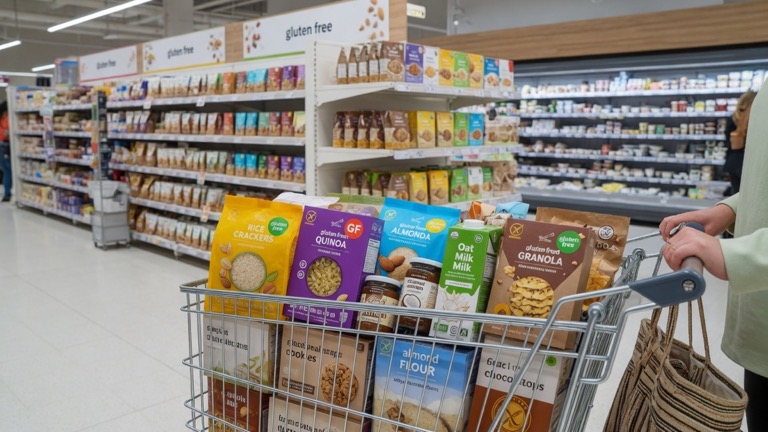
- Read Labels Like a Pro: Get savvy with ingredient lists. Look for “gluten-free” certifications. Ingredients like “malt,” “brewer’s yeast,” and even some modified food starches can hide gluten. Knowledge is power here.
- Beware of Cross-Contamination: Even tiny crumbs can trigger symptoms for some. If you share a kitchen, use separate cutting boards, toasters, and utensils. This is especially true if you are sensitive.
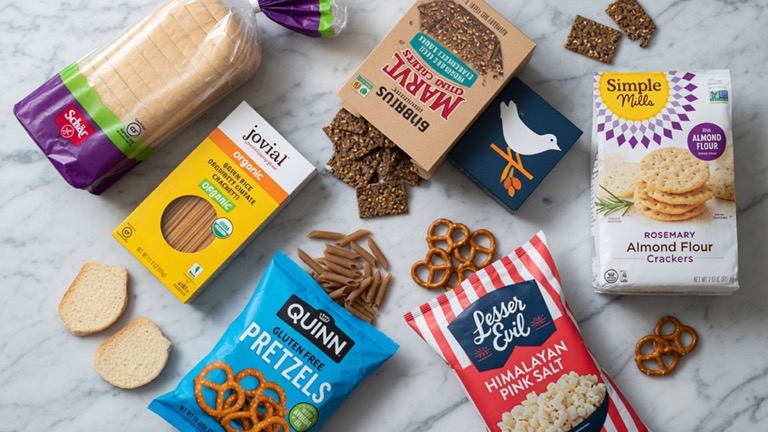
- Focus on Naturally GF Foods: Load up on fresh fruits, vegetables, lean proteins (meat, fish, poultry), legumes, nuts, and naturally gluten-free grains like rice, quinoa, corn, and oats (certified GF oats, of course!). These are the stars of your plate!
Eating Out and Social Life
Dining out can feel daunting at first. But it gets easier. Many restaurants are incredibly accommodating these days. Always communicate your needs clearly to the server. Don’t be shy! Ask questions about ingredients and preparation methods. Some apps and websites specialize in locating GF-friendly restaurants. This proactive approach makes a huge difference. You can read more about safely navigating restaurants in our guide on Dining Out Gluten-Free Safely with Celiac Disease (many of the principles apply directly to NCGS).
Building a Supportive Lifestyle
Living GF goes beyond just food. It’s about overall wellness. Consider working with a registered dietitian specializing in gluten-free diets. They can help you ensure you’re getting all the nutrients you need. They can also offer tailored advice. And remember, you’re building a healthier relationship with food. It’s about nourishing your body, not depriving it.
If you’re managing NCGS, especially with family, it’s a whole different ballgame. For parents navigating this, remember that managing sensitivities for little ones requires extra care and communication. Check out our resource on Raising Gluten-Free Children with Special Dietary Needs for more support. And if you’re expecting, understanding how to maintain a nutrient-rich gluten-free diet is crucial for both you and your baby, which you can explore in our Gluten-Free Pregnancy: Ensuring Nutritional Needs for Mom & Baby article.
Embrace the Abundance!
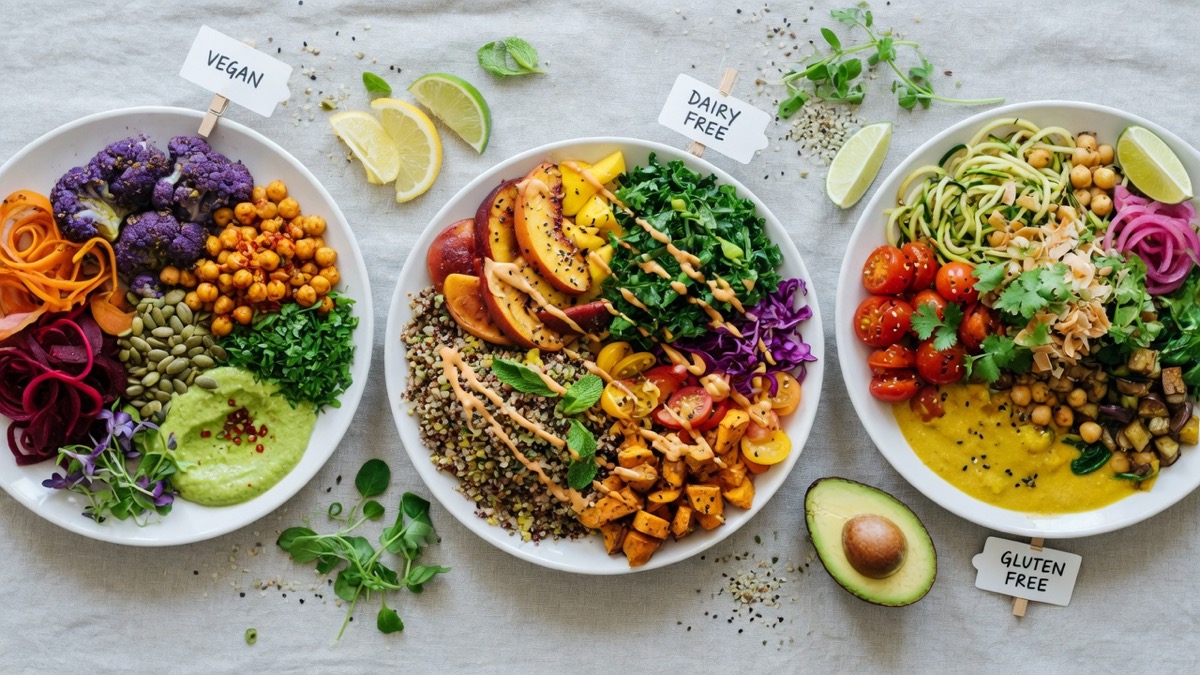
It’s easy to focus on what you can’t have. But shifting that mindset is key. A gluten-free lifestyle is bursting with incredible flavors, textures, and culinary adventures. Think about all the vibrant dishes you can create: fresh salads, hearty stews, juicy grilled proteins, delicious rice bowls, and naturally gluten-free desserts made with almond flour or coconut flour. The world of gluten-free food is exciting. It truly is!
Don’t view NCGS as a limitation. View it as an opportunity. An opportunity to discover new ingredients, experiment with recipes, and become a more mindful, healthy eater. It’s a chance to truly listen to your body, giving it exactly what it needs to thrive. You have the power to transform how you feel, simply by changing what’s on your plate. It’s a fantastic journey. Get started today!
Ready to make every meal a joy and every day feel better? We’re here to guide you, every delicious step of the way. Your confident, joyful gluten-free life starts now.