What Exactly Is Gluten and Why Is It Harmful to Some? (2026)

Ever bitten into a fresh, crusty loaf of bread and wondered what magic makes it so wonderfully chewy? Or maybe you’ve heard the term “gluten-free” buzzing around, perhaps even explored it yourself, and thought, “What is this stuff everyone’s talking about?” You’re in the right place, my friend. We’re going to pull back the curtain on gluten, demystify what it is, and explain why, for some of us, it’s a total party pooper. But don’t you worry, this journey is all about understanding, not fear. It’s about empowering you to make the best food choices for your happy, healthy body. Ready?
For a broader look at this topic, start with our main guide on Understanding Gluten-Free. It’s a great jumping-off point for everything you need to know.
So, What Exactly Is Gluten?
Think of gluten like the invisible culinary architect behind many of our favorite foods. It’s not some single ingredient you can sprinkle in; it’s a family of proteins naturally found in certain grains. We’re talking about wheat, barley, and rye. These three are the big players, the gluten-containing grains you absolutely need to know.
More specifically, gluten is primarily made up of two proteins: glutenin and gliadin. When you mix flour with water and knead it, these proteins get together, link arms, and form a stretchy, elastic network. Imagine a tiny, intricate spiderweb forming inside your dough. That’s gluten at work! It’s what gives bread its amazing elasticity, allowing it to rise and hold its shape. It’s what makes pasta delightfully chewy and pastries wonderfully flaky. Without gluten, that perfect chewiness just isn’t the same. This protein network is the reason your pizza crust is both crisp and pliable. It’s truly a marvel of food science, designed by nature.
The Main Gluten Culprits
- Wheat: This is the king of gluten. Common forms include durum, spelt, farro, einkorn, semolina, and triticale (a wheat-rye hybrid). Wheat is everywhere – breads, pastas, cakes, cookies, even soy sauce and some processed meats.
- Barley: Often found in malt (like in many beers and malted milk), barley can also pop up in soups and stews. Think barley malt syrup, barley flour.
- Rye: Popular in darker breads and some whiskeys. Rye flour is a key ingredient in hearty, dense loaves.
Oats are a bit of a special case. Pure oats are naturally gluten-free. However, they are frequently processed in facilities that also handle wheat, barley, and rye, leading to cross-contamination. That’s why you often see “certified gluten-free oats” – those have been grown and processed separately to ensure purity. It’s a crucial distinction for anyone with gluten sensitivity.
Why Is Gluten Harmful to Some? (The “Party Pooper” Part)
For most people, gluten is harmless. It passes through their digestive system without a fuss, offering a little protein and texture. But for a significant portion of the population, gluten triggers a range of uncomfortable, and sometimes serious, health problems. This isn’t just about feeling a little bloated after a pasta dinner (though that can be part of it!). We’re talking about specific, diagnosed conditions where gluten acts like an unwelcome intruder, causing real damage.
Celiac Disease: The Autoimmune Attack
This is the big one. Celiac disease is an autoimmune condition. It’s not an allergy. It’s when your own immune system, normally your body’s protector, mistakenly attacks healthy tissue when gluten is present. Think of it like a highly sensitive alarm system that goes off when it detects gluten, sending out troops to fight an enemy that isn’t really there. The primary target of this attack? The small intestine.
Inside your small intestine, you have these tiny, finger-like projections called villi. Their job is vital: they absorb nutrients from your food into your bloodstream. When someone with celiac disease eats gluten, their immune system responds by flattening and damaging these villi. This process is called villous atrophy. Imagine trying to catch falling rain in a flat pan versus a pan with lots of little cups. The cups (villi) are much better at catching water (nutrients). When the villi flatten, nutrient absorption takes a major hit. This can lead to a host of problems, from nutrient deficiencies and anemia to fatigue, weight loss, and bone density issues. Over time, untreated celiac disease can increase risks for other serious health complications, even certain cancers. It’s a big deal.
Diagnosing celiac disease requires specific testing, often involving blood tests and an endoscopy. If you suspect you might have it, don’t just go GF on your own before talking to a doctor. You need to be eating gluten for the tests to be accurate. Our guide on Getting Diagnosed: Celiac Disease Testing and What to Expect offers a detailed look at this important process.
Non-Celiac Gluten Sensitivity (NCGS): The Mysterious Troublemaker
This condition is a bit trickier, a real head-scratcher for doctors sometimes. People with non-celiac gluten sensitivity experience symptoms similar to celiac disease (digestive upset, brain fog, fatigue, headaches) when they eat gluten, but they don’t have the intestinal damage or the specific antibodies found in celiac disease. It’s not an autoimmune attack, and it’s not an allergy. The exact mechanism isn’t fully understood yet, but research suggests it involves an inflammatory response or other immune reactions to gluten or related compounds in wheat. It’s like gluten just doesn’t sit right with their body, causing a ruckus without flattening the villi.
Diagnosis for NCGS is usually one of exclusion: celiac disease and wheat allergy are ruled out first, and then symptoms improve significantly on a gluten-free diet. It’s often a process of careful elimination and observation. If you’re experiencing a range of persistent, unexplained symptoms, it might be worth exploring. Our post on Common Symptoms of Gluten Intolerance You Shouldn’t Ignore can give you a clearer picture of what to look out for.
Wheat Allergy: A Different Kind of Reaction
It’s super important to differentiate wheat allergy from celiac disease and NCGS. A wheat allergy is a classic food allergy, meaning your immune system produces antibodies (IgE) to proteins in wheat, triggering an immediate, often rapid, allergic reaction. Symptoms can range from mild (hives, itching) to severe (difficulty breathing, anaphylaxis), similar to reactions to peanuts or shellfish. This is an acute, IgE-mediated response. It’s serious, and it requires strict avoidance of wheat, not necessarily all gluten-containing grains (though wheat is the main one).
The Impact: What Happens When Gluten Harms
When gluten becomes a problem, the effects can ripple through your entire body. For those with celiac disease, the damaged villi mean critical nutrients like iron, calcium, folate, and B vitamins aren’t absorbed properly. This can lead to:
- Chronic fatigue and low energy.
- Anemia, making you feel weak and breathless.
- Bone thinning (osteoporosis) due to poor calcium absorption.
- Neurological issues, like “brain fog” or tingling in limbs.
- Skin rashes (like Dermatitis Herpetiformis, a specific celiac rash).
- Unexplained weight loss or, sometimes, weight gain due to malabsorption.
- Digestive issues, including diarrhea, constipation, bloating, and abdominal pain.
For individuals with non-celiac gluten sensitivity, while the intestinal damage isn’t present, the symptoms can be just as disruptive. They might experience:
- Persistent stomach aches, bloating, and gas.
- Diarrhea or constipation.
- Migraines or chronic headaches.
- Generalized fatigue.
- Brain fog, difficulty concentrating, feeling “hazy.”
- Joint pain.
- Skin issues.
- Mood changes, anxiety, or depression.
It’s clear that for those affected, gluten isn’t just a food component; it’s a genuine health challenge. Understanding this distinction is the first step towards feeling better.
Embracing the Gluten-Free Life: Abundance, Not Limitations!
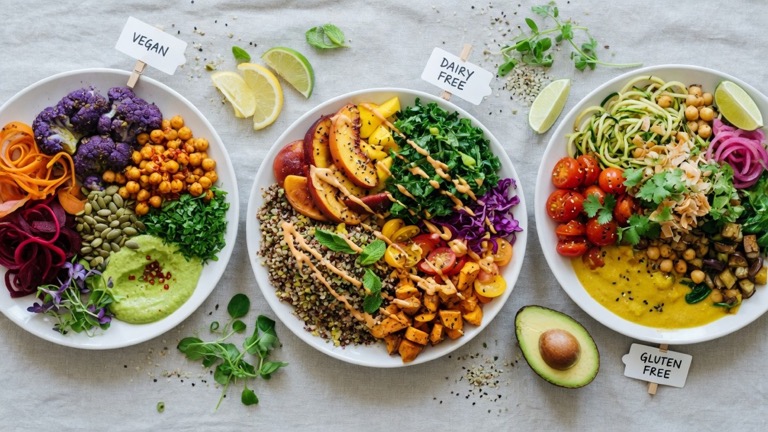
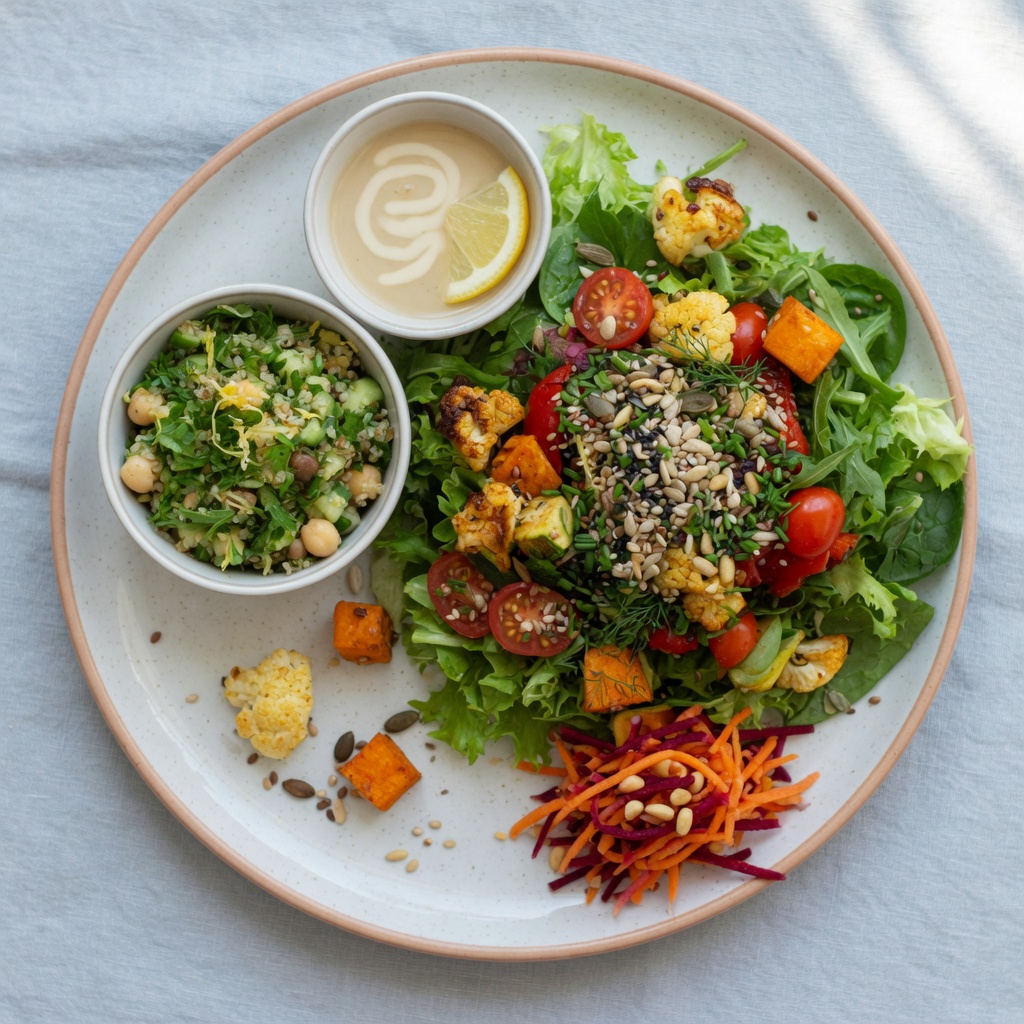
Now, I know all this talk about harm and symptoms might sound a bit daunting. But here’s the beautiful truth: going gluten-free, when necessary, isn’t about deprivation. It’s about discovering a whole new world of delicious, naturally gluten-free foods! Think about it: fresh fruits, vibrant vegetables, lean proteins like chicken, fish, and beans. All these are naturally gluten-free powerhouses. Plus, there are so many incredible naturally GF grains and flours out there: rice, corn, quinoa, buckwheat, millet, tapioca, almond flour, coconut flour. The list goes on!
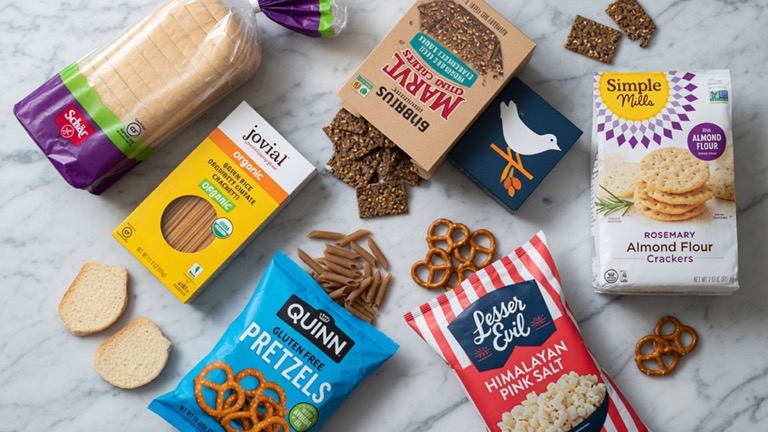
The market for gluten-free products has absolutely exploded. We’re talking about amazing GF breads that actually taste good, pastas that hold their shape, and treats that will make your taste buds sing. It’s a culinary adventure waiting to happen. For many, removing gluten from their diet brings immense relief. Symptoms disappear, energy returns, and that pervasive “brain fog” lifts, revealing a clearer, sharper mind. Life just gets better. It’s truly amazing how freeing it can be to finally understand what’s been holding your body back.
If you’re just starting out, check out our guide on Starting Your Gluten-Free Journey: A Beginner’s Guide for practical tips and encouragement.
The Bottom Line
Gluten is a fascinating protein that gives many foods their beloved texture. But for some, it’s a genuine health antagonist, triggering serious autoimmune reactions or uncomfortable sensitivities. Understanding what gluten is and why it causes problems for conditions like celiac disease or non-celiac gluten sensitivity is the first critical step toward taking control of your health. Knowledge really is power here.
Remember, living gluten-free isn’t about missing out. It’s about opening yourself up to a world of new flavors, new ingredients, and a healthier, happier you. You’ve got this, and you’re part of a wonderful community that’s here to support you every step of the way. Cheers to delicious, confident GF eating!
Sources: