Naturally Gluten-Free Foods: Your Essential Shopping List (2026)

Hey there, fellow food adventurer!
Let’s talk real talk about going gluten-free. Forget everything you *think* you know about restriction and missing out. Because truly, the gluten-free life is a delicious, expansive journey, bursting with flavor and natural goodness. It’s not about what you *can’t* eat; it’s about the incredible abundance waiting for you. And trust me, as your trusted GF guide (and friend!), I’m here to show you exactly where to find it. If you’re just starting out, or even if you’re a seasoned pro looking for a refresh, understanding Understanding Gluten-Free is your first step to feeling amazing.
Today, we’re building your essential shopping list. We’re going straight to the source: foods that are naturally gluten-free. No need to scrutinize labels for hidden ingredients (though learning to do that is super helpful, and we’ve got you covered in our guide on Reading Food Labels: Identifying Hidden Gluten Ingredients). These are the whole, unprocessed stars of your kitchen, the foundation of every incredible GF meal. Think of it as your grocery store treasure map, pointing you to aisles of pure, unadulterated deliciousness.
So, grab your reusable bags, and let’s dive into the fantastic world of naturally GF foods!
The Produce Aisle: Nature’s Candy Shop
This is your happy place. Seriously, every single item in the fresh produce section is naturally gluten-free. Fruits and vegetables are the backbone of any healthy diet, and they happen to be 100% safe for us GF folks. Fill your cart until it overflows!
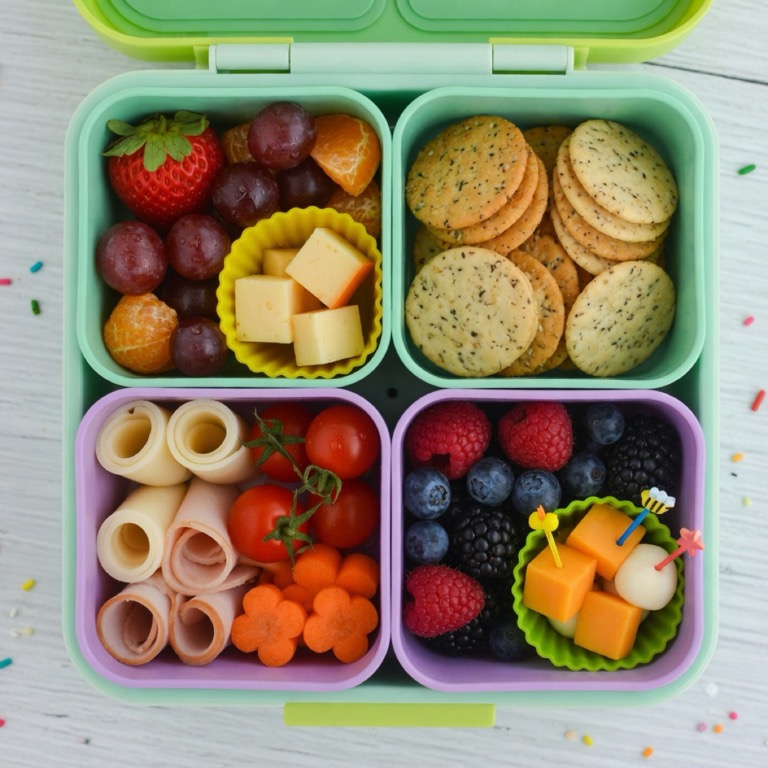
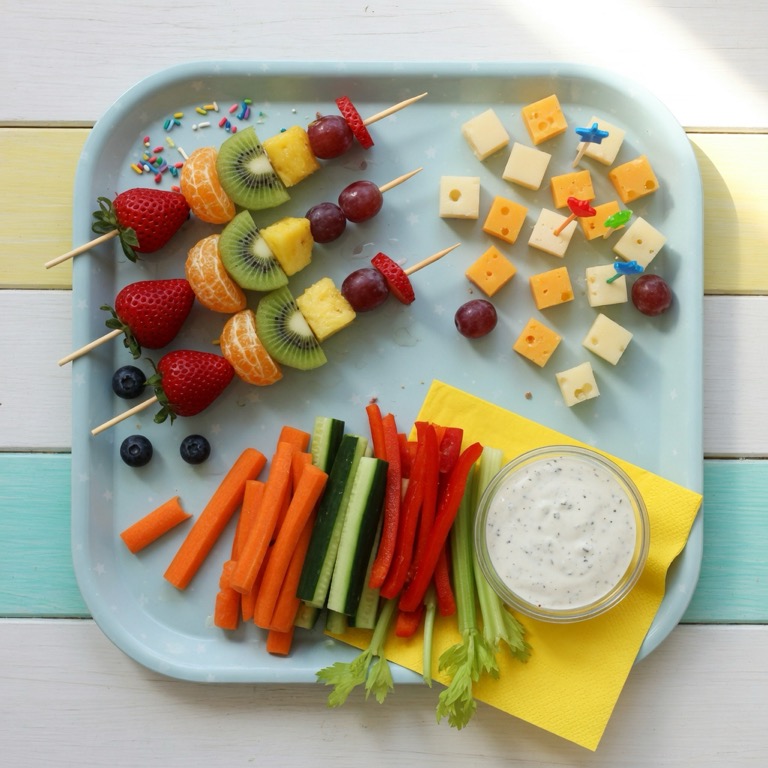
- Vibrant Fruits: Apples, bananas, berries (strawberries, blueberries, raspberries!), oranges, grapes, mangoes, pineapples, melons – the list goes on. Eat them fresh, blend them into smoothies, or bake them into a delicious crumble. They’re sweet, packed with vitamins, and perfectly GF.
- Leafy Greens: Spinach, kale, lettuce, Swiss chard. Toss them in salads, sauté them with garlic, or sneak them into your morning smoothie. Your body will thank you.
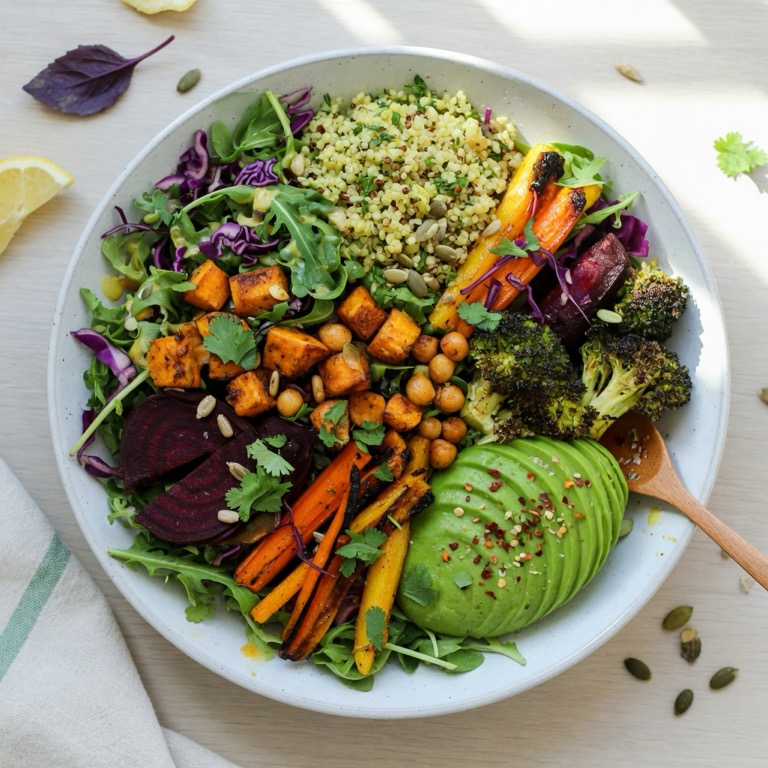
- Colorful Vegetables: Broccoli, carrots, bell peppers, zucchini, squash, sweet potatoes, regular potatoes, onions, garlic, tomatoes. Roast them, steam them, stir-fry them. These are your kitchen workhorses. They add texture, flavor, and a boatload of nutrients to every meal.
- Herbs: Fresh basil, cilantro, parsley, mint, rosemary, thyme. These flavor bombs are your secret weapon for making food sing. They are naturally gluten-free and add zero gluten worries.
The Protein Powerhouse: Build Your Plate Strong
Protein is crucial for feeling full and energized. Luckily, many protein sources are naturally GF. This section of the store is another safe haven for gluten-free living.
- Meats & Poultry: Fresh, unprocessed chicken, turkey, beef, pork, lamb. These are pure protein. Just make sure you’re buying plain cuts, not pre-marinated or breaded versions, which often contain gluten.
- Fish & Seafood: Salmon, tuna, cod, shrimp, scallops, mussels. Whether wild-caught or sustainably farmed, fresh fish is a fantastic, naturally GF option. It cooks up fast and is full of healthy fats.
- Eggs: The incredible, edible, naturally GF egg! Scramble them, fry them, poach them, bake them into frittatas. They’re quick, versatile, and a complete protein source.
- Legumes (Beans & Lentils): Black beans, kidney beans, chickpeas, lentils, cannellini beans. These are plant-based powerhouses. Use them in soups, stews, salads, or make a mean batch of GF hummus. They’re super affordable and filling.
- Tofu & Tempeh: For our plant-based friends, unflavored tofu and tempeh are excellent GF protein sources. Marinate and grill them, or crumble tofu into a scramble. They soak up flavors beautifully.
Gluten-Free Grains & Starches: Your Carby Companions
This is where things can sometimes get a little confusing with gluten-free products, but we’re focusing on the *naturally* GF grains here. These grains offer fiber, energy, and incredible versatility.
- Rice: Brown rice, white rice, wild rice, basmati, jasmine. All rice varieties are naturally gluten-free. A staple around the world for a reason, it’s comforting and versatile.
- Quinoa: This “pseudo-grain” is actually a seed, and it’s a complete protein, meaning it contains all nine essential amino acids. Cook it like rice, add it to salads, or use it as a base for bowls. It’s a superstar.
- Corn: Fresh corn on the cob, corn kernels (canned or frozen), corn tortillas (check ingredients for cross-contamination, but pure corn is GF), and cornmeal (for polenta or cornbread). Corn is a delicious, naturally GF grain.
- Oats (Certified GF): This is an important distinction! While oats are naturally gluten-free, they are often processed on the same equipment as wheat, leading to cross-contamination. Always choose oats explicitly labeled as “certified gluten-free” to be safe. They’re amazing for breakfast, baking, and even savory dishes. You can read more about why this distinction matters from reliable sources like the Mayo Clinic on Gluten-Free Oats.
- Buckwheat: Despite its name, buckwheat is not related to wheat; it’s a fruit seed. It has a distinctive, earthy flavor. Use it as groats (kasha) or in flour form for pancakes and noodles (soba).
- Millet: A small, ancient grain, millet is fluffy when cooked and can be a great alternative to rice or quinoa. It’s also often used in gluten-free baking.
- Teff: Another tiny, nutrient-dense grain, teff is famous for its role in Ethiopian injera bread. It has a slightly molasses-like flavor and is great for porridge or as a thickening agent.
- Sorghum: This versatile grain can be popped like popcorn, cooked like rice, or ground into flour for baking. It has a mild, slightly sweet flavor.
Dairy & Dairy Alternatives: Creamy Goodness
Whether you love traditional dairy or prefer plant-based options, there’s plenty to choose from that’s naturally GF.
- Milk & Cream: Pure cow’s milk, heavy cream, half-and-half are all naturally gluten-free.
- Plain Yogurt & Cheese: Most plain yogurts (check for thickeners/additives, but generally fine) and all natural cheeses (cheddar, mozzarella, feta, gouda, etc.) are GF. Avoid flavored yogurts or processed cheese products that might contain hidden gluten.
- Plant-Based Milks: Almond milk, soy milk, coconut milk, oat milk (again, choose certified GF oat milk!), rice milk. Always check labels to ensure no gluten-containing additives or flavorings, but the plain versions are usually safe.
Nuts, Seeds & Healthy Fats: The Good Stuff
These are fantastic for snacking, adding crunch to salads, or boosting the nutritional value of your meals.
- Nuts: Almonds, walnuts, cashews, pecans, macadamias, peanuts. Raw, roasted, or as nut butters (check for added ingredients in flavored varieties). They’re packed with healthy fats and protein.
- Seeds: Chia seeds, flax seeds, pumpkin seeds, sunflower seeds, sesame seeds. Sprinkle them on salads, yogurt, or blend into smoothies. These tiny powerhouses are excellent sources of fiber and omega-3s.
- Oils: Olive oil, avocado oil, coconut oil, sesame oil. These are your cooking and dressing staples. They are pure fat, completely gluten-free, and essential for flavor and cooking.
- Avocados: A creamy, delicious fruit packed with healthy monounsaturated fats. Mash it for guacamole, slice it for salads, or spread it on GF toast.
Herbs, Spices & Condiments: Flavor Makers
Most single-ingredient herbs and spices are naturally gluten-free. This is fantastic news because they bring so much life to your cooking!
- Single Spices: Cumin, paprika, chili powder, turmeric, ginger, cinnamon, oregano, basil, thyme, rosemary. Buy them in their pure form. Avoid spice blends that might contain anti-caking agents or fillers with gluten.
- Salt & Pepper: The kings of seasoning, always GF.
- Vinegars: Apple cider vinegar, white vinegar, red wine vinegar, balsamic vinegar. These are generally GF. Just a note: malt vinegar is made from barley, so it contains gluten and should be avoided.
- Pure Extracts: Vanilla extract, almond extract. Make sure they are pure extracts and not imitation varieties with hidden gluten.
A Quick Note on Cross-Contamination
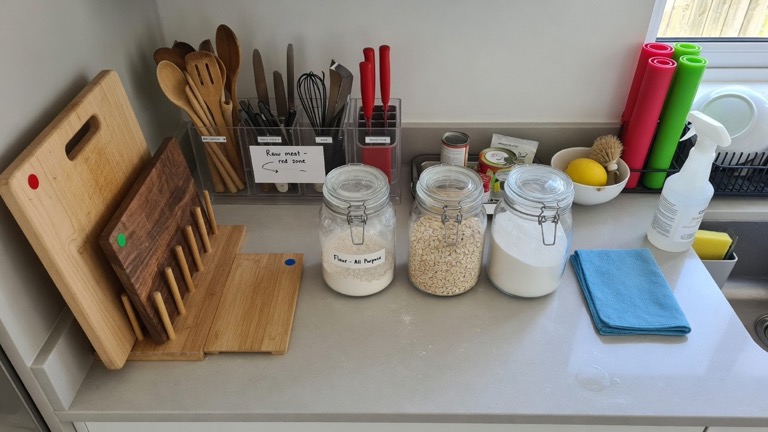
Even though these foods are naturally gluten-free, always be mindful of cross-contamination, especially if you have Celiac disease or a severe sensitivity. This means making sure your cooking surfaces, utensils, and cutting boards are clean and haven’t come into contact with gluten-containing foods. It’s a small extra step that makes a huge difference!
Your Kitchen, Your Masterpiece!
See? The world of naturally gluten-free foods is vast, vibrant, and incredibly exciting! Your grocery cart can still be bursting with color, flavor, and all the nutrients you need to thrive. Focus on these whole, unprocessed ingredients, and you’ll find that eating GF isn’t about limits; it’s about opening up to a whole new spectrum of delicious possibilities.
This essential shopping list gives you a rock-solid foundation. From here, you can start exploring delicious recipes, trying new cooking methods, and truly making your gluten-free kitchen a place of joy and nourishment. Want to dive deeper into starting this delicious new chapter? Check out our Starting Your Gluten-Free Journey: A Beginner’s Guide for even more helpful tips!
Happy shopping, my friend. Your plate is waiting for a feast!