Reading Food Labels: Identifying Hidden Gluten Ingredients (2026)

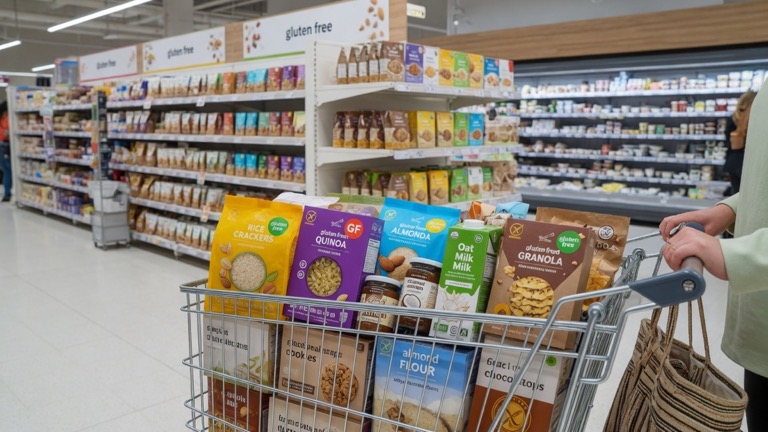
You just picked up a fantastic-looking snack, your stomach is rumbling, and you’re ready for a GF treat. But wait! Before that deliciousness hits your shopping cart (or your plate), there’s one crucial step: turning the package over and giving that ingredient list some serious attention.
Think of it like this: your GF journey is a delicious adventure, and food labels are your treasure map. But sometimes, those maps have tricky hidden clues, right? Gluten, the sneaky little protein we’re avoiding, loves to play hide-and-seek. It pops up in the most unexpected places. If you’re new to this game or even if you’ve been living the gluten-free life for a while, understanding gluten-free labels can feel a bit like deciphering ancient hieroglyphs. But don’t you worry, my friend. I’m here to equip you with the magnifying glass and the secret decoder ring. We’re going to turn you into a label-reading superhero, confident and ready to conquer any grocery aisle.
Why This Detective Work Matters (Seriously!)
For most of us embracing a gluten-free diet, whether it’s because of celiac disease or gluten sensitivity, even tiny amounts of gluten can cause unwelcome symptoms. We’re talking digestive woes, fatigue, brain fog, and just feeling generally… *off*. It’s a real drag. That’s why being vigilant about what goes into your body is more than just a preference, it’s a vital part of staying well and feeling great. The goal here is simple: to eat safely, live joyfully, and never accidentally invite gluten to the party. We want to enjoy food, not fear it.
The Golden Ticket: “Gluten-Free” Certifications
First things first, let’s talk about the good news. Many products proudly display a “Gluten-Free” label. This is your first line of defense! In countries like the U.S. (thanks, FDA!), Canada, and parts of Europe, a product can only be labeled “gluten-free” if it contains less than 20 parts per million (ppm) of gluten. That’s a super tiny amount, well below what causes issues for most people with celiac disease. Think of 20 ppm like 20 drops of water in an entire bathtub. It’s barely there.
So, when you see that certified GF label, often with a recognizable logo (like the GFCO certification mark), you can generally breathe a sigh of relief. This means the manufacturer has gone the extra mile, testing their ingredients and ensuring their production lines are clean. It’s a beautiful thing. But what about all the stuff *without* that label? Ah, that’s where our detective hats come on!
The Usual Suspects: Gluten’s Main Masquerades
Gluten isn’t just wheat flour. Oh no, it’s far more cunning. It hides in plain sight, disguised under various aliases. Let’s break down the big three gluten grains and their many forms:
- Wheat: This is the obvious one, right? But wheat has a whole family of cousins and nicknames. Look for durum, einkorn, emmer, spelt, farro, bulgur, semolina, couscous, and triticale. Anything with “wheat” in the name is a definite no-go. Even seemingly innocuous terms like “modified food starch” or “natural flavors” *could* contain wheat derivatives, though thankfully, labeling laws usually require wheat to be declared as an allergen.
- Barley: This grain loves to lurk in things you might not expect. Malt is a huge one – malted barley flour, malt extract, malt syrup, malt vinegar. Also, keep an eye out for brewer’s yeast. And yes, most traditional beer is made with barley. Sorry, friends, that’s a hard truth for some!
- Rye: Less common in packaged foods than wheat or barley, but still present. You’ll mostly see it in rye bread or pumpernickel. Easy enough to spot, but always worth a quick scan.
The Sneaky Sixth Sense: Ingredients You Might Not Expect
Now, this is where it gets really interesting. Gluten is a master of disguise, popping up in places that will make you scratch your head. Here are some of the most common hidden gluten ingredients to become familiar with:
- Malt or Malt Flavoring: As mentioned, this almost always comes from barley. Think cereals, candies, beverages (like some flavored coffees or teas), and even some salad dressings. Always assume malt means barley unless otherwise specified as “rice malt” or “corn malt.”
- Hydrolyzed Vegetable Protein (HVP): Sometimes, this is made from soy or corn. Sometimes, it’s made from wheat. Unless it specifically says “hydrolyzed soy protein” or “hydrolyzed corn protein,” it’s best to avoid it.
- Soy Sauce: The vast majority of traditional soy sauces are made with wheat. Always opt for tamari, which is the GF version, or coconut aminos.
- Brewer’s Yeast: This is a byproduct of beer making, so it contains barley. You’ll find it in some savory snacks, seasonings, and nutritional supplements.
- Modified Food Starch (unless source specified): This can be derived from wheat, corn, potato, or tapioca. If the source isn’t listed (e.g., “modified corn starch”), proceed with caution. The good news? In countries with strict allergen labeling, wheat-derived modified food starch must be declared.
- Dextrin or Maltodextrin (unless source specified): These are often corn-derived and usually safe. However, sometimes they can come from wheat. Again, check for explicit “wheat” declarations, or when in doubt, avoid.
- Natural Flavors: This is a big one. “Natural flavors” can be a catch-all term and *can* contain gluten. If you are very sensitive, this might be one to investigate further by contacting the manufacturer. Many companies are good about specifying if allergens are present.
- Oats (unless certified GF): Oats themselves are naturally gluten-free. But, they are almost always processed on the same equipment as wheat, barley, and rye, leading to cross-contamination. So, if you’re eating oats, make sure they are explicitly labeled “certified gluten-free oats.” Otherwise, it’s a no-go.
When “May Contain” Appears: What to Do
You’ve scanned the ingredients, found no obvious gluten, and then… BAM! “May contain wheat,” “Manufactured in a facility that also processes wheat,” or “Produced on shared equipment.” This is called a precautionary allergen label, or PAL.
What does it mean? It means the manufacturer hasn’t intentionally added gluten, but there’s a risk of cross-contamination during processing. For someone with celiac disease or a severe gluten sensitivity, this risk is usually too high. It’s like going to a party where you know the punch bowl *might* have a tiny splash of something you’re allergic to. Most people would skip that punch! So, for strict GF adherence, it’s generally best to avoid products with “may contain” warnings related to gluten.
Ingredients That Sound Scary But Are Usually Safe
Sometimes, an ingredient sounds like it might be gluten, but it’s actually perfectly safe. Don’t let these trick you!
- Corn Starch: Totally safe! Corn is a naturally gluten-free grain.
- Rice Flour: Another GF superstar! White rice flour, brown rice flour, sweet rice flour – all good.
- Potato Starch/Flour: Potatoes are naturally gluten-free. No worries here.
- Tapioca Starch/Flour: Comes from the cassava root, completely gluten-free.
- Buckwheat: Despite the name, buckwheat is not related to wheat. It’s a naturally gluten-free pseudo-cereal.
- Amaranth, Quinoa, Millet, Sorghum, Teff: All fantastic, naturally gluten-free grains or pseudo-cereals.
Your Superpower: Ask Questions!
If you’re ever in doubt about an ingredient or a product, what do you do? Ask!
- Contact the Manufacturer: Most food companies have customer service lines or email addresses. They are often happy to clarify ingredients and production practices. Many even have dedicated GF product lists on their websites. This is incredibly helpful.
- Check Reputable Resources: Organizations like the Celiac Disease Foundation (celiac.org) or Beyond Celiac (beyondceliac.org) provide excellent, up-to-date lists of hidden gluten ingredients and safe foods. Use them!
- Stick to Whole Foods: The easiest way to avoid hidden gluten? Eat foods that don’t have an ingredient list! Fresh fruits, vegetables, plain meats, fish, eggs, and naturally GF grains (like quinoa or rice). These are naturally free from hidden surprises.
Becoming a Label Reading Pro: A Quick Reference
Let’s make this even easier. Here’s a little table to keep in your back pocket.
| Always Avoid | Check Source/Look for “Gluten-Free” | Generally Safe |
|---|---|---|
| Wheat (durum, spelt, farro, semolina, couscous, etc.) | Modified Food Starch | Corn Starch |
| Barley (including malt, malt extract, malt syrup, malt vinegar) | Hydrolyzed Vegetable Protein (HVP) | Rice Flour |
| Rye | Natural Flavors | Potato Starch/Flour |
| Triticale | Dextrin/Maltodextrin | Tapioca Starch/Flour |
| Brewer’s Yeast | Oats (unless certified GF) | Buckwheat |
| Traditional Soy Sauce | Precautionary Allergen Labels (“May Contain Wheat”) | Quinoa, Amaranth, Millet, Sorghum, Teff |
Your Gluten-Free Kitchen: A Zone of Delicious Confidence
Reading labels might seem like a chore at first, I know. It takes a little extra time and effort. But trust me, it quickly becomes second nature. It’s like learning a new dance; a bit awkward at first, then you’re twirling around the kitchen with grace and confidence! Each time you successfully identify a GF product, you’re not just buying food, you’re investing in your health, your energy, and your peace of mind.
Remember, this isn’t about restriction. It’s about knowledge and empowerment. It’s about opening up a whole world of incredible, naturally gluten-free foods, and enjoying safe, delicious versions of your old favorites. Your GF life is bursting with flavor, creativity, and joy. So go forth, my friend! Grab that magnifying glass, read those labels like a pro, and fill your cart (and your belly!) with all the amazing, safe, and truly tasty things out there. You’ve got this. And if you’re ever wondering more about specific reactions or why gluten causes issues for some people, you might find What Exactly Is Gluten and Why Is It Harmful to Some? a helpful read. Happy eating!