Microencapsulation Techniques for Gluten-Free Nutrient Delivery (2026)

Hey there, fellow food adventurers! It’s 2026, and if you’re anything like me, you’re always curious about what’s next for delicious, healthy gluten-free eating. We’ve come a long, long way from cardboard crackers, haven’t we? And that journey continues, especially in the exciting world of Research & Innovations in Gluten-Free. Today, we’re pulling back the curtain on something super cool happening behind the scenes: microencapsulation. Sounds sci-fi, right? Don’t worry, it’s actually pretty brilliant and something that’s quietly making our GF lives better.
What Even IS Microencapsulation? Let’s Break It Down.
Imagine your favorite super-nutrients – think vitamins, minerals, maybe even those beneficial compounds from turmeric or omega-3s. Now, picture them as tiny, precious pearls. What if we could give each pearl a perfectly fitting, protective little suit of armor? That’s basically microencapsulation!
In simple terms, it’s a clever way to wrap up teeny-tiny particles (like those nutrients we just talked about) in an edible coating. This creates microscopic capsules. Think of it like giving a tiny, super-important message its own secret envelope. This isn’t just for show. It’s a smart move in food science.
Why bother with all this wrapping? Well, many nutrients are delicate. They don’t like light, heat, or even just hanging out with other ingredients. Ever notice how some vitamins can leave a weird aftertaste? Or how healthy fats can go rancid? Microencapsulation helps solve these issues. It shields the good stuff.
Why Our Gluten-Free Journey Needs This Tiny Tech
Okay, so it’s a neat trick, but why does it matter specifically for us in the GF community? Here’s the scoop:
- Nutrient Gaps are Real: Let’s be honest. A gluten-free diet, especially if you’re not super careful, can sometimes skimp on certain nutrients. We might miss out on fiber, iron, B vitamins, and even some essential minerals that are often enriched in conventional wheat products. These are critical for our overall health and energy.
- Making the Good Stuff Stick Around: Many of those important nutrients are fragile. Baking involves heat. Processing involves mixing. Without protection, those delicate vitamins can degrade. They lose their potency. Microencapsulation acts like a tiny force field, ensuring those nutrients survive the journey from ingredient to your plate.
- Taste and Texture Matter, Big Time: Nobody wants their GF bread to taste like a vitamin factory. Some nutrients, while vital, can have strong flavors or odors. Microencapsulation masks these. It keeps your food tasting exactly as it should: delicious. Plus, it can help prevent nutrients from reacting with other ingredients and messing with texture. No more crumbly, weird-tasting “healthy” options!
Basically, this technology helps bridge those nutritional gaps quietly and effectively. It means we can enjoy our GF favorites with an added layer of peace of mind. Our food is working harder for us, without us even tasting the difference.
How Do They Make These Mini-Miracles? (The Simple Version)
So, how do scientists create these incredible edible envelopes? There are a few clever ways. Let’s look at a couple of common techniques:
Spray Drying: Like Making Tiny Nutrient Rain
This is one of the most popular methods. Imagine you have your nutrient (let’s say, Vitamin D) mixed into a liquid solution. This liquid is then sprayed as a fine mist into a hot chamber. As the tiny droplets fall, the water evaporates almost instantly. What’s left? A tiny, dry particle of the nutrient, perfectly coated in a protective shell. This shell might be something simple like a food-grade starch or a protein. It’s super efficient, like a mini-dessert for your vitamins.
Emulsion Techniques: Oil and Water Play Nice
Sometimes, we want to encapsulate something oily, like omega-3 fatty acids. We know these are fantastic for us, but they can taste a bit fishy or go bad quickly. With emulsion techniques, scientists mix the oil (containing the nutrient) with water and a special emulsifier (which helps oil and water mix). They create a stable mixture where tiny oil droplets are suspended. Then, they add another layer, often a protein or gum, to form a solid wall around each oil droplet. It’s like building a tiny, stable raft for your healthy fats. This keeps them fresh and flavorless. Pretty neat, right?
These techniques allow scientists to precisely control the size of the capsules and what they’re made of. This means they can deliver nutrients exactly where and when they’re needed.
What’s Microencapsulation Bringing to Our Gluten-Free Plates Today (and Tomorrow)?
The applications for this tech are really exciting, especially for GF foods. We’re already seeing it pop up in more places. By 2026, it’s becoming quite common.
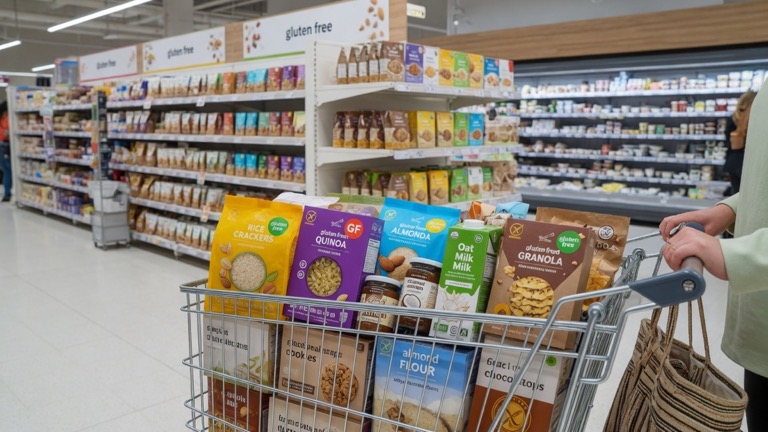
- Better GF Breads and Pastas: Remember those nutrient gaps? Microencapsulated iron, B vitamins, and even dietary fiber are being added to Innovations in Gluten-Free Bread Texture: A Scientific Review and pasta without changing their delightful taste or texture. This means our daily staples can deliver more goodness.
- Fortified GF Cereals and Snacks: Kids (and adults!) love their cereals and snacks. With this technology, manufacturers can sneak in extra vitamins and minerals. Think about making those morning bowls or afternoon treats even more wholesome.
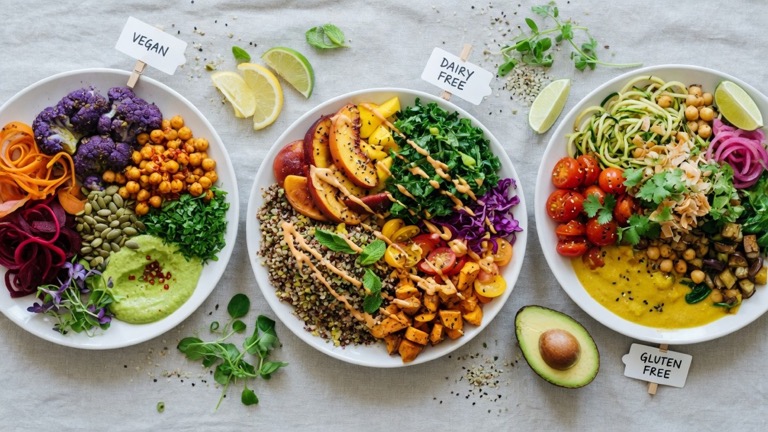
- Dairy-Free Alternatives: Many GF folks also avoid dairy. Microencapsulation is helping boost calcium and Vitamin D in plant-based milks and yogurts. It helps these products match the nutritional profile of their dairy counterparts.
- Functional Foods with a Punch: Imagine a GF energy bar with encapsulated probiotics that actually make it to your gut alive. Or a GF cookie with a burst of Vitamin C that stays potent for longer. This is the world we’re living in!
The future looks even brighter. We might see personalized GF foods tailored to individual needs, with specific nutrient blends delivered via microcapsules. The ability to precisely target and deliver nutrients opens up a whole new world of possibilities for GF nutrition. It’s about making healthy eating not just easy, but truly effective.
Did you know? Researchers at the University of Massachusetts Amherst are actively exploring ways to use food-grade polymers and proteins for microencapsulation, making nutrient delivery more efficient and sustainable. Their work is really pushing the boundaries of what’s possible in food science.
Safety and the Future of Your GF Plate
I know what you’re thinking: Is this safe? Absolutely. The coatings used are food-grade and thoroughly tested. They are often common ingredients like starches, proteins, or dietary fibers that you already eat. This isn’t about adding weird chemicals; it’s about smart packaging using familiar components.
This tech is also giving us a clearer picture of how our bodies absorb nutrients. For instance, some fascinating research is looking at how a Decoding the Gut Microbiome: Impact of a Gluten-Free Diet impacts nutrient absorption and how microencapsulation can help ensure we get what we need, right where it matters.
It’s all about enhancing the nutritional value of our food without compromising on taste or safety. This is a big win for everyone, especially for us following a GF lifestyle, where every nutrient counts.
Curious about the science? The Food and Agriculture Organization of the United Nations (FAO) has a detailed report on the applications of microencapsulation in food, highlighting its role in improving stability and bioavailability of nutrients. You can dive deeper here (PDF warning).
The Bottom Line: More Goodness, Less Fuss!
So, the next time you bite into a wonderfully textured GF bread, or enjoy a creamy dairy-free yogurt, remember those tiny, invisible heroes working behind the scenes. Microencapsulation is one of those quiet, powerful innovations making our gluten-free diets richer, more nutritious, and even more delicious.
It’s exciting to see how science continues to support our health and culinary adventures. This isn’t just about avoiding gluten; it’s about embracing a lifestyle filled with abundance, flavor, and incredible nutrition. Here’s to a future where every GF bite delivers maximum joy and wellness!