Reducing Cross-Contamination: Advanced Testing and Manufacturing (2026)

Okay, my fellow gluten-free explorers, let’s talk about trust. Because when you’re living GF, trust isn’t just a nice-to-have; it’s a fundamental ingredient in every bite. We’ve all been there: staring at a label, wondering if “gluten-free” truly means “gluten-free.” It’s a valid concern, especially for those of us with celiac disease or severe sensitivities. You want to eat with confidence, right? You deserve to. That’s why today, we’re pulling back the curtain on the incredible, often invisible, work happening behind the scenes in food manufacturing. We’re talking about the truly advanced stuff, the research and innovations in gluten-free that make our meals not just safe, but wonderfully dependable.
For a long time, being GF felt a bit like navigating a minefield. Manufacturers did their best, but testing methods and production protocols weren’t always as precise as we needed them to be. But my friends, the game has changed. Think of it like this: if gluten contamination used to be a tiny, sneaky mouse, today’s technology brings out the detection dogs, thermal cameras, and even tiny robot vacuums. They’re hunting down those invisible gluten crumbs with unprecedented accuracy.
The Gluten Detectives: Advanced Testing Methods
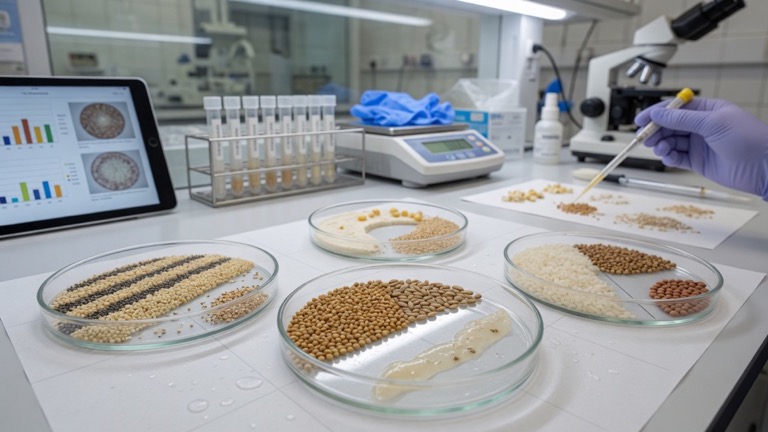
When a food product gets labeled “gluten-free” (meaning it contains less than 20 parts per million, or ppm, as per regulations), it’s not just a hopeful guess. There are some serious scientific superheroes at work. Let’s peek into their toolbox:
ELISA Testing: The Gold Standard, Still Getting Shinier
You’ve probably heard of ELISA (Enzyme-Linked Immunosorbent Assay). It’s been the cornerstone of gluten testing for ages. Basically, it uses antibodies, which are like tiny, super-specific sticky notes, designed to grab onto gluten proteins. If gluten is present in a sample, these antibodies latch on, and then another chemical reaction makes them change color. The deeper the color, the more gluten there is. Simple, right?
But today’s ELISA tests are faster, more sensitive, and can detect even tinier amounts. They’re like getting a better pair of glasses, spotting gluten concentrations that might have been missed before. This continuous refinement means a stronger safety net for us.
PCR Testing: DNA Detectives on the Case
Now, here’s where things get really cool. PCR, or Polymerase Chain Reaction, isn’t looking for the gluten protein itself. Instead, it’s looking for the *DNA* of gluten-containing grains (like wheat, barley, or rye). Think of it like this: even if the actual gluten protein is degraded or altered (which can happen during processing), the genetic fingerprint of the problem grain can still be found.
Imagine a microscopic crime scene. PCR is like a super-sensitive photocopier for DNA. It can find even a tiny fragment of wheat DNA and make millions of copies, amplifying the signal until it’s undeniable. This means we can confirm the presence of a problematic grain even when traditional protein tests might be less effective. It adds another powerful layer of scrutiny to our food supply. Learn more about PCR here.
Flow Cytometry: Particle by Particle Scrutiny
Ever wondered if a single stray oat flake (if you’re sensitive to oats) or a wheat kernel snuck into a batch of GF flour? Flow cytometry is like a highly trained bouncer at a very exclusive club, checking every single particle that tries to get in. It sends individual particles past a laser beam, analyzing their size, shape, and even chemical properties.
If a particle doesn’t belong (say, it looks like a wheat speck in a rice flour batch), the system flags it immediately. This isn’t about testing a whole product; it’s about real-time, ingredient-level monitoring, ensuring purity before things even get mixed. It’s a fascinating application of technology, giving us incredible peace of mind about raw ingredients.
Manufacturing Magic: Building Gluten-Free Sanctuaries
Testing is crucial, but prevention is even better. The real heroes are the manufacturing facilities that have taken their commitment to GF safety to extraordinary lengths. This isn’t just about cleaning; it’s about rethinking entire production lines and creating dedicated, secure environments.
Dedicated GF Lines and Facilities: The Ultimate Separation
The gold standard for preventing cross-contamination is, without a doubt, a dedicated gluten-free facility or production line. This means no gluten-containing ingredients ever enter that space. It’s like having a completely separate kitchen in a restaurant, solely for GF meals. No shared toasters, no shared cutting boards, no chance of a rogue crumb. This approach completely removes the risk of gluten accidentally mixing with GF ingredients or products. It’s a significant investment for manufacturers, but it shows an incredible commitment to our safety.
Zoning and Segregation: The Invisible Walls
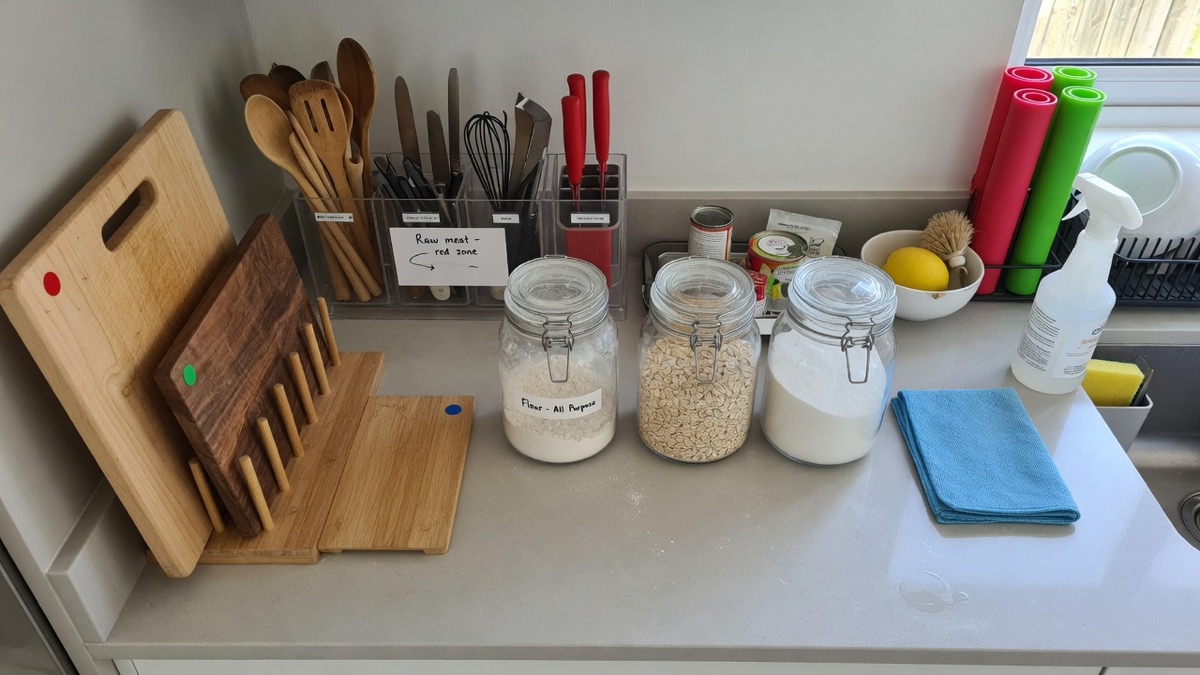
Not every company can afford entirely separate facilities, and that’s okay. Many innovative manufacturers use “zoning.” Picture a factory floor carefully divided into different sections, like neighborhoods in a city. Gluten-containing operations happen in one zone, and GF operations happen in another, with strict physical barriers, separate air filtration systems, and even different staff for each area. They use separate tools, separate storage, and rigorous cleaning protocols between shifts or products. It’s like building invisible walls to keep gluten out of our food.
Air Quality Control and Filtration: Keeping the Air Clear
You might not think about airborne particles, but flour dust, for example, can travel! Advanced GF facilities are often equipped with sophisticated air filtration systems. These aren’t just your typical HVAC filters; we’re talking about high-efficiency particulate air (HEPA) filters designed to trap even microscopic particles. It’s like having a super-powered air purifier running 24/7, ensuring that the very air in a GF processing area is clean and clear of gluten contaminants. This level of environmental control provides an extra layer of defense against accidental cross-contact.
Employee Training and Protocol: The Human Element
Technology is amazing, but the people behind the machines are equally important. Manufacturers committed to GF safety invest heavily in comprehensive employee training. This isn’t just a quick onboarding; it’s ongoing education about the seriousness of celiac disease, the science of gluten, and precise handling protocols. Every team member understands the critical role they play in preventing contamination. From receiving ingredients to packaging the final product, every step is a precision ballet of gluten-free integrity. Many even have color-coded uniforms or equipment to ensure strict separation.
What This Means for You, My Confident GF Eater
So, why does all this technical talk matter to you? Because it means more delicious, truly safe options are hitting the shelves. It means you can look at that “gluten-free” label with greater confidence. These advanced testing methods and manufacturing practices are directly responsible for the abundance of high-quality GF products we enjoy today. Seriously, just think about how many amazing GF breads, pastas, and treats we have now compared to even a few years ago! You can explore incredible new flavors, like those found in lab-grown and alternative proteins for a gluten-free future, or discover how plant-based proteins act as gluten-free binders, all made safer by these advancements.
We’re living in a golden age for gluten-free eating. The food industry is truly stepping up, driven by our community’s needs and scientific innovation. While it’s always wise to stay informed and choose brands you trust, understand that the tools and practices in place today are more rigorous than ever before. We can celebrate this progress!
So, go forth and enjoy your gluten-free life with joy and confidence. These unsung heroes in advanced testing and manufacturing are working hard to make sure every bite is a safe and delicious one. And that, my friends, is something truly worth chewing on. Learn more about what it means to be gluten-free from the Celiac Disease Foundation.