Debunking Gluten-Free Myths: Separating Fact from Fiction (2026)

Ever feel like you need a secret decoder ring just to figure out what’s what in the gluten-free world? You’re not alone, my friend. It’s 2026, and while GF living has become a delicious reality for millions, there’s still a swirling soup of misinformation out there. Myths, old wives’ tales, and just plain confusing whispers can make even the most seasoned GF guru scratch their head. But guess what? We’re about to clear the air, bust some myths wide open, and arm you with the real scoop. Think of me as your personal, no-nonsense guide, here to chat over a perfectly chewy GF cookie (or perhaps a crisp apple, if you’re feeling virtuous). We’re going to separate fact from fiction and make your Understanding Gluten-Free journey even smoother, happier, and of course, tastier.
Myth #1: “Gluten-Free Means Healthy”
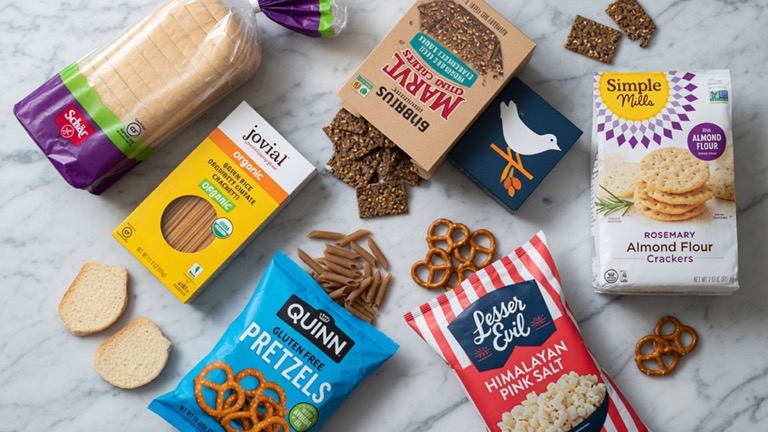
Oh, if only it were that simple! This is probably the biggest, fluffiest, and most misleading myth out there. Picture this: you swap your regular croissant for a GF one. Victory, right? Maybe, maybe not. Many gluten-free processed foods, while certainly lacking gluten, can be loaded with extra sugar, unhealthy fats, and refined starches (like potato starch or tapioca starch) to compensate for the missing gluten structure and taste. They can be just as, if not more, calorically dense and nutritionally sparse than their gluten-containing counterparts.
Think of it like this: a gluten-free chocolate cake is still chocolate cake. It’s a treat! Delicious, yes, but not a health food powerhouse. The real health magic of a GF diet comes when you focus on naturally gluten-free foods. We’re talking about vibrant fruits, crisp vegetables, lean proteins, nuts, seeds, and ancient grains like quinoa, brown rice, and millet. These are the true superheroes. They pack a serious punch of vitamins, minerals, and fiber. So, yes, you *can* eat incredibly healthy on a GF diet. But simply swapping out gluten doesn’t automatically transform a junk food into a health food. Be savvy. Read those labels. Choose whole foods first.
Myth #2: “Gluten-Free Diets Are Only for Celiac Disease”
This is a big one that often causes confusion. Celiac disease, an autoimmune condition where gluten causes damage to the small intestine, absolutely requires a strict, lifelong gluten-free diet. There’s no wiggle room. For these folks, gluten isn’t just uncomfortable, it’s destructive to their gut and overall health. But Celiac is not the *only* reason someone might thrive on a GF lifestyle.
We’ve come a long way in our understanding. Today, we know there’s a wider spectrum of gluten-related disorders. Many people experience what’s called Non-Celiac Gluten Sensitivity (NCGS). Their symptoms can mirror Celiac (digestive upset, brain fog, fatigue, skin issues) but without the specific autoimmune markers or intestinal damage seen in Celiac disease. For these individuals, going GF can bring incredible relief and significantly improve their quality of life. Plus, a growing body of research shows connections between gluten and various other conditions. In fact, many people find relief from various chronic issues when they remove gluten from their diet. This extends Beyond Celiac: Other Conditions Improved by a Gluten-Free Diet, showcasing how varied individual responses to gluten can be. It’s a personal journey, not a one-size-fits-all medical mandate for everyone who chooses to eat GF.
Myth #3: “Gluten-Free Foods Taste Bad / Are Boring”
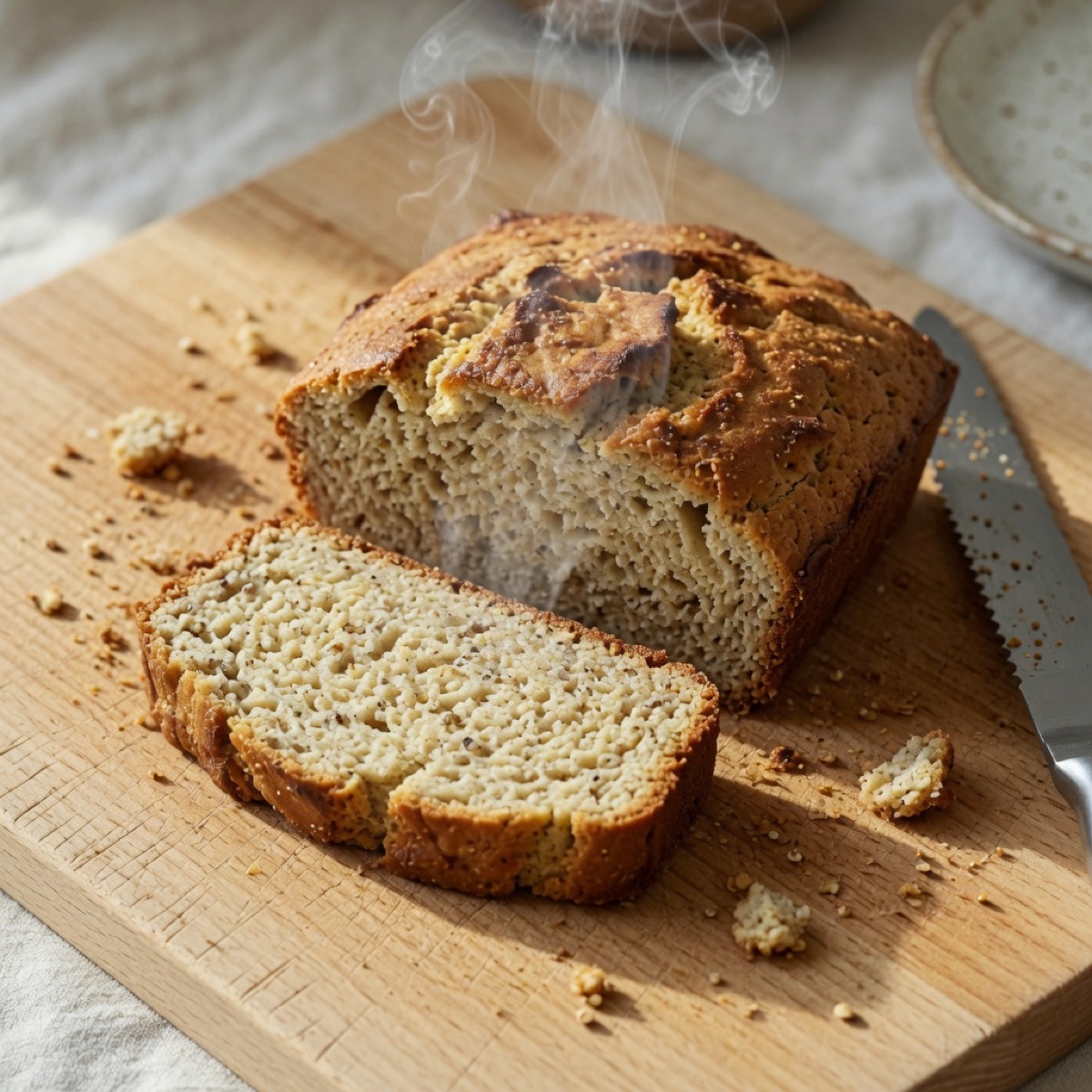
Hold up! If you’re still picturing dry, crumbly hockey pucks disguised as bread, you’re living in the past, my friend. The GF food scene has absolutely exploded with innovation. Today’s gluten-free breads, pastas, cookies, and even pizzas are nothing short of phenomenal. We’ve moved light-years beyond the early days.
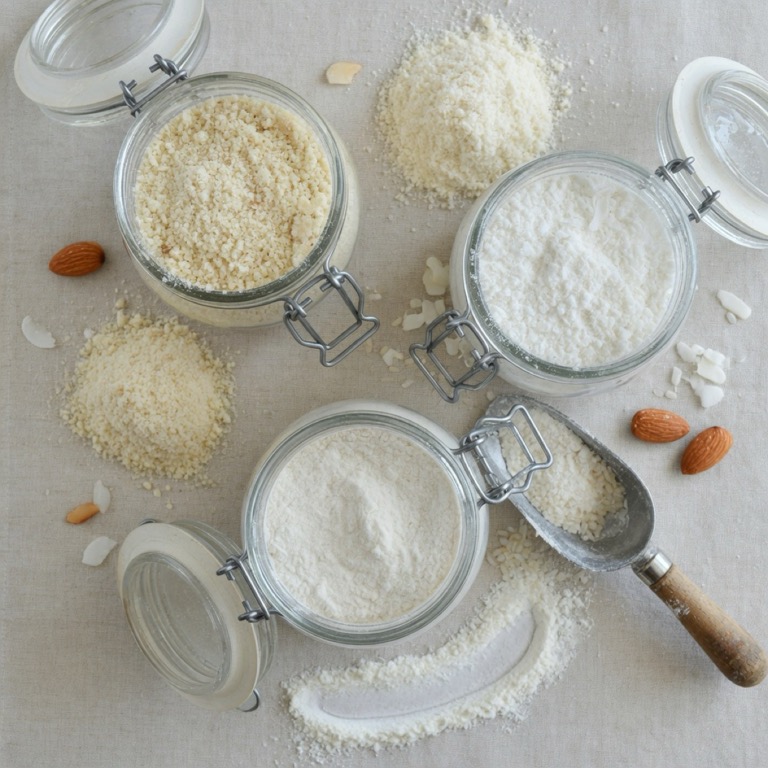
Chefs, bakers, and food scientists have truly mastered the art of working with alternative flours and starches. They create textures and flavors that are seriously crave-worthy. Plus, let’s not forget the abundance of naturally gluten-free foods that are inherently delicious: succulent meats, fresh fish, vibrant fruits, crisp vegetables, creamy avocados, hearty potatoes, and all those amazing nuts and seeds. These staples are the backbone of a GF diet, and they are anything but boring. Think about the incredible variety of cuisines that are naturally GF: Mexican, Thai, Indian, Japanese (mostly!), and so many more. We’re not talking about limitations here. We’re talking about a world of culinary adventure just waiting for you to explore. Your taste buds are in for a treat, trust me!
Myth #4: “A Little Bit of Gluten Won’t Hurt” (for sensitive individuals)
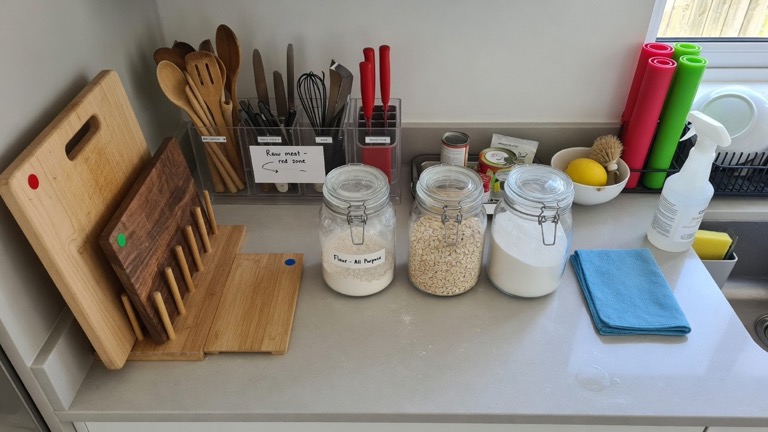
This myth can be incredibly dangerous for those with Celiac disease or severe NCGS. For someone with Celiac, even a tiny crumb (we’re talking milligrams, like 20 parts per million, which is about the size of a few grains of salt) can trigger an immune response. This response damages the small intestine and can lead to long-term health complications. It’s not about the symptoms you feel immediately. Often, the damage is silent. This is why vigilance against cross-contamination is so crucial.
Imagine trying to enjoy a beautiful, clean white shirt. Now imagine someone sprinkles a tiny bit of red glitter on it. You might not see it at first glance, but it’s there, and it’s going to cause a problem eventually. Gluten acts similarly for sensitive individuals. The immune system reacts, even to minuscule amounts. This constant “micro-exposure” can prevent healing and maintain ongoing inflammation. It’s not just about comfort. It’s about protecting your body from harm. And on that note, understanding The Gut Microbiome and Gluten: How It All Connects shows us just how sensitive and interconnected our internal systems are, making even tiny amounts of gluten potentially impactful for certain individuals. Always, always err on the side of caution.
Myth #5: “Going Gluten-Free Helps Everyone Lose Weight”
While some people *do* lose weight when they switch to a gluten-free diet, it’s rarely because of the absence of gluten itself. More often, weight loss occurs for a few simple reasons. First, individuals often cut out a lot of processed, high-calorie foods (like pastries, white bread, and fast food) because they contain gluten. Second, they might replace these items with more naturally gluten-free whole foods: fruits, vegetables, lean proteins, and whole grains. These foods are generally lower in calories and higher in fiber, leading to greater satiety and reduced overall calorie intake. It’s the healthier choices, not the lack of gluten, that typically drive weight loss.
Conversely, some people actually *gain* weight on a GF diet! If you replace gluten-containing processed foods with gluten-free processed foods (think GF cookies, cakes, and highly refined GF breads), you might be consuming even more sugar, fat, and calories. It all comes back to basic nutrition. A calorie is still a calorie, GF or not. Weight management is about overall dietary choices, portion control, and lifestyle, not simply removing one ingredient.
Myth #6: “Gluten-Free is Just a Fad Diet”
You’ve probably heard this one at a dinner party, right? “Oh, another fad!” While it’s true that the gluten-free diet has gained popularity beyond medical necessity, dismissing it as just a fleeting trend ignores decades of scientific understanding and real-world impact. Celiac disease was first described in medical literature over a century ago. It’s a serious, lifelong condition, not a fashion statement. The increasing diagnosis rates of Celiac disease and recognition of NCGS are due to better diagnostic tools and awareness, not a sudden surge in people faking symptoms.
Yes, some people might try GF as a wellness experiment, and that’s perfectly fine if it makes them feel better. But for many, including the millions diagnosed with Celiac disease or significant gluten sensitivity, it is a medical necessity. It’s their path to health and well-being. It’s not about following a trend; it’s about living without pain, fatigue, and the threat of long-term health complications. The gluten-free movement is a testament to genuine need and scientific discovery, not just a passing dietary craze. We are just getting better at identifying who benefits from it. For example, the Mayo Clinic provides extensive information on Celiac disease and gluten sensitivity, clarifying the medical basis for a GF diet. You can read more about it here: Mayo Clinic – Celiac Disease. And for broader context, the Celiac Disease Foundation offers great resources: Celiac Disease Foundation.
Embrace the Delicious Truth!
There you have it! Six common gluten-free myths, thoroughly debunked. Living gluten-free isn’t about restriction. It’s about knowledge, intention, and discovering an incredible world of delicious foods that truly nourish your body. It’s about feeling good, every single day.
So, next time someone raises an eyebrow about your GF choices, you’ll be armed with facts and a smile. You’re not just avoiding gluten; you’re embracing a healthier, more vibrant lifestyle filled with abundance. Keep exploring, keep cooking, and keep enjoying every single glorious, gluten-free bite!