Gluten-Free & Endometriosis: Reducing Inflammation & Symptoms (2026)

Hey there, fellow food adventurer! If you’re living with endometriosis, you know the daily dance with pain, fatigue, and bloating can feel like a relentless tango. It’s tough. You’re looking for answers, for anything that might bring a bit more ease to your life. And you’ve probably heard whispers, maybe even shouts, about how going gluten-free could be a game-changer. Let me tell you, as your trusted GF guide (and a big fan of delicious, pain-reducing food), those whispers are onto something big. Shifting to a Gluten-Free for Special Dietary Needs lifestyle can be a powerful tool in your endometriosis toolkit.
Think of it like this: your body is a super intricate system, a bit like a high-performance car. When something’s off, it sends signals. With endometriosis, those signals often scream “inflammation!” And inflammation, my friends, is like pouring gasoline on an already burning fire. It ramps up pain, swells tissues, and just makes everything feel worse. Our mission today? To see how taking gluten out of the picture can act like a fire extinguisher for that internal blaze, helping you feel more comfortable and vibrant.
Understanding Endometriosis: More Than Just “Bad Periods”
Before we dive into the gluten connection, let’s quickly touch on endometriosis itself. It’s a chronic condition where tissue similar to the lining of your uterus (the endometrium) grows outside the uterus. These growths often show up on your ovaries, fallopian tubes, or other pelvic organs. Each month, these misplaced tissues act just like your uterine lining: they thicken, break down, and bleed. But because they have no exit, they get trapped. This leads to cysts, adhesions, scar tissue, and, you guessed it, a whole lot of inflammation and pain. It can be incredibly debilitating, affecting everything from your menstrual cycle to digestion and energy levels.
The key takeaway here is inflammation. It’s not just a side effect; it’s a central player in the whole endometriosis story. So, anything we can do to dial down that widespread internal inflammation is a win, right?
Gluten & Your Body’s Fire Alarm
So, where does gluten fit into all this? For many, gluten is like a harmless flour cloud. But for others, it’s a very different story. Gluten, a protein found in wheat, barley, and rye, can be a major instigator of inflammation in sensitive individuals. And you don’t even have to have Celiac Disease for it to be a problem. Many people experience non-celiac gluten sensitivity (NCGS).
Here’s the simplified science bit: When you eat gluten, it can sometimes trigger an immune response. Your body sees it as an intruder. This can happen in your gut first, causing digestive distress like bloating, gas, and irregular bowel movements (sound familiar to anyone with endo? Many experience Gluten-Free Diet for IBS: Is it the Right Solution for You? type symptoms). But it doesn’t always stop there. For some, this gut irritation can lead to what’s often called “leaky gut” or increased intestinal permeability. Basically, tiny gaps in your gut lining might allow undigested food particles, toxins, and yes, gluten proteins, to “leak” into your bloodstream. Your immune system then goes into overdrive, setting off a systemic inflammatory response throughout your entire body.
Picture it: your gut lining is like a super-fine sieve, letting good nutrients in and keeping bad stuff out. If that sieve gets damaged or stretched, things start slipping through that shouldn’t. This widespread inflammation then circulates, potentially worsening existing inflammatory conditions like, you guessed it, endometriosis.
The Gluten-Free Shift: A Powerful Ally, Not a Magic Bullet
Let’s be clear: a gluten-free diet isn’t a “cure” for endometriosis. But it can be an incredibly powerful tool for managing symptoms and significantly improving your quality of life. By removing a common inflammatory trigger (gluten), you’re essentially giving your body a much-needed break. You’re calming that overactive immune response. You’re reducing the systemic inflammation that fuels your pain, fatigue, and other endometriosis symptoms.
Many women with endometriosis who adopt a GF diet report:
- Less pelvic pain, especially around their period.
- Reduced bloating and digestive upset.
- Increased energy levels.
- Fewer headaches or brain fog.
- Overall feeling of well-being.
It’s not about restriction; it’s about making choices that nourish and soothe your body. It’s about finding freedom from pain, one delicious GF meal at a time!
Making the Switch: Your GF Pantry Makeover
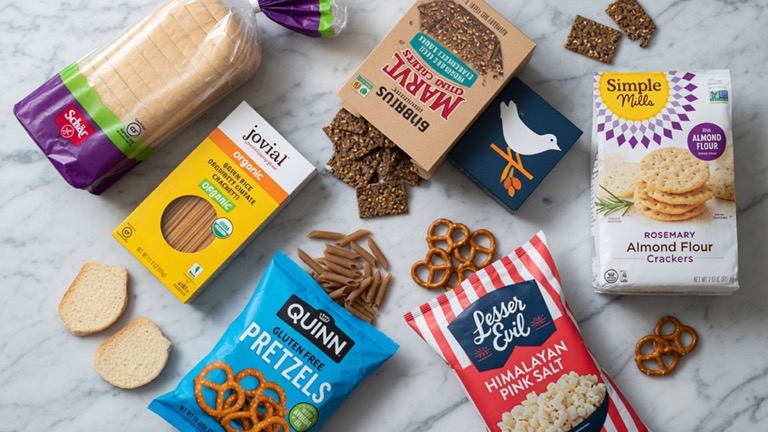
So, how do you actually go gluten-free? It’s simpler than you might think, especially if you focus on whole, naturally GF foods. Here’s your roadmap:
What to Ditch (Temporarily, or for Good)
- Wheat: This is the big one. Bread, pasta, cakes, cookies, many cereals, pizza, couscous, farro, durum, semolina.
- Barley: Found in malt (malt syrup, malt vinegar), some beers, and often used in soups.
- Rye: Found in rye bread, some crackers.
- Cross-Contamination: This is sneaky! Oats are naturally GF but are often processed on equipment that also handles wheat, leading to cross-contamination. Look for certified GF oats.
What to Embrace with Open Arms (and a Big Appetite!)
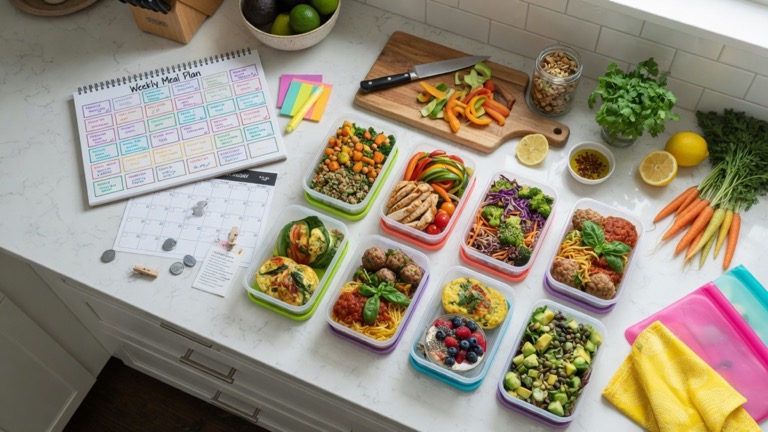
This is where the abundance comes in! Get ready for a delicious feast. Your new GF plate will be piled high with:
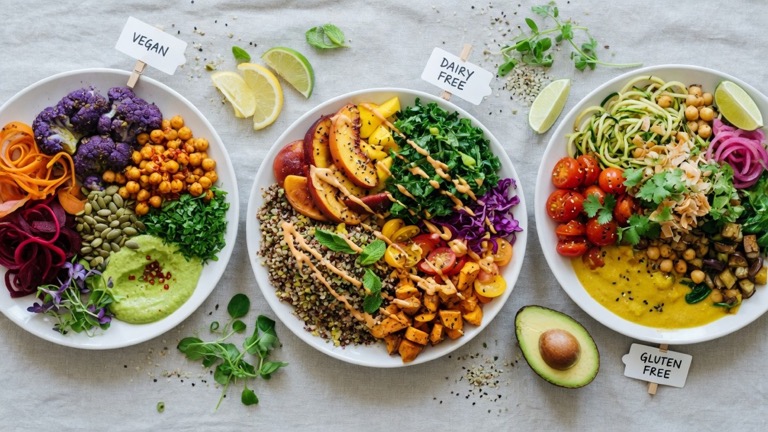
- Fruits and Vegetables: All of them! From vibrant berries to leafy greens, crunchy bell peppers to sweet potatoes. They’re packed with antioxidants and fiber.
- Lean Proteins: Chicken, turkey, fish (especially fatty fish like salmon for those amazing omega-3s), eggs, tofu, beans, lentils.
- Naturally GF Grains: Quinoa, rice (brown, white, wild), corn, millet, buckwheat, amaranth, teff. These are versatile and form a great base for many meals.
- Healthy Fats: Avocados, olive oil, nuts, seeds. Anti-inflammatory powerhouses!
When you’re first starting out, focus on these whole, unprocessed foods. This approach naturally cuts out a lot of processed junk that often contains hidden gluten and other inflammatory ingredients. You’ll feel better, faster.
Reading Labels Like a Pro
This is your superpower in the GF world! Always check ingredient lists for wheat, barley, rye, and their derivatives. Look for “gluten-free” certifications. Sometimes gluten hides in unexpected places like sauces, marinades, salad dressings, and even some medications. It’s good to be aware of ingredients like “modified food starch” or “natural flavors” which can sometimes contain gluten, although many brands now specify their source. For a deeper dive into tricky spots, check out this guide on Hidden Gluten in Medications: What Celiac Patients Need to Know.
Beyond Gluten: A Holistic Approach to Endometriosis Relief
While going GF is a fantastic step, think of it as part of a larger wellness puzzle. To truly calm the fires of endometriosis, consider these complementary strategies:
- Anti-Inflammatory Foods (Beyond GF): Load up on omega-3 rich foods like salmon, flaxseeds, and walnuts. Spices like turmeric and ginger are also brilliant anti-inflammatory warriors.
- Limit Sugar and Processed Foods: These are notorious for fueling inflammation. Cutting them back, alongside gluten, gives your body a double dose of relief.
- Hydration is Key: Water helps all your bodily systems function optimally, including detoxification and reducing bloating.
- Stress Management: Chronic stress increases cortisol, which can worsen inflammation and pain. Incorporate practices like yoga, meditation, deep breathing, or simply spending time in nature.
- Prioritize Sleep: Your body repairs and regenerates while you sleep. Aim for 7-9 hours of quality rest each night.
- Movement: Gentle exercise, like walking or swimming, can help reduce pain and improve circulation without over-stressing your body.
Remember, this journey is personal. Working with a healthcare professional (doctor, dietitian) is always a smart move to create a comprehensive plan tailored to your unique needs. They can help you monitor your progress and ensure you’re getting all the nutrients you need. The American College of Obstetricians and Gynecologists (ACOG) emphasizes individualized treatment for endometriosis, and dietary changes are often a part of this holistic approach. You can learn more about their recommendations here.
Embrace the Deliciousness: A Joyful GF Life
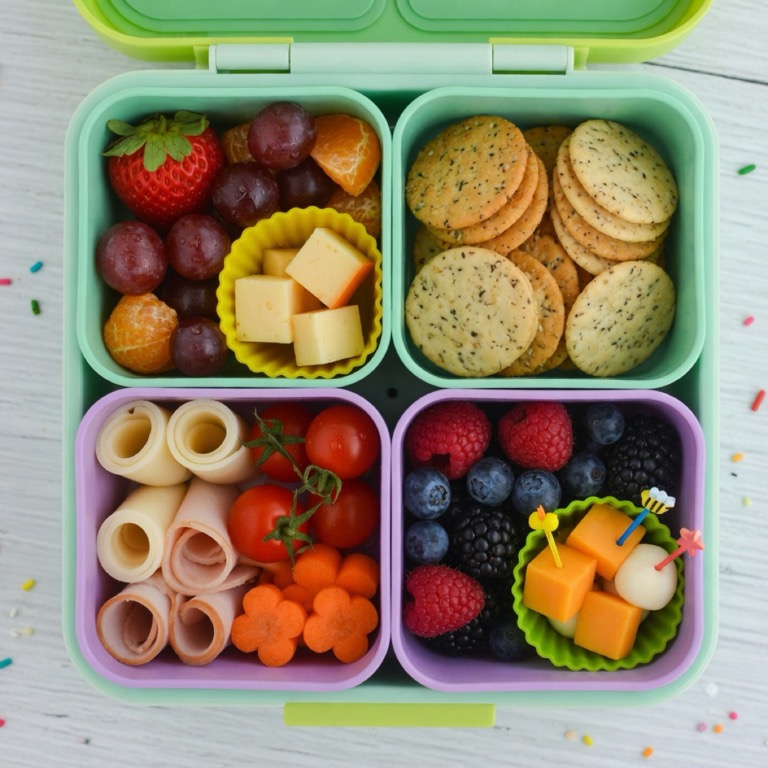
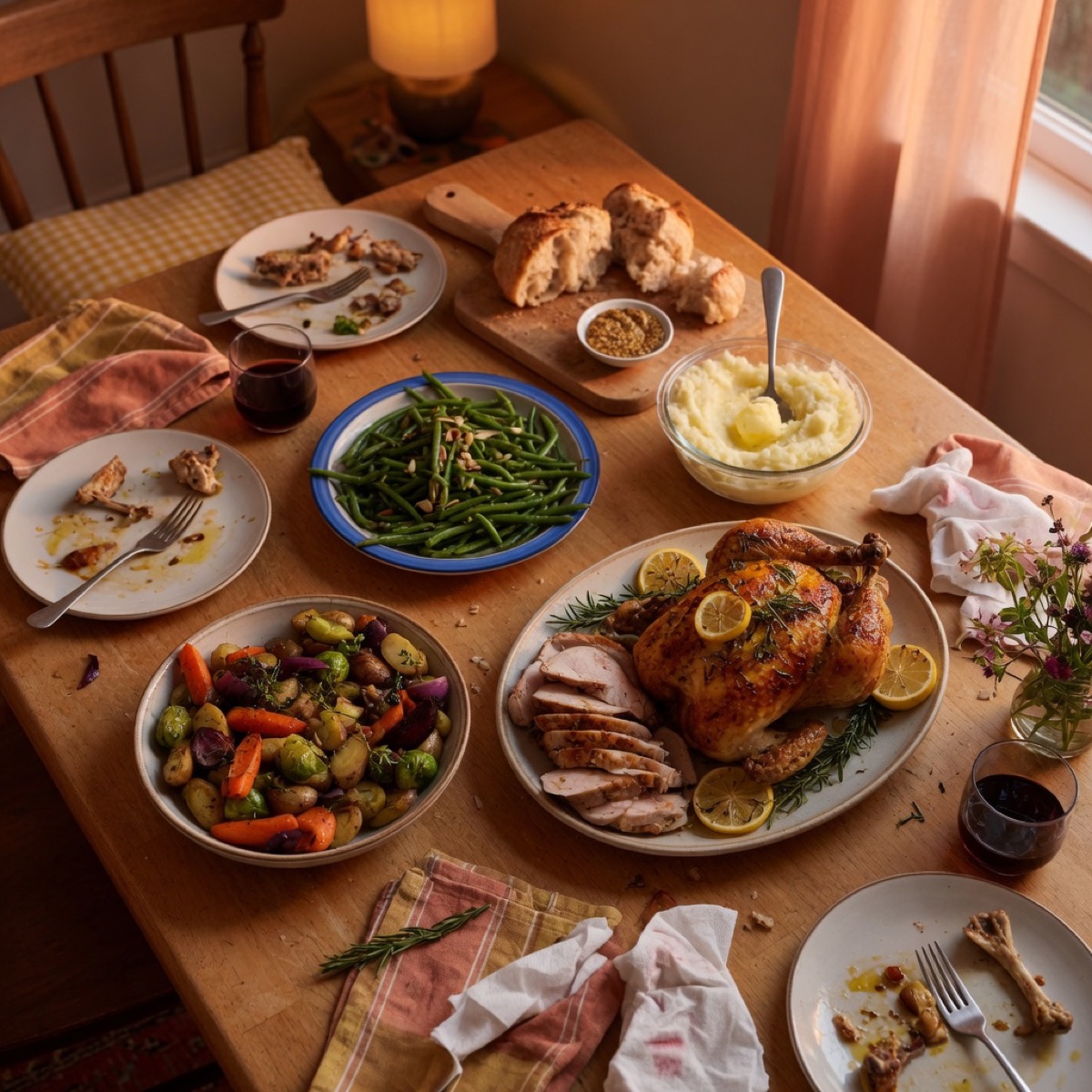
You might be thinking, “This sounds like a lot of work!” And yes, there’s a learning curve. But here’s the beautiful truth: a gluten-free lifestyle, especially one focused on whole foods, is incredibly delicious and satisfying! Think vibrant stir-fries with rice noodles, hearty lentil soups, juicy grilled chicken with roasted veggies, colorful fruit and nut bowls, or even decadent GF chocolate avocado mousse.
Explore new recipes. Try exotic GF grains. Discover the amazing variety of fruits, vegetables, and proteins available. The world of gluten-free eating is vast and full of flavor. Don’t see it as losing something; see it as gaining an opportunity to nourish your body in ways that support healing and reduce pain.
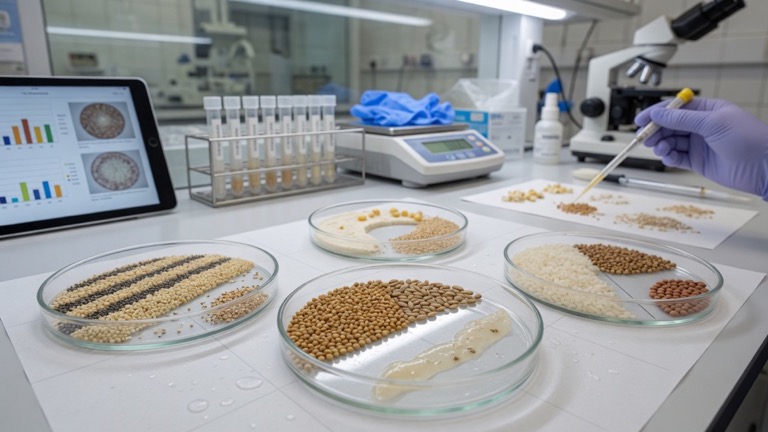
Many studies are exploring the link between diet and chronic inflammatory conditions like endometriosis. For instance, research published in journals like Reproductive BioMedicine Online continues to investigate how dietary interventions, including gluten restriction, can impact symptoms and quality of life for women with endometriosis. Here’s an example of such a study.
Your Journey to Feeling Better Starts Now
Living with endometriosis doesn’t have to mean constant suffering. By understanding the link between gluten, inflammation, and your symptoms, you can take control. Making the switch to a gluten-free diet, combined with other healthy lifestyle choices, can dramatically change how you feel. It’s an act of self-love, a commitment to giving your body the gentle care it deserves.
So, grab your shopping list, get inspired in the kitchen, and let’s turn down the volume on that inflammation. You deserve to live a life filled with energy, comfort, and joy. A delicious gluten-free life awaits!