Gluten-Free Diet for IBS: Is it the Right Solution for You? (2026)

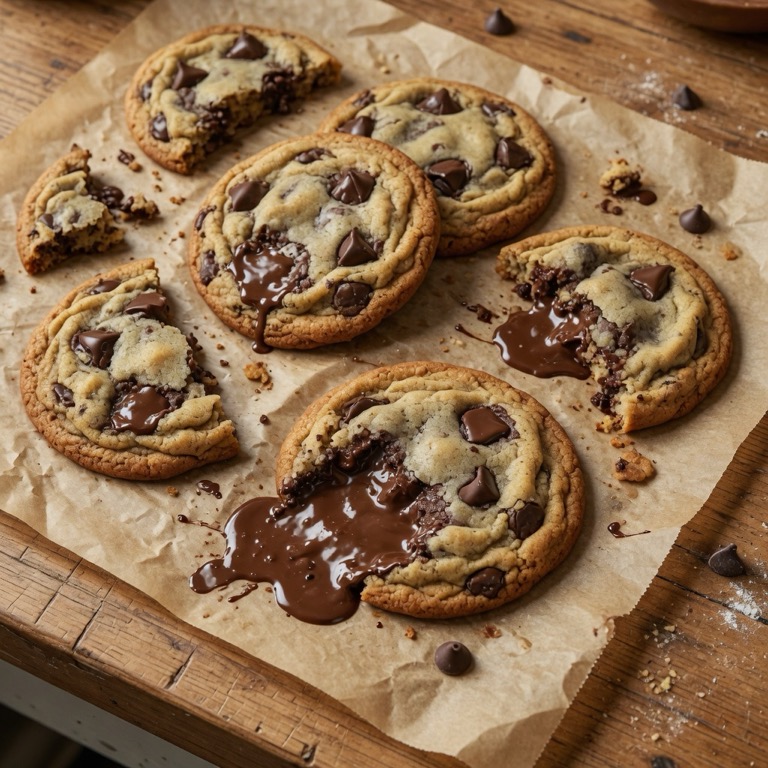
Ever feel like your gut is throwing a wild party you didn’t RSVP for? Bloating, cramping, sudden dashes to the restroom – oh, the joys of Irritable Bowel Syndrome, or IBS. It’s a tricky beast, often leaving us searching for answers, trying everything under the sun. And, let’s be real, a gluten-free diet often pops up as a potential hero in that quest. But is it *the* hero for *you*? Let’s chat about it, like friends over a perfectly baked GF cookie. We’re going to dig into the facts, cut through the noise, and help you understand if ditching gluten could be your gut’s happy dance. Remember, there’s a whole world of Gluten-Free for Special Dietary Needs out there, and IBS is a big part of that conversation.
What Exactly Is IBS?
First things first: what even *is* IBS? Picture your digestive system as a sensitive, intricate pipeline. For someone with IBS, that pipeline just isn’t getting the memo sometimes. It contracts too much, too little, or just at the wrong times. This can cause pain, gas, diarrhea, constipation (or both!), and generally make life pretty uncomfortable. It’s not a structural problem with your gut, like an ulcer or inflammatory disease, but rather a functional disorder. Meaning, doctors can’t point to a specific lesion or disease. It’s more about *how* it works (or doesn’t work so well) than what it physically *is*. And believe me, that distinction can be frustrating when you’re just trying to enjoy a meal without immediate consequences.
It’s not just one thing, either. Some folks deal primarily with constipation (IBS-C), others with diarrhea (IBS-D), and then there are the “mixed bag” crowd (IBS-M) who get both. Each type has its own particular quirks and challenges. The gut-brain axis, that superhighway connecting your brain and your digestive system, plays a massive role too. Stress? Anxiety? They can send your gut into a tailspin, literally. You can learn more about the complexities of IBS from the National Institute of Diabetes and Digestive and Kidney Diseases (NIDDK).
The Gluten Connection: More Than Just Celiac
So, where does gluten fit into this puzzle? It’s a protein found in wheat, barley, and rye. For people with Celiac Disease, gluten is an absolute no-go; it triggers an autoimmune response that damages the small intestine. We’ve talked extensively about that, and getting a proper Understanding Celiac Disease Diagnosis: A Complete Guide is step one for anyone suspecting gluten issues. But what if you don’t have Celiac, yet gluten still makes you feel awful? That’s where things get interesting, especially for IBS sufferers.
There’s a condition called Non-Celiac Gluten Sensitivity (NCGS), where folks experience symptoms similar to Celiac Disease after eating gluten, but without the intestinal damage. You can read more about it here: What is Non-Celiac Gluten Sensitivity? Symptoms & Management. For those with NCGS, the exact mechanism isn’t fully understood, but it’s clear that gluten ingestion leads to symptoms – headaches, fatigue, brain fog, and yes, digestive distress – without the specific markers of Celiac. It’s like your body is reacting, but not in the autoimmune, destructive way that Celiac does. Many people with NCGS also have IBS, making the waters a bit murky. This overlap with IBS symptoms is precisely why many IBS sufferers wonder if gluten is their personal villain.
Why a Gluten-Free Diet Might Help Some IBS Sufferers
Okay, so why might a GF diet help some folks with IBS, even if Celiac or NCGS isn’t the primary diagnosis? Here’s the scoop. Many grains that contain gluten, like wheat, are also rich in certain carbohydrates called FODMAPs. That’s short for Fermentable Oligosaccharides, Disaccharides, Monosaccharides, and Polyols. Sounds like a mouthful, right? Basically, these are types of short-chain carbs that some people have trouble absorbing. Instead of being digested, they pull water into the gut and then get fermented by gut bacteria.
Think of it like a fizzy soda experiment in your intestines. For sensitive guts (hello, IBS!), this fermentation can cause gas, bloating, pain, and changes in bowel habits. Wheat, specifically, is high in fructans, a type of FODMAP. So, if you cut out gluten, you’re often simultaneously cutting out a significant source of fructans. This might be why some people feel better on a GF diet, even if gluten itself isn’t the direct culprit. It’s a bit like removing a whole category of party crashers, not just one specific unruly guest.
Think of fructans as tiny, undigested passengers in your gut, ready to throw a fermentation party. Even small amounts can really stir things up for an irritable bowel. It’s not always the gluten protein itself, but these accompanying carbs causing the ruckus. This connection between gluten-containing grains and FODMAPs is a key reason why many IBS sufferers find relief on a GF diet, even if they don’t have Celiac Disease or NCGS. For a deeper dive into this, Monash University (the pioneers of the FODMAP diet) has some great insights on gluten and IBS.
Is a Gluten-Free Diet the Right Solution For *You*?
Now, here’s the million-dollar question: is a gluten-free diet the right solution for *your* IBS? It’s not a magic bullet for everyone with IBS. Absolutely not. While some people report dramatic improvements, others find little to no change. This is why self-diagnosis and blanket solutions just don’t work here.
Before you even *think* about going GF, you MUST rule out Celiac Disease. It’s incredibly important. Going GF before testing can make Celiac diagnosis impossible because your body needs to be exposed to gluten for the tests to be accurate. Imagine trying to find a hidden treasure after someone’s already dug it up. Also, going GF without proper guidance can sometimes mean missing out on important nutrients. Whole grains provide fiber, B vitamins, and iron. Replacing them with highly processed GF alternatives might not be doing your gut (or your overall health) any favors. Some GF packaged foods, while delicious, can be higher in sugar, unhealthy fats, and lower in fiber than their gluten-containing counterparts. It’s a common trap.
Many processed GF products rely on refined flours like rice flour, potato starch, or tapioca starch. These can be low in fiber and nutrients. Plus, they often contain gums (like xanthan gum) and other additives that can themselves be triggers for a sensitive IBS gut. It’s like replacing a potential problem with a different set of potential problems. And let’s not forget the price tag. Going GF can be an investment, both in time and money, and you want that investment to pay off in real symptom relief. Socially, it can be tough too. Navigating restaurant menus, dinner parties, and even family meals requires careful planning and clear communication. It’s a lifestyle shift, not just a diet tweak.
How to Approach a GF Trial Smartly
If you and your doctor decide a gluten-free trial is worth exploring, here’s how to do it smartly. First, commit to a strict gluten-free diet for at least 6-8 weeks. And I mean *strict*. Read every label. Be aware of cross-contamination. This isn’t a “mostly GF” situation. During this time, really focus on naturally gluten-free foods: fresh fruits, vegetables, lean proteins, healthy fats, and naturally GF grains like rice, quinoa, and oats (certified GF, of course).
Keep a detailed food and symptom diary. Note everything you eat and how you feel afterward. This intel is gold. When you keep that food diary, don’t just write ‘sandwich.’ Detail the type of bread, filling, and any sauces. Note the exact symptoms: degree of bloating (mild, moderate, severe), location of pain, urgency of bowel movements. Also, track stress levels, sleep quality, and even your mood. The more data, the clearer the picture. Plus, there’s always the possibility of a placebo effect. Feeling better because you *expect* to feel better. This isn’t to say your symptoms aren’t real, but it underscores why a structured, scientific approach (like that reintroduction phase) is so important. We want real answers, not just hopeful ones.
After the elimination phase, if you feel better, you’ll then reintroduce gluten, carefully, to see if symptoms return. This reintroduction phase is crucial. For reintroduction, pick one gluten-containing food (like a small piece of toast). Eat it, wait a few days, and observe. If no symptoms, try a slightly larger amount. If symptoms appear, stop and note it. This careful, almost scientific detective work reveals *your* triggers. Work with a registered dietitian if you can. They are gut gurus, brilliant at guiding you through this process safely and ensuring you’re getting all your nutrients.
Beyond Gluten: A Holistic View
Even if you find that going GF helps your IBS, remember that it’s often just one piece of a bigger puzzle. IBS is complex. Stress plays a massive role for many people. Sleep, exercise, and hydration are also huge players in gut health. Other food triggers can exist beyond gluten and FODMAPs. Dairy, caffeine, spicy foods, or even artificial sweeteners can be villains for some. It’s about tuning into your body’s unique signals. Think of it as being a detective for your own gut. You’re looking for clues, connecting dots, and building a personalized ‘gut happiness’ strategy. A GF diet can be an amazing tool in that strategy, but it’s rarely the *only* tool.
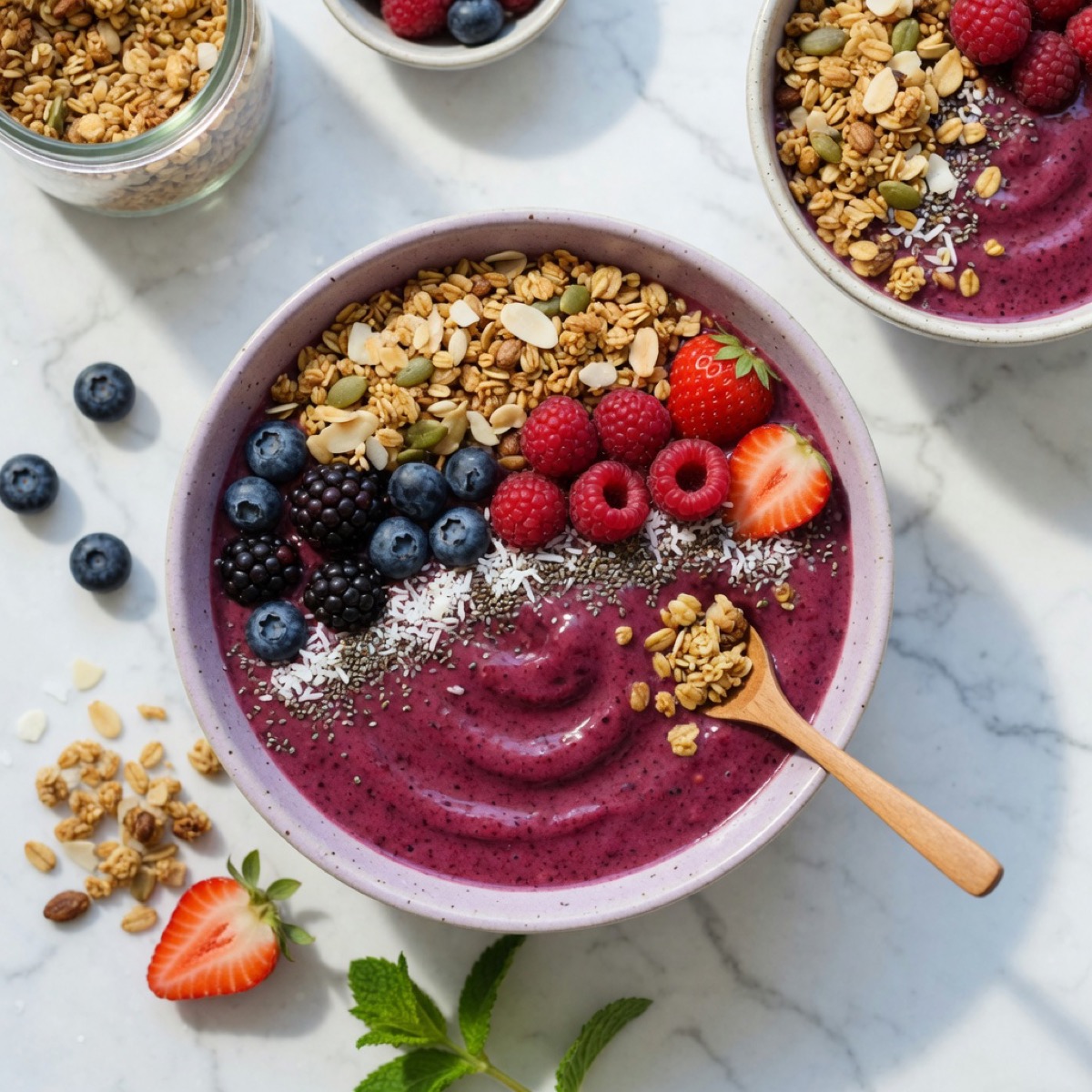
Consider mindfulness, meditation, or gentle yoga. These aren’t just trendy ideas; they can genuinely calm the gut-brain axis. Your belly listens to your brain, truly. So, what *can* you eat joyfully? Think colorful fruits (berries, oranges, bananas), a rainbow of vegetables (leafy greens, bell peppers, sweet potatoes), lean proteins (chicken, fish, eggs, tofu), healthy fats (avocado, olive oil, nuts, seeds). It’s a world brimming with flavor, I promise.
Embrace the Abundance (If GF Is Right for You!)
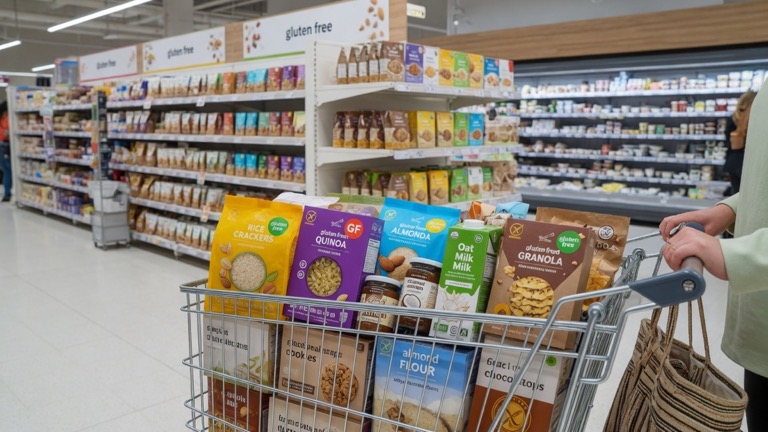
The good news? If a gluten-free diet *does* bring you relief, it’s not a sentence to boring, tasteless food. Not in 2026, my friend! The world of GF eating has exploded with incredible options. From artisan breads and pastas that genuinely taste amazing, to innovative snacks and desserts, there’s so much deliciousness to explore. Focus on what you *can* eat: fresh, vibrant produce, succulent meats and fish, creamy dairy alternatives, and an array of fascinating grains like quinoa, brown rice, gluten-free oats, millet, and buckwheat. It’s an opportunity to discover new flavors and culinary adventures. Don’t see it as deprivation; see it as an invitation to a whole new pantry of possibilities. Your gut will thank you, and your taste buds will probably be pretty thrilled too!
The Bottom Line: Don’t Guess, Get Support
So, is a gluten-free diet the right solution for your IBS? It *might* be. For some, it’s a life-changer, bringing much-needed calm to a chaotic digestive system. For others, it’s a detour that doesn’t quite lead to relief. The key takeaway? Don’t guess. Don’t self-diagnose based on internet anecdotes. Talk to your doctor, rule out Celiac Disease, and if appropriate, undertake a structured elimination and reintroduction diet, ideally with the guidance of a dietitian. Listen to your body. It’s smart, and it will tell you what it needs if you pay attention. Here’s to finding your gut’s happy place, one delicious, informed bite at a time. And remember, exploring solutions for IBS is part of the larger journey toward finding what truly works for your body when it comes to Gluten-Free for Special Dietary Needs.