The Benefits of a Healthy Gluten-Free Diet (Beyond Symptom Relief) (2026)


Alright, my gluten-free friends, let’s chat. For so many of us, going GF starts with a gut feeling, literally. Maybe you experienced some unpleasant symptoms, maybe you finally got a diagnosis of celiac disease or gluten sensitivity, and suddenly, a whole new world opened up. Relief! Less bloating, fewer aches, more regular trips to the bathroom (hooray!). And that’s fantastic, truly. Feeling better is the first, most wonderful reward.
But what if I told you the benefits of embracing a truly healthy gluten-free lifestyle stretch far, far beyond just ditching the discomfort? What if stepping away from gluten, especially when you do it mindfully, is actually an invitation to a whole new level of well-being? It’s not just about what you’re cutting out, but about what you’re inviting in. If you’re curious about the bigger picture, and perhaps even what gluten is and why it’s harmful to some, check out our guide on Understanding Gluten-Free for a solid foundation.
Today, we’re diving into the delicious world of how a healthy GF diet can totally transform your body and mind, giving you perks you might not have even considered. Think of it like this: you thought you were just fixing a leaky faucet, but you actually renovated the whole kitchen. Pretty sweet deal, right?
Beyond the Bellyache: A Happier Gut, A Healthier You
Let’s get real for a sec. Our guts are like a bustling city, full of tiny residents (microbes!) all working hard. When gluten, particularly for those with sensitivities or celiac disease, causes inflammation, it’s like a constant traffic jam in that city. Things slow down, roads get damaged, and important deliveries (nutrients) don’t make it to their destinations. This can lead to a condition called “leaky gut” (intestinal permeability), where the gut lining becomes more porous than it should be, letting unwanted stuff into your bloodstream.
When you go truly GF, especially with a focus on whole, unprocessed foods, you’re essentially clearing that traffic jam. The inflammation calms down. Your gut lining gets a chance to heal, making it less “leaky.” This means better nutrient absorption. You’re finally getting the good stuff from your food, and your body can actually use it. Plus, a healthier gut environment often means a more balanced microbiome, the fancy term for all those gut bugs. A diverse, happy microbiome is key for everything from immunity to mood. Who knew changing your breakfast could have such a profound impact?
Sustained Energy & Razor-Sharp Focus: Brain Food, Literally
Remember those post-lunch slumps? The kind where you feel like you need a nap, or just want to stare blankly at your screen? For many, gluten can contribute to these energy dips and brain fog, especially if it’s causing underlying inflammation. When your body is constantly fighting an inflammatory response, it uses up precious energy that could be powering your brain and muscles.
Switching to a healthy GF diet, rich in nutrient-dense foods (think vibrant veggies, lean proteins, healthy fats, and naturally GF whole grains), can stabilize your blood sugar levels. No more wild spikes and crashes after a bagel! This sustained energy flow means you feel more awake, more focused, and ready to tackle your day. Many people report improved mental clarity, better concentration, and even a lift in mood. It’s like switching from a sputtering old engine to a smooth, efficient electric car for your body and brain. You’re simply running better.
And let’s talk about the brain-gut connection. It’s real, folks! A healthy gut sends happy signals to your brain, and that means better cognitive function. Imagine approaching your tasks with a clearer head, less mental fuzz. That’s a game-changer for your productivity and overall enjoyment of life. This is one of the more subtle benefits that truly shines through once you’ve been GF for a while.
Calming the Storm: Reduced Inflammation & Stronger Immunity
If gluten is a trigger for your body, it often means your immune system is working overtime, constantly sending out inflammatory signals. This chronic inflammation isn’t just uncomfortable (hello, joint pain!). It’s also linked to a whole host of more serious health issues over time, from autoimmune conditions to heart disease. It’s like having your body’s alarm system stuck in the “on” position, even when there’s no fire.
By removing gluten, you’re essentially turning off that alarm. Your immune system can finally calm down and focus on its actual job: protecting you from real threats, like colds and flu. A healthy GF diet often naturally includes more anti-inflammatory foods, too. Think colorful berries, leafy greens, fatty fish, and turmeric. These powerhouses further help to quell inflammation throughout your body, creating a more harmonious internal environment.
Many individuals find that their general aches and pains decrease, their skin clears up, and they just feel generally more robust. It’s not magic, it’s just your body finally getting the chance to hit the reset button. For more on how this all ties together, and if you’re still not sure if gluten is an issue for you, understanding Common Symptoms of Gluten Intolerance You Shouldn’t Ignore can be super helpful.
The Mood Booster: Less Anxiety, More Zest for Life
Did you know there’s a strong connection between your gut health and your mental well-being? It’s often called the “second brain” for a reason! The gut produces many of the neurotransmitters (chemical messengers) that influence our mood, including a significant amount of serotonin, our “feel-good” chemical. So, if your gut is inflamed and unhappy, your brain can feel it.
For some people, gluten sensitivity can even manifest as anxiety, depression, or irritability. When you remove the irritant and heal your gut, many report a noticeable improvement in their mood, a reduction in anxiety, and a greater sense of calm. It’s not a cure-all, of course, but feeling physically better, with less digestive distress and more stable energy, certainly contributes to a more positive outlook on life. Imagine waking up feeling genuinely refreshed and ready to smile, rather than dreading the day with a knot in your stomach.
It’s a powerful reminder that what we eat truly affects how we feel, both physically and emotionally. Taking control of your diet can feel incredibly empowering, and that sense of agency can significantly uplift your spirits. In fact, research continues to explore the profound impact of diet on mental health, with growing evidence supporting the benefits of anti-inflammatory diets like a well-planned GF approach. You can read more about the growing field of nutritional psychiatry and its findings on various mental health conditions at reputable sources like Harvard Health here.
The “Happy Plate” Effect: A Journey of Culinary Discovery
This might be the most fun benefit of all! For many, going GF initially feels restrictive. “What CAN I eat?!” is the first thought. But the truth is, it often forces you to diversify your diet in the best possible way. You start looking beyond the usual wheat-based staples and discover a whole world of naturally gluten-free foods.
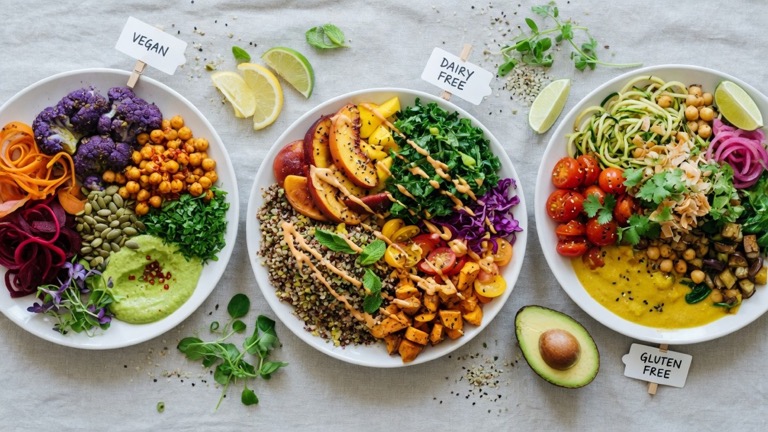
Suddenly, you’re exploring ancient grains like quinoa, millet, and amaranth. You’re experimenting with root vegetables you never knew existed. Your plate becomes a rainbow of fresh produce, lean proteins, healthy fats, and legumes. You’re cooking more at home, reading labels more carefully, and becoming a true food detective. This journey often leads to a diet that is inherently more varied, less processed, and packed with a wider array of vitamins, minerals, and fiber.
This isn’t just about what’s on your plate, but the joy of discovery! You might find new favorite ingredients, new recipes, and even new ways to connect with food. It’s an opportunity to get creative in the kitchen and truly nourish your body with wholesome, delicious meals. The focus shifts from what you “can’t” have to the abundance of what you *can*. And trust me, that abundance is exciting!
Think about it: before going GF, how often did you cook with plantains? Or bake with almond flour? This lifestyle encourages a delightful expansion of your culinary horizons. This exploration is often a natural side effect of having to be more intentional about your food choices. The shift in perspective from “limitation” to “opportunity” can make a massive difference in your enjoyment and adherence to the diet.
Making the Shift for the Long Haul
It’s clear that a healthy gluten-free diet offers incredible benefits far beyond just alleviating initial symptoms. We’re talking about a positive cascade of effects, from a happier gut and sharper mind to a calmer immune system and an adventurous palate. But remember, the key word here is “healthy.” Simply swapping wheat bread for GF bread that’s loaded with refined starches and sugar isn’t going to cut it. Focus on whole, unprocessed foods as the foundation of your diet.
For instance, one crucial aspect of healthy eating, GF or otherwise, is ensuring you get enough fiber. Many traditional GF products can be surprisingly low in fiber, so it’s essential to proactively include fiber-rich, naturally GF foods like fruits, vegetables, legumes, and whole GF grains. This helps maintain digestive health, regulates blood sugar, and supports that happy microbiome we talked about earlier. Learning to read labels for fiber content, or simply prioritizing whole foods, is a powerful habit to build. For some general dietary guidelines, the Dietary Guidelines for Americans provides robust, evidence-based advice that can be adapted to a GF framework, available on sites like the USDA here.
Whether you’ve been GF for years or you’re just starting to explore this path, I hope this post inspires you to lean into the positive aspects of this lifestyle. It’s not just about avoiding something; it’s about embracing a vibrant, energetic, and genuinely delicious way of eating that supports your entire well-being. So, go ahead, fill your plate with colorful, wholesome, naturally GF goodness. Your body (and your mind!) will thank you for it.