Preventing Cross-Contamination in Your Gluten-Free Kitchen (2026)

It’s a beautiful morning, isn’t it? Maybe you’re sipping a coffee, dreaming of perfectly toasted GF bread (yes, it exists, and it’s delightful!) or planning your next delicious meal. Living gluten-free is a journey, and honestly, it’s one filled with incredible flavors, newfound wellness, and a vibrant community ready to share tips and triumphs. But let’s be real, there’s one topic that often whispers (or sometimes shouts!) in the back of our minds: cross-contamination. It can feel like a big, scary monster under the bed, can’t it?
But here’s the secret: it’s not a monster. It’s a challenge we can absolutely conquer with a little knowledge, a dash of strategy, and a whole lot of kitchen confidence. This isn’t about fear or limitation. This is about setting yourself up for success, protecting your well-being, and truly enjoying every single safe, delicious bite. Think of me as your kitchen coach, ready to help you create a joyful, secure space for all your GF culinary adventures. Understanding how to manage your kitchen is a huge, empowering step in feeling truly confident on your Understanding Gluten-Free path.
What Exactly *Is* Cross-Contamination?
Okay, let’s demystify this term. Basically, cross-contamination is when gluten-containing foods or tiny particles accidentally transfer to your safe, gluten-free items. Imagine a bag of regular flour exploding in the pantry, or a crumb from a wheat cracker falling onto your GF cookie. It’s like glitter at a kids’ party – once it’s out, it gets everywhere! And even a minuscule amount, something you might not even see, can trigger significant issues for someone with celiac disease or a serious gluten sensitivity. We’re talking about those sneaky crumbs hiding in the toaster, flour dust floating invisibly in the air, or even residue clinging to a shared cutting board or a spoon that dipped into both the regular and GF jam. It’s an invisible enemy sometimes, but we can make it visible with awareness.
Why Does This Matter So Much?
This is a super important question, and understanding the ‘why’ makes the ‘how’ much easier to embrace. For most folks, a little speck of flour might seem insignificant. No big deal, right? But if you’re living GF, especially due to celiac disease, your body sees that speck as a giant, blaring red flag. Even microscopic amounts of gluten (often less than 20 parts per million, the generally accepted safe threshold for products labeled gluten-free in many countries) can provoke an immune response. This isn’t just about feeling a bit “off.” This immune reaction can lead to uncomfortable, disruptive symptoms like digestive distress, brain fog, skin issues, and debilitating fatigue. Plus, for individuals with celiac disease, repeated exposure to gluten, even tiny bits, can lead to long-term damage to the small intestine, hindering nutrient absorption and potentially causing other health complications. It’s not simply about avoiding discomfort. It’s genuinely about protecting your long-term health and vitality. Many individuals dealing with conditions like celiac disease or those exploring The Link Between Gluten and Autoimmune Diseases often find meticulous cross-contamination prevention absolutely vital for their well-being.
Creating Your GF Sanctuary: The Dedicated Zone
Alright, let’s talk strategy. If you share a kitchen with non-GF eaters, or even if you live alone but sometimes bring in gluten-containing foods, creating a “dedicated GF zone” is your secret weapon. This isn’t about building a literal force field, but about smart, consistent organization that gives you peace of mind.
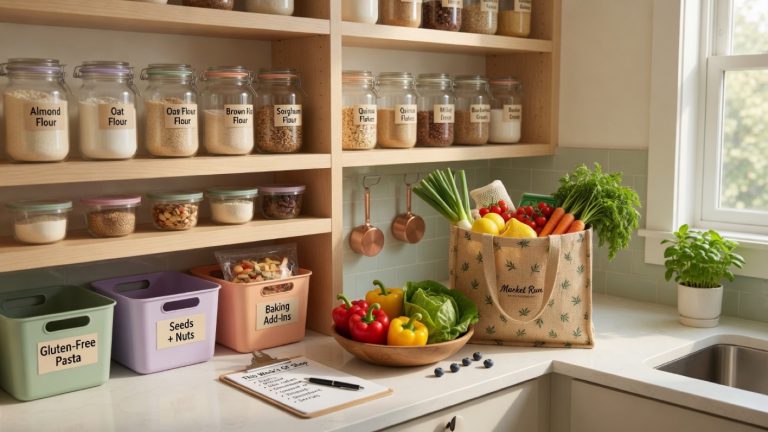
- Designate a Shelf or Cabinet: Pick a high-up shelf, a specific cabinet, or even a pantry drawer just for your GF goodies. Your GF flours, pastas, cereals, snacks, crackers – they all get their own VIP section. This strategy is genius because it prevents airborne flour from settling onto your items. It also drastically reduces the chances of someone accidentally grabbing the wrong bread or cereal when they’re half-asleep. Imagine the calm of knowing your go-to snacks are always safe.
- Separate Prep Area: If you have the luxury of space, designate a specific counter area as “GF-only.” It’s an ideal scenario. If not, don’t fret! Simply make it a habit to thoroughly clean a section of your counter *before* you start any GF cooking. We’re talking a good, hot, soapy wipe-down, like you’re removing all traces of a crumb crime scene. This simple ritual makes a huge difference.
The Clean-Up Crew: Sponges, Cloths, and Surfaces
This might seem like a basic chore, but in the GF kitchen, it becomes a mighty line of defense. The tools you use for cleaning can become carriers themselves, if you’re not careful.
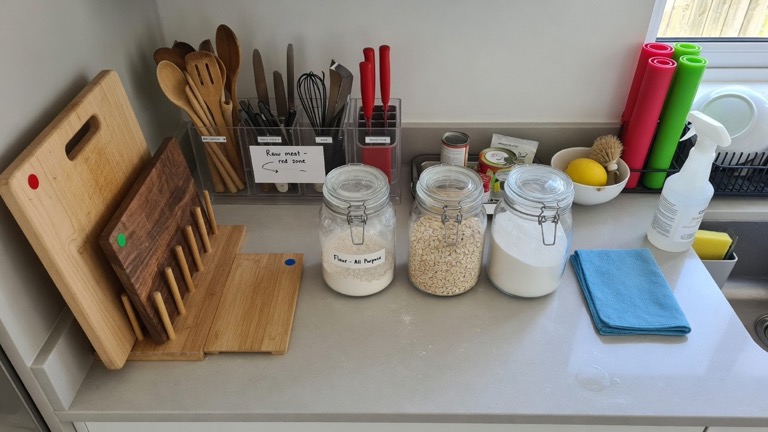
- Dedicated Sponges/Dishcloths: This is a non-negotiable! Get different colored sponges or dishcloths. Perhaps a bright yellow one for GF dishes, and a blue one for everything else. No mixing. Ever. These porous materials can trap gluten particles, and unknowingly wiping down your GF plate with a gluten-laden sponge is like inviting trouble to dinner.
- Hot Water and Soap Are Your Best Friends: Always, always wash surfaces (especially counters, sinks, and stovetops) with hot, soapy water before and after GF meal prep. Don’t underestimate the power of good old-fashioned scrubbing. For extra peace of mind, a quick spritz of an all-purpose cleaner might also be used on non-porous surfaces.
- Scrub Brushes and Bottle Cleaners: If you use scrub brushes for pots and pans, make sure you have a GF-only brush. The same goes for bottle brushes if you clean water bottles or travel mugs. Gluten can hide in those bristles! Again, color-coding them is a brilliant visual cue.
Utensil Wisdom: Spoon, Spatula, Success!
Just like sponges, your cooking and eating utensils can easily carry gluten from one food to another. This is especially true for shared serving situations.
- Separate Sets: Ideally, have a separate set of cooking utensils – spatulas, stirring spoons, whisks, tongs – specifically designated for GF use. Keep them stored in your GF zone, perhaps in a separate drawer or a dedicated utensil crock. Wooden spoons, in particular, are notorious for absorbing food particles, so a GF-only wooden spoon (or better yet, silicone or metal) is a smart choice.
- Serving Utensils: This point is absolutely crucial at shared meals or buffets. Never, ever use the same serving spoon for a regular pasta dish and then for your GF pasta, or for the regular stuffing and then your safe roasted vegetables. A single dip is all it takes to contaminate. If sharing food, have clearly marked GF serving utensils ready.
- Colanders and Sieves: A colander that has drained regular wheat pasta is almost certainly coated in gluten particles. Get a dedicated GF one. The same applies to sieves for sifting flour. These items are tough to clean thoroughly enough to guarantee no trace of gluten remains.
Cutting Boards: Your GF Hero
Oh, cutting boards. These unassuming kitchen workhorses are stealthy gluten traps. Their surfaces, especially wood, can hold onto microscopic food particles even after washing.
- Plastic or Glass is Best: Wooden cutting boards are notorious for trapping particles in their grooves and pores. If you absolutely love wood, ensure you have one that is strictly GF-only and committed to meticulous cleaning (hot, soapy water, sanitizing solution). However, plastic or glass boards are generally easier to clean thoroughly and less likely to harbor hidden gluten.
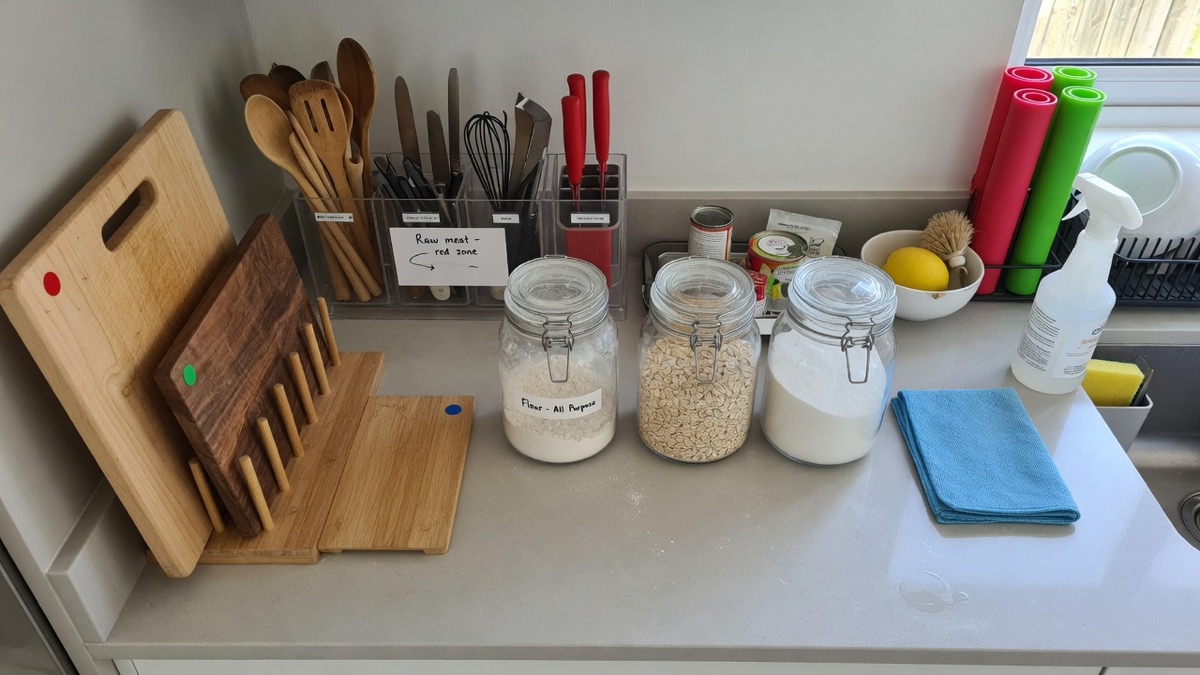
- Color-Code Them: Guess what? Color-coding comes to the rescue again! A bright green board for GF vegetables, a pristine white one for GF meats, and maybe a brown one for any non-GF items. This simple visual cue makes it incredibly easy for everyone in the kitchen to grab the right board every time. For instance, the Food Safety and Inspection Service (FSIS) recommends separate cutting boards for raw meats and produce to prevent bacterial cross-contamination, a principle that applies perfectly to gluten prevention too. You can find more practical advice on kitchen hygiene from reputable sources like the Food Safety.gov Kitchen Companion.
Toaster Talk: The Ultimate Crumb Catcher
This is perhaps one of the most common and frustrating cross-contamination culprits in a shared kitchen. Toasters are literally designed to capture crumbs, making them a gluten minefield.
- Dedicated Toaster: The absolute best solution. Toasters are crumb factories, and those little gluten shards are practically cemented in. Invest in a small, inexpensive GF-only toaster. Keep it in your GF zone. It’s a simple purchase that provides immense peace of mind.
- Toaster Bags: If a dedicated toaster isn’t feasible due to space or budget, toaster bags offer a decent alternative. These reusable, heat-safe pouches fully enclose your GF bread, keeping it separate from any gluten crumbs lingering in a shared toaster. Just be sure the bags themselves are perfectly clean before each use.
Condiments & Spreads: A Sticky Situation
Think about the typical flow of a knife or spoon: it goes into a jar (say, butter or jam), spreads on regular bread, and then, perhaps inadvertently, goes back into the jar for another scoop. Uh oh. That’s a direct gluten delivery system.
- Dedicated Jars: This is where dedicated containers are your champions. Small tubs of butter, peanut butter, cream cheese, jam, mayonnaise, or even dips should be exclusively for the GF person. Label them clearly with “GF” or your name. This way, no one accidentally double-dips with a gluten-laden utensil.
- Squeeze Bottles: For things like mustard, ketchup, or even pancake syrup, squeeze bottles are your trusty sidekicks. No dipping needed, no shared surfaces. Just squeeze and enjoy!
Frying & Baking: Oil and Flour Power
These particular culinary activities require an extra layer of vigilance, as gluten can spread rapidly through airborne particles or shared cooking mediums.
- Deep Fryers: If you have a deep fryer (or even an air fryer), never, ever use the same oil or basket for both gluten-containing items (like breaded chicken, onion rings, or donuts) and your precious GF items (like GF fries or chicken tenders). Dedicated oil, dedicated fryer, or at the very least, a thoroughly cleaned basket and fresh oil for GF cooking, is the only way to go.
- Baking Sheets & Pans: When baking GF items, always line baking sheets with parchment paper or aluminum foil, especially if those sheets have ever been used for gluten-containing foods like regular cookies or rolls. Better yet, get a dedicated GF cake pan, muffin tin, or baking sheet. Residual flour or crumbs can easily stick to these surfaces.
- Flour Dust: This is the invisible culprit! When baking with GF flours, try to do it when no regular flour is flying around in the kitchen. Regular wheat flour is incredibly fine and can stay airborne for a surprising amount of time, settling on surfaces and even into open containers. GF flours, by the way, behave differently. They have unique textures and hydration needs precisely because they lack gluten, the protein network that gives wheat structure. This makes their own dedicated, clean space even more important.
Storage Savvy: Keeping Your Goodies Safe
Once you’ve lovingly prepared your GF meal, proper storage becomes the final step in preventing any last-minute contamination.
- Label Everything: If you meal prep or have leftovers, get into the habit of labeling your GF dishes clearly. A simple “GF” sticker, a brightly colored lid, or even just a permanent marker note on the container can save a lot of worry and prevent accidental mix-ups, especially in a shared fridge.
- Separate Containers and Shelves: Always store GF leftovers in their own airtight, sealed containers. In a shared fridge or pantry, ideally, give your GF items their own shelf. If that’s not possible, store them above any non-GF items. Why? Because crumbs or liquid from gluten-containing foods could potentially drip down onto your safe food. It’s a small detail, but it matters!
Grocery Shopping & Smart Food Prep Habits
Prevention really starts even before you step into the kitchen. Your habits outside the cooking space make a huge difference too.
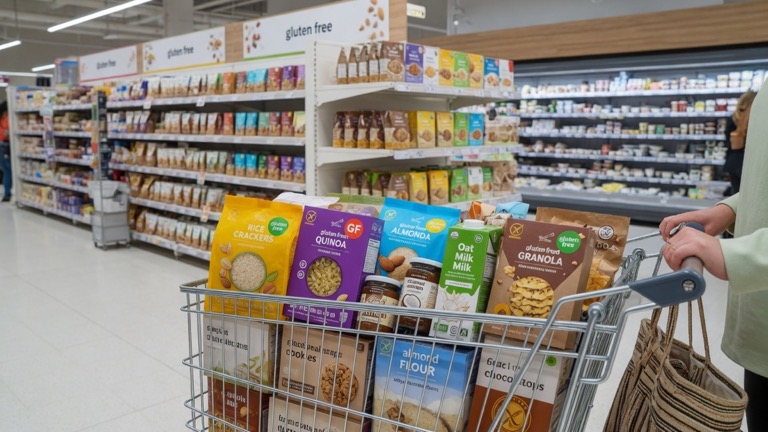
- Read Labels Meticulously: This is truly your superpower! Always check ingredient lists, even on products you buy regularly, as formulations can change. Be on the lookout for hidden gluten ingredients (things like malt, dextrin, hydrolyzed vegetable protein, or even “natural flavors” that might contain gluten). Knowing how to read food labels, really understanding them, is absolutely essential for Identifying Hidden Gluten Ingredients.
- Order of Operations: When cooking a mixed meal (some GF, some not), establish a smart order of operations. Prepare all your GF components first. Clean your area thoroughly. Cook your GF food using dedicated utensils. Only then move on to preparing and cooking the gluten-containing dishes. This minimizes the risk of transferring anything from the non-GF prep to your safe food.
Dining Out and Social Situations (A Quick Word)
While this post focuses on your home kitchen, the principles of preventing cross-contamination naturally extend to dining out and social gatherings. When eating at a restaurant, always communicate your needs clearly and directly. Don’t be afraid to ask questions about how food is prepared, if separate fryers are used, or if staff are trained in celiac-safe food handling. Look for restaurants that specifically mention “gluten-free options” versus “celiac-friendly” – the latter often indicates a higher understanding of cross-contamination. At social gatherings or potlucks, the safest bet is often to bring your own delicious GF dish, or confirm directly with the host about their prep methods, explaining your needs kindly but firmly. Your health is absolutely worth advocating for, and most hosts will appreciate the clear communication.
You Got This!
Whew! That might sound like a lot of information, I know. But here’s the beautiful truth: think of it less as a restrictive list of rules and more as a powerful toolkit for delicious freedom. Once you establish these habits, they quickly become second nature. You’ll move around your kitchen with confidence, knowing every meal you prepare is safe, nourishing, and totally delicious. Living gluten-free is an incredible opportunity to explore amazing new foods, rediscover classic dishes with a GF twist, and become an even more mindful, skilled cook. Embrace the journey. Enjoy the abundance. Your GF kitchen isn’t just a place to cook; it’s a place of joy, flavor, and unwavering wellness!