Gluten-Free Alternatives for Your Favorite Foods: Bread, Pasta, and More (2026)

Oh, my friend, have you ever stared longingly at a crusty baguette or a heaping bowl of creamy pasta, a little sigh escaping as you think, “Those days are gone for me”? I get it. Truly, I do. The initial leap into gluten-free eating can feel a bit like saying goodbye to old, delicious friends. You might think your culinary landscape will become a barren desert of sadness. But let me tell you, that simply isn’t the delicious truth!
I’m here to tell you that going GF isn’t about deprivation. It’s about discovering a whole new world of incredible flavors and textures. It’s about abundance, innovation, and yes, still enjoying all your favorite foods. Just with a little gluten-free magic! Think of me as your culinary tour guide, ready to show you how to swap out those gluten-containing staples for equally, if not *more*, delightful alternatives. If you’re still curious about the basics, go check out Understanding Gluten-Free for a solid foundation. But right now, let’s dive into the delicious details!
The Mighty GF Loaf: Your Bread Basket, Reimagined
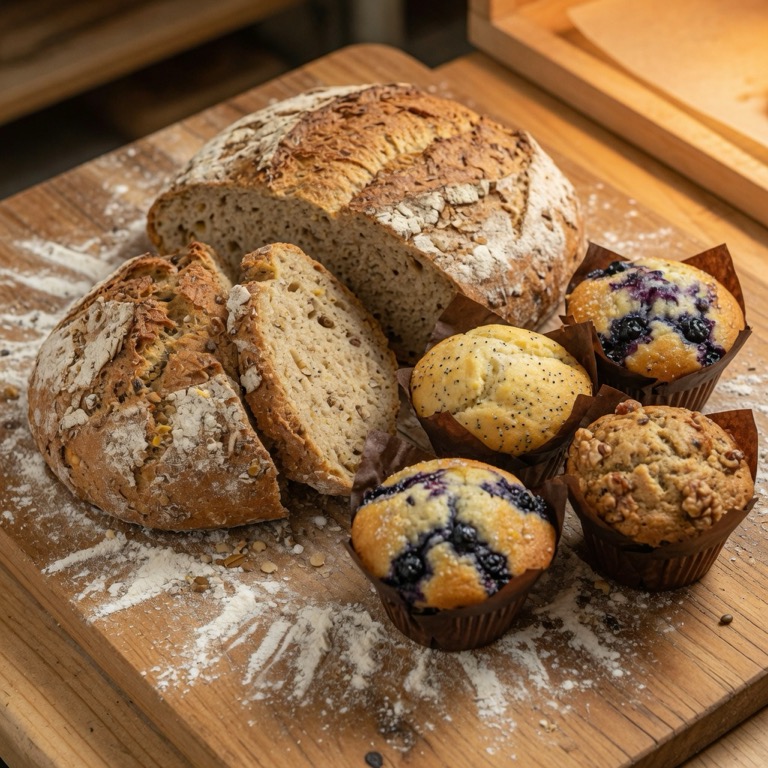
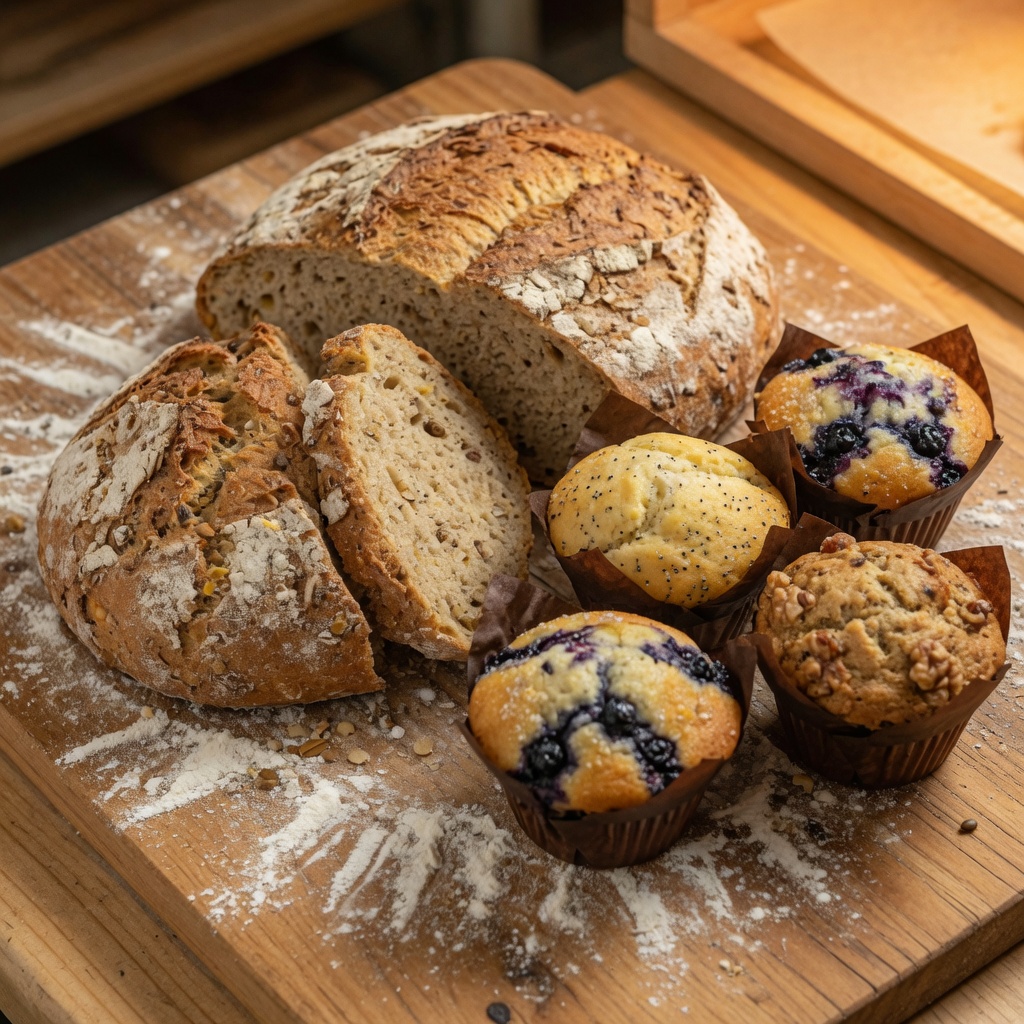
Bread. It’s a foundational food for many, isn’t it? The perfect vehicle for avocado toast, the essential hug for a sandwich, the comforting sidekick to a bowl of soup. When you first go GF, store-bought gluten-free bread can be… well, an experience. Sometimes dry, sometimes crumbly, sometimes suspiciously small. But things have changed. A lot.
Today’s GF bread scene is vibrant. Companies have listened. They’ve improved recipes, experimented with new flour blends, and gotten really, really good at making bread that actually holds up.
Flour Power: What Makes GF Bread Tick?
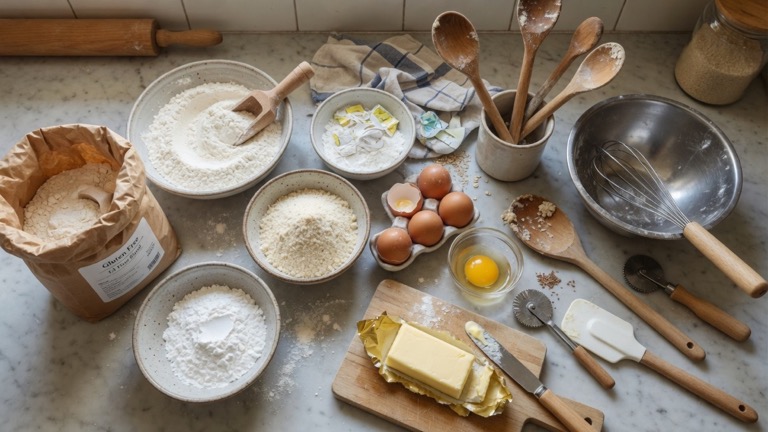
The secret to good GF bread lies in its flour blend. Gluten, that magical protein in wheat, barley, and rye, gives bread its elasticity and structure. Without it, you need a clever mix of different flours and starches to mimic that texture.
Common GF flours you’ll find in your bread:
- Rice Flour (White and Brown): A staple, offering structure and a neutral flavor. Brown rice flour adds a bit more fiber.
- Tapioca Starch: Gives chewiness and helps with browning. It’s like the glue that holds things together without being sticky.
- Potato Starch: Adds lightness and softness.
- Corn Starch: A great thickener and provides tenderness.
- Millet and Sorghum Flours: These ancient grains bring a lovely, slightly nutty flavor and a good crumb. Plus, they’re nutrient powerhouses.
- Almond Flour: Adds richness, moisture, and protein. Great for denser breads or sweeter loaves.
Many commercial GF breads use a mix of these, plus ingredients like xanthan gum or psyllium husk to provide that “stretch” and prevent crumbling.
Finding Your Loaf
Don’t be afraid to experiment with different brands! Some are amazing for toast, getting perfectly crispy edges. Others hold up beautifully in a sandwich. Look for brands in the freezer aisle; freezing often helps maintain freshness and texture. And if you’re feeling adventurous, baking your own GF bread can be incredibly rewarding. It fills your kitchen with the best smell, and you control every ingredient. Just make sure to use a dedicated GF recipe, as ratios are different from traditional baking.
Pasta, Please! A GF Noodle Nirvana
Who doesn’t love pasta? It’s the ultimate comfort food, a blank canvas for delicious sauces. For many, the thought of giving up pasta is a non-starter. But guess what? You absolutely don’t have to! The GF pasta world has had a glow-up, my friends.
Your Gluten-Free Noodle Options
The days of gummy, falling-apart GF pasta are largely behind us. Now, you have fantastic options, each with its own charm:
| Type of GF Pasta | What It’s Made From | Texture & Taste | Best For… |
|---|---|---|---|
| Rice & Corn Blend | White rice flour, brown rice flour, corn flour | Closest to traditional wheat pasta, good chew | Any classic pasta dish, holds sauce well |
| Legume-Based | Chickpea flour, red lentil flour, green lentil flour | Slightly firmer, earthy flavor, higher protein | Hearty sauces, cold pasta salads, adding protein boost |
| Quinoa-Based | Quinoa flour, often blended with rice flour | Good bite, mild nutty flavor | Pesto, veggie-packed dishes, lighter sauces |
| “Vegetable” Noodles | Zucchini, spaghetti squash, sweet potato | Crisp (zucchini) to tender (squash), fresh veggie taste | Lighter meals, low-carb options, pairing with creamy sauces |
Here’s a pro tip for GF pasta: *don’t overcook it!* Seriously. It can go from perfectly al dente to mush in a blink. Follow package directions, or even slightly undercook it if you plan to toss it in a hot sauce later. This way, you maintain that satisfying chew.
If you’re wondering why some people need these alternatives in the first place, it’s because for some, gluten can be quite harmful, leading to conditions like Celiac Disease. You can learn more about What Exactly Is Gluten and Why Is It Harmful to Some? if you’re curious about the science.
Sweet Treats and Savory Bites: Beyond Bread and Pasta
Gluten goes beyond just bread and pasta, hiding in many unexpected places. But don’t you worry. We’ve got delightful alternatives for nearly everything!
Baking Bliss: Cakes, Cookies, and Muffins
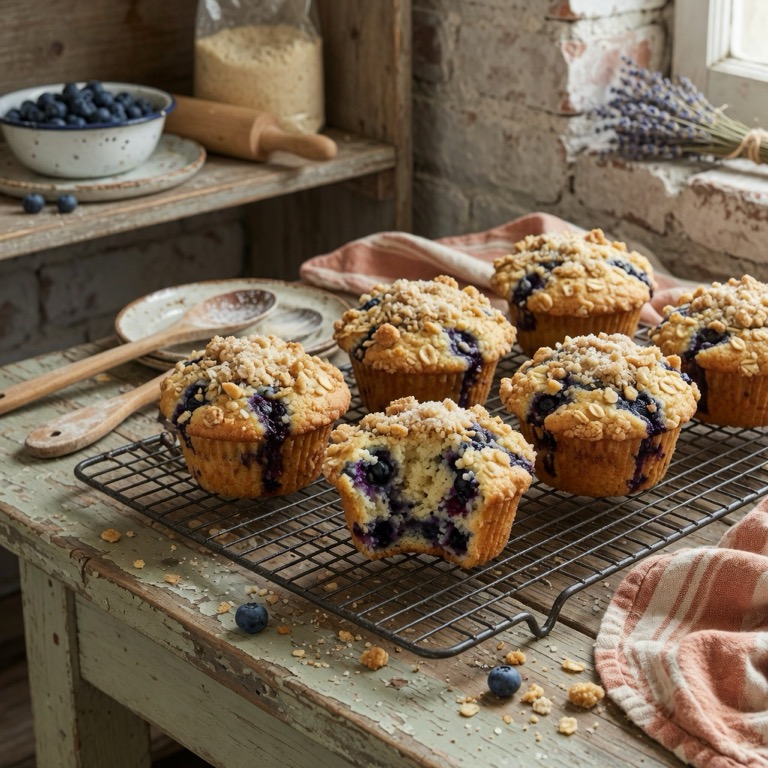
Baking GF requires a bit of a learning curve because gluten usually provides structure. But with the right flours and a little patience, you can create truly spectacular desserts.
* All-Purpose GF Flour Blends: These are your best friends. They usually contain a mix of rice flour, sorghum flour, potato starch, and tapioca starch, often with xanthan gum added for elasticity. They’re designed to be a direct swap in many recipes.
* Single-Ingredient Wonders: Almond flour and coconut flour are fantastic for baking. Almond flour creates moist, tender cakes and cookies. Coconut flour is super absorbent, so you need much less of it, but it adds a lovely texture and subtle sweetness.
* Certified GF Oats: Yes, oats are naturally gluten-free, but they’re often processed on shared equipment, leading to cross-contamination. Always look for “certified gluten-free” oats for safe baking. They make wonderful cookies, crumbles, and even hearty GF bread!
Sauces, Soups, and Thickeners: The Hidden Culprits
Gluten often sneaks into sauces, soups, and gravies as a thickener or in flavorings. But swapping it out is incredibly easy.
* Thickeners: Instead of wheat flour, use cornstarch, tapioca starch (also called tapioca flour), or arrowroot powder. Mix them with a little cold water first to create a slurry before adding to hot liquids, preventing lumps.
* Soy Sauce: Traditional soy sauce contains wheat. Opt for tamari, which is always gluten-free.
* Broths and Bouillon: Always check labels! Many brands contain hidden wheat. Look for “GF” certified options.
* Spice Blends: Sometimes anti-caking agents or fillers in spice blends can contain gluten. Stick to pure spices or certified GF blends.
Pizza and Fried Favorites
Oh, pizza. That perfectly crispy, chewy crust with all your favorite toppings. And fried foods, with that satisfying crunch. You don’t have to give them up!
* Pizza Crusts: The market is brimming with fantastic GF pizza crusts made from rice flour, cauliflower, or even chickpea flour. You can buy pre-made crusts, or get creative and make your own using a GF flour blend.
* Fried Foods: For dredging chicken, fish, or veggies, use a mix of rice flour, cornstarch, or even a GF all-purpose flour blend. They crisp up beautifully, giving you that satisfying crunch without the gluten. Cornmeal also works wonderfully for a crispy coating.
Your GF Journey: Experiment, Enjoy, and Thrive!
Embracing a gluten-free lifestyle is a journey of discovery. It’s about trying new things, finding new favorites, and realizing that deliciousness knows no bounds.
Tips for GF Success:
- Read Labels Meticulously: This is your superpower. Gluten can hide in unexpected places. “May contain wheat” means avoid it.
- Embrace Naturally GF Foods: Focus your meals around fruits, vegetables, lean proteins, and whole, naturally GF grains like quinoa, rice, and millet. These are your foundational rockstars.
- Experiment Fearlessly: Try that weird-looking GF pasta. Bake with a new flour. Order that GF option at a restaurant. You might just find your new obsession.
- Don’t Be Afraid to Ask: In restaurants, ask about ingredients and cross-contamination. Most places are much more knowledgeable now.
- Connect with Others: Join online communities, swap recipes, and share tips. There’s a whole world of joyful GF eaters out there!
Whether you’re going GF due to Celiac Disease, a gluten sensitivity (and trust me, there’s a big Difference Between Celiac Disease and Gluten Sensitivity), or simply exploring a new way of eating, remember this: your plate can, and should, be full of flavor, joy, and satisfaction. The world of gluten-free alternatives isn’t just a compromise. It’s an opportunity. So go ahead, grab that GF bread, boil up some chickpea pasta, and rediscover the pure delight of your favorite foods. Happy eating, my friend!