Is a Gluten-Free Diet Right for Everyone? Weighing the Pros and Cons (2026)


Hey there, fellow food adventurers! It feels like you can’t scroll through social media or walk down a grocery aisle these days without seeing “gluten-free” everywhere. And honestly, that’s a beautiful thing for many of us who truly need it! But it also sparks a big question that lands in my inbox all the time: Is a gluten-free diet actually right for everyone?
It’s a fantastic question, a really thoughtful one. There’s a lot of buzz out there, some of it super helpful, some of it, well, a little less informed. Think of gluten like a tricky ingredient in a recipe. For some dishes, it’s the star, providing structure and chew. For others, it’s just not needed, or even worse, it can make the whole thing fall apart. We’re going to dive deep, clear up some confusion, and help you understand if this particular recipe change makes sense for your kitchen, your body, and your life. For a broader understanding of what gluten even is, and why it matters, check out our guide on Understanding Gluten-Free.
Who Absolutely Needs to Skip the Gluten?
Let’s be super clear from the get-go. For some folks, going gluten-free isn’t a choice or a trend. It’s medical necessity. Period. Ignoring it would be like trying to bake a cake without any leavening. It just won’t work out. Here are the main players:
Celiac Disease
This is the big one. Celiac disease is an autoimmune condition. When someone with celiac eats gluten (a protein found in wheat, barley, and rye), their body launches an attack on its own small intestine. This damages those tiny, finger-like villi that absorb nutrients. Think of it like a delicate sponge. When it’s damaged, it can’t soak up the good stuff from your food properly. Symptoms can be wildly diverse, from digestive issues like bloating and diarrhea to fatigue, skin rashes, joint pain, and even neurological problems. A strict, lifelong gluten-free diet is the only treatment. There’s no wiggling out of it. It’s like living without a certain ingredient because your body simply can’t process it, and trying to force it causes real harm.
Non-Celiac Gluten Sensitivity (NCGS)
Alright, this one is a bit trickier, like a recipe that works for most but gives a few people a tummy ache. If you experience celiac-like symptoms (digestive woes, brain fog, fatigue, headaches) after eating gluten, but you’ve tested negative for celiac disease and wheat allergy, you might have NCGS. It’s real. The science is catching up, showing that while it doesn’t cause the same intestinal damage as celiac, gluten can still trigger significant discomfort and inflammation in susceptible individuals. For these friends, avoiding gluten usually brings huge relief.
Wheat Allergy
This is different from celiac disease and NCGS. A wheat allergy is an immune reaction to proteins found specifically in wheat, not necessarily other gluten-containing grains like barley or rye. It’s a classic food allergy, with symptoms ranging from hives and swelling to trouble breathing. Like any allergy, it can be serious. If you have this, you simply avoid wheat.
The Sweet Side of Going Gluten-Free (The “Pros”)
So, beyond medical necessity, why are so many people exploring a GF lifestyle? Many report some genuinely positive changes. Let’s dig in:
- Digestive Harmony: For a significant number of people, cutting out gluten means saying goodbye to chronic bloating, gas, stomachaches, and unpredictable bathroom trips. Imagine your gut feeling calm and happy, instead of constantly in a rumble. It’s a game-changer for daily comfort.
- Energy Surge & Clearer Thinking: “Brain fog” is a real thing for many, often linked to gut health. When you eliminate a food that might be irritating your system, you might find your energy levels climb, and that mental haze lifts. Suddenly, you’re tackling your to-do list with a pep in your step.
- Weight Management (Sometimes a Happy Accident): Here’s the deal: going GF isn’t automatically a weight loss diet. But often, people naturally reduce their intake of processed foods, pastries, and unhealthy snacks when they go GF. They start cooking more, relying on whole, naturally gluten-free foods like fruits, vegetables, lean proteins, and healthy grains like quinoa and rice. That shift generally leads to better overall nutrition and, yes, sometimes a healthier weight. It’s more about the choices you make within the GF framework.
- Discovering a World of New Foods: This is one of my favorite parts! Think beyond traditional wheat. There’s an entire universe of incredible grains and flours out there. Ever tried baking with sorghum, teff, or millet? What about cassava or almond flour? It forces you to get creative in the kitchen. It expands your culinary horizons like crazy. And hey, if you’re curious about all the amazing alternatives, our guide to Gluten-Free Flours: A Comprehensive Guide to Baking Alternatives is a must-read!
The Sticky Situations (The “Cons” & Considerations)
Now, let’s be honest. Going gluten-free isn’t all sunshine and rainbows for everyone, especially if you don’t *need* to do it. There are some real challenges and potential downsides to consider before you swap out your whole grain bread:
- Nutritional Gaps Can Happen: Many traditional gluten-containing foods, especially whole grains, are good sources of fiber, B vitamins, and iron. If you just swap regular bread for highly processed GF bread (which often lacks these nutrients) and don’t make up the difference with other whole foods, you could end up with some nutritional deficiencies. It’s like trying to make a nutrient-rich smoothie but only using juice and no actual fruit. You have to be intentional.
- The Price Tag: Let’s not sugarcoat it. Specialty gluten-free products, like bread, pasta, and cookies, often cost more than their gluten-containing counterparts. Sometimes, a lot more. This can add up, especially if you rely heavily on pre-made GF items instead of naturally gluten-free whole foods.
- Social Scenarios Can Be Tricky: Eating out, going to parties, or visiting friends’ homes can become a bit of a strategic mission. Explaining your dietary needs can feel awkward, and sometimes options are limited. This can sometimes lead to feelings of isolation or frustration. It’s not just about the food, but the social ease around it. We’ve talked about the The Psychological Impact of a Gluten-Free Diagnosis and How to Cope, and social aspects are definitely a part of that.
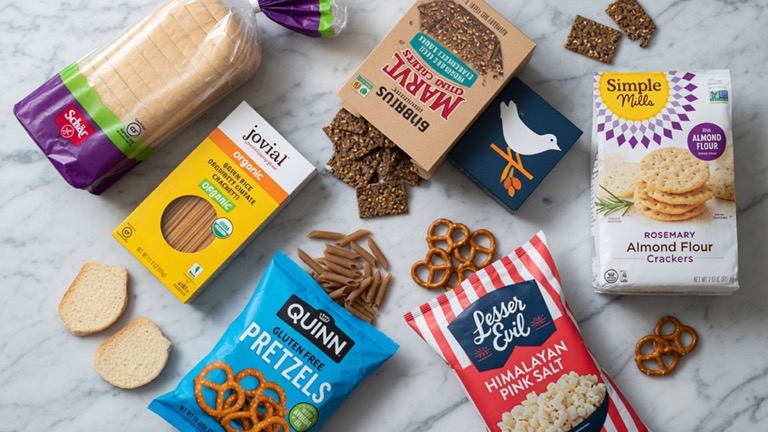
- The “Health Halo” Trap: Just because something says “gluten-free” doesn’t automatically mean it’s healthy. There are plenty of GF cookies, cakes, and highly processed snacks loaded with sugar, unhealthy fats, and refined starches. Swapping one type of junk food for another isn’t doing your body any favors. Don’t fall for the marketing hype!
- Self-Diagnosis Dilemmas: This is a big one. Some people jump on the GF bandwagon without consulting a doctor or getting tested for celiac disease. If you self-diagnose and go GF before testing, it can make it impossible to get an accurate celiac diagnosis later. You need to be eating gluten for the tests to be reliable. So, please, get professional guidance!
My Take: Is GF for Everyone? (Spoiler: Probably Not)
Okay, so after weighing all this, here’s my honest, expert-friend opinion: A gluten-free diet is absolutely transformational, even life-saving, for those with celiac disease, wheat allergy, or diagnosed NCGS. For these individuals, it truly is the key to health and wellbeing. There’s no question there.
For everyone else? The jury’s still out on a universal benefit. While some people report feeling better, often due to reducing processed foods and eating more whole, fresh ingredients, it’s not a magic bullet for everyone. It’s not a guaranteed path to weight loss, more energy, or perfect health if you don’t have a specific medical reason to avoid gluten. Many healthy, naturally GF options exist, but a varied diet including whole grains can be incredibly beneficial for gut health and overall nutrition for those who tolerate gluten well. It’s not about demonizing gluten; it’s about understanding your unique body.
So, You’re Curious? Here’s How to Approach It Smartly
If you’re experiencing symptoms that make you wonder if gluten is an issue for you, or if you’re just curious about exploring a GF lifestyle, here’s my advice:
- Talk to Your Doctor & a Dietitian, Seriously: This is the absolute first step. Before you change a single thing, especially if you suspect celiac disease, talk to your healthcare provider. They can guide you through proper testing. If you go GF without testing first, you might make a diagnosis impossible. A registered dietitian who specializes in gluten-free diets can then help you plan a nutritionally complete and delicious GF diet, avoiding those potential pitfalls.
- Get Properly Diagnosed: If celiac disease or wheat allergy is a possibility, follow through with the diagnostic process. Knowing for sure makes all the difference in managing your health effectively.
- Focus on Whole, Naturally GF Foods: If you do decide to go GF (under professional guidance, of course!), don’t just fill your cart with expensive GF processed snacks. Instead, lean into the incredible bounty of naturally gluten-free foods: fruits, vegetables, lean proteins, legumes, nuts, seeds, and healthy grains like rice, quinoa, and oats (make sure they’re certified GF!). These are your real allies. This approach isn’t just healthier, it’s often more budget-friendly. Plus, if you’re getting into GF cooking, having a well-stocked pantry is key, and our article on Gluten-Free Baking Essentials: Tools and Ingredients for Success can give you some great ideas!
- Listen to Your Body: Pay attention. How do you feel? Is your digestion better? Do you have more energy? Any persistent issues? This journey is about tuning into your body’s signals, not just following a trend.
Ultimately, whether a gluten-free diet is “right” for you is a highly personal decision, and one best made with the help of medical professionals. It’s not a one-size-fits-all solution, but for those who truly need it, or who find genuine benefit, it’s a delicious, liberating path to better health. My goal, always, is to help you feel confident and joyful in your food choices, whatever they may be. So, keep asking questions, keep learning, and keep enjoying incredible food!
Sources: