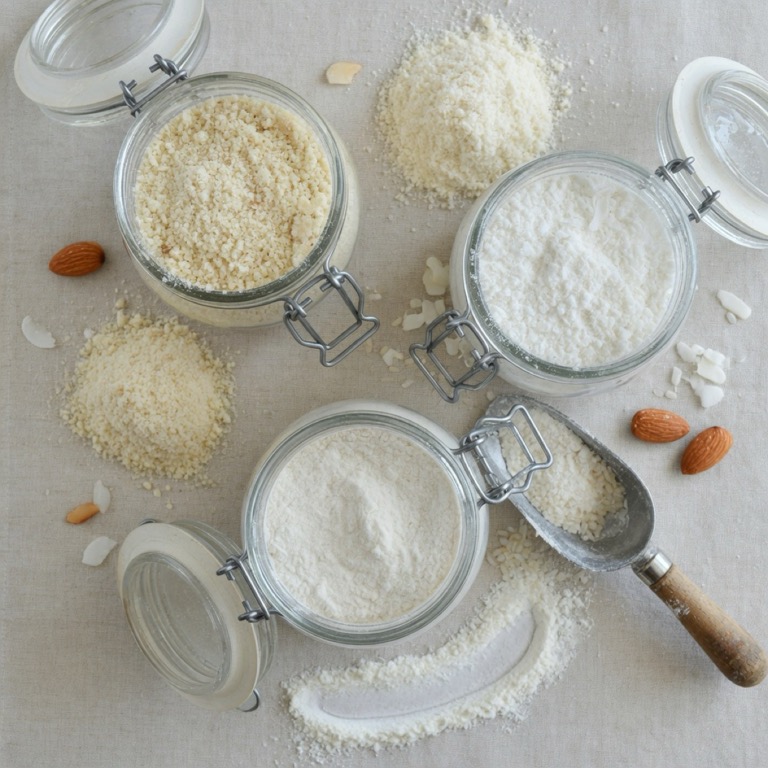
Gluten-Free Flours: A Comprehensive Guide to Baking Alternatives (2026)

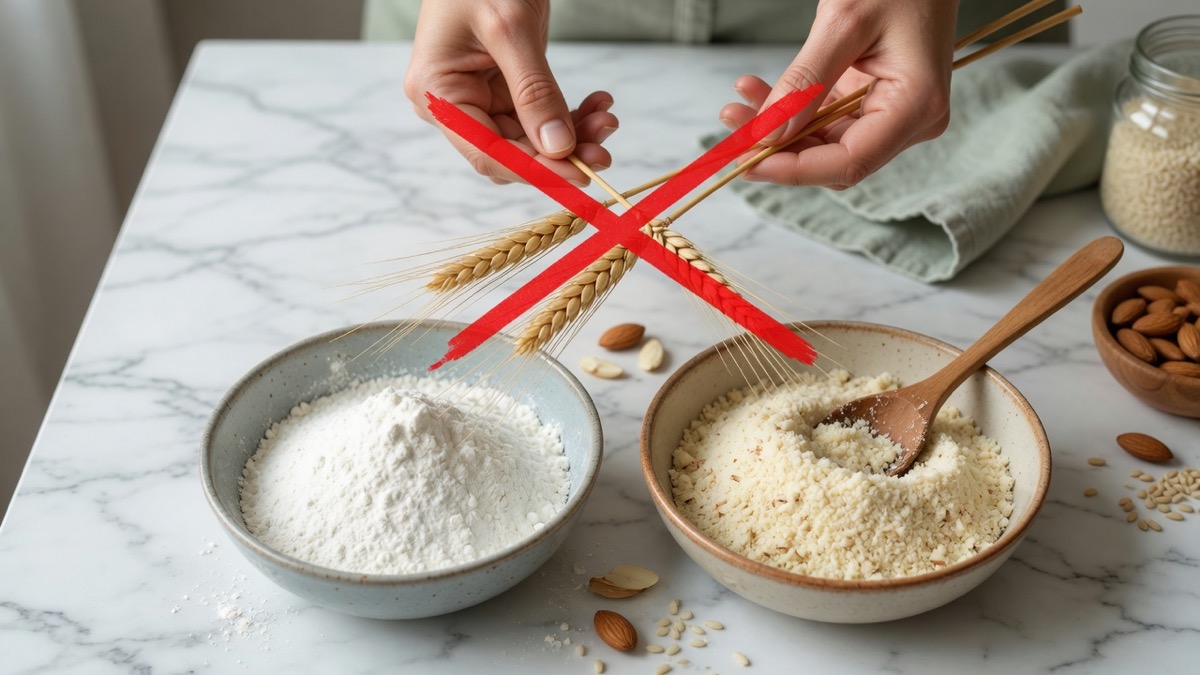
Ready to banish bland from your gluten-free kitchen? Fantastic. Because today, we’re diving headfirst into the vibrant, diverse, and utterly delicious world of gluten-free flours. This isn’t about what you *can’t* eat. This is about discovering a whole new pantry full of possibilities, a true baker’s playground just waiting for your flour-dusted hands.
Think of gluten-free baking not as a limitation, but as a thrilling culinary adventure. You’re not just swapping out one ingredient; you’re orchestrating a beautiful symphony of flavors and textures. It’s a bit like assembling a dream team of superheroes, each flour bringing its own unique power to the final bake. And trust me, once you understand these powers, you’ll be baking up magic. If you’re still curious about what gluten even is and why some of us need to avoid it, you might find our guide What Exactly Is Gluten and Why Is It Harmful to Some? really helpful. For a broader view on living gluten-free, remember to check out our main resource: Understanding Gluten-Free.
So, let’s pull back the curtain on these incredible baking alternatives and turn you into a gluten-free flour whisperer!
The Mighty Mix: Why One Flour Isn’t Enough (Usually)
You might be wondering, “Why can’t I just use almond flour for everything?” Great question. The simple answer is that gluten (that sticky protein in wheat) plays a *huge* role in baking. It provides structure, elasticity, and that satisfying chew. Without it, you can’t just substitute one GF flour for wheat flour cup-for-cup and expect the same results. That would be like trying to build a brick wall with only sand. It just won’t hold.
This is why most successful GF recipes, and certainly most store-bought GF flour blends, use a combination of different flours. You need starches for tenderness, whole grain flours for structure and nutrients, and sometimes a little something extra for binding. It’s all about balance, creating a flour blend that mimics the qualities of wheat flour.
Meet the Stars of Your Gluten-Free Pantry
Let’s get acquainted with some of the most popular and versatile gluten-free flours. Each has its own personality, its own flavor, and its own special job in your baking.
The Whole Grain Workhorses (for Structure & Flavor)
These flours often bring a fantastic nutritional boost, along with earthy, nutty, or slightly sweet notes. They’re your building blocks.
- Brown Rice Flour: This is a GF staple. It’s got a mild, slightly nutty flavor that plays well with almost anything. It’s heavier than wheat flour, so it needs other flours to lighten it up. Great for adding structure to breads and muffins.
- Sorghum Flour: A fantastic choice for a wheat-like texture. Sorghum is naturally high in protein and fiber, offering a mild, slightly sweet taste. It’s perfect in cakes, cookies, and quick breads. Some even describe it as having a faint whole wheat flavor.
- Buckwheat Flour: Don’t let the name fool you, buckwheat isn’t wheat at all! It’s actually a fruit seed. It brings a wonderfully distinct, earthy, somewhat robust flavor. Great for pancakes, crepes, and even some savory baked goods. Start by using it for about 25-50% of your flour blend, as its flavor can be strong.
- Oat Flour: Silky smooth and subtly sweet, oat flour adds incredible moisture and chewiness. It’s fantastic in cookies, muffins, and even pie crusts. Just be absolutely sure to choose certified gluten-free oat flour to avoid cross-contamination. This is especially important if you’re sensitive; we’ve got a whole post on The Role of Oats in a Gluten-Free Diet: Are They Safe? that goes into detail.
- Almond Flour: Made from finely ground blanched almonds, this flour is rich in protein and healthy fats. It brings a delightful moisture, tenderness, and a delicate nutty flavor to baked goods. It’s lower in carbs and a favorite for macarons, cakes, and quick breads. Remember, it adds a lot of moisture, so adjust liquids accordingly.
The Starch Superheroes (for Tenderness & Lightness)
These are your secret weapons for achieving that delicate, tender crumb, especially in cakes, cookies, and pastries. They help lighten heavier flours and prevent a gummy texture.
- Tapioca Starch (or Flour): The ultimate chewy-maker! Tapioca is extracted from the cassava root. It’s incredibly light and adds elasticity and crispness. Think perfect pizza crusts, soft cookies, and delightful chewy breads. It also helps with browning.
- Potato Starch: Not to be confused with potato flour (which is made from whole dried potatoes), potato starch is pure starch. It’s super fine and white. This one is brilliant for adding lightness, tenderness, and moisture retention to your baked goods. Cakes love potato starch.
- Corn Starch: A classic thickener, corn starch is also fantastic for creating a delicate, tender crumb in baking. It helps create a beautiful crispness too. Think shortbread cookies.
- Arrowroot Powder: A fantastic substitute for corn starch or tapioca. It’s flavorless and thickens beautifully, giving a light, silky texture. Great for delicate baked goods.
The Binders and Helpers (for Structure & Elasticity)
Since we’re missing gluten’s binding power, these ingredients step in to save the day, giving our baked goods structure and preventing them from crumbling.
- Xanthan Gum: This is a crucial ingredient for many GF recipes. It acts as an emulsifier and binder, mimicking gluten’s elasticity. It helps prevent crumbling and adds chewiness. You only need a tiny bit, usually 1/4 to 1 teaspoon per cup of GF flour blend. Too much, and things get slimy.
- Psyllium Husk: Another fantastic binder, especially for yeast breads. It’s rich in soluble fiber and creates a gel-like consistency when mixed with liquid. This helps bind ingredients, provides elasticity, and makes dough easier to handle. Often gives a more “wheaty” texture to breads than xanthan gum alone.
Crafting Your Own Gluten-Free Flour Blends: A Quick Guide
While you can buy pre-made GF flour blends, knowing how to mix your own gives you ultimate control and allows for customization based on what you’re baking. Here’s a general guideline, but remember, baking is an art, so experiment!
A good starting point for a balanced GF flour blend looks something like this:
* 60% Whole Grain Flour(s): (e.g., brown rice, sorghum, buckwheat, oat, almond)
* 30% Starch(es): (e.g., tapioca, potato starch, corn starch, arrowroot)
* 10% Protein/Flavor Flour(s) (Optional): (e.g., almond, coconut flour, often a smaller percentage due to strong flavors/absorption)
* Plus a pinch of binder: 1/2 to 1 teaspoon xanthan gum or psyllium husk per cup of total flour blend.
So, if a recipe calls for 1 cup of all-purpose GF flour, you might use:
* 3/5 cup (about 96g) brown rice flour
* 3/10 cup (about 48g) tapioca starch
* Plus 1/2 teaspoon xanthan gum
This is a very basic example. Different recipes call for different ratios. Cookies might want more starch for tenderness, while a sturdy bread will need more whole grain flours and a stronger binder.
| Flour Type | Flavor Profile | Texture Contribution | Best Uses |
|---|---|---|---|
| Brown Rice Flour | Mild, slightly nutty | Structure, slightly sandy texture if dominant | Breads, muffins, general blend base |
| Sorghum Flour | Mild, slightly sweet, wheat-like | Soft, tender crumb | Cakes, cookies, quick breads, muffins |
| Tapioca Starch | Neutral | Chewy, crisp, elastic | Pizza crust, soft cookies, pie crusts, thickening |
| Potato Starch | Neutral | Lightness, tenderness, moisture | Cakes, delicate pastries, thickening sauces |
| Almond Flour | Nutty, rich | Moisture, tenderness, dense crumb | Macarons, cakes, muffins, low-carb baking |
| Oat Flour (GF Certified) | Subtly sweet, creamy | Chewy, moist, soft | Cookies, muffins, pancakes, quick breads |
| Buckwheat Flour | Earthy, robust | Dense, slightly crumbly | Pancakes, crepes, hearty breads (in blends) |
| Xanthan Gum | None | Elasticity, binding (used in tiny amounts) | All GF baking, especially breads |
| Psyllium Husk | Mild, earthy | Structure, elasticity, binding (gel-like) | Yeast breads, highly structured baked goods |
*Note: Coconut flour is another popular GF flour, but it’s incredibly absorbent and can impart a strong flavor. Use it sparingly and increase liquids when baking with it.
Top Tips for Gluten-Free Baking Success
Armed with your new flour knowledge, here are a few extra nuggets of wisdom to ensure your GF baking endeavors are nothing short of spectacular:
1. Weigh Your Flours: This is probably the biggest game-changer. GF flours vary wildly in density. A cup of almond flour weighs very differently from a cup of tapioca starch. Using a kitchen scale (grams are best) will give you consistent, accurate results every single time. It’s a small investment with huge returns.
2. Don’t Overmix: While wheat doughs often benefit from kneading to develop gluten, overmixing GF batters can make them tough or crumbly. Mix just until combined.
3. Hydration is Key: GF flours can be thirsty! Pay close attention to the recipe’s liquid amounts. Sometimes, letting the batter sit for 10-15 minutes before baking allows the flours to fully absorb the liquid, leading to a better texture.
4. Trust the Recipe (Initially): When starting out, follow reputable GF recipes precisely. Once you understand how different flours behave, you can begin to experiment with your own blends and substitutions.
5. Embrace the Process: GF baking sometimes requires a little patience and a willingness to learn. But every successful cookie, every perfect loaf of bread, is a triumph!
Go Forth and Bake!
The world of gluten-free flours is truly a feast for the senses, offering incredible variety, unique flavors, and endless possibilities for delicious creations. Don’t let the absence of gluten intimidate you. Instead, see it as an invitation to explore, to experiment, and to discover an exciting array of ingredients that will make your baked goods shine.
So, gather your flours, get your apron on, and start baking with confidence. You’re not just making food; you’re creating joy, one perfectly baked, delightfully gluten-free treat at a time. The abundance of a GF life is waiting for you!