Plant-Based Proteins as Gluten-Free Binders and Enhancers (2026)

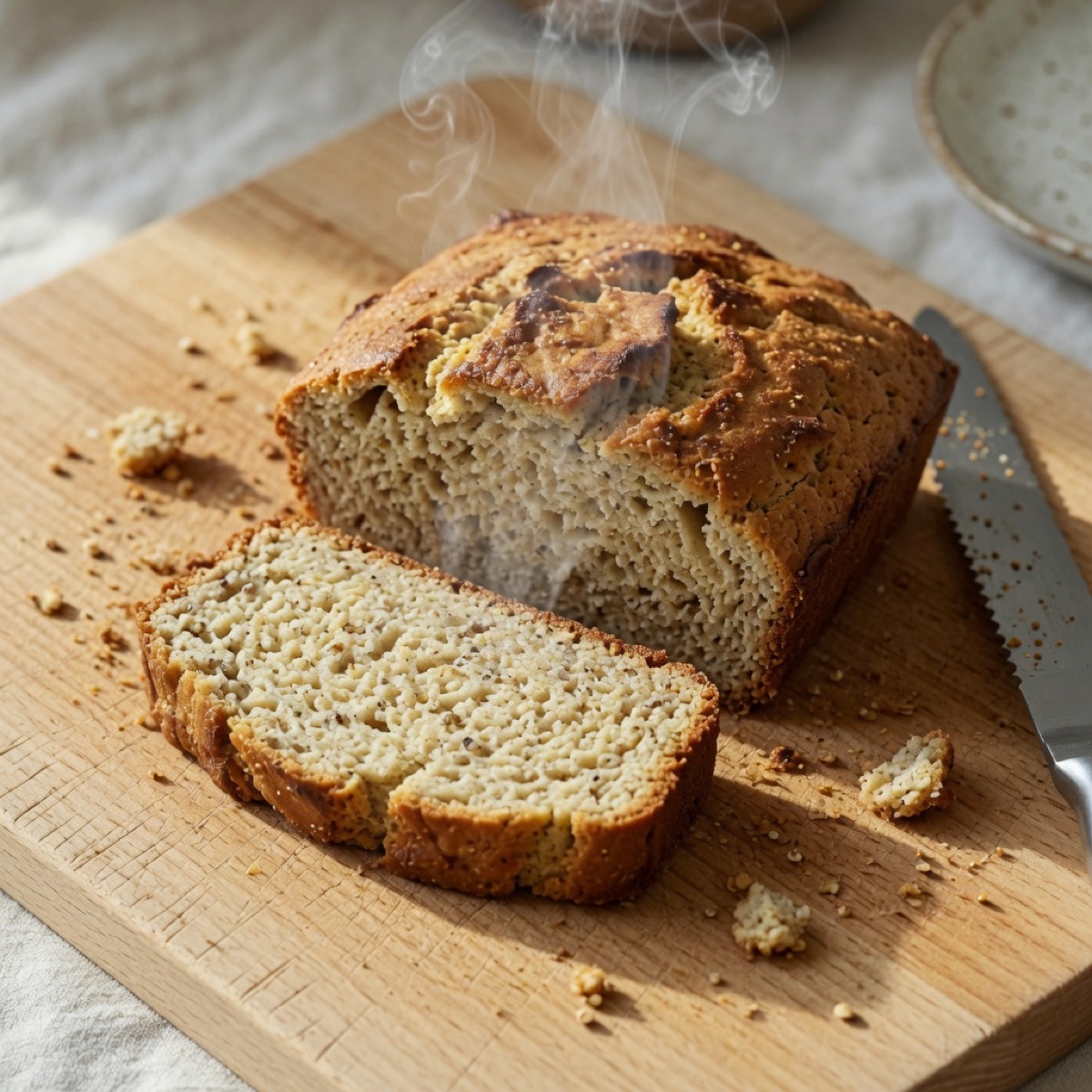
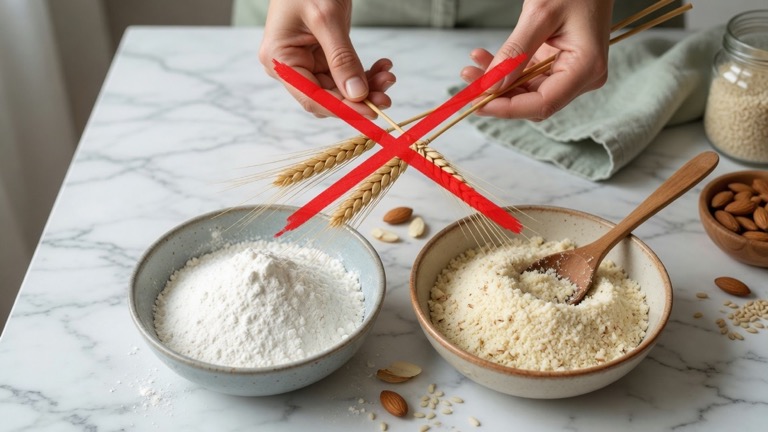
Feeling like your gluten-free baked goods are staging a great escape, crumbling into a pile of regrets the moment you slice into them? Or maybe they’re just… a little dry? A little sad? I hear you, friend. We’ve all been there, battling the elusive quest for that perfect, springy, satisfying texture without the mighty power of gluten. But what if I told you there’s a whole world of natural helpers, right in your pantry, ready to step up and make your GF creations sing?
We’re talking about plant-based proteins, and they’re not just for muscle-building shakes anymore. These clever ingredients are quietly revolutionizing how we approach gluten-free cooking and baking, acting as brilliant binders and texture enhancers. It’s a truly exciting time in gluten-free food science, pushing the boundaries of what’s possible. To dive deeper into these fascinating developments, check out the latest in Research & Innovations in Gluten-Free. Today, let’s peel back the layers on how these plant powerhouses can transform your kitchen.
Why Plant Proteins Are Our GF Superheroes
Think about gluten for a second. It’s that stretchy, elastic network in wheat flour, like tiny, edible springs holding everything together. It traps air, gives bread its chew, and makes cakes tender. When you go GF, that crucial architecture vanishes. We often replace it with starches, but starches, while good for lightness, don’t offer much structure on their own. This is where plant proteins stride in, capes flapping.
They aren’t just about adding a nutritional punch (though they do that beautifully). Plant proteins have unique properties. They can absorb water, create gels, form emulsions, and even help to brown your food beautifully. Basically, they’re the quiet architects, the unseen glue, and the moisture magnets our gluten-free recipes often desperately need. They help everything stay put and feel good to eat.
The Science (Simplified) Behind the Magic
Okay, let’s get a tiny bit scientific, but I promise it’ll be painless. Proteins are big, complex molecules made of smaller units called amino acids. Imagine them like tiny LEGO bricks. When you add water or heat, these proteins can change shape (we call this denaturing, but don’t worry about the fancy term). This shape-shifting is where the magic happens.
Some plant proteins, like those found in legumes, can create a kind of mesh when heated. This mesh mimics some of gluten’s job, holding onto air bubbles and giving structure. Others are fantastic at soaking up water, keeping things moist and preventing that dreaded crumbly texture. Think of them as tiny, highly effective sponges that also know how to build a sturdy foundation for your culinary creations. Their ability to emulsify, for example, helps blend oil and water, making for smoother sauces and richer batters. It’s all about these unique molecular dance moves.
Meet the Plant-Based MVPs (Most Valuable Proteins)
The world of plant proteins is vast and exciting. We’re constantly discovering new ways these ingredients can make our GF lives more delicious. Let’s spotlight a few of my favorites that excel as binders and enhancers.
Pea Protein: The Unsung Hero
Pea protein is a star, often overlooked because it’s not a whole flour, but rather an isolated protein from yellow peas. It’s naturally GF, usually has a pretty neutral taste (especially the good quality stuff), and packs a serious protein punch.
* How it works: Pea protein is amazing for water absorption and creating structure. Its protein network can trap air and moisture.
* Uses: Try adding a tablespoon or two to your GF bread recipes for a better rise and a more tender crumb. It works wonders in GF pasta to give it a firmer bite, and it’s fantastic in savory muffins or veggie burgers where you need things to hold together. Some researchers are even exploring its potential in Innovations in Gluten-Free Bread Texture: A Scientific Review, showing its true versatility.
Chickpea & Lentil Flours: Double Duty Dynamos
These aren’t just flours; they’re whole ingredient superstars. Chickpea flour (besan or gram flour) and various lentil flours (red, brown, green) are packed with protein and fiber.
* How they work: Their natural protein content helps create structure and elasticity. They absorb a lot of liquid, which helps with moisture, and they develop a lovely crust when baked or fried. The starches in these flours also contribute to binding.
* Uses: Chickpea flour makes incredible savory crepes (socca!), binders for veggie patties, and even light, airy fritters. Lentil flours are wonderful in flatbreads, crackers, and as thickeners for soups and stews. They bring a fantastic earthy flavor. It’s truly amazing what legumes can do in GF baking, a topic often discussed when considering The Rise of Ancient Grains in Gluten-Free Baking.
Flaxseed & Chia Seeds: Gelling Goodness
You’ve probably heard of these two as egg replacers, and for good reason. They are absolutely brilliant. While not pure protein isolates, their combination of protein, fiber, and mucilage (a gooey, gel-forming substance) makes them powerful binders.
* How they work: When soaked in water, both flax and chia seeds form a gelatinous goo. This gel is thanks to their soluble fiber and protein, which act like a natural, edible glue, holding ingredients together and providing moisture.
* Uses: Use “flax eggs” (1 tbsp ground flax + 3 tbsp water) or “chia eggs” (1 tbsp chia seeds + 3 tbsp water) in muffins, cookies, and quick breads. They also add a lovely chewiness and nutrient boost to crackers, granola bars, and even oatmeal.
Potato Protein: A Clear Contender
This one might sound a little unexpected, but potato protein is gaining traction in the GF world. It’s isolated from potatoes and is a highly soluble, neutral-flavored protein.
* How it works: Potato protein is excellent for emulsifying (mixing oil and water), gelling, and foaming. It can help create a lighter, more even crumb structure and prevent ingredients from separating. It’s a great water binder too.
* Uses: You often see it in commercial GF products like some vegan cheeses or meat alternatives because of its amazing emulsifying and gelling properties. In home baking, a small amount can help improve the texture of cakes, add stability to mousses, or create a smoother consistency in sauces. It’s a bit more specialized but incredibly effective.
Beyond Binding: Enhancing Flavor and Nutrition
It’s not just about holding things together. Plant proteins bring so much more to the table. They naturally increase the nutritional content of your food, adding a boost of essential amino acids, fiber, and micronutrients. Eating GF doesn’t mean sacrificing nutrition, and these ingredients are proof.
Think about the subtle, savory notes chickpea flour can lend to a flatbread, or how pea protein can add a satisfying depth to a loaf of sandwich bread. They don’t just fix a problem; they actually make the food better. They can improve mouthfeel, adding a richness or a tender chewiness that starch-heavy GF goods often lack. This holistic improvement is what makes them truly special.
Tips for Working with Plant Proteins in Your Kitchen
Ready to give these plant powerhouses a try? Here are a few friendly pointers:
- Start Small: Don’t just dump a cup of pea protein into your favorite cookie recipe. Begin by replacing a small percentage (say, 10-20%) of your usual GF flour blend with a specific plant protein.
- Hydration is Key: Many plant proteins are thirsty. You might need to adjust the liquid in your recipe slightly. Add water or milk slowly until you reach the desired consistency.
- Consider Flavor: While many isolated plant proteins are neutral, whole flours like chickpea or lentil will bring their own flavor. Match them to your dish. They’re fantastic for savory items.
- Mix and Match: Don’t be afraid to combine different plant proteins. A little pea protein with some chickpea flour can create a unique texture and flavor profile.
- Read Labels: Always pick pure, unflavored plant protein products for baking, unless you’re intentionally going for a specific flavor. Check for any added sugars or artificial ingredients.
The world of gluten-free cooking and baking is constantly evolving, thanks to clever ingredients like these plant-based proteins. They offer us a path to truly delicious, structurally sound, and nutritionally dense food, proving that living GF is about abundance, not limitations. So go ahead, experiment, and rediscover the joy of food that holds together, tastes amazing, and truly nourishes you. Happy baking, my friends!