Understanding Gluten-Free Certification and Labels (2026)

Alright, my fellow gluten-free gourmands! Let’s chat about something super important, something that often feels like navigating a secret treasure map: understanding gluten-free certification and labels. You know that little thrill you get when you spot a truly safe, truly delicious GF treat? It’s pure joy, isn’t it? But sometimes, scanning those packages can feel like deciphering ancient hieroglyphs. Don’t worry, I’m here to clear things up. We’re going to turn that confusion into confidence, transforming you into a label-reading ninja.
The gluten-free world today is bursting with incredible options, far beyond what we had even a few years ago. Knowing what those labels really mean is your golden ticket to enjoying every bite without a worry. So, grab your magnifying glass (or just your keen eyes) and let’s dive into how we make the best, safest choices for our amazing bodies. This isn’t about limitations; it’s about liberation. And it all starts with truly understanding what you’re picking up off the shelf. After all, building a confident gluten-free life means knowing the facts. It means knowing how to spot genuinely safe foods, a key part of our larger journey into Understanding Gluten-Free.
The “Why” Behind the What: Why Certification Matters
Think of gluten-free certification like a trusted friend vouching for a new restaurant. They’ve been there, they’ve checked it out, they know it’s safe. When you’re dealing with gluten, even the tiniest crumb can cause issues for some of us. Cross-contamination (when gluten-containing ingredients accidentally mix with GF ones) is a real spoiler. It’s the silent enemy lurking in shared kitchens or manufacturing lines.
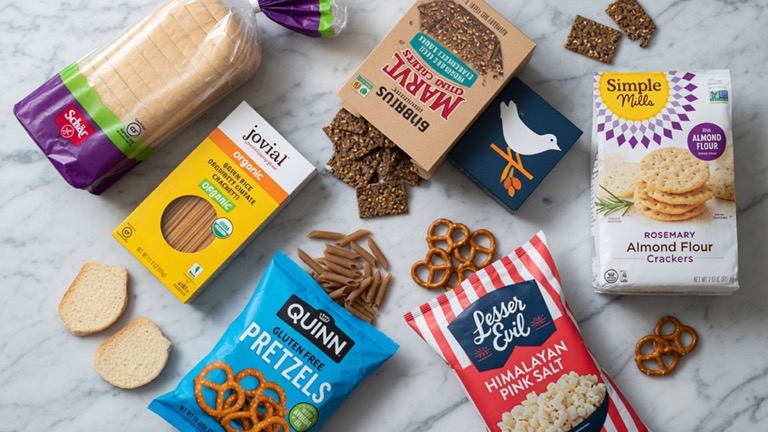
That’s where certification steps in. It’s a promise, backed by rigorous testing and standards, that what you’re holding is truly gluten-free. It gives you peace of mind, allowing you to enjoy your meal without playing detective on every ingredient list. So, yes, it’s worth a little extra attention to know what you’re looking for.
The FDA’s Gold Standard: What “Gluten-Free” Actually Means
Here in the U.S., the Food and Drug Administration (FDA) plays a big role in setting the ground rules. Back in 2013, they laid down the law, defining what “gluten-free” truly means on a food label. This was a huge win for our community.
Basically, for a product to wear the “gluten-free” badge, it must contain less than 20 parts per million (ppm) of gluten. Why 20 ppm? Scientists agree this tiny, tiny amount is generally safe for people with celiac disease and other gluten sensitivities. It’s like finding a single grain of sand on an entire beach. It’s almost undetectable, and for most, it won’t cause a ripple.
So, when you see “gluten-free” on a package, you know it meets this federal standard. This applies whether the product naturally doesn’t have gluten (like a bag of plain rice) or if it’s been specially processed to remove gluten (like GF bread). This is our baseline, our essential safety net. It’s a legal definition, a standard every manufacturer must meet if they make that claim.
Going the Extra Mile: Third-Party Certifications
While the FDA’s 20 ppm rule is great, some companies and consumers want to go above and beyond. That’s where third-party certification bodies come in. These are independent organizations that establish even stricter standards, often requiring products to test at 10 ppm or even 5 ppm. They also perform regular audits, making sure manufacturing facilities follow strict protocols to prevent cross-contamination.
Think of it like this: the FDA’s rule is the solid foundation of a house. Third-party certification adds extra earthquake reinforcement and a top-notch security system. It’s an additional layer of assurance, especially helpful for those with extreme sensitivities or anyone who just wants that extra peace of mind.
Here are a few of the big players you’ll see:
- Gluten-Free Certification Organization (GFCO): This is probably the most widely recognized symbol. Their logo is a crossed-out wheat stalk in a circle. Products with this seal must test at 10 ppm or less gluten. They do annual facility inspections and product testing. GFCO is part of the Gluten Intolerance Group, a non-profit dedicated to the GF community.
- Certified Gluten-Free (CGF): Administered by the National Celiac Association, this certification also typically aims for the 10 ppm standard, focusing on rigorous testing and auditing.
- NSF Gluten-Free: NSF International is a global public health and safety organization. Their gluten-free certification also adheres to strict standards, often including extensive facility audits and ingredient sourcing verification.
These organizations don’t just test the final product; they look at the entire process: ingredients, handling, production lines, and even cleaning procedures. It’s comprehensive. They charge companies a fee for this service, which is why you might see a slightly higher price tag on some certified products. That cost covers the rigorous testing and auditing, essentially paying for your confidence.
Decoding the Visuals: What the Symbols Tell You
So, how do you spot these trusted labels?
* The “Gluten-Free” Text: If you just see the words “gluten-free” printed on a package, that product meets the FDA’s The Certified Logos: When you see one of those specific symbols (like the GFCO’s circled GF with a line through it, or the NSF seal), you know it’s gone through that extra layer of independent verification. These logos often appear prominently on the front of the packaging.
It’s helpful to remember that a product can be perfectly safe and gluten-free even without a third-party certification logo. If it simply states “gluten-free,” it still meets the FDA’s legal requirement. The logos are simply an *additional* assurance. It’s like knowing a car has passed its safety inspection versus a car that’s passed its safety inspection *and* won a “Car of the Year” award. Both are safe to drive, but one has extra accolades.
Reading Beyond the Badge: Smart Shopping Habits
Even with all these certifications, becoming a savvy GF shopper means more than just spotting a logo.
Ingredient List Scans:
Always, always give that ingredient list a quick scan. You’re looking for common gluten culprits that sometimes sneak in, even when you’d least expect them. Things like:
- Malt: Often found in cereals, candies, and some beverages. It comes from barley, which has gluten.
- Modified Food Starch (unless specified): If it doesn’t say “tapioca” or “corn” starch, it *could* be wheat-based. Better to be safe!
- “Natural Flavors” (if you’re super sensitive): Most are fine, but in rare cases, they *could* contain gluten. For general gluten-free living, these are typically safe, but those with extreme sensitivities might prefer to avoid.
Most clearly labeled “gluten-free” products will ensure these are safe, but a quick check never hurts.
“May Contain” Statements:
This one trips up a lot of people. You might see a product labeled “gluten-free” but then also see a warning like “May contain wheat.” What gives?
Essentially, a “May contain” statement is a voluntary advisory from the manufacturer. It means that while the product itself is formulated to be gluten-free and meets the FDA standard, it’s produced in a facility that also handles wheat. They’re telling you there’s a *risk* of cross-contamination, even if they take precautions. For some, this risk is too high. For others, particularly those with less severe sensitivities, it might be acceptable. It’s a personal decision, a choice based on your comfort level. For those with Celiac Disease, avoiding “May Contain” statements is often the safest bet. It’s just not worth the gamble when there are so many truly safe options out there. This kind of careful decision-making is also key when Eating Out Gluten-Free: Tips for Restaurants and Social Gatherings, where you’re often relying on a restaurant’s best practices.
Embracing Your Empowered GF Journey
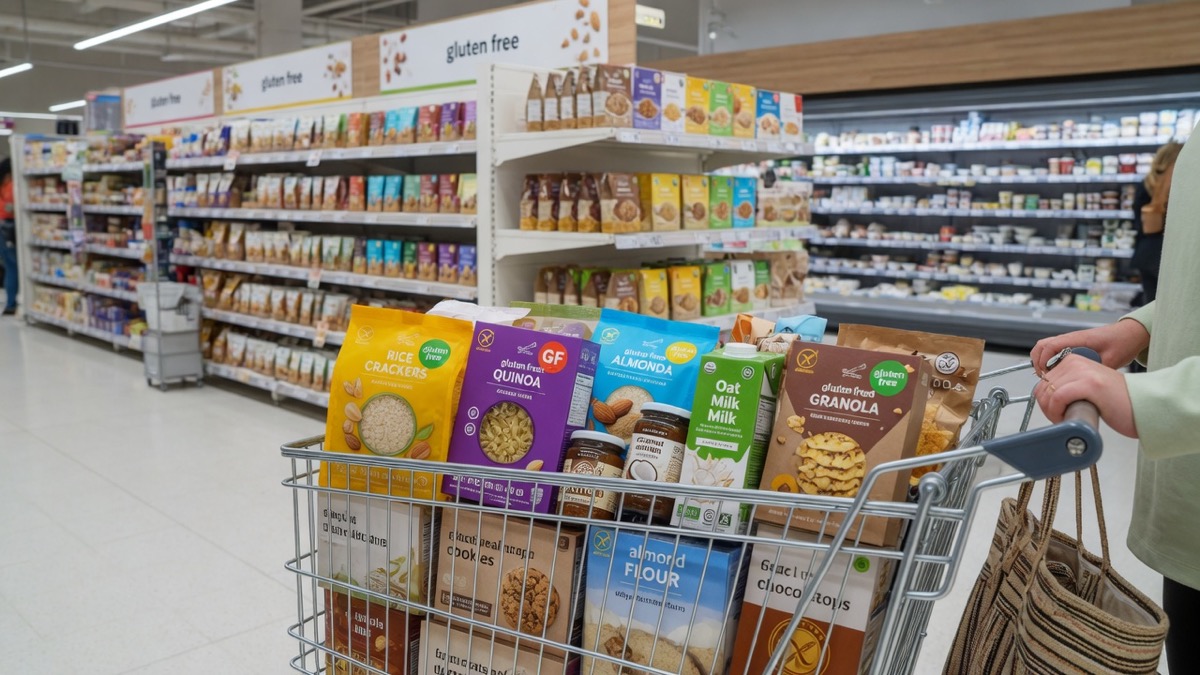
Understanding labels and certifications isn’t about creating more rules; it’s about giving you the tools to make informed decisions. It’s about confidence! When you know what you’re looking for, grocery shopping becomes a breeze, not a stressful scavenger hunt. You can stride down those aisles, pick up a certified bread or a “gluten-free” pasta, and know exactly what you’re getting.
This knowledge frees you up to truly enjoy the incredible abundance of gluten-free foods available today. From fluffy pancakes to chewy cookies, vibrant stir-fries to hearty bowls of pasta, our plates are fuller and more delicious than ever. Don’t let the technical bits intimidate you. You’ve got this. You’re building a foundation for joyful, safe eating, and that’s something to celebrate! For more on specific health aspects, you might explore Beyond Celiac: Other Conditions Improved by a Gluten-Free Diet.
Final Bite: Trust, Taste, and Triumph!
So, there you have it! Gluten-free certification and labels are your reliable guides in a delicious world. The FDA sets the baseline, and third-party certifiers offer an extra layer of reassurance. Knowing the difference, and what to look for, gives you the power to choose wisely. You’re not just reading labels; you’re making choices that support your health and happiness.
The GF world is yours to explore, packed with flavor and fun. Don’t ever feel limited. Feel empowered! Armed with this knowledge, every meal can be a triumph. Now go forth, my confident friends, and savor every safe, scrumptious bite. Remember, this is all part of our grand adventure in Understanding Gluten-Free living.