
GF Guide
Preventing Gluten Cross-Contamination (2026)

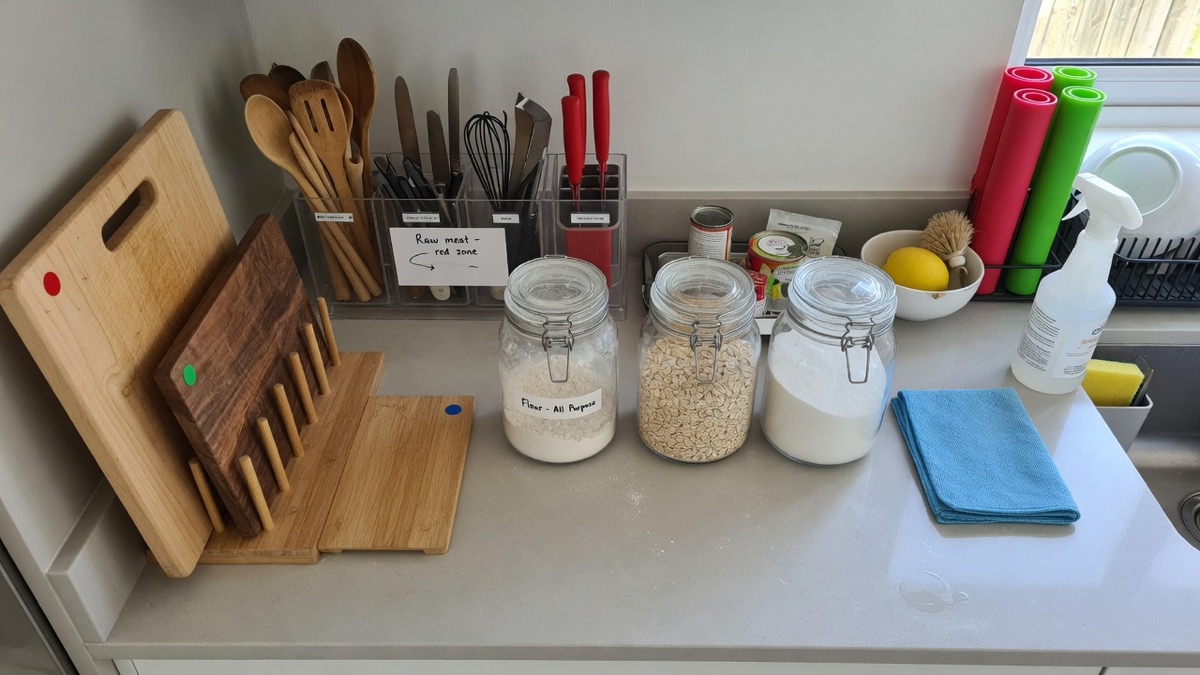
Hey there, fabulous GF friend! Let’s talk about something super important for keeping your gluten-free life not just livable, but truly joyful: preventing gluten cross-contamination. It sounds a bit serious, I know. Maybe even a little scary. But don’t you worry. Think of me as your personal GF guard dog (a friendly, tail-wagging one, of course!), here to demystify it all and show you how easy it is to keep your plate happy and safe. We’re all about abundance here, remembering that a little smart prevention opens up a whole world of delicious possibilities.
So, what exactly is this “cross-contamination” thing? Basically, it’s when gluten, even just a tiny speck, accidentally hitches a ride onto your otherwise perfectly safe GF food or surface. Imagine you’re baking a beautiful batch of gluten-free cookies, and someone used the same flour sifter for regular wheat flour without cleaning it properly. That invisible wheat dust, that’s cross-contamination. It’s like a tiny, unwanted gluten stowaway. For those of us with Celiac disease or serious gluten sensitivity, even a crumb can lead to uncomfortable symptoms or worse, intestinal damage. It’s a big deal, but totally manageable once you know the ropes.
The good news? Becoming a pro at preventing it is less about living in fear and more about smart habits, clear communication, and setting up your spaces for success. You’ve got this! Let’s dive into making your world a safer, tastier place.
Your Kitchen: A Gluten-Free Haven, Not a Minefield
Your kitchen is your culinary sanctuary. Let’s make sure it truly serves your GF needs. Setting it up right from the start makes everything easier. Think of it like building a fantastic treehouse: you need a strong foundation and dedicated spaces.
One of the first steps is thinking about Setting Up a Gluten-Free Kitchen: A Beginner’s Guide. This isn’t just about what you buy, but how you organize it. Are there designated spots for GF flours that are miles away from the wheat-based stuff? Are your GF oats on a higher shelf, safe from any potential fallout? These small choices make a huge difference.
Designing Your Safe Zones
If you share a kitchen with gluten-eaters, Dedicated Gluten-Free Zones: Creating Safe Spaces in a Shared Kitchen is a game-changer. Maybe it’s a specific shelf in the pantry, a dedicated cutting board, or even a particular side of the counter you always prep on. Having a physical boundary, even an invisible one, sends a clear message: “This is my safe space.” And speaking of the pantry, ever wonder if your spaghetti is too close to your neighbor’s rye bread? We break it down in Safe Storage Solutions: Organizing Your Pantry to Avoid Gluten Transfer. Proper storage isn’t just about freshness, it’s about safety.
Your kitchen’s layout itself can play a role. Think about where your toaster sits relative to where flour might get used. Understanding Kitchen Layouts to Minimize Cross-Contamination Risks can help you arrange your culinary battlefield (or should I say, *comfort zone*) for maximum GF peace of mind. Plus, a little planning goes a long way when it comes to cleaning up.
Tools of the Trade: Keeping Them Clean
Alright, let’s talk about the unsung heroes of your kitchen: your utensils and appliances. These are often the biggest culprits of accidental gluten transfer. Your wooden spoon, your plastic cutting board, even your cast-iron skillet (yes, really!) can harbor gluten if they’ve been used for gluten-containing foods. So, for a deeper dive into making sure your spatulas and spoons are GF-friendly, check out Utensils & Cutting Boards: Preventing Cross-Contamination in the Kitchen.
Appliances are another biggie. That beloved toaster? If it’s ever seen a slice of regular bread, it’s full of crumbs. An air fryer that’s cooked up gluten-filled onion rings? Those tiny gluten particles get everywhere. Fear not! We’ve got practical tips for keeping them safe in Toaster & Air Fryer Safety: Keeping Shared Appliances Gluten-Free. And for a serious word of caution, please read The Dangers of Shared Frying Oil: Why It’s a Gluten Cross-Contamination Risk. Seriously, don’t share that oil; it’s a total gluten trap.
What about the dishwasher? This one gets debated a lot. Can a shared dishwasher truly make your GF dishes safe? We tackle this common concern head-on in Dishwasher Dilemma: Is a Shared Dishwasher Safe for Gluten-Free Dishes? You might be surprised by the answer.
The Cleaning Crew: Deep Dive Edition
Sometimes, simply wiping down isn’t enough. If you’ve just moved into a new place, or if a gluten-filled baking disaster happened, you might need to bring out the big guns. Cleaning for Celiacs: Deep Cleaning Your Kitchen to Remove Gluten Residue offers a step-by-step guide to sanitizing your kitchen surfaces, cracks, and crevices, making sure any sneaky gluten is evicted for good. A clean kitchen means a happy gut!
Cooking and Baking with Confidence
Now, onto the fun stuff: making amazing GF food! Baking, especially, can be a dusty affair. Wheat flour seems to have a mind of its own, floating through the air. That’s why Baking & Flour Power: Preventing Cross-Contamination with Gluten-Free Flours is so crucial. Learn how to handle GF flours to avoid mixing them with their glutenous cousins, keeping your muffins and cakes perfectly safe. And if you’re making your own delicious loaves, our tips for Homemade Gluten-Free Bread: Tips for Avoiding Cross-Contamination will guide you. It’s all about working clean and smart.
Even before cooking, handling ingredients demands attention. Raw meats, vegetables, and other items can become carriers if they touch gluten-laden surfaces. Discover how to keep everything pristine with Handling Raw Ingredients: Preventing Gluten Transfer Before Cooking. Every step matters, from market to plate.
Beyond the Kitchen Walls: Staying Safe in the Wild
Life happens outside your kitchen, right? And so does gluten. But with a few clever strategies, you can enjoy dining out, traveling, and socializing without a worry in the world. It’s about being informed and assertive (in the nicest way possible, of course!).
Decoding Labels and Menus
The “Gluten-Free” label is fantastic, but sometimes gluten hides in plain sight, or in ingredients you wouldn’t expect. Becoming a super sleuth at the grocery store is essential. My go-to guide, Reading Labels Beyond ‘Gluten-Free’: Hidden Contaminants to Watch For, will turn you into a label-reading ninja. You’ll learn what to look for, where gluten likes to hide, and how to spot potential pitfalls.
Dining out can feel like a high-stakes game of “Where’s Waldo: Gluten Edition.” But it doesn’t have to be. Communication is your superpower. Check out Dining Out Safely: Communicating Your Gluten-Free Needs to Restaurants for scripts and strategies to ensure your order is understood and respected. For extra peace of mind, use our Gluten Cross-Contamination in Restaurants: A Checklist for Diners. It’s a handy tool to empower you when ordering. And sometimes, even with the best communication, ‘gluten-free’ isn’t enough. We discuss when to ask for more and how to do it in When ‘Gluten-Free’ isn’t Enough: Demanding Dedicated Facilities.
Navigating Social Gatherings and Travel
Holidays, potlucks, and parties are meant for fun, not fear! Learn how to approach shared meals and avoid accidental gluten with smart tips in Holiday Feasts & Potlucks: Navigating Gluten Cross-Contamination Socially. It’s about preparedness and setting boundaries gracefully. Traveling can also present unique challenges, but it’s totally doable with a little planning. Our comprehensive guide, Travel Tips for Celiacs: Minimizing Cross-Contamination Away From Home, will help you explore the world safely and deliciously.
Shared Spaces: Home, School, and Work
Living with others who eat gluten requires a bit of teamwork and education. Managing Gluten Cross-Contamination in a Shared Living Space provides practical advice for harmonious coexistence. It’s all about mutual respect and clear guidelines. And don’t forget the power of Educating Family & Friends About Gluten Cross-Contamination. A little understanding goes a long way in keeping you safe. Even the workplace can harbor hidden gluten, from shared microwaves to office potlucks. Read Gluten Cross-Contamination in the Workplace: Lunchrooms & Office Parties for tips on staying safe at the office.
For our littlest GF warriors, school and playdates need special attention. Learn how to protect them in School Lunch & Playdate Safety: Protecting Gluten-Free Kids from Cross-Contamination. And it’s not just food; even playdough or garden soil can be a sneaky source of gluten. We explore these surprising areas in Beyond the Kitchen: Gluten Cross-Contamination in Gardens and Playdough.
Unexpected Places Gluten Hides
Did you know gluten can pop up in places other than food? It’s true! Some personal care products and cosmetics can contain gluten. If you’re highly sensitive, this is worth exploring. Get the lowdown on Preventing Gluten Contamination in Personal Care Products & Cosmetics. And yes, even your furry friends’ food can be a concern. Find out if Pet Food & Gluten: Is Your Pet’s Diet a Risk for Cross-Contamination?, especially if you handle it often.
Understanding Gluten Traces and Sensitivities
So, how much gluten is too much? And what exactly happens if you get glutened? It’s important to understand the nuances. For some, even the smallest trace can cause a reaction. Dive deeper into Understanding Gluten Traces: How Much Gluten Causes a Reaction? to get a clearer picture of individual tolerances and medical guidelines. It’s also helpful to distinguish between an intentional gluten exposure and an accidental cross-contamination. Our guide on Cross-Contamination vs. Intentional Gluten: Knowing the Difference helps clarify the impact of each.
Sometimes, gluten can even become airborne, especially in places with lots of baking or dusty flours. This might sound intimidating, but there are ways to manage it. Learn more in Beyond Shared Surfaces: Airborne Gluten Particles and How to Cope.
What about all those GF certified products? Do they offer a complete guarantee? The Role of GF Certification: Does It Guarantee No Cross-Contamination? breaks down what those labels truly mean and how much trust you can place in them. Knowledge is power, after all!
Listen to Your Body: Recognizing Symptoms
Despite your best efforts, sometimes accidental gluten exposure happens. It’s important to be in tune with your body so you can recognize the signs. Our guide on Monitoring Your Health: Recognizing Symptoms of Gluten Cross-Contamination can help you identify what a reaction might look like for you, allowing you to respond effectively and learn for future prevention. Being aware helps you advocate for your health.
You’re a Gluten-Free Superstar!
Preventing gluten cross-contamination isn’t about rigid rules and constant anxiety. It’s about confidence, knowledge, and a little smart planning. Think of it as mastering a new culinary skill, one that ensures every bite you take is safe, delicious, and brings you joy. You’re not just avoiding gluten; you’re actively creating a healthier, happier lifestyle. With these tools and insights, you’re well on your way to being a confident, joyful gluten-free eater, ready to embrace all the amazing food out there!
Stay curious, stay informed, and keep enjoying that amazing GF life. You absolutely deserve it.
Related Deep Dives
Ready to dig into more specifics? Here are some additional resources to help you master every aspect of your gluten-free journey:
- Setting Up a Gluten-Free Kitchen: A Beginner’s Guide
- Dedicated Gluten-Free Zones: Creating Safe Spaces in a Shared Kitchen
- Utensils & Cutting Boards: Preventing Cross-Contamination in the Kitchen
- Toaster & Air Fryer Safety: Keeping Shared Appliances Gluten-Free
- The Dangers of Shared Frying Oil: Why It’s a Gluten Cross-Contamination Risk
- Reading Labels Beyond ‘Gluten-Free’: Hidden Contaminants to Watch For
- Safe Storage Solutions: Organizing Your Pantry to Avoid Gluten Transfer
- Dining Out Safely: Communicating Your Gluten-Free Needs to Restaurants
- Travel Tips for Celiacs: Minimizing Cross-Contamination Away From Home
- School Lunch & Playdate Safety: Protecting Gluten-Free Kids from Cross-Contamination
- Holiday Feasts & Potlucks: Navigating Gluten Cross-Contamination Socially
- Cleaning for Celiacs: Deep Cleaning Your Kitchen to Remove Gluten Residue
- Dishwasher Dilemma: Is a Shared Dishwasher Safe for Gluten-Free Dishes?
- Baking & Flour Power: Preventing Cross-Contamination with Gluten-Free Flours
- Understanding Gluten Traces: How Much Gluten Causes a Reaction?
- Cross-Contamination vs. Intentional Gluten: Knowing the Difference
- Managing Gluten Cross-Contamination in a Shared Living Space
- Preventing Gluten Contamination in Personal Care Products & Cosmetics
- Beyond the Kitchen: Gluten Cross-Contamination in Gardens and Playdough
- Pet Food & Gluten: Is Your Pet’s Diet a Risk for Cross-Contamination?
- Gluten Cross-Contamination in Restaurants: A Checklist for Diners
- When ‘Gluten-Free’ isn’t Enough: Demanding Dedicated Facilities
- Homemade Gluten-Free Bread: Tips for Avoiding Cross-Contamination
- Understanding Kitchen Layouts to Minimize Cross-Contamination Risks
- Educating Family & Friends About Gluten Cross-Contamination
- Gluten Cross-Contamination in the Workplace: Lunchrooms & Office Parties
- Handling Raw Ingredients: Preventing Gluten Transfer Before Cooking
- Monitoring Your Health: Recognizing Symptoms of Gluten Cross-Contamination
- Beyond Shared Surfaces: Airborne Gluten Particles and How to Cope
- The Role of GF Certification: Does It Guarantee No Cross-Contamination?
External Resources for Further Reading:
-
For official guidelines on gluten-free labeling from a reputable source, explore the FDA’s information: U.S. Food & Drug Administration (FDA) – Gluten-Free Labeling of Foods
-
To understand the medical impact of cross-contamination for Celiac Disease, resources from a trusted health organization are invaluable: Celiac Disease Foundation – Gluten Cross-Contamination