Baking & Flour Power: Preventing Cross-Contamination with Gluten-Free Flours (2026)

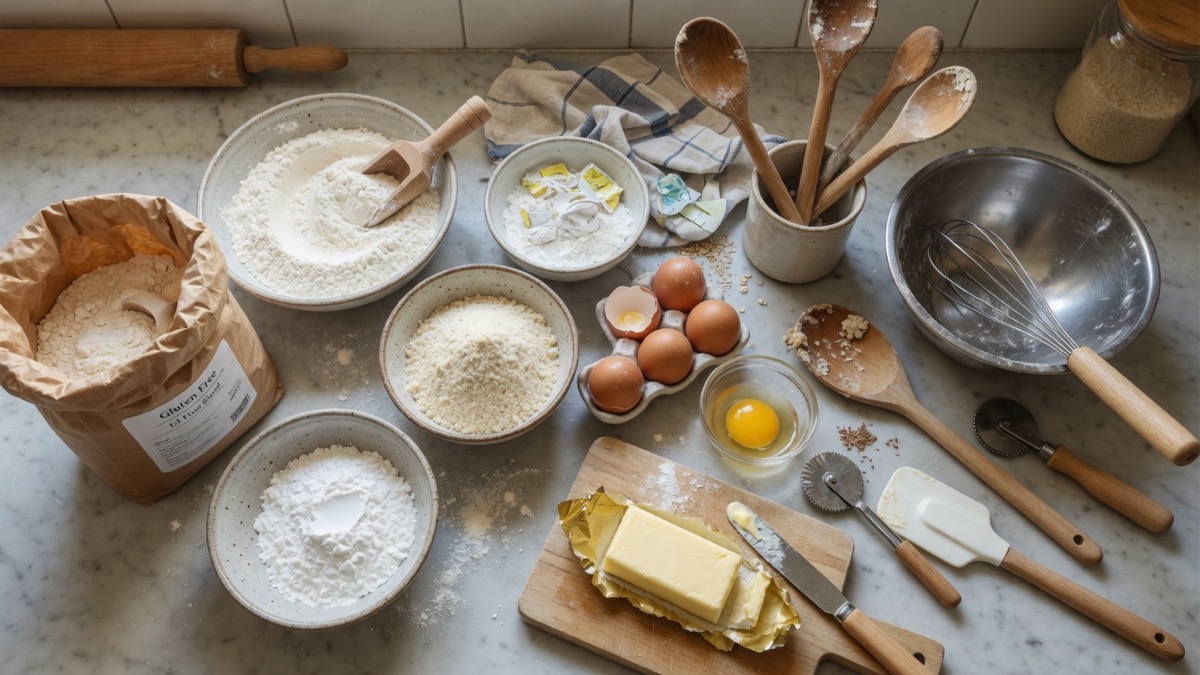
Hey, fellow gluten-free adventurers! Ready to talk about one of the most critical topics in our delicious world? We’re diving deep into the fascinating, sometimes dusty, realm of flour power and how to keep our kitchens safe. Because let’s be real, there’s nothing quite like the joy of pulling a perfect GF cake or a crusty loaf from the oven. Pure magic, right? But for that magic to happen without a hitch, we need to master the art of preventing cross-contamination, especially with our precious gluten-free flours. It’s a cornerstone of Preventing Gluten Cross-Contamination, and it’s easier than you think.
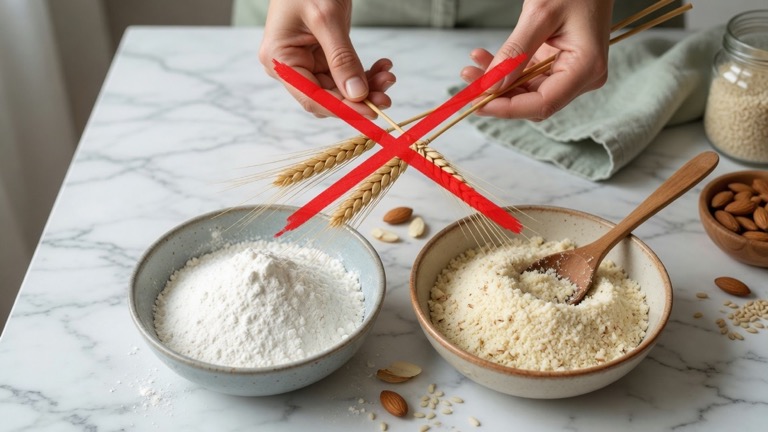
Think of it this way: our gluten-free flours are like a squad of diverse, amazing ingredients. Almond flour brings the tenderness, rice flour offers crispness, tapioca starch adds chewiness. They each have a superpower! But a tiny intruder, even a microscopic one, can quickly turn a triumph into trouble. That intruder? Gluten. It’s a sneaky protein, the “glue” found in wheat, barley, and rye. For those of us with celiac disease or gluten sensitivity, even a crumb, a puff of airborne dust, can cause real issues. We’re talking symptoms that range from uncomfortable to seriously debilitating. So, protecting our GF flours from that “gluten dust” isn’t just a suggestion; it’s a commitment to our health and happiness.
Understanding the “Gluten Dust” Threat
So, what exactly is the big deal with flour? It’s just a powder, right? Not quite. Wheat flour is incredibly fine. When you measure it, sift it, or even just open a bag, tiny particles become airborne. Imagine a shimmering cloud of glitter; that’s what wheat flour can do. This “dust cloud” doesn’t just settle neatly. It travels. It clings to surfaces. It hides in cracks. And if that dust lands on your dedicated GF baking tools or mixes with your GF flour blend, you’ve got a cross-contamination problem.
This isn’t about being paranoid; it’s about being informed. A tiny amount, sometimes even less than a crumb, can trigger a reaction. The Celiac Disease Foundation explains that for someone with celiac disease, consuming even 20 parts per million (ppm) of gluten can be enough to cause intestinal damage. To put that in perspective, 20 ppm is about the size of a single crumb in a large slice of bread. When you’re dealing with flour dust, it’s easy to exceed that without even knowing it. This is why our vigilance is key.
Your Gluten-Free Flour Sanctuary: Storage & Setup
Let’s start with the basics: where do you keep your gluten-free flour stash? This is step one in protecting your ingredients.
Dedicated Containers, Clearly Labeled:
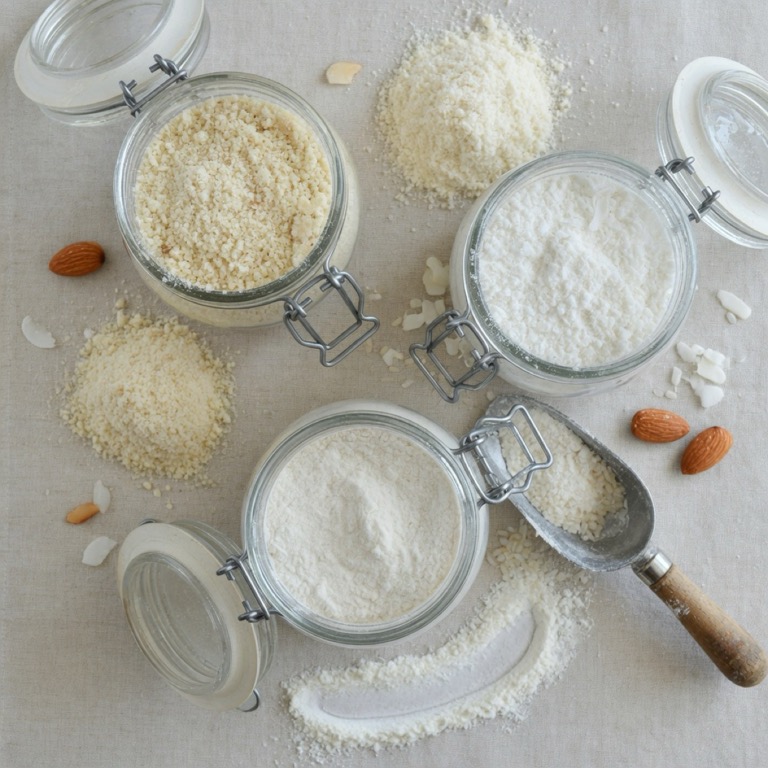
- Airtight is Best: Transfer all your GF flours, starches, and baking mixes into dedicated, airtight containers. Glass jars with rubber seals or sturdy plastic containers with locking lids are perfect.
- Label, Label, Label: This seems obvious, but it’s crucial. Clearly mark each container: “GF All-Purpose Flour,” “Tapioca Starch (GF),” “Almond Flour (GF).” Add the purchase date, too. This prevents mix-ups and helps you rotate stock. Don’t rely on memory, especially if others use your kitchen.
- Separate Storage Space: If possible, give your GF flours their own shelf in the pantry or a dedicated cupboard. Keep them *above* any gluten-containing flours. Gravity is a thing. You don’t want wheat flour dusting down onto your GF treasures.
Tools of the Trade: No Shared Spoons Here!
Now we move to the tools. This is where many unwitting cross-contamination crimes occur.
Dedicated Utensils are Non-Negotiable:
- Measuring Cups & Spoons: You need separate sets for your gluten-free baking. Period. Imagine measuring wheat flour, then washing that same cup and using it for your GF almond flour. Tiny particles can cling to crevices, even after a wash. It’s a risk you don’t need to take. Get a brightly colored set just for GF, or label them boldly.
- Sifters & Whisks: These are notorious traps for gluten particles. A wire whisk can hold onto gluten dust like a magnet. A sifter, with its fine mesh, is even worse. Have dedicated GF sifters and whisks. Store them separately.
- Mixing Bowls & Bakeware: While ceramic and metal bowls are generally safe after thorough washing, if you have plastic bowls that have seen a lot of gluten-containing flour use, consider replacing them or dedicating them to gluten baking. Plastic can develop scratches where gluten particles can hide. For more details on safe tools, check out our guide on Utensils & Cutting Boards: Preventing Cross-Contamination in the Kitchen.
The Clean Zone: Your Gluten-Free Baking Oasis
This is about creating a safe bubble for your baking.
Clear the Decks:
- Clean Surfaces First: Before you even *think* about opening a bag of GF flour, thoroughly clean your countertops. Wipe them down with hot, soapy water, then sanitize. Crumbs and invisible flour dust from earlier meals or baking sessions are major culprits.
- Designate a GF Space: If you share a kitchen, carve out a specific area that is *always* cleaned thoroughly before you bake GF. This might be a section of the counter, a particular cutting board (dedicated, of course!).
- Bake GF First: If you’re making both gluten and gluten-free items, always prepare and bake the GF items first. This minimizes the chance of airborne gluten flour settling on your ingredients or tools before you even start.
The Baking Process: Vigilance in Action
You’ve got your clean zone and dedicated tools. Now, let’s look at the actual act of baking.
Mind the Mess:
- Open Bags Carefully: When opening a new bag of GF flour, do so away from your clean workspace if possible, or at least very gently. Minimize that “dust cloud.”
- Avoid Flour Puffs: When measuring, don’t bang your measuring cup to level it over your mixing bowl. Level it over a trash can or a separate plate. Those puffs of flour can travel.
- Handwashing is Golden: This seems obvious, but it’s often overlooked. Wash your hands thoroughly with soap and water before you start GF baking. Wash them again if you’ve touched anything potentially contaminated (like a bag of wheat flour, a shared utensil, or even your phone).
Shared Kitchens and The Art of Coexistence
Living in a shared household, whether with family or roommates, adds another layer of complexity. But it’s totally manageable with clear communication and a few smart strategies.
Communicating Your Needs:
- Educate Others: Gently explain *why* cross-contamination is a big deal for you. Often, people just don’t understand the severity. A quick, friendly chat goes a long way.
- Establish Boundaries: Clearly communicate which areas, tools, and even shelves are strictly for GF use. Maybe use different colored dish towels for wiping down GF surfaces.
- Dedicated Appliances: While this post focuses on flour, remember that appliances like toasters and air fryers can also harbor crumbs. Learn more about keeping them safe in our article on Toaster & Air Fryer Safety: Keeping Shared Appliances Gluten-Free.
Shopping Smart: Certified GF Flours
Finally, let’s talk about sourcing your flours.
Look for the Label:
- Certified Gluten-Free: Always prioritize flours and baking mixes that are clearly labeled “Certified Gluten-Free.” This means they’ve been processed in facilities that prevent cross-contamination and tested to ensure they meet strict gluten-free standards (typically less than 20 ppm). Brands like Bob’s Red Mill, King Arthur Baking Company, and Pamela’s Products often have excellent certified GF options.
- Be Wary of Bulk Bins: While they might seem economical, bulk bins for flours (even naturally GF ones like rice flour or oat flour) are high-risk areas. Scoops are often shared, and airborne flour from nearby bins can settle into others. It’s just not worth the risk. Stick to pre-packaged, certified options. The FDA has clear guidelines on gluten-free labeling, which can help guide your choices.
Embrace the Abundance!
Look, I know this might sound like a lot of rules. But truly, it’s not about limitation; it’s about liberation. Once you get these practices down, they become second nature. It’s like learning to ride a bike; a little wobbly at first, then you’re soaring! These simple steps ensure that every single delectable crumb you bake is truly safe and truly delicious.
So, go ahead! Whip up that fluffy stack of GF pancakes, bake that glorious artisan GF bread, or create the most incredible batch of GF cookies. You’ve got this. With a little awareness and a sprinkle of care, your gluten-free kitchen will be a fortress of flour power, producing endless joy and incredible eats. Happy baking!