Utensils & Cutting Boards: Preventing Cross-Contamination in the Kitchen (2026)

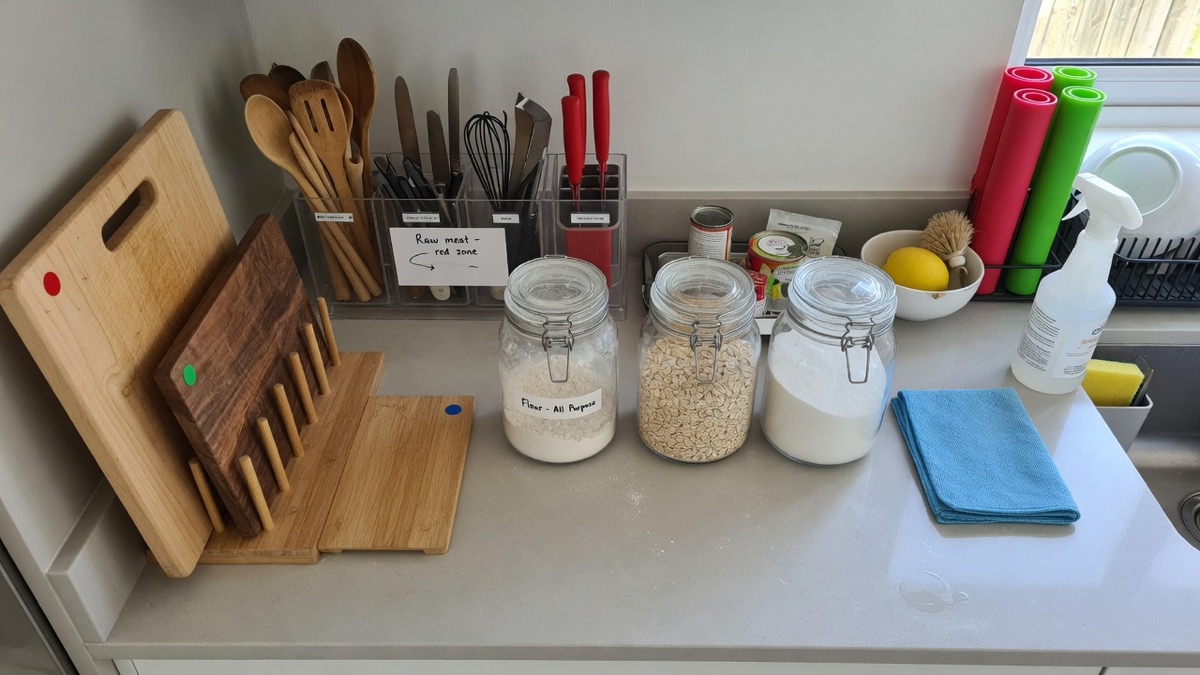
Hey there, fellow food adventurers! It’s 2026, and our gluten-free kitchens are truly vibrant places, bursting with flavor and creativity. We’ve got incredible GF flours, delicious GF breads, and more amazing options than ever before. But here’s the thing: while we celebrate all that deliciousness, we also need to be clever, a little bit like culinary ninjas, when it comes to keeping our food truly safe. Today, we’re diving into a super important topic, one that might seem small but packs a big punch: our utensils and cutting boards. These everyday tools can be sneaky culprits for cross-contamination if we’re not mindful. Think of them as the silent guardians (or potential saboteurs!) of your GF peace of mind. We’re all about Preventing Gluten Cross-Contamination, and getting our tools right is a huge piece of that puzzle.
The Invisible Intruder: Why Your Tools Matter
So, what exactly is cross-contamination? Basically, it’s when gluten from non-GF foods accidentally transfers to your perfectly safe GF goodies. And trust me, it doesn’t take much. A microscopic crumb, a stray sprinkle of flour, a tiny residue on a spoon – that’s all it needs. For someone with celiac disease or severe gluten sensitivity, even these tiny amounts can cause real trouble. It’s like trying to keep sugar out of your salt shaker; once it’s in, it’s hard to get it all out.
Our kitchen tools are often the unwitting couriers of these gluten particles. They touch all our food, right? From slicing bread to stirring sauces, they’re in the thick of it. And while a good wash helps a lot, some materials and situations need a little extra thought. We want to enjoy every single GF meal, totally worry-free. So, let’s make sure our spatulas, knives, and cutting boards are on our team, not accidentally working for the other side.
Cutting Boards: Drawing a Clear Line in the Sand (or on the Counter)
When it comes to cutting boards, we’ve got a critical area to address. These are flat surfaces, often porous, that come into direct contact with everything we chop. That makes them prime real estate for gluten particles to hide.
Plastic vs. Wood: The Great Debate
- Plastic Boards: These are generally a good choice for GF. They are non-porous and can go in the dishwasher. Dishwashers, with their high heat and strong detergents, do an excellent job of cleaning gluten residue. The key is to replace them when they get deeply scored, because those tiny grooves can become tiny gluten hideouts, even after washing.
- Wooden Boards: Ah, the beauty of wood! But here’s the catch: wood is naturally porous. It can absorb liquids and microscopic particles. This means if you’ve been slicing gluten-containing bread or kneading dough on a wooden board, gluten can seep into those tiny wood fibers. Even intense washing might not get it all out. If you love your wooden boards, dedicate one (or more!) exclusively to your GF cooking. No sharing, no exceptions.
Our Clear Recommendation: Dedicated GF Boards!
This is where we get serious. For your peace of mind, have at least one (ideally two or three) cutting board that is *only* for GF foods. And make it obvious!
- Color-Coding: This is a simple, visual winner. Maybe your GF board is bright green, while the shared one is white. Everyone in the household knows green means go for GF.
- Labeling: A permanent marker on the underside, a distinct sticker, or even a specific corner of the kitchen where only GF boards live. Make it crystal clear.
- Storage: Keep your dedicated GF boards physically separate from any shared or non-GF boards. Stack them on their own, or hang them in their own spot.
Remember, a cutting board is a foundation for so many meals. Don’t let it become a weak link in your GF defense.
Utensils: Small Tools, Big Impact
Now, let’s talk about the smaller players, our everyday spoons, spatulas, and whisks. These might seem less intimidating than a cutting board, but they interact with our food constantly.
The “One and Only” Rule for Key GF Utensils
Some items are notorious for trapping gluten. For these, it’s best to have dedicated GF versions:
- Colanders and Sieves: The tiny holes in these are perfect for catching small bits of pasta, flour, or crumbs. Once gluten is in those crevices, it’s incredibly tough to clean out completely. Invest in separate GF colanders and sieves.
- Wooden Spoons: Just like wooden cutting boards, wooden spoons are porous. They absorb flavors, liquids, and yes, gluten particles. If you stir gluten-containing gravy with a wooden spoon, it’s now a gluten spoon. Best to keep a set of designated GF wooden spoons, or stick to metal/silicone for shared kitchens.
- Plastic Spatulas and Mixing Spoons: While often dishwasher safe, if they’ve been used to mix thick gluten-containing batters or doughs, and especially if they’re scratched, they can harbor gluten. Consider having dedicated GF versions, particularly for baking.
For other utensils, like metal spatulas, whisks, and serving spoons, thorough washing in a dishwasher is usually sufficient. But if there’s any doubt, or if you prefer absolute certainty, dedicate a set. Maybe they all have a specific colored handle, or they live in their own drawer. Whatever makes it obvious.
The Magic of a Good Wash: Cleaning for Gluten Safety
So, we’ve talked about dedicated tools. But what about everything else? Or when we need to wash the dedicated items?
Dish Soap is Your Friend:
Here’s the good news: gluten is a protein, not a living organism. It can’t “die.” But it can be washed away. Hot water and dish soap, especially in a dishwasher, are fantastic at breaking down and removing food particles, including gluten. The mechanical action, heat, and detergents work together to separate the gluten from surfaces.
Dishwasher Dominance:
For most non-porous items (glass, ceramic, metal, most plastics), a hot dishwasher cycle is your best bet for truly cleaning away gluten. The high temperatures and powerful jets are far more effective than hand washing for microscopic particles. If you have a shared dishwasher, here’s a smart strategy: load your GF items on the top rack, away from any heavily crusted non-GF items on the bottom. Or, run a quick rinse cycle on the gluten-y stuff first, then load everything for a full wash. A little strategy goes a long way.
Hand Washing Wisdom:
If you hand wash, use plenty of hot water, lots of soap, and a dedicated GF sponge or dishcloth. Yes, another dedicated item! A sponge used to wipe down a floury counter is not your GF friend. Wash GF items first, before any non-GF dishes, to avoid contaminating your wash water. Rinse everything thoroughly.
Pro-Tips for a Super Safe (and Happy!) GF Kitchen
Let’s round this out with some actionable advice to make your kitchen life simpler and safer. This isn’t about fear; it’s about smart habits that build confidence!
- Label Everything GF: Seriously, if it’s dedicated GF, put a sticker on it, color-code it, tie a ribbon around it. Make it impossible to mistake.
- Storage, Storage, Storage: Keep your dedicated GF utensils and cutting boards in their own drawer, cabinet, or area. Out of sight, out of mind doesn’t apply here. Separate means safe. This ties in beautifully with creating Dedicated Gluten-Free Zones: Creating Safe Spaces in a Shared Kitchen.
- Replace When Worn: As plastic boards and spatulas get heavily scratched or scored, it’s time to retire them. Those deep cuts become incredibly difficult to clean. A little investment in new, smooth surfaces is worth it.
- Communication is Key: If you share a kitchen, talk to your family or housemates. Explain *why* dedicated tools are important. Most people are happy to help once they understand. You could even point them to our Setting Up a Gluten-Free Kitchen: A Beginner’s Guide for extra help!
- Always Wash Hands: Before you even *touch* your dedicated GF tools or ingredients, make sure your hands are clean. This seems obvious, but a quick rinse isn’t enough if you just handled a cracker.
“Can I Just Wash It Really Well?” The Big Question
This is a common question, and it’s a good one. For many items, yes, you absolutely can wash them really well and render them safe. Think glass bowls, metal pots and pans, sturdy ceramic plates. These items are non-porous and clean up beautifully in a dishwasher. The hot water and strong detergent effectively remove gluten particles.
However, for items with intricate designs, scratches, porous materials, or tiny crevices (like those colanders, old wooden spoons, or deeply scored plastic boards), the answer becomes a cautious “maybe, but why risk it?” The risk of a hidden crumb or residue is simply too high for something so important to your health. It’s always better to opt for dedicated GF tools in those specific cases. It removes all doubt and lets you eat with total confidence. Plus, the peace of mind is priceless, right?
Remember, the goal isn’t to be paranoid, but to be informed and prepared. Making smart choices about your kitchen tools is a foundational step in enjoying a truly safe and delicious GF lifestyle. It’s about creating a safe haven where you can cook and eat freely, without a second thought about gluten sneaking in. This understanding helps us appreciate the journey even more. Every dedicated GF spoon, every separate cutting board, is a little victory, helping you savor every single bite.
To learn more about gluten cross-contamination, you can check out resources from organizations like Beyond Celiac, which offers great insights into kitchen safety. Also, for detailed information on how cleaning agents tackle food residues, you might find this article on cleaning and sanitizing from Penn State Extension helpful (just remember, we’re talking about gluten removal, not pathogen killing, which requires sanitizing).