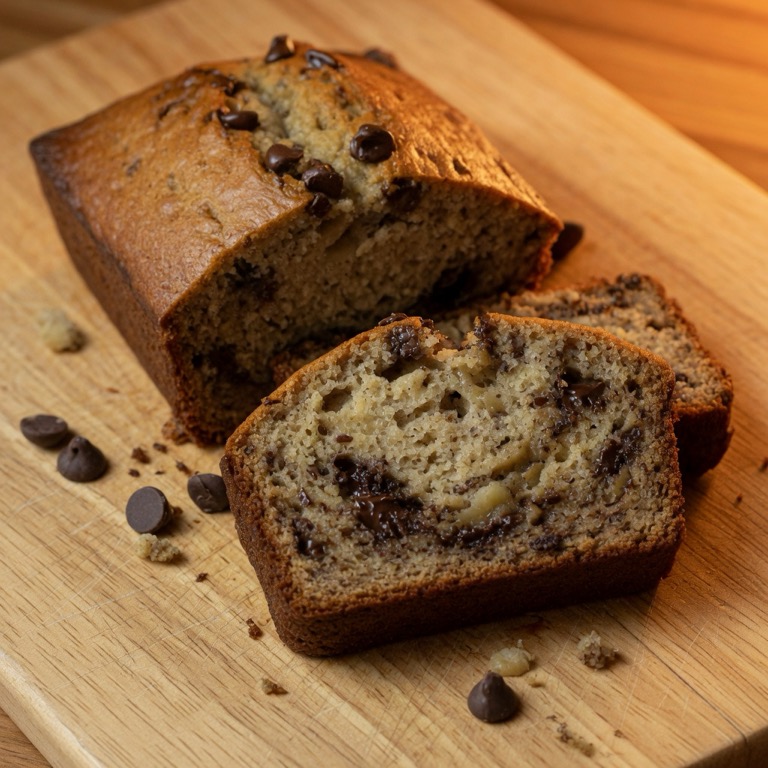
The Rise of Ancient Grains in Gluten-Free Baking (2026)

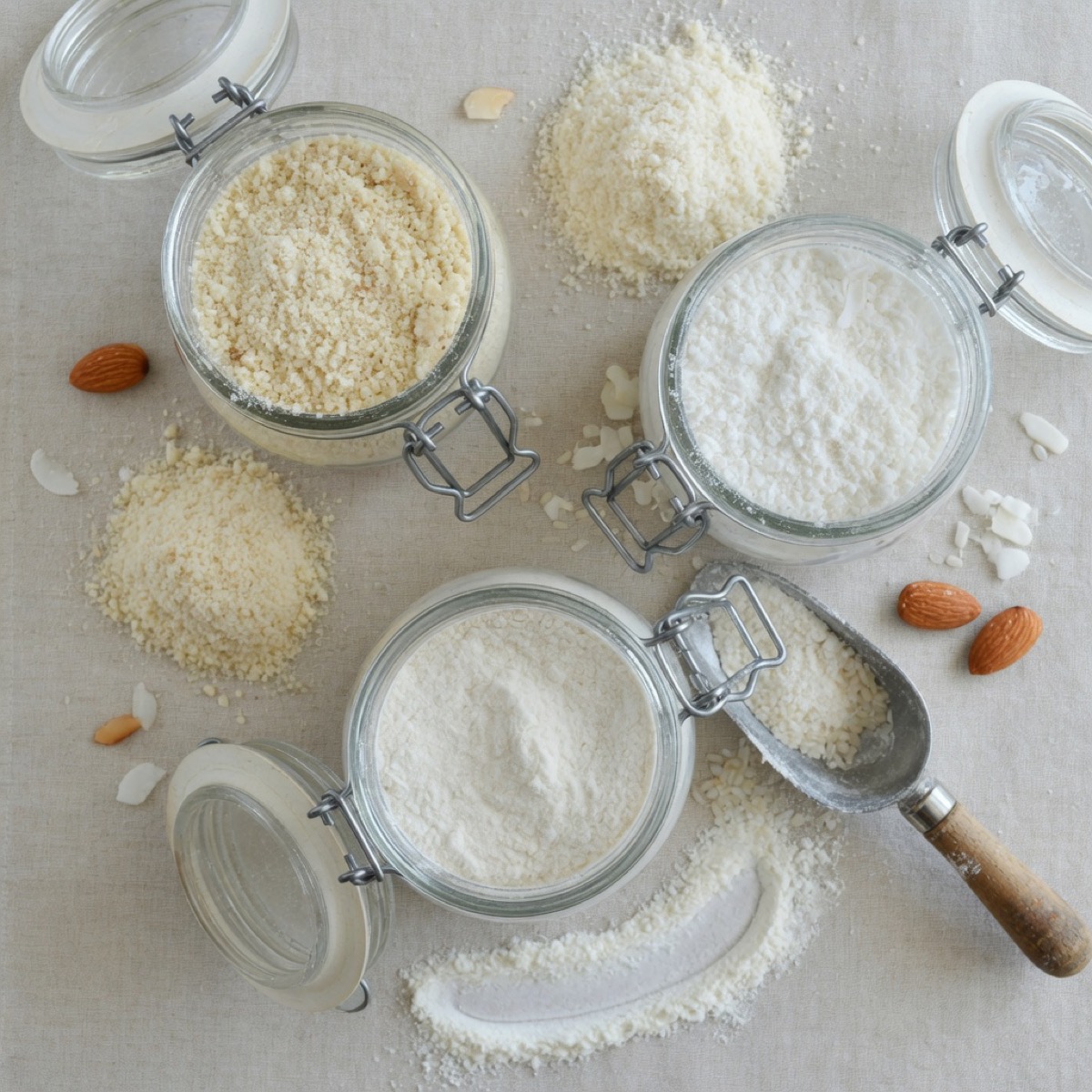
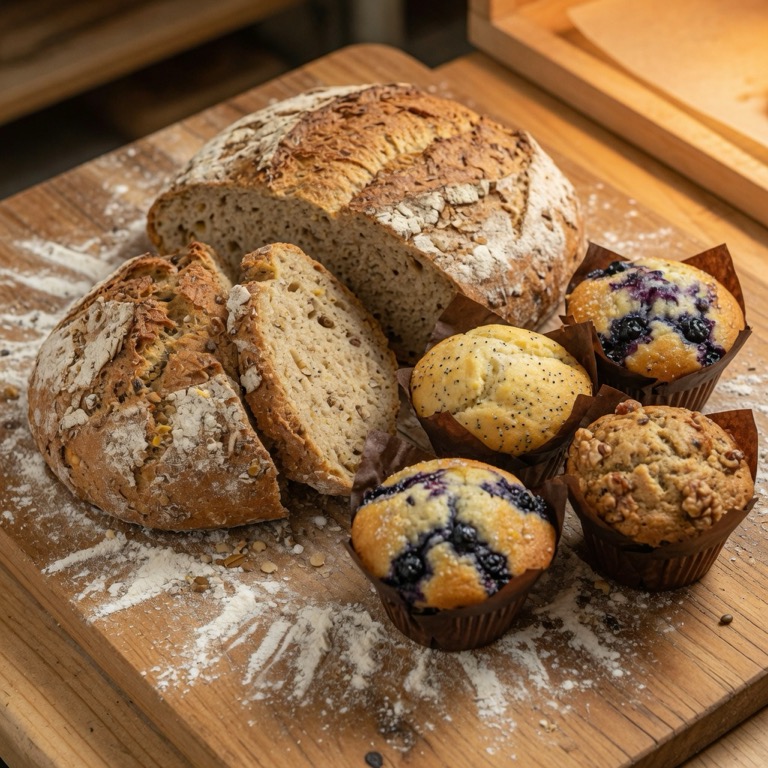
Oh, my gluten-free friends! Let’s talk about something truly exciting happening in our kitchens right now. You know how far we’ve come, right? From those early days of dense, crumbly GF bread (bless its heart, it tried!) to the truly delightful bakes we enjoy today. It’s been a journey of discovery, and frankly, a delicious one. And a big part of that deliciousness, that evolution, comes from a truly wonderful place: ancient grains.
Forget everything you thought you knew about gluten-free baking being a compromise. We’re not just surviving anymore; we are thriving! And ancient grains are giving us the tools to bake truly incredible things. This shift, this embrace of grains that have nourished humanity for millennia, is a fascinating part of Research & Innovations in Gluten-Free that I just can’t get enough of.
Why Ancient Grains are Your New Best Friends in the Kitchen
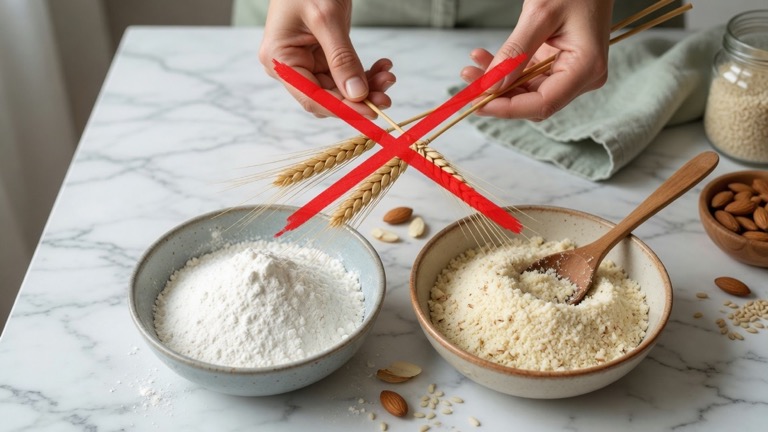
For a long time, the GF baking world felt a bit limited. We relied heavily on starches like rice flour, tapioca, and potato starch. They did a job, sure. They created something akin to baked goods. But let’s be honest, sometimes they felt a bit… flat. A bit one-note. Like a cake made only with sugar and no butter. It misses something.
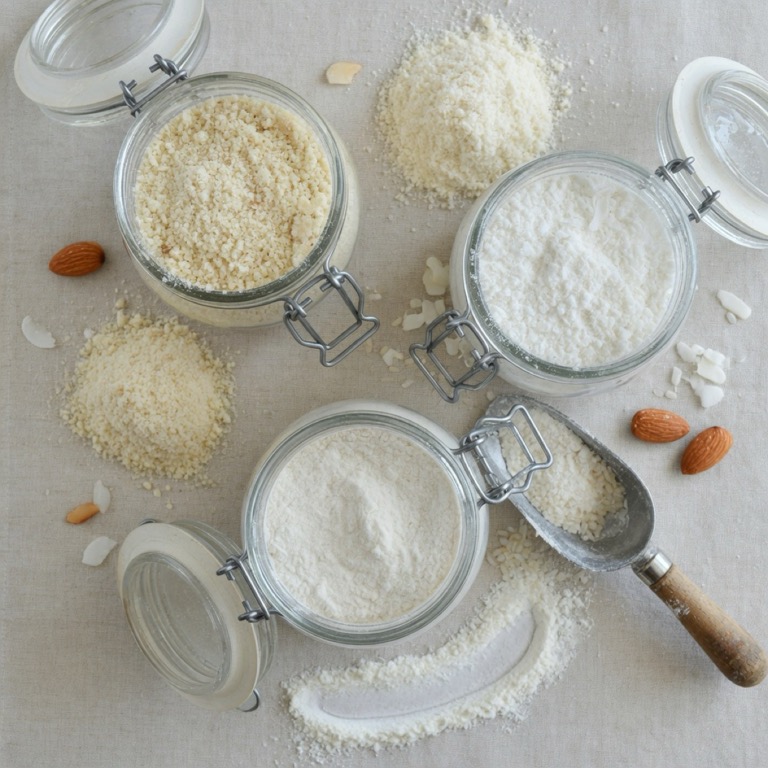
That’s where ancient grains sashay onto the scene. These aren’t new discoveries; they’re grains that have largely remained unchanged for centuries. They haven’t been heavily bred for specific traits like wheat has. And what they bring to our GF baking is nothing short of magical:
- Flavor Depth: Forget bland. Ancient grains bring earthy, nutty, sometimes even slightly sweet or malty notes. Your bread, muffins, and cookies will have character!
- Nutritional Punch: Many are naturally higher in protein, fiber, vitamins, and minerals than refined starches. This means your treats can be more satisfying and nourishing.
- Texture, Glorious Texture: Ah, the holy grail of GF baking! These grains can add structure, chewiness, moisture, and a delightful crumb that was once hard to achieve.
- Natural Binding Power: Some ancient grains, like teff or amaranth, have a natural gumminess (in a good way!) or protein structure that helps hold bakes together. This means less reliance on xanthan gum for some recipes.
Think of it this way: if traditional GF baking was like painting with just primary colors, ancient grains are suddenly giving us a whole palette of vibrant, rich hues. We can create masterpieces now!
Meet the Stars of the Ancient Grain Show
Ready to dive into some specifics? These are just a few of the grains making waves, and honestly, each one deserves its own fan club.
Teff: The Tiny Ethiopian Powerhouse
This little guy, a staple in Ethiopian cuisine, is seriously small, like poppy seeds! But don’t let its size fool you. Teff flour (both light and dark varieties exist) brings an earthy, slightly molasses-like flavor. It’s fantastic for adding structure and a beautiful dark hue to breads, injera (Ethiopian flatbread), and even chocolate cakes. It’s high in iron and calcium, plus it’s got good protein. Your bakes will thank you for this addition.
Sorghum: The Versatile All-Rounder
If you’re looking for a workhorse, sorghum is it. It has a mild, slightly sweet flavor that blends well into almost any recipe. It’s light in color, making it perfect for cakes, cookies, and lighter breads where you don’t want a strong dominant flavor. Sorghum flour gives a lovely soft crumb and can often replace a good portion of other GF flours in your blends. Plus, it’s a good source of fiber and antioxidants. It’s the quiet achiever in your flour pantry.
Millet: The Crunchy, Slightly Sweet Contributor
Often thought of as birdseed (let’s get past that, okay?), millet is actually wonderfully versatile. As a flour, it’s slightly sweet and has a light, fluffy texture. It’s great for adding a delicate crispness to cookies or a softer crumb to muffins. Whole millet grains can be cooked like rice, popped like popcorn, or even added to bread dough for a delightful textural crunch. Imagine a GF focaccia with popped millet on top! It’s also easy to digest and packed with magnesium.
Amaranth: The Protein-Rich Binder
Another tiny seed, amaranth flour brings a nutty, slightly peppery taste. It’s a protein powerhouse, actually a complete protein, which is fantastic for plant-based diets. In baking, it acts as a binder, helping to hold things together, making it a wonderful addition to breads, crackers, and even thickeners for sauces. You can also pop amaranth seeds like tiny popcorn for a crunchy topping on salads or yogurt.
Buckwheat: The Misnamed Marvel
Despite its name, buckwheat is not wheat at all! It’s actually a fruit seed related to rhubarb. Phew! It comes in both light (hulled) and dark (unhulled) varieties. The dark flour has a more robust, earthy flavor, perfect for hearty breads, pancakes, and blinis. The lighter flour is milder, good for lighter baking. Buckwheat is packed with rutin, an antioxidant, and gives a distinct, rustic charm to your GF bakes. Think sourdough with real backbone!
Quinoa: The Ancient Seed with Modern Appeal
You probably know quinoa as a grain to cook and eat, but quinoa flour is equally impressive. It has a slightly bitter, earthy flavor that works wonderfully in savory bakes, or when combined with sweeter flours for balance. It’s another complete protein, high in fiber, and adds a unique moistness to baked goods. It’s truly a superstar, whether cooked or ground into flour.
The Baking Science (Simplified, of Course!)
So, how do these grains work their magic in gluten-free baking? It really boils down to a few key things:
* **Different Starches:** Each grain has its own unique starch profile. Some gelatinize (thicken) differently when heated, affecting texture and moisture retention. This is why you get different results with different flours.
* **Fiber Content:** Many ancient grains are rich in dietary fiber. This isn’t just good for your gut; it also helps hold moisture in baked goods, keeping them from drying out too quickly. It’s like a tiny sponge within your cake!
* **Protein Structure:** While they lack gluten, these grains have their own protein structures. Some, like amaranth, have proteins that help create structure and elasticity. This helps prevent that crumbly texture we used to dread.
* **Natural Gums:** Some grains naturally contain compounds that act like gums, helping to bind ingredients and create a more cohesive dough or batter.
It’s less about a single “magic bullet” and more about how these unique qualities play together in a symphony of flavors and textures. That’s why building a good GF flour blend often involves a few different ancient grains.
Putting Ancient Grains to Work: Tips for Your Kitchen
Ready to get baking? Here are a few friendly pointers:
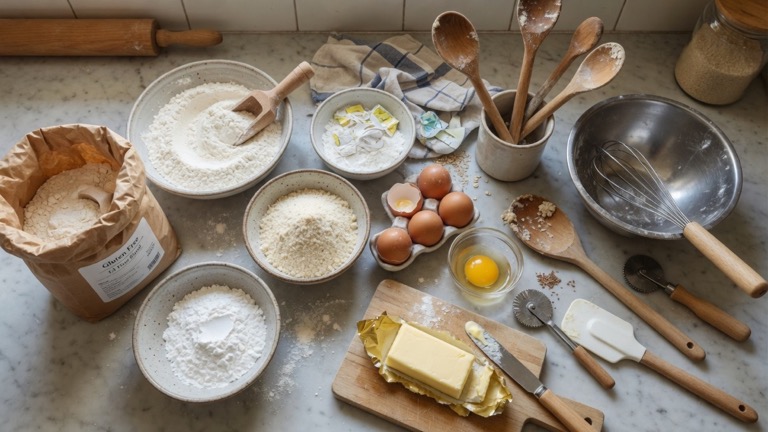
1. Start Small: Don’t feel you need to overhaul your entire flour blend overnight. Begin by swapping out 1/4 to 1/2 cup of your usual GF flour mix for an ancient grain flour in a recipe you know well. See how it changes things!
2. Blend, Blend, Blend: The best GF baking often comes from a combination of flours. Ancient grains shine when paired with other GF flours and starches. Think of it like a team sport – everyone brings their best qualities.
3. Hydration is Key: Many ancient grain flours absorb more liquid than rice or tapioca flour. You might need to adjust the liquid in your recipe. Add slowly until you reach the right consistency.
4. Taste Test: Each ancient grain has a distinct flavor. Before committing to a big batch of cookies, try making a small batch or even a single pancake to get a feel for the taste.
5. Embrace the “Crumb”: These flours often yield a different crumb structure than traditional wheat or even standard GF flours. It might be slightly denser, or have more texture. That’s a good thing! It’s character.
The world of ancient grains is vast and exciting. There are others too, like cassava (though technically a root, its flour acts like an ancient grain in some ways), tiger nut (another tuber, but used like a grain flour), and even different varieties of rice like wild rice flour. Each brings its own special something to the table. For those curious about the science of texture, you might enjoy reading about Innovations in Gluten-Free Bread Texture: A Scientific Review, as many of these grains play a crucial role there.
Beyond Flour: Whole Grains and Their Benefits
Don’t forget that many ancient grains can be enjoyed whole, too! Cooked quinoa, millet, or sorghum can be added to salads, porridges, or even folded into bread dough for extra chew and nutrition. Popped amaranth or millet makes a fun, crunchy garnish. These whole forms are fantastic sources of fiber, which is super important for a happy gut, a topic often explored in Decoding the Gut Microbiome: Impact of a Gluten-Free Diet.
Your Kitchen, Your Canvas
The bottom line here is abundance. Going gluten-free doesn’t mean eating dull, tasteless food. It means discovering an entire universe of incredible ingredients. Ancient grains are a perfect example of this. They invite us to experiment, to create, and to truly enjoy our food. They make our baking richer, tastier, and more nutritious.
So, next time you’re at the grocery store, grab a bag of teff or sorghum flour. Try a new recipe. Play around! Your taste buds, and your happy tummy, will thank you. The future of GF baking is bright, full of flavor, and powered by these magnificent, ancient wonders. Happy baking, my friends!
***
Sources: