Cross-Contamination vs. Intentional Gluten: Knowing the Difference (2026)

Alright, my fellow gluten-free explorers! Pull up a chair, grab a mug of your favorite (naturally GF, of course) brew, because we’re about to tackle a topic that’s super important for every single one of us: the difference between intentional gluten and that sneaky, often invisible troublemaker, cross-contamination.
Think of it this way: your gluten-free journey is like baking a perfect batch of chewy, delicious cookies. You pick your ingredients carefully, right? Almond flour, some rich chocolate chips, a splash of vanilla. Those are the choices you *intentionally* make. But what if a tiny speck of regular wheat flour from another baking project drifts onto your counter and into your GF batter? That’s cross-contamination. It wasn’t invited, it wasn’t chosen, but it can still mess up your masterpiece.
Understanding this distinction isn’t just academic; it’s absolutely crucial for protecting your health and truly thriving on a gluten-free diet. Let’s dig in! And remember, this knowledge is power. The kind of power that keeps you feeling fantastic.
The Big Bad: Intentional Gluten
First up, let’s talk about intentional gluten. This is the stuff that openly declares itself. It’s the obvious wheat bread, the barley soup, the rye crackers. When you see a bagel or a regular pasta dish, you know what you’re getting into. There’s no mystery here.
Gluten, at its heart, is a protein found in wheat, barley, and rye. It’s what gives traditional dough its elasticity and chewiness. Bakers love it; we avoid it. For folks with celiac disease, even a crumb of these intentional gluten sources can trigger an immune response that damages the small intestine. For those with non-celiac gluten sensitivity (NCGS), it can lead to a whole host of uncomfortable symptoms, from digestive distress to brain fog and fatigue.
So, avoiding intentional gluten means saying “no, thank you” to anything made with those grains. That’s the baseline. That’s step one on our GF journey. But here’s where things get a bit more complex, and where our expert friend hat really comes in handy.
The Sneaky Villain: Cross-Contamination
Now, let’s talk about cross-contamination. This is where gluten gets introduced to an otherwise gluten-free food or surface accidentally. It’s not an ingredient; it’s an intruder. And honestly, it’s the reason many people struggle to feel truly well even after going “gluten-free.”
Imagine a busy restaurant kitchen. You order a grilled chicken salad, specifically asking for it to be GF. Sounds safe, right? But what if that chicken was cooked on the same grill surface as regular bread for a sandwich, without a thorough cleaning in between? Or what if the salad tongs used for your GF greens just scooped up some croutons for another order? These are classic cross-contamination scenarios.
Even minuscule amounts matter. For someone with celiac disease, exposure to as little as 20 parts per million (ppm) of gluten can be enough to cause damage. Think of 20 ppm like a grain of sand in a five-pound bag of sugar. It’s tiny, often undetectable by taste or sight, but it’s potent. That’s why certified gluten-free products must meet this strict 20 ppm standard. It’s a game of inches, or rather, parts per million.
Where Does Cross-Contamination Hide?
It’s astonishing how many places gluten can lurk. Let’s list a few common culprits:
- Shared Appliances: Your home toaster, for example. If you toast regular bread in it, then try to toast a GF slice, those crumbs are hitching a ride. This is a big one! For more on this, check out our guide on Toaster & Air Fryer Safety: Keeping Shared Appliances Gluten-Free.
- Cutting Boards and Utensils: Imagine slicing a regular sandwich on a wooden cutting board, then using the same board (even wiped down) for GF veggies. Gluten can seep into porous surfaces.
- Deep Fryers: If a restaurant fries both gluten-containing items (like breaded onion rings) and “gluten-free” fries in the same oil, the oil itself becomes contaminated.
- Flour Dust: In a bakery or kitchen where wheat flour is flying, that dust can settle on everything, including your supposedly GF baked goods.
- Condiments and Spreads: Picture a jar of jam or peanut butter shared with regular toast. Gluten crumbs dive right in.
- Serving Utensils: A buffet line is a classic example. A spoon that served regular pasta might be accidentally used for the GF rice.
This isn’t about being paranoid; it’s about being informed and proactive. It’s about protecting yourself so you can feel your best, every single day.
Why This Distinction Matters So Much
Understanding the difference between intentional gluten and cross-contamination is truly your superpower. Why? Because it directly impacts your health and well-being.
If you’re meticulously avoiding wheat bread but constantly eating fries from a shared fryer, you might still experience symptoms and intestinal damage. You’re trying your best, but the sneaky villain is getting through. The good news? Once you recognize cross-contamination for what it is, you can take concrete steps to prevent it. This isn’t about limitation; it’s about liberation from accidental gluten exposure.
The symptoms of cross-contamination can often mirror those of intentional gluten exposure. Your body doesn’t care if the gluten was a deliberate ingredient or a rogue crumb; it reacts all the same. So, if you’ve gone GF but still feel “off,” cross-contamination is a prime suspect to investigate.
Becoming a Cross-Contamination Pro: Your Action Plan
Don’t worry, my friend, this isn’t a call for kitchen lockdown! It’s about smart, practical strategies.
At Home: Your GF Sanctuary
Your kitchen can (and should!) be your safest space. Here’s how you make it happen:
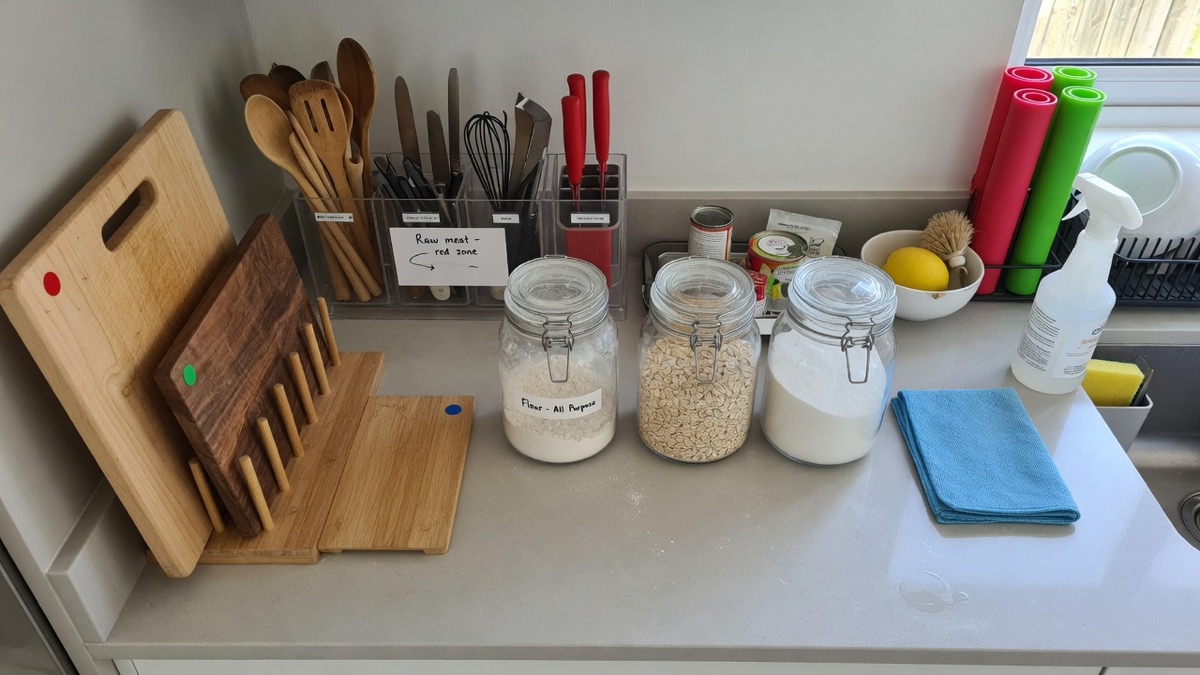
- Dedicated Gear: Consider separate toasters, cutting boards, and even color-coded utensils for GF cooking. It’s a small investment for huge peace of mind. Our Setting Up a Gluten-Free Kitchen: A Beginner’s Guide has loads of ideas.
- Storage Savvy: Store GF items on higher shelves or in clearly labeled containers, above any gluten-containing items. Gravity is not your friend here.
- Clean Surfaces: Always clean counters and tables thoroughly before preparing GF food, especially if gluten-containing foods have been prepared there.
- Condiment Control: Use squeeze bottles for shared condiments or have separate jars of butter, jam, and spreads specifically for GF use.
Dining Out: Ask All the Questions
Eating out can be a joyful experience, not a source of anxiety. You just need to be your own advocate.
- Communicate Clearly: Explain your dietary needs plainly. “I have celiac disease, so no gluten at all, not even cross-contamination, please.”
- Ask Specifics: Don’t just ask “Is this gluten-free?” Ask “Is it cooked in a dedicated fryer?” “Are separate cutting boards used?” “Do they change gloves?”
- Look for GF-Friendly Spots: Many restaurants are fantastic about GF protocols. Seek them out! Online reviews and dedicated GF apps are super helpful.
Grocery Shopping: Your Label Detective Skills
Becoming a label sleuth is truly one of the most powerful skills you’ll gain.
- Look for Certification: The “Certified Gluten-Free” logo (often from organizations like GFCO, NSF, or CSA) is your best friend. This means the product meets the strict 20 ppm standard.
- Read Ingredients: Even if a product isn’t certified, you still need to check the ingredient list for obvious gluten sources. Remember, reading labels beyond ‘Gluten-Free’ is critical for spotting those sneaky hidden contaminants.
- “May Contain” Statements: These are trickier. They mean the manufacturer cannot guarantee the absence of cross-contamination due to shared equipment. Whether you risk these depends on your sensitivity level. When in doubt, it’s often safer to skip.
This journey isn’t about fear; it’s about building confidence. It’s about knowing your food, understanding your body, and making choices that let you feel vibrant and alive. The world of gluten-free eating is bursting with delicious options, from fluffy sourdough bread made with rice flour to incredible grain-free desserts. This knowledge of cross-contamination versus intentional gluten just helps you enjoy them safely.
So, go forth, my friends! Be discerning. Be confident. And remember, every step you take to understand and prevent gluten exposure, whether intentional or accidental, brings you closer to a healthier, happier you. You’ve got this! For a deeper dive into making your entire home a gluten-safe zone, check out our full guide on Preventing Gluten Cross-Contamination.