Travel Tips for Celiacs: Minimizing Cross-Contamination Away From Home (2026)

Hey GF globetrotters! Dreaming of sandy beaches, ancient ruins, or bustling city streets? Ready to explore new cultures and taste new flavors? Fantastic! Because living gluten-free doesn’t mean your passport has to gather dust. Not even for a second.
I know what you’re thinking. “Travel? With celiac disease? Isn’t that just a recipe for stress and accidental gluten?” And sure, it can feel like a daunting culinary adventure at first. But trust me, with a little planning and a dash of confident communication, you can absolutely prevent gluten cross-contamination and enjoy delicious, worry-free meals wherever your journey takes you. It’s all about equipping yourself with the right tools, just like a seasoned chef brings their favorite knives to a new kitchen.
Before You Go: Your Pre-Trip GF Prep Toolkit
Think of your pre-trip planning as building your culinary fortress. The stronger your foundation, the less likely you are to encounter unwelcome gluten invaders.
Research, Research, Research (And Then Some More)
- Accommodation with Kitchenettes: This is your secret weapon. Being able to whip up a safe breakfast or a simple dinner can be a game-changer, especially in areas with fewer GF options. Many hotels and vacation rentals now offer these. It’s worth the search!
- Celiac-Friendly Restaurants: Use apps like Find Me Gluten Free, or search local celiac associations for recommendations. Look for places with dedicated GF menus, or better yet, certified GF kitchens.
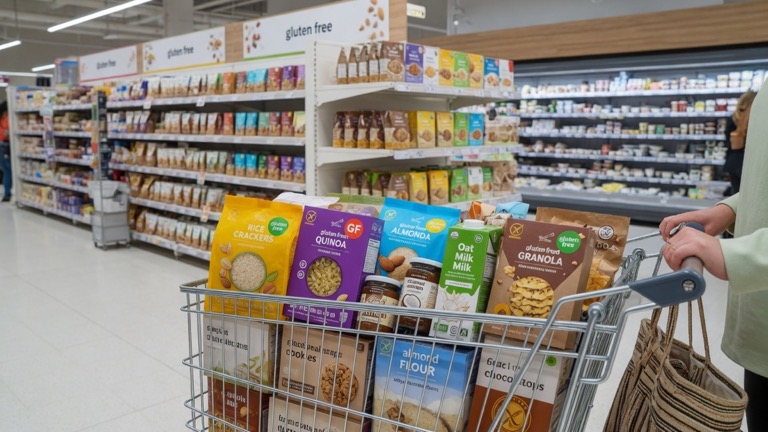
- Local Grocery Stores: Identify a few supermarkets near your accommodation. You’ll want to stock up on safe snacks, breakfast items, and maybe even ingredients for a quick meal.
Pack Smart: Your GF Survival Kit
This isn’t about deprivation; it’s about preparedness. Think of it as your portable pantry.
- Snack Attack!: Always have safe snacks on hand. Think GF granola bars, fruit, nuts, jerky, rice cakes, or shelf-stable crackers. These are your lifelines when unexpected delays happen or safe meal options are scarce.
- Emergency Meals: Consider packing a few packets of instant GF oatmeal, a cup of noodles, or even dehydrated GF soup mixes. Just add hot water, and you’ve got a quick, safe bite.
- Communication Cards: Seriously, these are gold. Print celiac translation cards in the local language(s) that clearly explain celiac disease and the need for gluten-free food (no wheat, barley, rye, oats, cross-contamination). There are plenty of reliable resources online.
- Medication & Supplements: Don’t forget any digestive enzymes, probiotics, or other medications you normally take. Travel can be a bit disruptive, and having your routine aids is super helpful.
During Your Adventure: Navigating Away from Home
You’ve arrived! Now, let’s talk about how to keep that gluten-free glow going strong while soaking up all the amazing experiences.
Dining Out: The Restaurant Rundown
Eating out is often a huge part of travel. And it can be done safely. It truly can!
- Choose Wisely: Opt for restaurants that appear cleaner, less chaotic, and have good reviews regarding their GF options. Avoid places that seem overwhelmed or advertise “gluten-friendly” without demonstrating a true understanding of celiac needs.
- Communicate Clearly: This is where your translation cards shine. Hand one to your server, and ask them to show it to the chef. Don’t be shy about asking questions: “Can you confirm this is truly gluten-free for celiac disease?” “Do you use separate fryers for your GF options?” (because, let’s be real, the dangers of shared frying oil are real, and you deserve a safe meal).
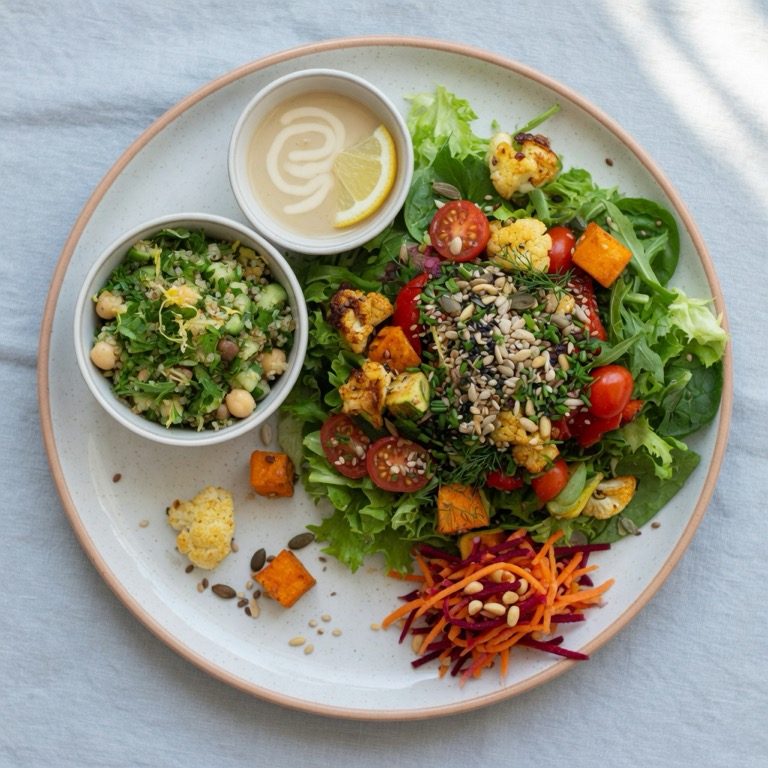
- Stick to Simple Dishes: Think grilled meats, plain steamed vegetables, or salads with oil and vinegar on the side. Sauces are often hidden gluten traps.
- Acknowledge and Appreciate: A little kindness goes a long way. Thank your server and the kitchen for their attention to your dietary needs.
For more detailed strategies, you might want to review our Gluten Cross-Contamination in Restaurants: A Checklist for Diners. It’s packed with practical advice.
Grocery Shopping Abroad: Label Detective Work
Even if you don’t have a full kitchen, a mini-fridge in your hotel room lets you keep safe breakfast items, fruit, and yogurt. When you’re in a foreign grocery store, reading labels can feel like cracking a secret code. But it’s doable!
- Learn Key Terms: Know the local words for wheat, barley, rye, and oats. Look for “gluten-free” certifications (many countries have their own symbols, often a crossed-grain logo).
- Scan for Certified Products: Many global brands now offer certified GF versions of their products, making them easier to spot.
- Whole Foods are Your Friend: Fresh fruits, vegetables, unprocessed meats, fish, and plain rice are naturally gluten-free and usually safe bets.
Self-Catering & Shared Spaces: Your Home Away From Home Kitchen
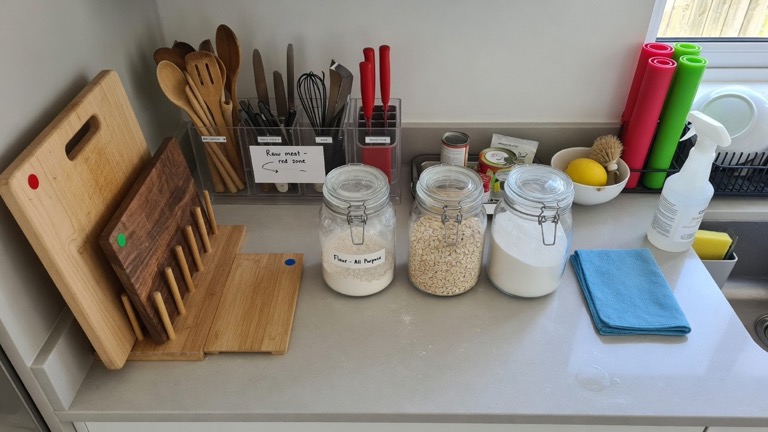
If you have that kitchenette (you savvy traveler, you!), you’ve got a fantastic opportunity to control your food. However, even in a private rental, you need to be wary of cross-contamination from previous guests.
- Wipe Down Surfaces: Give counters, stovetops, and tables a good clean before you start cooking.
- Bring Your Own Sponge/Dish Towel: These can harbor gluten particles.
- Check Utensils: Wooden spoons and cutting boards are porous and can hold onto gluten. If possible, bring a small silicone spatula or a travel-sized cutting board. Otherwise, use metal utensils and wash them thoroughly.
- Use Your Own Pots & Pans (If Concerned): For shorter trips, you might not pack a pot, but for longer stays, a small personal pan can offer peace of mind. Otherwise, wash everything meticulously before use.
This is precisely why we put together our Setting Up a Gluten-Free Kitchen: A Beginner’s Guide. The principles apply universally, even in a temporary setting!
Airports, Planes & Other Transit Points: Smooth Sailing
Travel hubs can be gluten minefields, but you can navigate them like a pro.
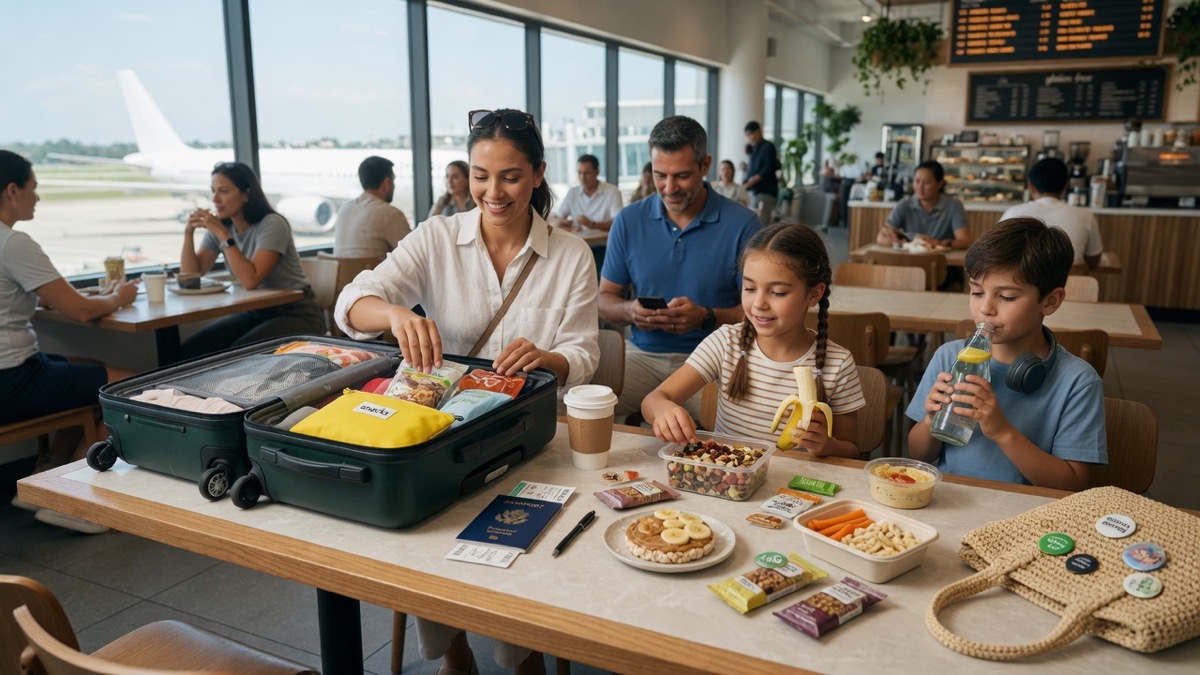
- Pack Plenty of Plane Snacks: Don’t rely on airline meals unless they have a strong reputation for safe GF options. Even then, always have backups. Pack enough for unexpected delays.
- Airport Food: Look for coffee shops with pre-packaged GF options, fruit stands, or dedicated GF cafes (they do exist!). Again, communicate clearly.
- Wipe Down Tray Tables: A quick wipe with an antibacterial wipe can’t hurt, especially if you’re eating your own packed food.
Buffets & Continental Breakfasts: Proceed with Caution
Ah, the buffet. A visually appealing spread, but often a cross-contamination nightmare. These require extreme vigilance.
- Go Early: If you must use a buffet, be the first one there. Less chance of crumbs flying around.
- Eye the Labels: Look for clear GF labels. But don’t just trust them blindly.
- Talk to Staff: Ask a server to walk you through the options, ideally pointing out dishes prepared in a separate area or served with separate utensils.
- Avoid Open Bins: Think rice, scrambled eggs, or bacon next to gluten-containing items. Tongs and spoons get swapped all the time.
- Focus on Packaged Items: Fruit, hard-boiled eggs, or single-serving yogurts are often your safest bets.
Embrace the Adventure, Not the Anxiety
Traveling with celiac disease in 2026 is so much easier than it used to be. The world is becoming more aware, and resources are abundant. Sure, it requires a bit more planning than for your gluten-eating pals, but it’s a small price to pay for exploring the world feeling fantastic.
Remember, this isn’t about fear; it’s about empowerment. It’s about taking control of your health so you can truly enjoy every moment of your journey. You are capable, you are prepared, and you are going to have an amazing, delicious, and gluten-free adventure.
So, pack those bags (and those GF snacks!), grab your translation cards, and get ready to make some incredible memories. The world is waiting for you!
For more insights on keeping your kitchen safe at home or when traveling, check out this guide on preventing cross-contamination from Beyond Celiac, or read this excellent resource from the Celiac Disease Foundation on traveling gluten-free.