Gluten-Free Spice Brands: Avoiding Cross-Contamination (2026)


Hey, fellow flavor adventurers! You know, when we talk about going gluten-free, our minds often jump straight to the big stuff: bread, pasta, cookies. And yes, finding truly delicious GF bread or the perfect gluten-free cookies is a game-changer. But sometimes, the tiniest ingredients can cause the biggest headaches. We’re talking about those little jars of magic that transform bland into brilliant: spices!
Think about it. Spices are the backbone of incredible meals. They’re the secret handshake between ingredients, making a simple chicken dish sing or turning plain veggies into a vibrant feast. But here’s the kicker: even something as seemingly innocent as a jar of cumin or a pouch of paprika can hide gluten. Yup, it’s true. It’s not about the spice itself, but how it travels from farm to your pantry. This isn’t just a minor detail; it’s a crucial one for our health and peace of mind. That’s why we’re diving deep into gluten-free spice brands and how to dodge that sneaky villain, cross-contamination. We’re all about making confident choices in the kitchen, and that includes the smallest sprinkles of flavor. For more general guidance on making smart GF choices, always check our main resource on Gluten-Free Products & Trusted Brands.
Why Spices Can Be Tricky (The Gluten’s Sneaky Path)
So, how does gluten, a protein found in wheat, barley, and rye, end up in your innocent ground ginger? It’s usually not intentional. It’s a byproduct of shared spaces and processes. We’re talking about something called “cross-contamination.”
Imagine this: a big factory processes various food items. One day, it grinds wheat flour. The next, it’s grinding cinnamon sticks. If the equipment isn’t meticulously cleaned between batches, microscopic gluten particles can linger. These tiny culprits then hitch a ride into your spice jar. It’s like trying to keep sugar out of your salt shaker when they’re sitting right next to each other on a busy diner counter. Possible, but it takes effort!
Another sneaky pathway? Anti-caking agents. Sometimes, manufacturers add starches to spices to prevent clumping. If that starch comes from wheat, boom, you’ve got gluten. Also, some spice *blends* (like curry powder or chili mixes) might include ingredients that contain gluten or were processed with gluten. Wheat flour can be used as a filler or thickener. This is why reading labels isn’t just a suggestion; it’s our superpower.
Decoding Labels: What to Look For
Navigating the spice aisle doesn’t have to feel like a treasure hunt through a gluten minefield. We have tools! The first, and most powerful, is the certification label.
Look for seals from reputable organizations. Think GFCO (Gluten-Free Certification Organization) or NSF. These certifications aren’t just pretty stickers; they mean the product has been independently tested and meets strict gluten-free standards (usually less than 10 or 20 parts per million of gluten). That’s a serious level of protection, giving you real confidence. A company declaring “gluten-free” on its label is great, but a certified label is like having a superhero bodyguard for your spices.
Another thing to watch for? Clear statements about processing. Some brands proudly state “processed in a dedicated gluten-free facility” or “produced on equipment that also processes wheat.” That second one? That’s your cue to put that jar back on the shelf.
Trusted GF Spice Brands That Get It Right
Alright, let’s talk names. Who are the good guys in the spice world? These are the brands that understand our needs and take the necessary steps to keep their products safe.
* Spicely Organics: These folks are fantastic. Every single product they make is certified gluten-free. That’s right, their entire facility is dedicated to GF. No guesswork needed. You can practically blindfold yourself and grab any jar; it’ll be safe.
* Simply Organic: Part of the Frontier Co-op family, Simply Organic spices are widely available and many are labeled gluten-free. While not all are certified GF, they have strong allergen control programs. Always check individual labels for the GF statement.
* Frontier Co-op: Similar to Simply Organic, Frontier Co-op offers a vast selection of spices. They clearly label their GF products. Their commitment to quality and transparency makes them a solid choice.
* McCormick: One of the biggest names in spices, McCormick has made strides in recent years. While they process many ingredients, they do have a growing line of single-ingredient spices that are clearly labeled “gluten-free.” They even have specific GF spice blends. Always, always check the label for the GF mark. Don’t assume.
* Penzey’s Spices: While they don’t certify every product, Penzey’s is known for excellent customer service and transparency. They can often tell you about their processes if you reach out. Many of their single spices are naturally GF and handled with care.
Remember, even with these trusted brands, habits matter. The GF landscape can shift, so always do a quick label check before buying. It’s a simple habit that saves a lot of trouble.
DIY Spice Blends: Your Own Flavor Fortress
Feeling a bit overwhelmed by the hunt for GF-certified blends? Here’s a secret weapon: make your own! Crafting your own spice mixes from single-ingredient, certified GF spices is incredibly satisfying. Plus, you control every single granule.
You want a taco seasoning without any hidden wheat starch? Grab some GF chili powder, cumin, paprika, onion powder, garlic powder, and a pinch of cayenne. Mix ’em up! It’s fresh, flavorful, and guaranteed safe. It’s like baking your own GF bagels from scratch; you know exactly what went into it.
This approach gives you ultimate control. Plus, freshly ground spices or recently mixed blends always taste better. They haven’t been sitting on a shelf, losing their punch.
Smart Shopping & Kitchen Habits: Beyond the Bottle
Buying the right spices is only half the battle. Your kitchen practices are just as vital to keeping your gluten-free space truly safe.
* Read. Every. Single. Label. Every Time: Yes, even for your favorite brands. Ingredients and processing can change without notice. That quick glance could save you from an accidental gluten exposure.
* Call the Company (If in Doubt): Don’t hesitate. If a label isn’t clear or you have questions, pick up the phone or send an email. Reputable companies are happy to provide detailed allergen information.
* Avoid Bulk Bins: This is a big one. Those beautiful spice bins at health food stores might seem appealing, but they are cross-contamination central. Shared scoops, open air, and proximity to other bins are all red flags. Just steer clear. Stick to pre-packaged, sealed, and clearly labeled options.
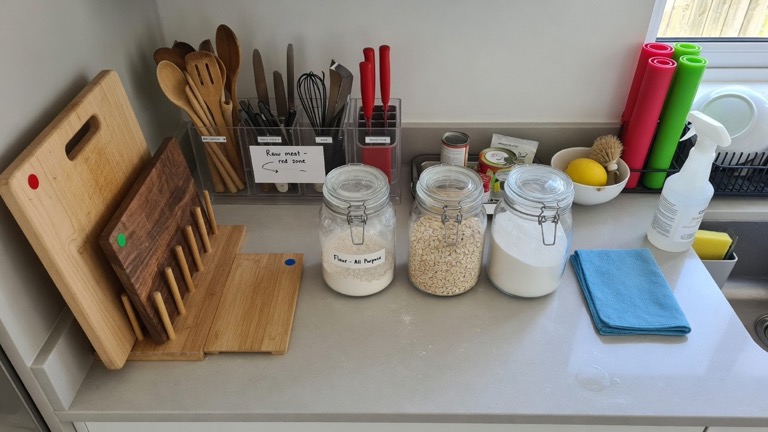
* Dedicated Spice Area: Designate a shelf or cabinet just for your GF spices. This prevents accidental grabs from a “gluten-containing” spice jar if you live in a mixed household.
* Clean Tools: Always use clean measuring spoons and cups for your GF spices. Don’t dip a spoon that just stirred wheat flour into your GF cinnamon. It’s a small step, but it makes a huge difference. Wash those tools thoroughly!
* Source Wisely: Some ethnic markets have amazing spices, but verifying their gluten-free status can be difficult. If you’re unsure about the sourcing or processing, it’s best to stick with brands you trust or make your own blends from single, certified spices. The Celiac Disease Foundation offers excellent resources on identifying safe ingredients.
Embrace the Flavor!
Living gluten-free doesn’t mean living flavor-free. Far from it! With a little knowledge and some smart habits, your spice rack can be a vibrant, exciting array of safe ingredients ready to transform your meals. No more anxiety about hidden gluten in your favorite chili powder. Just pure, unadulterated deliciousness.
We are so lucky to have incredible brands stepping up and making safe, certified products available. So, go forth, confident cooks! Explore new flavors, experiment with your own blends, and sprinkle joy into every gluten-free dish you create. Your taste buds (and your tummy!) will thank you. Understanding cross-contact is key to enjoying all your food safely. Happy cooking!