Mastering Cross-Contamination Prevention in a Gluten-Free Kitchen (2026)

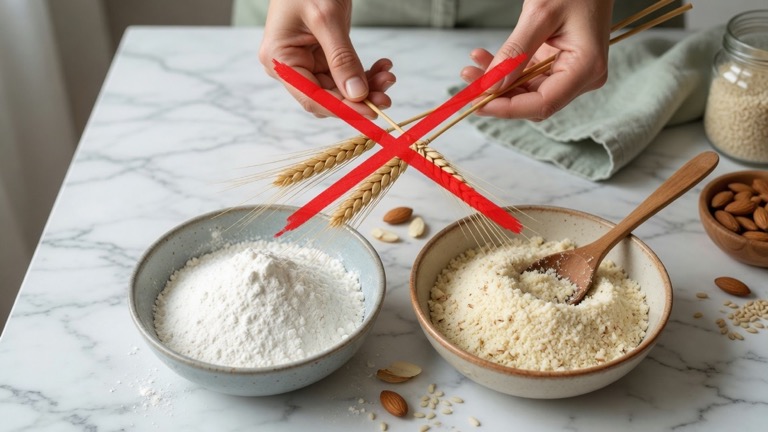
Alright, my amazing gluten-free friends! Let’s talk kitchen magic. You’re whipping up delicious GF brownies, pasta, or maybe a killer grain bowl. Everything smells incredible. Your taste buds are practically doing a happy dance. But wait! There’s a sneaky little villain in the kitchen that can turn that delicious joy into a not-so-great situation: cross-contamination. Don’t sweat it, though. We’re going to tackle this together, because mastering cross-contamination prevention is absolutely doable, and it’s how we ensure every single GF bite is pure, safe, and utterly delightful. This isn’t about limitations; it’s about empowering you to eat with total confidence and joy, no matter what you’re making. It’s a core part of feeling great on your Gluten-Free for Special Dietary Needs journey, ensuring every dish is a win.
What Even IS Cross-Contamination, Really?
Think of it like this: you wouldn’t use the same spoon to stir chili as you would to scoop ice cream, right? Well, cross-contamination is when tiny, invisible crumbs or residues of gluten-containing foods sneak their way onto your gluten-free ingredients or dishes. Even a microscopic speck of gluten can cause a reaction for someone with celiac disease or severe non-celiac gluten sensitivity. We’re talking about levels that are often undetectable by taste or sight. For those living gluten-free with Celiac Disease, even the smallest amount matters significantly. It’s like a rogue crumb trying to crash your GF party!
The good news? Preventing it is simpler than you might think. It just takes a little awareness, a dash of habit-forming, and a sprinkle of kitchen common sense. We’re basically becoming gluten-detective superheroes, and our secret weapon is organization!
Your Kitchen: A Safe Haven for GF Goodness
Let’s turn your kitchen into a fortress of GF safety. Whether you’re running an entirely gluten-free household or sharing space with gluten-eaters, these strategies will set you up for success.
1. The Golden Rule: Cleanliness is Next to Gluten-Freeness
This is your starting line. Always. A clean kitchen isn’t just nice; it’s essential.
- Wipe Down Surfaces: Before you even think about getting your GF ingredients out, give your counters, stovetops, and any work surfaces a thorough scrub. Use fresh, clean cloths or paper towels. Don’t use the sponge that just wiped up a bread crumb tsunami!
- Wash Your Hands: Seems obvious, right? But it’s surprisingly easy to forget. If you’ve been touching regular bread, pasta, or flour, wash your hands thoroughly with soap and water before handling any GF food. It’s a quick, easy step that makes a huge difference.
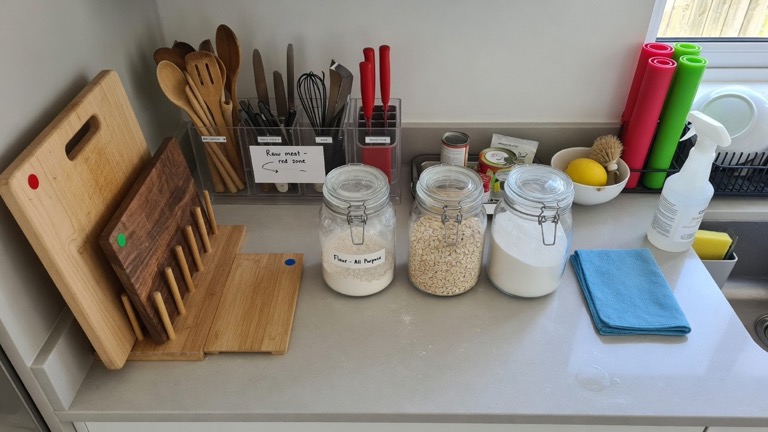
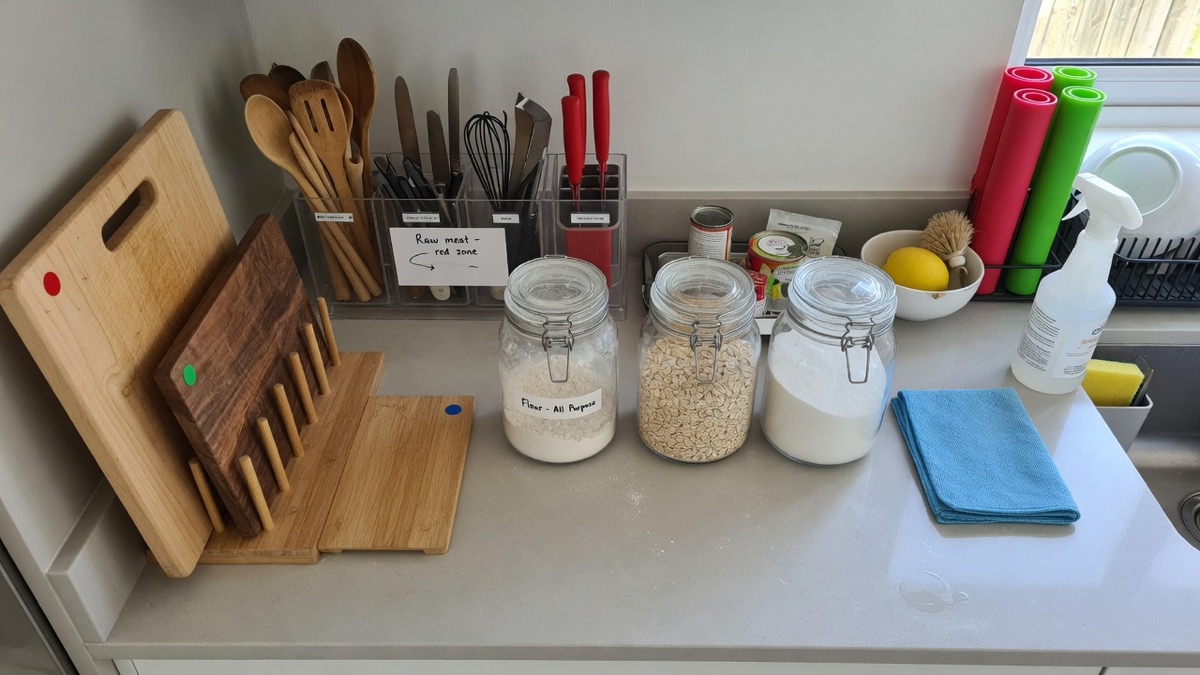
- Dedicated Cutting Boards: This is a big one. Porous materials like wood can trap gluten particles. Ideally, have a bright, clearly marked cutting board (maybe a specific color) that is *only* for GF foods. Plastic or glass boards are easier to clean thoroughly.
2. The Great Divide: Separate and Conquer
Think of your kitchen as having “GF Lane” and “Gluten Lane.” We want to keep them distinct!
Storage Savvy
- Pantry Power: Store GF flours, pastas, cereals, and snacks on designated shelves, ideally higher up to prevent crumbs from falling from gluten-containing items above. Label things clearly. Maybe a bright sticker or a specific container color.
- Fridge & Freezer Finesse: Use clearly labeled, airtight containers for all your GF goodies. Place GF items on upper shelves in the fridge, again, to prevent drips or crumbs from gluten-containing foods falling onto them.
- Bread Box Blues: If you have both regular and GF bread, store them far apart. A dedicated GF bread box or bag is a lifesaver. Never use the same toaster bag or toaster for both types of bread. That’s a huge no-no.
Utensil Utopia
- Double Up on Tools: Certain kitchen tools are notorious for trapping gluten. Think colanders, wooden spoons, plastic spatulas, and anything with nooks and crannies. Have dedicated GF versions of these. Metal tools are generally easier to clean effectively, but having separate ones just for GF food removes all doubt.
- Toaster Troubles: This deserves its own special mention. Toasters are crumb magnets. If you live in a mixed household, a separate, dedicated GF toaster or toaster oven is a non-negotiable must. Period. End of story. Seriously, this is one of the easiest ways to get contaminated.
- Shared Appliances (Oven, Microwave): When using a shared oven, always bake your GF food in its own clean dish, preferably covered, or on a clean baking sheet lined with parchment paper. For microwaves, use clean, GF-safe dishes and covers.
3. The No-Touch Zone: Preventing Direct Transfers
This is all about mindfulness in the moment.
- Condiment Clarity: No double-dipping! If someone dipped a regular cracker into the hummus, or spread butter on gluten bread, that container is now contaminated. Use squeeze bottles, dedicated small portions for GF people, or simply have separate GF versions of frequently used condiments like butter, jam, mayonnaise, and peanut butter.
- Serving Spoons: Use fresh, clean serving spoons for GF dishes. Don’t let someone scoop regular pasta with a spoon and then use that same spoon for your GF pasta.
- Oil and Frying: Never reuse oil that has been used to fry gluten-containing foods (like breaded chicken or donuts) for your GF items. The gluten proteins transfer directly into the oil. Fresh oil, always.
4. Ingredient Intelligence: Read Labels, Always!
Even when you’re being super careful with your kitchen setup, the ingredients themselves can be a source of hidden gluten. This is where your inner food detective really shines!
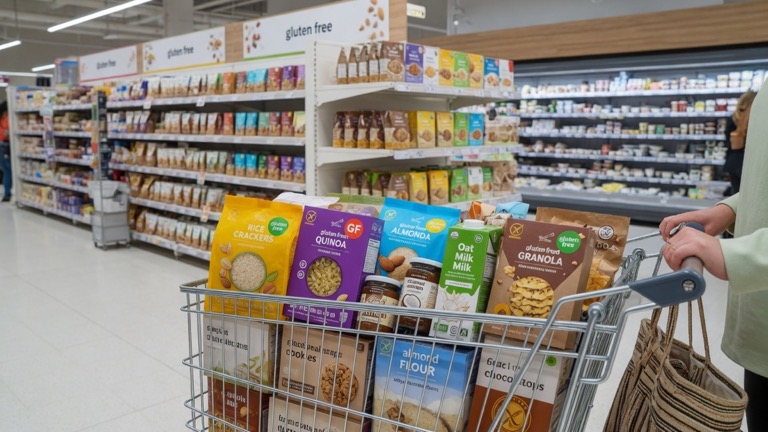
- Every Time, Every Label: Don’t assume a product is GF just because it was last week. Formulas change! Read every label, every single time, especially for processed foods, sauces, spices, and seasonings. Look for a “Certified Gluten-Free” label.
- The “May Contain” Clause: Phrases like “may contain wheat,” “produced in a facility that also processes wheat,” or “shared equipment” mean the risk of cross-contamination is high. For someone with celiac disease, or severe gluten sensitivity, these are usually off-limits. Understanding how to understand celiac disease diagnosis means understanding these risks.
Cooking Together: Harmony in a Mixed Kitchen
Living in a mixed household doesn’t have to be a culinary minefield. It just requires a strategy!
- GF First: When preparing a meal with both GF and gluten-containing components, always prepare the GF dishes first. This minimizes the risk of gluten spreading before your safe food is even made.
- Separate Stations: If counter space allows, dedicate a section of the counter solely for GF prep. It’s like having a little GF island in your kitchen.
- Communicate, Communicate, Communicate: Talk to your family or roommates. Explain why these measures are so important for your health. Most people are happy to help once they understand. Educate them about the invisible nature of gluten and how even tiny bits can be a problem.
The “Oops” Moment: What to Do
Let’s be real. We all make mistakes. If you accidentally use the wrong spoon, or someone dips a regular cracker into your GF dip, don’t panic. Take a deep breath. Remove the contaminated item, clean the affected area thoroughly, and restart if necessary. It’s a learning curve, and every slip-up just makes you a smarter, savvier GF chef.
Embrace the Delicious Freedom!
Mastering cross-contamination prevention isn’t about fear; it’s about freedom. It’s about being able to enjoy your food without worry, knowing you’ve created a safe and delicious environment. These practices become second nature surprisingly fast, much like brushing your teeth. Soon, you’ll be a cross-contamination prevention pro, whipping up incredible GF meals with total confidence.
Your kitchen is your culinary playground. Make it a safe, joyous space where every meal is an adventure, free from gluten woes. So go forth, clean those counters, label those containers, and enjoy every single delightful, gluten-free bite! For more guidance on navigating your GF journey, remember to explore our resources on Gluten-Free for Special Dietary Needs. Happy cooking!
Sources: