Addressing Nutritional Deficiencies on a Gluten-Free Diet (2026)


Eating Your Way to GF Glory: Tackling Nutritional Deficiencies Head-On!
Alright, my dear gluten-free friends, let’s chat. We’ve all embraced this incredible lifestyle for better health, clearer thinking, and a happier gut. And let me tell you, there’s a world of deliciousness waiting for you! We’re talking about vibrant salads, hearty grain bowls, succulent proteins, and all the naturally GF goodness you can dream of. But as your trusted GF guide (and fellow food lover), I want to make sure we’re not just eating *gluten-free*, we’re eating *nutrient-full*. It’s not about restriction. It’s about smart choices and celebrating abundance. Think of it like tuning up a magnificent engine. You need all the right parts, in all the right places. And that’s what we’re going to dive into today, making sure your GF diet is a powerhouse of nutrition.
Eating gluten-free should never feel like a compromise on health, but sometimes, a shift in diet can accidentally leave us short on a few key nutrients. Especially if you’re new to this journey or managing specific conditions, understanding what your body needs is Gluten-Free for Special Dietary Needs. It’s a game-changer. So, let’s roll up our sleeves and get proactive!
Why Some GF Folks Need a Nutritional Nudge
So, why might someone on a GF diet need a bit more attention to their nutrient intake? It’s not a scare tactic, just science. There are two main reasons.
First, if you’re like many of us who follow a GF diet due to celiac disease or gluten sensitivity, your gut might have been doing a bit of a dance with inflammation. For those with celiac, the villi (those tiny, finger-like projections in your small intestine that absorb nutrients) can get damaged. This means even if you’re eating a nutrient-rich meal, your body isn’t always soaking up all the good stuff effectively. This is called malabsorption. It’s a bummer, but healing your gut on a GF diet helps immensely.
Second, many conventional gluten-containing grains (like wheat, barley, and rye) are fortified. This means vitamins and minerals (like B vitamins and iron) are added back in after processing. When you ditch these grains, you might inadvertently ditch those added nutrients too, unless you’re consciously replacing them. Think of it as a hidden nutritional bonus that you suddenly lose. But don’t worry. We have plenty of delicious ways to get those nutrients back!
The Usual Suspects: Nutrients to Keep an Eye On
Let’s get specific. Based on common dietary patterns and research, a few nutrients tend to play a bit of hide-and-seek for those on a GF diet. These include:
- Iron
- B Vitamins (especially Folate, B12, Thiamin, Niacin)
- Calcium
- Vitamin D
- Magnesium
- Fiber
Now, let’s explore each one and how to bring them into your delicious GF world!
Iron: Your Energy Booster
Ever feel inexplicably tired, run-down, or just generally “blah”? Low iron could be the culprit. Iron is crucial for creating hemoglobin, the protein in red blood cells that carries oxygen throughout your body. Without enough iron, your energy levels can tank.
Where to find it:
The good news? Plenty of GF foods are rich in iron.
* Animal-based heroes: Think lean red meat, poultry, fish (like tuna or salmon), and eggs.
* Plant-powered champions: Lentils, beans (black beans, kidney beans), spinach, kale, fortified GF cereals (check labels carefully for certification!), pumpkin seeds, and dried fruit like apricots.
Pro-tip: To supercharge iron absorption (especially from plant sources), pair your iron-rich foods with Vitamin C! Squeeze some lemon juice over your spinach salad, or enjoy a side of bell peppers or oranges with your lentil soup. Vitamin C is like iron’s best friend. They work together beautifully.
B Vitamins: The GF Zingers
The B vitamin family is a diverse and mighty crew, essential for everything from energy production to brain function and nerve health. When you cut out fortified wheat products, you might miss out on B vitamins like folate, thiamin, and niacin. Vitamin B12 is often a concern, especially for vegetarians and vegans.
* Folate (B9): Vital for cell growth and DNA synthesis.
* Find it in: Leafy green vegetables (spinach, kale), asparagus, broccoli, avocados, legumes (lentils, chickpeas), and sunflower seeds.
* Thiamin (B1): Powers your metabolism and nerve function.
* Find it in: Pork, sunflower seeds, black beans, nutritional yeast, and green peas.
* Niacin (B3): Helps convert food into energy.
* Find it in: Chicken breast, tuna, salmon, peanuts, mushrooms, and brown rice.
* Vitamin B12: Essential for nerve health and red blood cell formation. This one is especially important to monitor.
* Find it in: Primarily animal products like meat, fish, eggs, and dairy. If you’re vegetarian or vegan, fortified GF plant milks, nutritional yeast, and quality supplements are your best bets.
Friendly reminder: A varied GF diet packed with whole foods usually gives you a great start on B vitamins. And if you’re ever confused about shopping GF and avoiding other allergens, you might find our guide on Gluten-Free Shopping List: Avoiding Cross-Contamination & Allergens quite helpful. Knowing what to look for makes a huge difference.
Calcium & Vitamin D: The Bone Buddies
These two are a classic duo. Calcium builds strong bones and teeth, and Vitamin D is like its personal bodyguard, ensuring calcium is properly absorbed and used. Many GF folks, especially those with celiac disease, might have impaired calcium absorption. Plus, if you’re ditching dairy or aren’t getting enough sun, Vitamin D can be elusive.
* Calcium:
* Find it in: Dairy products (milk, yogurt, cheese), fortified GF plant milks (almond, soy, oat, rice milk, check labels!), leafy greens (collard greens, bok choy), sardines, and calcium-set tofu.
* Vitamin D:
* Find it in: Fatty fish (salmon, mackerel, sardines), egg yolks, and fortified GF cereals and plant milks. The sun is also a fantastic source, but remember safe sun exposure!
A little tip: Talk to your doctor about your Vitamin D levels. Many people, GF or not, are deficient, especially in darker winter months. They might suggest a supplement. This is one nutrient where professional guidance is truly gold. The National Institute of Diabetes and Digestive and Kidney Diseases (NIDDK) offers excellent resources on celiac disease and nutritional needs, including bone health.
Magnesium: The Relaxing Mineral
Magnesium is an unsung hero, involved in over 300 biochemical reactions in your body! It supports muscle and nerve function, blood sugar control, blood pressure regulation, and even bone health. Think of it as your body’s calm-down button.
Where to find it:
* Nutty goodness: Almonds, cashews, peanuts.
* Seed power: Pumpkin seeds, chia seeds.
* Leafy greens: Spinach, kale, Swiss chard.
* Beans and lentils: Black beans, edamame.
* And for a treat: Dark chocolate (yes, please!).
Magnesium is pretty prevalent in many whole, naturally GF foods. So, if your GF diet focuses on these, you’re likely doing well.
Fiber: The Gut Whisperer
Fiber often gets overlooked, but it’s your digestive system’s best friend. It keeps things moving, helps regulate blood sugar, and feeds the good bacteria in your gut. Many gluten-containing foods are fiber-rich. When these are removed, and replaced with highly processed GF alternatives (which can sometimes be lower in fiber), you might find yourself needing a fiber boost.
Where to find it:
* Fruits, fruits, fruits: Berries, apples, pears (with skin!), bananas.
* Veggie heroes: Broccoli, Brussels sprouts, carrots, artichokes.
* Legumes galore: Beans, lentils, chickpeas.
* GF whole grains: Quinoa, brown rice, oats (certified GF, of course!), millet, buckwheat.
* Seeds: Chia seeds, flax seeds (ground is best for absorption!), hemp seeds.
Get creative with fiber! Add chia seeds to your smoothie. Toss quinoa into your salads. Snack on an apple. Your gut will thank you for it. And for those of you exploring how a GF diet can impact broader health concerns, including neurological symptoms, paying attention to fiber and overall gut health can be a factor. Read more on Gluten Ataxia: Understanding Neurological Symptoms & GF Diet Impact.
The “Whole Foods First” Mantra
My biggest piece of advice, my friends, is simple: prioritize whole, unprocessed, naturally GF foods. This isn’t just about avoiding gluten. It’s about building a diet that’s inherently rich in nutrients.
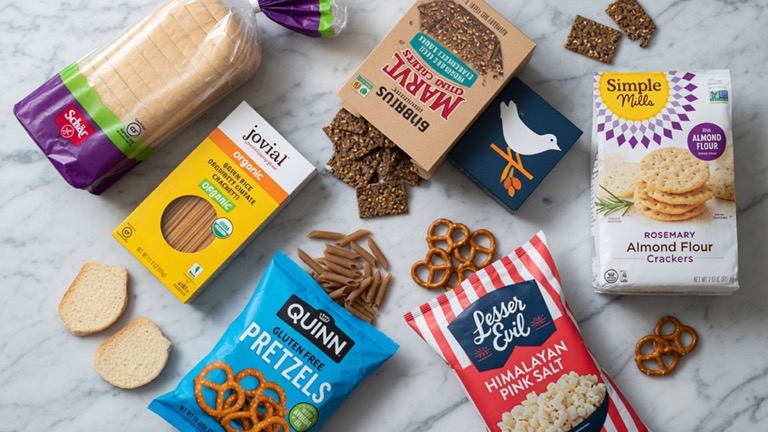
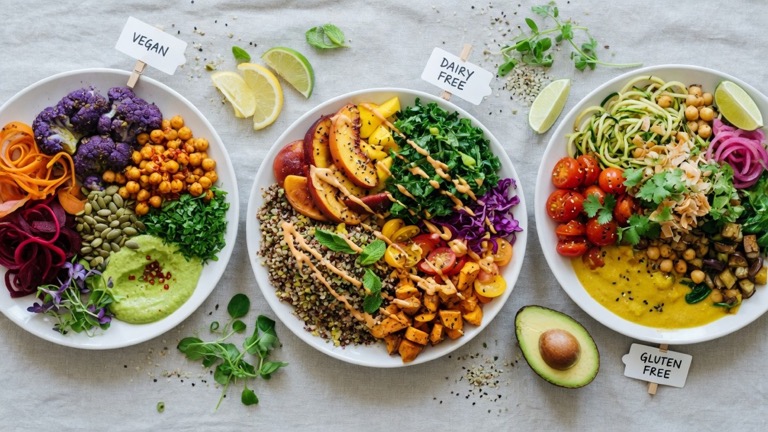
Think about it. A colorful plate brimming with fresh vegetables, fruits, lean proteins, and naturally gluten-free whole grains (like quinoa or brown rice) is going to deliver a much more comprehensive nutritional punch than a diet heavy on highly processed GF cookies and crackers. While those occasional treats are totally fine (hello, balance!), they shouldn’t be the foundation of your GF eating plan.
When to Consider Supplements
Eating a whole-foods-rich GF diet is your first line of defense. But sometimes, it’s not quite enough. Malabsorption, dietary restrictions (like vegetarian or vegan), or just not hitting all your nutrient targets can mean you need a little extra help.
This is where a qualified healthcare professional comes in. Before you start popping pills, talk to your doctor or a registered dietitian. They can order blood tests to check your nutrient levels and guide you on appropriate, high-quality supplements and dosages. Self-prescribing can sometimes do more harm than good, so let the pros help you personalize your approach.
Listen to Your Body, Talk to Your Doc
Your body is incredibly smart. It often sends signals when something is off. Pay attention to persistent fatigue, changes in mood, unusual aches, or digestive issues. These could be subtle signs of a deficiency. Regular check-ups are also your friend. Your doctor can monitor your progress and ensure you’re thriving on your GF journey.
Embrace the GF Goodness!
See? It’s not scary at all! Addressing potential nutritional deficiencies on a gluten-free diet is all about being informed, making delicious choices, and working with your healthcare team. The GF world is vast and full of flavor. Focus on those colorful fruits and veggies, lean proteins, healthy fats, and fantastic GF grains. You’ll build a plate (and a body) that’s not just gluten-free, but truly vibrant and full of life. Go forth and eat well, my friends! Enjoy every nourishing, delicious bite.