Hashimoto’s Thyroiditis & Gluten: Is a GF Diet Beneficial? (2026)

Hashimoto’s Thyroiditis & Gluten: Is a GF Diet Beneficial?
Ever feel like your body is trying to send you a message, but it’s speaking in riddles? Maybe you’re tired, even after a full night’s sleep. Your brain feels foggy, like you’re walking through a perpetual cloud. Perhaps your digestion is a mess, or your hair is doing its own thing, but not in a good way. If you live with Hashimoto’s Thyroiditis, these feelings might be all too familiar. And if you’ve been wondering if going gluten-free could help, you’re in the right place. Let’s dive into this often-asked question, exploring how a simple dietary shift might make a big difference for your overall well-being. This is just one of many topics we tackle when it comes to Gluten-Free for Special Dietary Needs.
What’s Up with Hashimoto’s Thyroiditis?
First, a quick chat about Hashimoto’s. It’s an autoimmune condition. Think of your immune system as your body’s personal security detail, usually great at fending off bad guys like viruses and bacteria. With an autoimmune condition, this security system gets a little confused. It mistakenly attacks your own healthy tissues, in this case, your thyroid gland.
Your thyroid, a small, butterfly-shaped gland in your neck, is like the maestro of your metabolism. It produces hormones that basically run the show for your energy, weight, body temperature, and even your mood. When Hashimoto’s causes your immune system to attack it, the thyroid can become inflamed and eventually struggle to produce enough hormones. This leads to hypothyroidism, slowing everything down. It’s no fun when your internal engine sputters!
Gluten: The Uninvited Guest at the Autoimmune Party?
Now, let’s talk about gluten. This protein found in wheat, barley, and rye is a pretty big deal for many with autoimmune conditions, Hashimoto’s included. But why?
The theory is fascinating, involving a couple of key concepts: molecular mimicry and gut permeability (often called “leaky gut”).
Imagine two keys. One key is gluten, and the other is a part of your thyroid tissue. In molecular mimicry, these two keys look remarkably similar to your immune system. So, when your immune system spots gluten (especially if you have a genetic predisposition), it revs up to attack it. The problem is, because the gluten key looks so much like your thyroid key, your immune system might accidentally start attacking your thyroid too. It’s like aiming for the bullseye and hitting the dartboard next to it.
Then there’s the “leaky gut” idea. Normally, your gut lining is a tight, protective barrier. It decides what gets into your bloodstream (nutrients) and what stays out (undigested food particles, toxins). But sometimes, this barrier can loosen up, creating tiny gaps. This is increased intestinal permeability, or “leaky gut.” When gluten is consumed, especially for those sensitive to it, it can trigger the release of a protein called zonulin, which can open up these “tight junctions” in the gut.
When your gut is “leaky,” undigested gluten proteins, along with other particles, can slip through into your bloodstream. Your immune system sees these invaders and declares war, which can heighten inflammation throughout your body and potentially worsen autoimmune responses.
While not every medical professional agrees on the direct causal link for *everyone* with Hashimoto’s, a growing number of practitioners, and countless individuals, report significant improvements when gluten is removed from the diet.
Why Many People See Results (and Why You Might Too)
So, what kind of benefits are we talking about when a gluten-free diet enters the picture for Hashimoto’s? Many folks describe it like flipping a switch.
First, there’s a big push to reduce overall inflammation. Gluten, for many, acts like a tiny spark, igniting inflammatory responses. Removing it can help calm this fire, giving your body a chance to heal and regulate itself better. When inflammation goes down, symptoms often follow suit.
Think about your energy levels. If you’ve been feeling like you’re dragging an anchor all day, a GF diet might offer a noticeable lift. Many report a significant reduction in fatigue, that heavy, unshakeable tiredness that often comes with Hashimoto’s. It’s like clearing out the gunk from your car’s fuel lines, letting it run smoother and further.
Then there’s the brain fog. That cloudy thinking, difficulty concentrating, or feeling mentally sluggish? It can be incredibly frustrating. For many, going GF brings a newfound clarity, like wiping steam off a mirror. Your thoughts become sharper, your focus improves, and you can think straight again.
Digestive issues are common with autoimmune conditions. Bloating, gas, stomach pain, unpredictable bowel movements – these can all lessen or even disappear on a GF diet. A happier gut often means a happier you. Plus, when your gut is healing, you’re better able to absorb the vital nutrients your thyroid (and the rest of your body) desperately needs.
Some studies even suggest that a gluten-free diet might help reduce thyroid antibody levels in certain individuals with Hashimoto’s. While not a cure, lower antibody levels could mean less attack on the thyroid and potentially slower progression of the disease. It’s important to remember that everyone’s body is unique, and results can vary. For a deeper dive into the science, you can check out reviews like this one on the relationship between gluten-free diets and autoimmune thyroid disease. Gluten-Free Diet and Autoimmune Thyroid Disease: A Review.
Taking the Gluten-Free Plunge (The Smart Way)
Deciding to go gluten-free for Hashimoto’s is more than just swapping your regular bread for a GF loaf. It’s about a mindful approach to your entire plate.
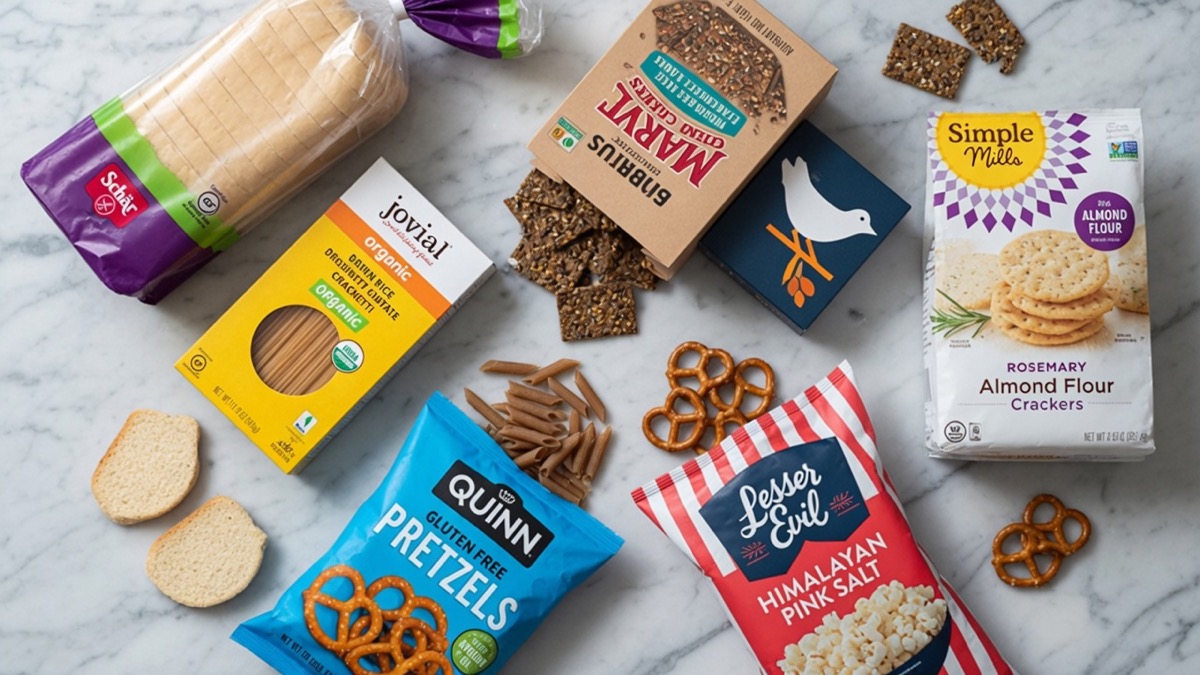
First, understand that many processed “gluten-free” products are still full of sugars and refined ingredients. The goal isn’t just to remove gluten, but to nourish your body with wholesome, real foods. Focus on naturally gluten-free options that pack a nutritional punch.
Reading labels becomes your new superpower. Gluten hides in unexpected places: sauces, seasonings, soups, even some medications and cosmetics. Always scan ingredient lists for wheat, barley, rye, malt, and sometimes oats (unless certified gluten-free, they can be cross-contaminated). This isn’t just about avoiding obvious offenders, it’s about being an ingredient detective.
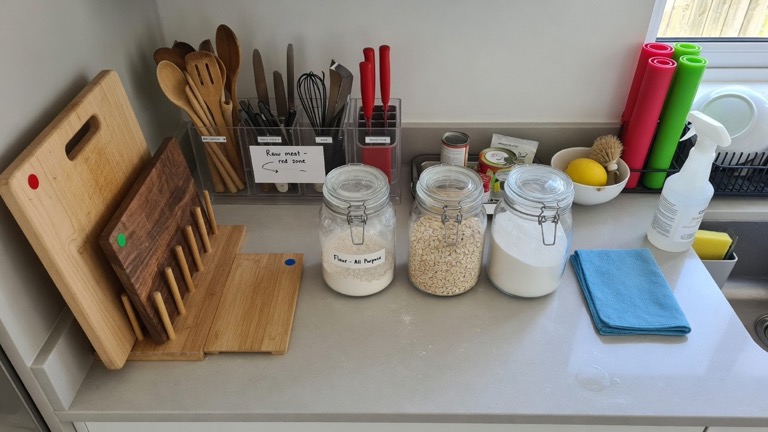
And then there’s cross-contamination. If you’re serious about seeing if gluten affects your Hashimoto’s, you need to be diligent. A tiny crumb can be enough to trigger an immune response in some sensitive individuals. This means separate toasters, cutting boards, and even butter dishes if you’re living in a mixed household. Thinking about managing a kitchen with multiple dietary needs, perhaps for a family? We’ve got you covered with tips on Family Meal Planning: One Kitchen, Multiple Dietary Needs (GF Included).
Deliciousness Awaits: What to Eat!
Now for the best part: the abundance! Going gluten-free doesn’t mean a life of deprivation. It means opening up to a world of incredibly delicious, naturally GF foods.
Think fresh fruits and vegetables. Crisp apples, juicy berries, leafy greens, colorful bell peppers, sweet potatoes, and crunchy carrots. These are your nutrient powerhouses, packed with vitamins, minerals, and antioxidants. Load up!
Lean proteins are your friends. Chicken, turkey, fish, eggs, and legumes (beans, lentils) keep you full and provide essential building blocks for your body. Healthy fats like avocado, olive oil, nuts, and seeds support brain health and help reduce inflammation.
And don’t forget the amazing variety of naturally gluten-free grains. Quinoa, brown rice, millet, buckwheat, and certified gluten-free oats can become delicious staples in your pantry. They offer fiber and energy without the gluten. Getting creative with ingredients is a fun adventure, and we have lots of ideas for Essential Gluten-Free Ingredient Swaps for Special Dietary Recipes to make your kitchen explorations even easier.
Imagine a vibrant plate: grilled salmon with roasted asparagus and a side of fluffy quinoa. Or a hearty lentil soup brimming with vegetables. How about a big salad piled high with chicken, avocado, and a zesty dressing? See? Delicious.
Is This Your Next Step?
Exploring a gluten-free diet for Hashimoto’s can be incredibly beneficial, but it’s a personal journey. Before making any significant dietary changes, especially with an autoimmune condition, please talk to your doctor or a registered dietitian. They can help you assess your individual needs, monitor your health, and ensure you’re getting all the necessary nutrients.
Many people find that a strict 30-day gluten-free trial period is a great way to see if it makes a difference for them. Keep a symptom journal, noting your energy levels, digestion, mood, and any other changes you observe. You might be surprised by what you discover!
Understanding your body and advocating for your health is incredibly empowering. Every step you take toward feeling better is a victory. It’s about listening to your body, experimenting mindfully, and finding what truly makes you feel your best. And remember, the journey to a confident, joyful gluten-free life is full of delicious possibilities.
If you’re curious about how doctors approach diagnosing conditions like celiac disease, which has a very clear and direct link to gluten, you might find our guide on Understanding Celiac Disease Diagnosis: A Complete Guide helpful for context. It highlights the rigorous process involved when gluten is a known factor in health issues.
Ultimately, whether you choose to explore a gluten-free path for Hashimoto’s or any other health reason, know that you are in control. We are here to help you navigate this wonderful world of Gluten-Free for Special Dietary Needs with confidence and joy.