Managing Type 1 Diabetes & Celiac Disease with a Gluten-Free Diet (2026)

Hey there, amazing food adventurer! Let’s chat about something incredibly important, something that requires a dash of savvy and a whole lot of deliciousness: managing both Type 1 Diabetes and Celiac Disease. If you’re juggling these two conditions, you might feel like you’re walking a culinary tightrope. But guess what? It’s not a tightrope, it’s a vibrant, delicious path just waiting for you to explore. Think of me as your friendly guide, here to share the secrets to making this journey smooth, tasty, and totally empowering. This isn’t about limitation; it’s about understanding your body and feeding it brilliantly. We’re talking about creating a life where every meal is a win, not a worry. And if you’re curious about how a gluten-free lifestyle fits into all sorts of health needs, our main guide on Gluten-Free for Special Dietary Needs has you covered!
The Dynamic Duo: Type 1 Diabetes & Celiac Disease
It’s pretty common for Type 1 Diabetes (T1D) and Celiac Disease (CD) to show up together. In fact, research suggests that about 1 in 10 people with T1D also have Celiac. Why? Well, they both stem from an autoimmune response.
Imagine your immune system like a highly trained, super-vigilant security team. It’s usually brilliant at protecting you from invaders. But sometimes, even the best teams can get a little confused.
With Celiac Disease, your immune system mistakenly identifies gluten, a protein found in wheat, barley, and rye, as a threat. When you eat gluten, it launches an attack, damaging the villi (tiny, finger-like projections) in your small intestine. These villi are crucial for absorbing nutrients. When they’re damaged, your body struggles to get the goodness from your food. This can lead to all sorts of discomfort and long-term health issues.
Now, with Type 1 Diabetes, your immune system has a different target. It mistakenly attacks and destroys the beta cells in your pancreas. These are the cells responsible for producing insulin, the hormone that acts like a key, letting glucose (sugar) from your food into your body’s cells for energy. Without insulin, glucose builds up in your blood, which is a big problem.
So, while their targets are different, the root cause – an overzealous immune system – links them. When you have both, it means double the care, but absolutely double the opportunity to thrive.
The Gluten-Free Diet: Your Core Strategy
For Celiac Disease, a strict, lifelong gluten-free (GF) diet isn’t optional; it’s the only medicine. It’s how you heal your gut and stop those pesky immune attacks. No gluten means no damage, and your villi can recover, getting back to their nutrient-absorbing superpowers.
But how does going GF help with Type 1 Diabetes? It’s not a direct treatment for T1D itself, but it significantly impacts how you manage your blood sugar. Here’s why it’s a game-changer:
* **Improved Nutrient Absorption:** When your gut heals from Celiac damage, you absorb nutrients better. This means your body is getting what it needs, which can lead to more stable blood sugar levels and better overall energy.
* **Reduced Inflammation:** A healthy gut is a happy gut. Reducing chronic inflammation (which often comes with untreated Celiac) can indirectly benefit blood sugar control.
* **Mindful Eating:** When you go GF, you naturally start paying much closer attention to food labels and ingredients. This heightened awareness is a huge advantage for T1D management, where every carb counts.
Practical Steps for a Delicious, Healthy Life
Okay, let’s get down to the nitty-gritty. This is where we swap worries for wisdom.
Become a Label Detective
This is your superpower, my friend. Every food package holds clues. For Celiac, you’re looking for “gluten-free” certifications and scanning the ingredient list for sneaky gluten sources (wheat, barley, rye, malt, brewer’s yeast, hydrolyzed wheat protein, etc.). For T1D, you’re zeroing in on the carbohydrate count, fiber, and sugar content.
It’s like decoding a secret message. You’ll quickly learn to spot the vital numbers and ingredients.
Prioritize Whole, Naturally GF Foods
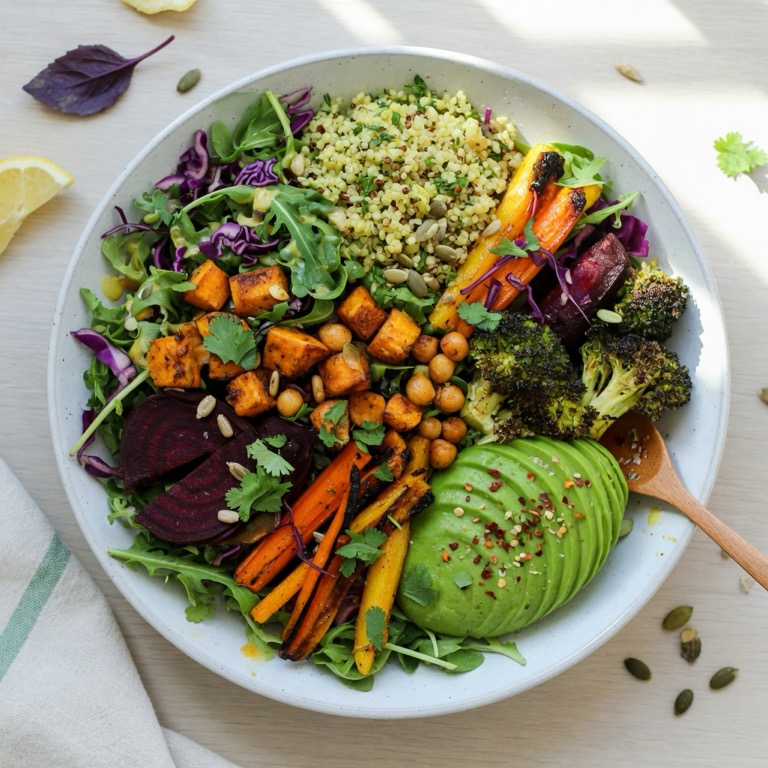
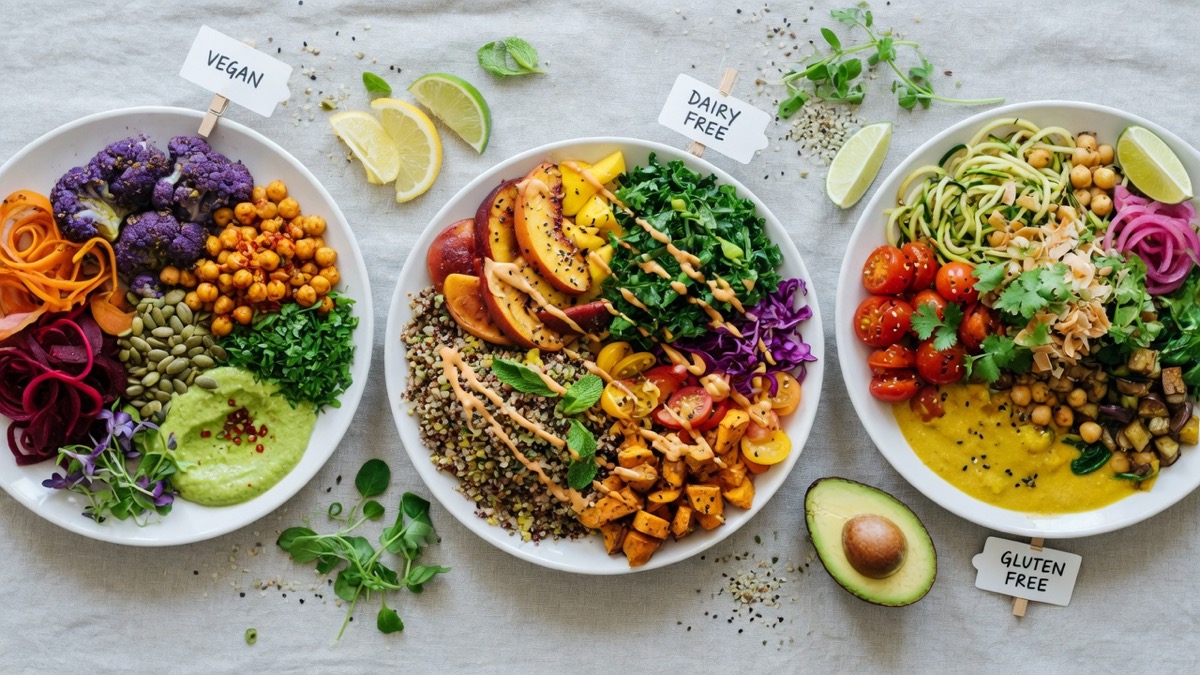
This is where the magic happens! Think of your plate as a canvas. Fill it with vibrant colors and real, unprocessed ingredients. These foods are naturally gluten-free and usually pack a nutritional punch.
* Fruits and Vegetables: Eat them in abundance! They’re full of vitamins, minerals, and fiber (which helps slow down sugar absorption).
* Lean Proteins: Chicken, fish, eggs, beans, lentils, tofu. These are GF powerhouses that keep you feeling full and stable.
* Safe Grains and Starches: Quinoa, brown rice, wild rice, millet, buckwheat, corn, potatoes, sweet potatoes. These offer complex carbs without the gluten. They also provide crucial fiber.
* Healthy Fats: Avocados, nuts, seeds, olive oil. They support overall health and satiety.
These ingredients are your best friends. They’re reliable, delicious, and they make carb counting much more predictable than highly processed items.
Approach GF Processed Foods with Care
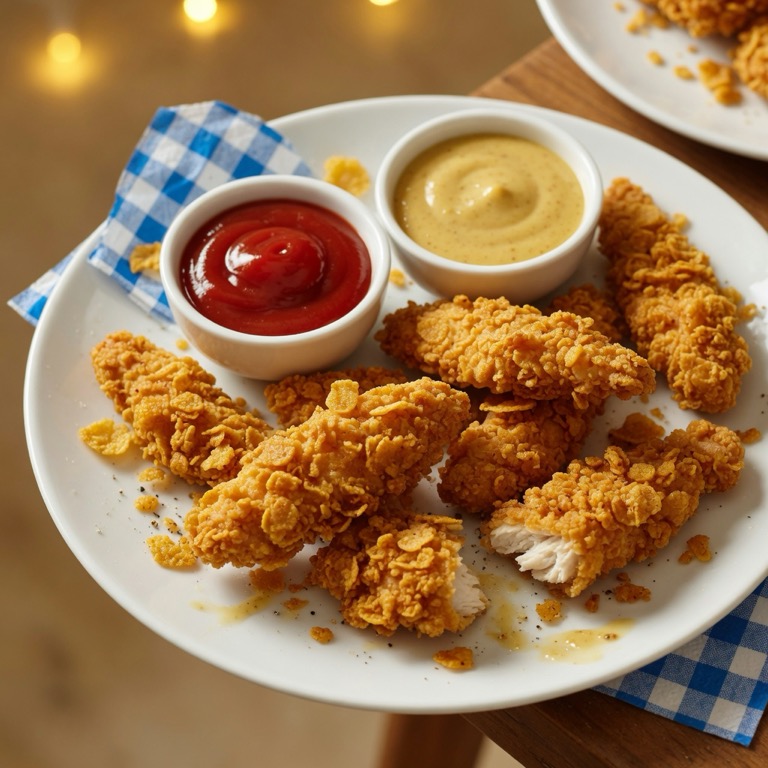
Just because something says “gluten-free” doesn’t automatically make it a health food. Many GF breads, cookies, crackers, and snacks can be high in refined starches (like tapioca starch or white rice flour), sugar, and unhealthy fats. These can cause rapid blood sugar spikes, making T1D management harder.
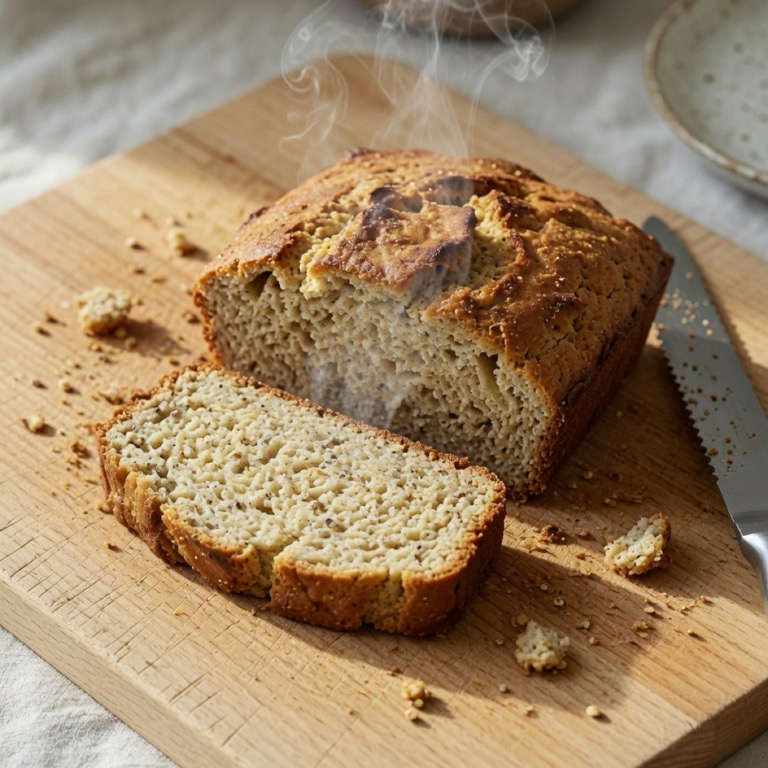
Think of it like this: a regular cookie and a GF cookie might both be delicious, but they could both send your blood sugar on a roller coaster. Always check the nutrition facts. Aim for GF products that are higher in fiber and lower in added sugars, or better yet, make your own! Baking can be incredibly rewarding.
Master Cross-Contamination Prevention
This step is absolutely critical for Celiac Disease, and it’s good practice for anyone, really. A tiny crumb of gluten can be enough to cause damage in someone with Celiac. This means keeping your cooking and eating spaces safe.
Separate cutting boards, toasters, and utensils are a must. Store GF flours and ingredients in clearly marked containers. If you’re living with non-GF eaters, setting up a dedicated GF zone in your kitchen can make a world of difference. To really dig into this, you should check out our guide on Mastering Cross-Contamination Prevention in a Gluten-Free Kitchen. It’s packed with practical advice to keep your space safe and stress-free.
Team Up with Your Healthcare Crew
You don’t have to go it alone! Your medical team is your MVP squad.
* Endocrinologist: They’re your expert for T1D management, insulin doses, and blood sugar goals.
* Gastroenterologist: They’ll help you monitor your Celiac Disease and gut healing.
* Registered Dietitian (RD) or Certified Diabetes Educator (CDE): This person is your secret weapon. Find one who specializes in both Celiac Disease and diabetes. They can help you fine-tune your meal plan, teach you advanced carb counting techniques for GF foods, and ensure you’re getting all your nutrients. They are invaluable for guiding you through specific GF ingredients and their glycemic impact.
Regular Monitoring is Key
Checking your blood glucose levels regularly is non-negotiable for T1D. This feedback loop helps you understand how different GF foods impact your body and allows you to adjust your insulin accordingly. Keep a food diary, noting what you eat and your blood sugar readings. It’s like being your own personal scientist! You’ll start to see patterns and become a true expert on your body’s responses.
Embracing Abundance: What You *Can* Eat!
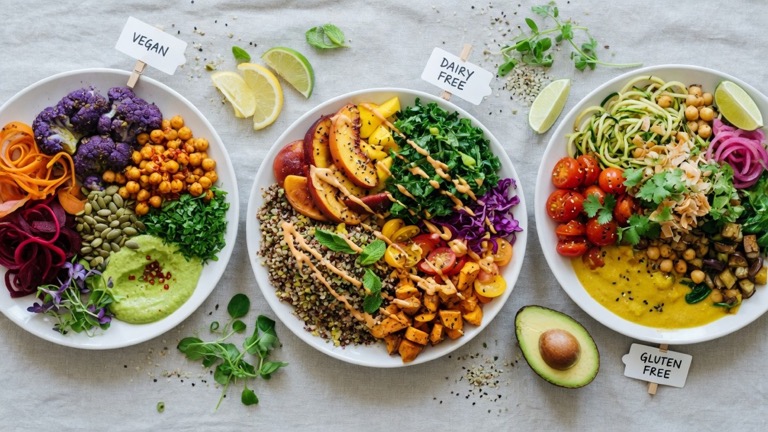
Let’s shift the focus completely. Instead of thinking about what you can’t have, let’s celebrate the incredible variety of foods you *can* enjoy! The GF world is busting with flavor.
Think about it:
* Fresh seafood, tender meats, and poultry.
* A rainbow of fruits and vegetables, from crisp apples to sweet berries, leafy greens to crunchy bell peppers.
* Delicious nuts and seeds (almonds, walnuts, chia, flax, pumpkin seeds).
* Legumes (beans, lentils, chickpeas) for protein and fiber.
* Dairy and dairy alternatives (almond milk, coconut yogurt, cheese).
* Naturally GF grains like versatile quinoa, comforting rice, or hearty gluten-free oats (make sure they’re certified GF to avoid cross-contamination).
There are so many incredible dishes waiting for you. Imagine savory lentil curries, vibrant stir-fries with rice noodles, grilled salmon with roasted vegetables, or a big, beautiful salad loaded with all your favorites. The culinary possibilities are endless and exciting!
Living Your Best Life
Having both Type 1 Diabetes and Celiac Disease might sound like a lot, but it’s completely manageable. It’s about being informed, making smart choices, and being kind to yourself. You are strong, capable, and absolutely able to live a full, delicious life. Every step you take towards understanding your body and nourishing it well is a win. Embrace the learning, savor the flavors, and know that you’re part of a community that gets it. You’re not just surviving; you’re thriving, one delicious, gluten-free, blood-sugar-friendly meal at a time. For more tips on navigating your gluten-free path with confidence, explore our main guide on Gluten-Free for Special Dietary Needs. You’ve got this!
Sources: