Essential Gluten-Free Ingredient Swaps for Special Dietary Recipes (2026)

Mastering the Mix: Essential Gluten-Free Ingredient Swaps for Special Dietary Recipes
Hey there, my amazing GF friend! So, you’re rocking the gluten-free life, feeling fantastic, and probably already a whiz at reading labels. That’s awesome. But what happens when your GF journey meets other dietary needs? Maybe you’re also avoiding dairy, or eggs, or nuts, or perhaps keeping an eye on your sugar intake. It’s like navigating a bustling market, but don’t fret! This isn’t a challenge; it’s an opportunity. We’re about to dive deep into the world of essential gluten-free ingredient swaps, showing you how to adapt virtually any recipe to fit your unique plate. It’s about crafting delicious meals that feel custom-made for *you*, proving that a GF lifestyle, especially when paired with other considerations, is truly a world of abundance. Ready to become a kitchen wizard? We’re talking about making every meal sing, even when you’re managing complex dietary needs. If you’re looking for the big picture on how to make your GF life truly special, check out our full guide on Gluten-Free for Special Dietary Needs.
The Foundation: Gluten-Free Flours & Blends
Okay, let’s talk flour. This is often the biggest hurdle, right? Traditional baking leans heavily on wheat flour, which boasts a special protein duo called gluten. Think of gluten like tiny, elastic bands in your dough. They stretch, they trap air, they give bread that lovely chew and structure. Without them, things can get, well, crumbly. Or dense. It’s a bit like trying to build a house without mortar. Challenging, but totally doable with the right tools!
That’s where gluten-free flours come in. But here’s the kicker: no single GF flour perfectly mimics wheat. That’s why most successful GF baking relies on a *blend*. You need different flours playing different roles: some for structure, some for tenderness, some for flavor. It’s like assembling a super-team, each member bringing their unique talent to the table.
The All-Purpose GF Blend
Many store-bought GF all-purpose blends are fantastic starting points. They usually combine a neutral starch (like rice flour or cornstarch), a lighter protein flour (sorghum or millet), and a binder. These pre-mixed beauties are designed for ease. Just swap cup-for-cup in many recipes, though sometimes a tiny bit more liquid helps. Always check the label for xanthan gum content. If it’s not included, you’ll want to add some. More on that magic ingredient in a moment!
Single-Grain GF Flours
Sometimes, a recipe calls for a specific flour, or you want to craft your own blend. Knowing the characteristics of individual GF flours is like having a secret code.
- White Rice Flour & Brown Rice Flour: These are workhorses. They’re neutral in flavor, widely available, and provide good structure. Brown rice flour offers a bit more fiber and a slightly nuttier taste. Use them as the base of many blends.
- Sorghum Flour: Mild, slightly sweet, and soft. It’s a fantastic all-rounder that adds protein and a tender crumb. A real favorite for balanced baked goods.
- Millet Flour: Another mild, nutritious choice. It’s subtly sweet and can contribute to a fluffy texture. Great for breads and muffins.
- Tapioca Flour (or Starch): This one is for chewiness and elasticity. It gives baked goods that lovely bounce. Think of it as the stretchy glue in your blend.
- Potato Starch: For lightness and a tender crumb. It helps keep things from getting too dense.
- Almond Flour: Rich in protein and healthy fats. It adds moisture and a wonderful nutty flavor. Perfect for cookies, cakes, and denser quick breads. Remember, it’s not suitable for nut-free diets, obviously!
- Coconut Flour: Super absorbent! This flour is a thirsty one, so you’ll use much less of it, and it needs a lot more liquid than other flours. It’s high in fiber and protein, lending a unique texture and subtle coconut flavor.
- Oat Flour: (Certified GF oats only!) It’s incredibly versatile, providing a soft texture and a mild, slightly sweet flavor. Make sure your oats are certified GF to avoid cross-contamination, especially if you have Celiac Disease. You can even make your own by blending GF rolled oats.
- Buckwheat Flour: Despite the name, it’s not related to wheat! It has an earthy, hearty flavor that works wonderfully in pancakes, crepes, and certain savory baked goods.
Beyond Flour: Binders, Thickeners, and Structure
Since GF flours lack the natural binding power of gluten, we need a little help to hold everything together. This is where our unsung heroes come in.
- Xanthan Gum: This is your best friend in GF baking. A tiny bit goes a long way. Xanthan gum acts as an emulsifier and binder, mimicking gluten’s elasticity and helping prevent crumbly baked goods. It provides that essential structure. Seriously, don’t skip it unless your blend already has it! (Learn more about xanthan gum here).
- Psyllium Husk (Powder or Whole): Another fantastic binder, especially for yeasted breads. It absorbs a ton of liquid, forming a gel that provides structure and elasticity similar to gluten. Plus, it’s packed with fiber! For those managing conditions like type 1 diabetes, increasing fiber intake is often recommended, and psyllium husk can be a great addition. More on that intricate balance here: Managing Type 1 Diabetes & Celiac Disease with a Gluten-Free Diet.
- Ground Flaxseed or Chia Seeds: These are amazing natural binders. When mixed with water (1 tablespoon ground seeds to 3 tablespoons water per egg), they form a gelatinous “egg” that works wonders in many recipes, especially for egg-free baking. They also add healthy omega-3s and fiber.
- Arrowroot Starch/Powder & Cornstarch: Excellent for thickening sauces, gravies, and puddings. They create a smooth, clear finish. Use about half the amount of these as you would flour for thickening.
Fat Facts: Swapping for Different Dietary Needs
Fats contribute richness, moisture, and tender texture to your dishes. When you have additional dietary needs, knowing your fat swaps is super handy.
- Dairy-Free Swaps:
- Butter: Opt for certified GF and dairy-free vegan butters. They’ve come a long way and often perform just like the real thing. Coconut oil (solid at room temperature) is another excellent butter alternative, especially in baking.
- Milk/Cream: Almond milk, coconut milk (canned for creaminess, carton for lighter use), oat milk, or soy milk are all fantastic. Each brings a slightly different flavor profile, so choose what fits your recipe best.
- Yogurt/Sour Cream: Dairy-free coconut yogurt, almond yogurt, or cashew-based sour cream can swap in beautifully.
- Nut-Free Swaps:
- Nut Butters: Replace almond butter or peanut butter with sunflower seed butter (SunButter is a popular brand) or tahini (sesame paste). These provide similar richness and binding properties.
- Nut Oils: Use olive oil, avocado oil, or sunflower oil instead of walnut or almond oil.
- Reduced-Fat/Oil Swaps: For moisture without all the fat, consider unsweetened applesauce, mashed ripe banana, or pureed pumpkin. These work great in muffins, cakes, and quick breads. Remember, they can add sweetness and flavor, so adjust accordingly.
Leavening Without Limits
Leavening agents are what make our baked goods light and airy. Good news: most common leavening agents are naturally gluten-free!
- Baking Soda & Baking Powder: These are your go-to chemical leaveners. Baking soda needs an acid (like buttermilk, lemon juice, or vinegar) to activate, while baking powder is a complete leavening system on its own. Always double-check labels, though, as some brands might include starch thickeners that aren’t GF certified. Look for brands specifically marked GF.
- Yeast: Standard active dry or instant yeast is naturally GF. It’s a living organism that feeds on sugars and produces carbon dioxide, making your bread rise. A beautiful process, really.
Flavor Boosters & Sauce Saviors
Don’t let hidden gluten sneak into your delicious GF creations through flavorings or sauces. This is where being a label detective truly pays off.
- Soy Sauce: The biggest culprit! Always swap for Tamari, which is traditionally gluten-free. Coconut aminos are another fantastic soy-free and GF option, with a slightly milder, sweeter flavor.
- Broths & Bouillons: Many store-bought broths and bouillon cubes contain hidden gluten, often as a thickener or flavoring agent. Always choose certified GF varieties, or better yet, make your own from scratch. It’s simple, rewarding, and you control every ingredient.
- Marinades & Dressings: Read those labels! Wheat can hide in Worcestershire sauce, some mustards, and many pre-made dressings. Opt for GF certified versions or whip up your own with fresh ingredients.
- Spices & Seasonings: Generally safe, but be aware of spice blends, especially those containing anti-caking agents, which can sometimes harbor gluten. Stick to pure spices or trusted GF brands. For those with multiple sensitivities, like individuals managing Dermatitis Herpetiformis: The Gluten Rash & Your GF Diet, ensuring all ingredients, down to the spices, are pure and safe is key.
Putting It All Together: A Swapping Table
Here’s a quick reference for some common swaps to keep your GF kitchen adventures smooth and successful.
| Original Ingredient | Common GF Swap (and other dietary considerations) | Notes |
|---|---|---|
| Wheat Flour | GF All-Purpose Blend, individual GF flours | Use a blend of starches and protein flours. Add xanthan gum if not included in blend. |
| Gluten | Xanthan Gum, Psyllium Husk | Mimics elasticity and structure. Use sparingly. |
| Butter (Dairy) | Vegan Butter, Coconut Oil (solid) | Choose certified GF and dairy-free options. Coconut oil works great in baking. |
| Cow’s Milk | Almond Milk, Oat Milk, Coconut Milk (carton), Soy Milk | Consider flavor profile. Unsweetened versions are often best. |
| Buttermilk | Dairy-free milk + 1 tbsp vinegar/lemon juice (per cup) | Let sit for 5-10 min until slightly curdled. |
| Heavy Cream | Canned Full-Fat Coconut Milk (chilled, scoop off solids) | Excellent for whipping and richness. |
| Eggs | Ground Flaxseed/Chia “Egg” (1 tbsp ground seeds + 3 tbsp water), Mashed Banana (1/4 cup), Applesauce (1/4 cup) | Best for binding/moisture. May affect flavor/texture. Flax eggs work well in baking. |
| Soy Sauce | Tamari, Coconut Aminos | Tamari is GF soy sauce. Coconut aminos are soy-free and GF, slightly sweeter. |
| Nut Butters | Sunflower Seed Butter, Tahini | Great for nut-free diets, offering similar fat and protein. |
| Mayonnaise (Eggs) | Aquafaba Mayo (made from chickpea liquid), store-bought vegan mayo | Many vegan mayos are GF and egg-free. |
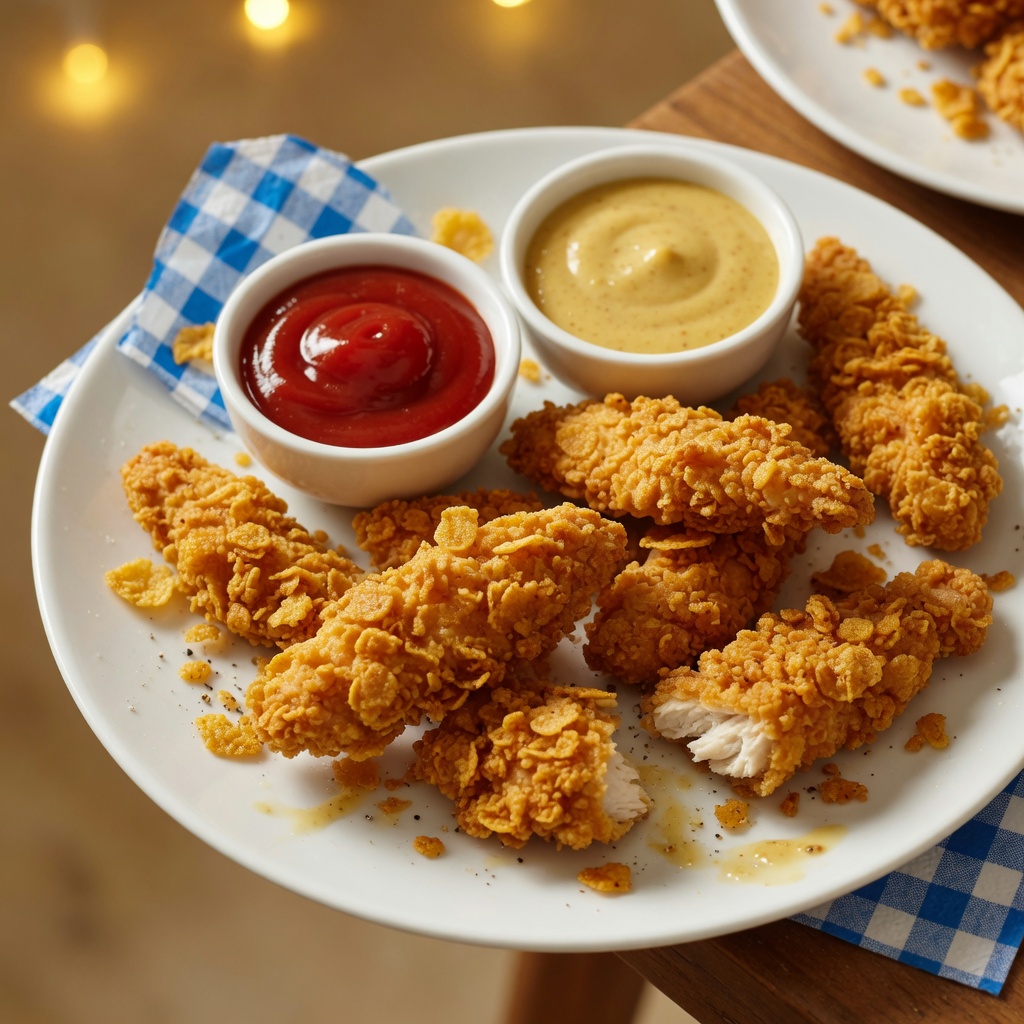
| Breadcrumbs | GF Breadcrumbs, Crushed GF Cereal, Almond Flour (for coating) | Ensure certified GF. Almond flour adds flavor, not suitable for nut-free. |
A World of Delicious Possibilities
See? It’s not about what you *can’t* have. It’s about opening up a whole new world of incredibly delicious ingredients that meet your unique needs. Being GF, or GF plus dairy-free, or GF and low FODMAP (the list goes on!), doesn’t mean sacrificing flavor or fun. It means getting a little creative, becoming a culinary detective, and embracing the bounty available to you.
Don’t be afraid to experiment! Start with familiar recipes and make one swap at a time. Pay attention to textures, flavors, and how ingredients behave. Your kitchen is your playground. Every successful swap is a win, a step towards even more confident, joyful eating. So go ahead, whip up that GF, dairy-free, nut-free cake, or that savory GF bread. Your taste buds (and your body!) will thank you. Keep cooking, keep experimenting, and keep living that delicious gluten-free life to the fullest.