Safe Storage Solutions: Organizing Your Pantry to Avoid Gluten Transfer (2026)

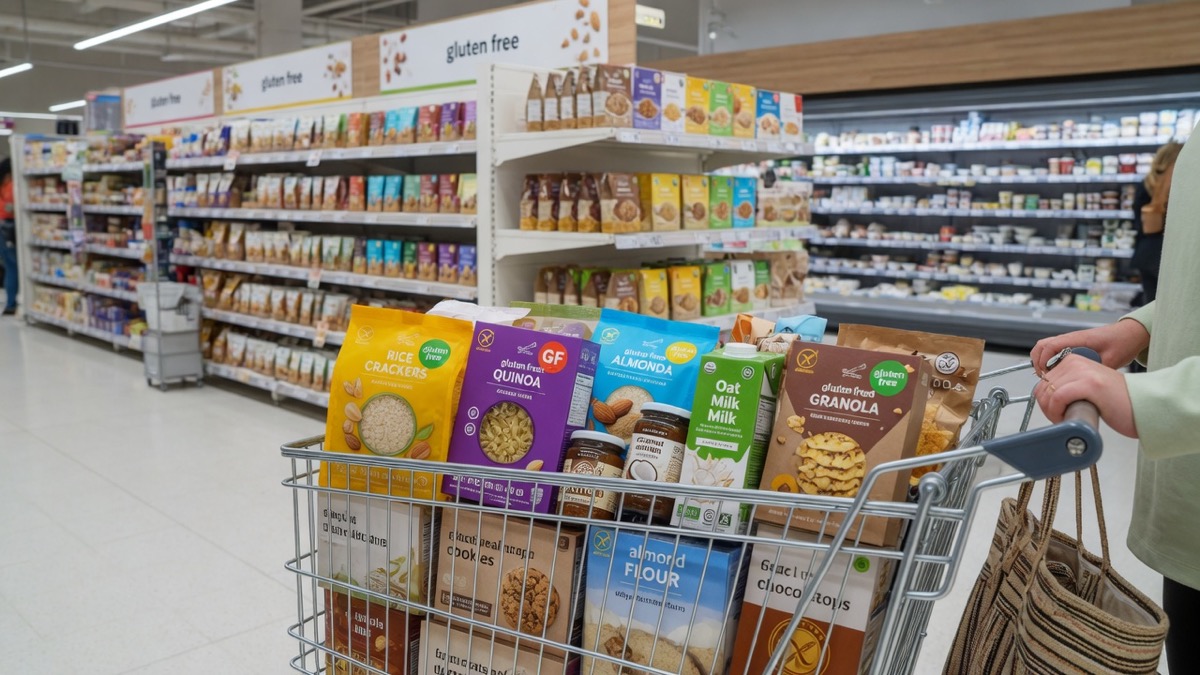
Hey there, fellow food adventurer! Ready to talk pantry organization? Because let me tell you, a well-structured pantry isn’t just about pretty labels and Instagram-worthy shelves. It’s about peace of mind. It’s about confidently reaching for that gluten-free flour without a second thought, knowing it’s truly safe. We all know the dance of avoiding gluten cross-contamination, and while we often focus on the stovetop or cutting board, the pantry is a silent, crucial player. Think of it as your kitchen’s fort Knox, protecting your precious GF stash. And trust me, protecting that deliciousness is a mission worth undertaking! If you want a deeper dive into overall gluten safety, check out our guide on Preventing Gluten Cross-Contamination.
Why Your Pantry Needs a GF Makeover (and a Little TLC)
Imagine this: a tiny, invisible enemy, just a speck, floating through the air, settling where it doesn’t belong. That’s how sneaky gluten can be. Gluten transfer, or cross-contamination, happens when gluten-containing ingredients accidentally mix with your gluten-free ones. A crumb, a dusting of flour, a shared spoon. It’s a bummer, right? Especially when you’ve worked so hard to keep your food safe.
Your pantry, often a bustling hub of ingredients, can become a prime spot for these unwelcome gluten intrusions if not managed properly. We’re not talking about scrubbing every individual grain (though a good clean-out is always welcome!), but about smart, strategic storage that acts like a delicious shield. We want to enjoy our gluten-free meals, not stress about them. So, let’s get those pantries whipped into shape, shall we?
The Golden Rules of GF Pantry Zen
Getting your pantry organized for gluten-free living isn’t complicated. It boils down to a few core principles. Simple stuff, but oh-so-effective.
1. Dedicate a Gluten-Free Zone (or the Whole Shebang!)
If your household is 100% GF, congratulations! Your entire pantry is your safe zone. High five! For those living in a mixed household, dedicating specific shelves or even an entire cabinet is your best friend. This creates a clear boundary. Think of it as a VIP section for your gluten-free goodies.
It could be the top shelf, a specific pantry column, or even a rolling cart if you’re short on space. The key is consistency. Everyone in the house needs to know, “This is where the GF stuff lives.” No exceptions.
2. Go High, Go Dry: The Top-Shelf Advantage
Gravity is both a blessing and a curse. For us, it’s a blessing when it comes to GF pantry storage. Always store your gluten-free items *above* any gluten-containing items. This is particularly crucial for things that can dust or spill, like flours, cereals, or crackers.
Picture this: a bag of wheat flour accidentally tears. If it’s above your GF pasta, disaster averted (mostly). If it’s below, that fine powder drifts down onto everything, making your GF items potentially unsafe. Nobody wants that. Give your gluten-free flours the penthouse suite. Your GF bread crumbs deserve the high ground, literally.
3. Airtight is Right: Embrace the Container Life
This might be the single most important rule. Gluten-free or not, dry goods stored in their original bags are asking for trouble. They rip, they spill, and they invite pantry pests. But for GF items, open bags are also an invitation for airborne gluten particles to settle in.
Invest in good quality, airtight containers. Glass, BPA-free plastic, or stainless steel work wonderfully.
- They keep moisture out.
- They keep pests away.
- Most importantly, they seal your GF treasures safely away from any potential gluten dust or crumbs.
Think of your grains, flours, pastas, and baking mixes. All of them need their own secure little fort. When you bring home a new GF flour, transfer it straight into its designated container. Don’t leave it lingering in the paper bag.
4. Label Everything, Always
Even in an all-GF household, labeling is smart. But in a mixed kitchen? It’s non-negotiable. Clearly label your containers. Write “GF Flour Blend,” “GF Oats,” “GF Pasta.” You can use a permanent marker on masking tape, stick-on labels, or even a chalk marker on black containers.
Why? Because sometimes, GF versions of products look incredibly similar to their gluten-containing counterparts. Imagine two bags of oats. One is certified GF, the other isn’t. A quick glance, a sleepy grab, and boom. Labeling prevents these accidental mix-ups. It’s like giving your food a clear name tag.
5. Smart Shopping and Decanting Habits
Make a habit of shopping for your GF items separately, or at least bagging them separately at the store. When you get home, prioritize putting away your GF items first. This minimizes their exposure to any gluten-containing groceries.
When you buy a large bag of GF flour or oats, consider decanting it into smaller, more manageable airtight containers. This way, you only open a small amount at a time, further reducing risk. Plus, it makes baking much easier!
Common Gluten Culprits and How to Tame Them
Some ingredients are just more notorious for spreading gluten. Let’s tackle the biggest offenders:
Flours: The Dust Devils
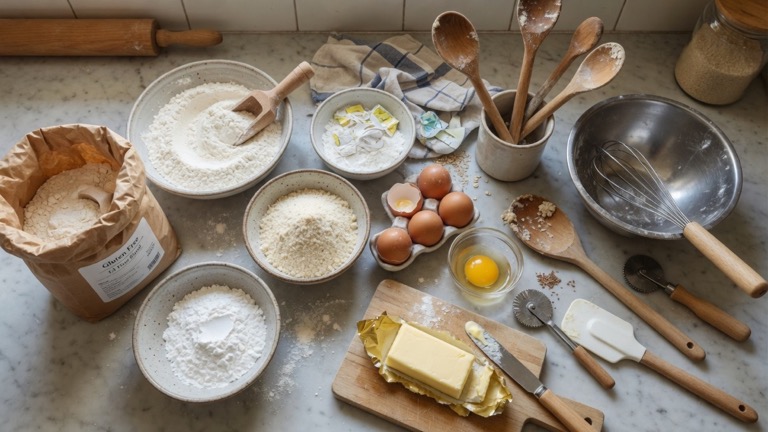
Wheat flour, rye flour, barley flour – these are the main culprits for airborne gluten. They’re fine, light, and they travel. If you share a pantry with gluten-containing flours, they absolutely need to be in separate, clearly marked, airtight containers, stored on a lower shelf, *below* all your GF flours.
**Pro Tip:** If you have a dedicated GF pantry, marvelous! If not, consider a separate bin or even a small, closed cabinet just for your GF flours. Keep them away from the gluten-y stuff as much as possible. This also applies to things like conventional bread crumbs. Just imagine the tiny gluten confetti they can create!
Grains and Pasta: The Lookalikes
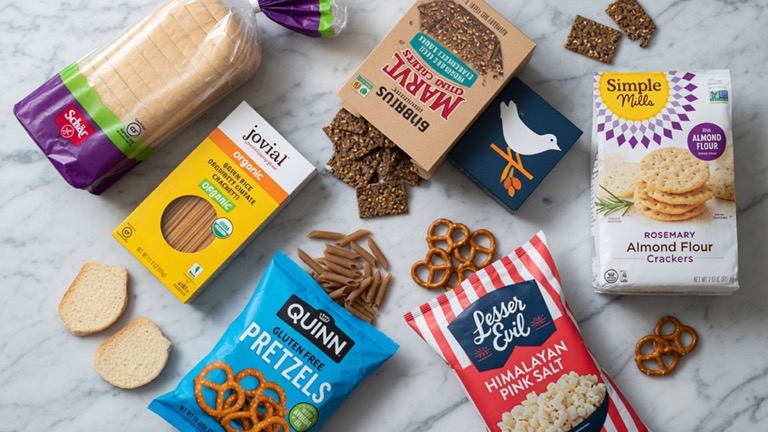
Regular pasta and GF pasta often look identical. Same goes for oats (unless certified GF), rice blends, or even some baking mixes. Again, airtight containers and clear labels are your best defense.
When buying GF pasta, consider brands that offer unique shapes or colors for their gluten-free varieties. It’s an extra visual cue! Also, if you’re concerned about things like trace amounts in grains, understanding how much gluten causes a reaction can be really helpful information for your personal risk assessment.
Spices and Condiments: Shared Spoons Syndrome
This is a subtle one. If you’re sharing spice jars (like that big container of cumin) or condiment bottles (mayonnaise, mustard) with gluten-eaters, a contaminated spoon or knife can easily introduce gluten.
**Solution:** Have separate, clearly marked GF versions of frequently used condiments. Or, for spices, consider buying smaller GF-only jars. For shared jars, instruct everyone to use clean utensils every single time. It’s a small change but makes a huge difference. Think of it like a community dip, you wouldn’t double-dip, right? Same principle!
Beyond the Pantry: A Quick Look at Other Storage Spots
While the pantry is our main focus, remember that safe storage principles extend to other areas too.
* **Refrigerator:** Keep GF items (deli meats, cheeses, opened condiments) on separate shelves, or in designated bins. Again, ideally above gluten-containing items.
* **Freezer:** Label everything. Use separate bags or containers for GF baked goods or meals. It’s easy to grab the wrong thing when everything is frosted!
Sometimes, cross-contamination pops up in the most unexpected places. Have you ever considered gluten cross-contamination in gardens and playdough? It’s a real thing, and shows how vigilance is key, even outside the kitchen.
Your Pantry, Your Happy Place
Organizing your pantry might sound like a chore, but truly, it’s an act of self-care. It’s about creating a safe, joyous space where you can cook and eat without worry. When you open those pantry doors and see your beautifully organized, clearly labeled, safely stored GF ingredients, it’s a moment of pure satisfaction.
This isn’t about living in fear of gluten; it’s about living in confidence. It’s about taking control, making informed choices, and ensuring every single bite you take is as delicious and safe as it should be. So go forth, get those containers, grab your labels, and transform your pantry into the GF haven it was meant to be. Happy organizing, and even happier eating!
References for Your GF Journey
For more insights on food storage and cross-contamination prevention, these resources offer valuable information: