Preventing Leaky Gut Syndrome in Celiac Disease: Research Updates (2026)

Hey there, fellow food adventurers! It’s your GF guide here, ready to chat about something super important for those of us living the gluten-free life, especially if celiac disease is part of your story. We’re diving into “leaky gut syndrome,” but don’t let the name scare you. We’re going to break it down, understand the latest research, and discover how to keep our insides happy and thriving. This isn’t about limitations, it’s about empowerment and feeling fantastic, one delicious GF meal at a time.
Before we dig in, remember that understanding the science behind our food choices is part of building a truly vibrant life. It’s all part of the exciting world of Research & Innovations in Gluten-Free that we love to explore together.
So, What Exactly is “Leaky Gut” Anyway?
Alright, let’s get straight to it. When scientists talk about “leaky gut,” they’re talking about something called increased intestinal permeability. Think of your gut lining like a fine-mesh colander. Normally, this colander has tiny, tightly woven holes that are just big enough to let all the good stuff (nutrients, water) pass through into your bloodstream, while keeping the bad stuff (undigested food particles, toxins, bacteria) safely inside your digestive tract to be escorted out. It’s a brilliant gatekeeper.
But sometimes, for various reasons, those tight junctions (the “stitches” holding your colander mesh together) can loosen up a bit. The holes get bigger. Now, the colander isn’t so good at its job. Bits of undigested food, toxins, and microbes that should stay in the gut can “leak” through into your bloodstream. Your immune system, bless its heart, sees these invaders and goes, “Whoa, what’s this?!” It then launches an attack, creating inflammation throughout your body. This is where the term “leaky gut” comes from, and it’s a big deal for celiacs.
Celiac Disease and the Leaky Gut Connection
For those of us with celiac disease, our gut lining is already a sensitive soul. When gluten enters the picture, it triggers an immune response that directly damages those tight junctions in our small intestine. It’s like gluten takes a little wrench and loosens all the screws on our colander. This damage is a hallmark of active celiac disease, and it’s why a strictly gluten-free diet is our superhero cape.
Even after going GF, some folks with celiac disease might still experience persistent gut permeability, meaning those tight junctions haven’t fully healed or remain vulnerable. This can contribute to ongoing symptoms, nutrient deficiencies, and even other autoimmune conditions down the line. That’s why understanding how to really seal up that gut barrier is so crucial for long-term health and vitality.
Fresh Research: Keeping Our Gut Gates Sealed (2026 Updates!)
Good news, friends! Scientists aren’t sitting still. They’re constantly digging into the mechanisms behind leaky gut and celiac disease, looking for ways to support our healing. Here’s what’s buzzing in the research labs right now:
Zonulin: The Master Key to Gut Permeability
Remember those tight junctions? A protein called zonulin plays a starring role in controlling them. It’s basically the master key that can unlock or tighten those gates in your gut lining. In celiac disease, gluten exposure can crank up zonulin production, leading to those looser junctions we talked about.
Current research, right into 2026, is heavily focused on finding ways to dial down zonulin. Think of it like a remote control for your gut permeability. Scientists are exploring compounds that can inhibit zonulin, effectively keeping those tight junctions sealed. This isn’t about letting us eat gluten, absolutely not! It’s about creating an environment where our gut can heal more completely and robustly, even protecting against accidental gluten exposures.
There are clinical trials investigating specific zonulin inhibitors, and while they’re not yet widely available, the concept is exciting. Imagine a future where we have targeted therapies that work in harmony with our GF diet to make our gut lining an impenetrable fortress!
The Microbiome’s Mighty Role: Your Gut Garden
This is where things get really fascinating, and it’s an area of constant discovery. Your gut is home to trillions of bacteria, viruses, and fungi – your very own internal garden, called the microbiome. A healthy, diverse microbiome is like a vibrant, balanced ecosystem, and it plays a huge part in maintaining gut barrier integrity.
Research continues to show that specific strains of probiotics (beneficial bacteria) and prebiotics (food for those good bacteria) can strengthen the gut lining, reduce inflammation, and even produce compounds like short-chain fatty acids (SCFAs) that directly nourish gut cells. SCFAs, especially butyrate, are like super-fuel for your gut, helping to repair and maintain those tight junctions. Scientists are even looking into “designer” probiotics, custom-tailored to address specific imbalances seen in celiac disease.
This is why we talk so much about eating a varied, whole-food GF diet. It feeds your beneficial gut bugs! You can dive even deeper into this topic by exploring our post on Decoding the Gut Microbiome: Impact of a Gluten-Free Diet.
Beyond the GF Diet: Nutritional Support for the Gut
While a strict GF diet is non-negotiable for celiacs, research is highlighting other dietary allies that can help prevent and heal leaky gut:
- L-Glutamine: This amino acid is a fundamental building block for gut cells. It’s like the raw material your gut uses for repair and maintenance. Studies suggest it can support gut barrier function, especially when the gut is under stress.
- Polyphenols: Found in colorful plant foods (berries, dark chocolate, green tea, certain spices), polyphenols are powerful antioxidants. They help reduce inflammation and can positively influence the gut microbiome, indirectly supporting gut barrier health.
- Omega-3 Fatty Acids: Think wild salmon, flax seeds, walnuts. These healthy fats are known anti-inflammatory agents, which can calm down the immune response that contributes to gut permeability.
- Zinc: This mineral is vital for immune function and gut healing. Deficiency can impact tight junction integrity.
The key here isn’t just avoiding gluten, but actively *nourishing* your gut with these powerful compounds. It’s about flooding your body with goodness.
Practical Steps You Can Take NOW for a Happy Gut
While cutting-edge research unfolds, there’s plenty we can do right here, right now, to support our gut health and prevent leaky gut issues. These are the daily practices that build resilience:
Stick to Your GF Superpower!
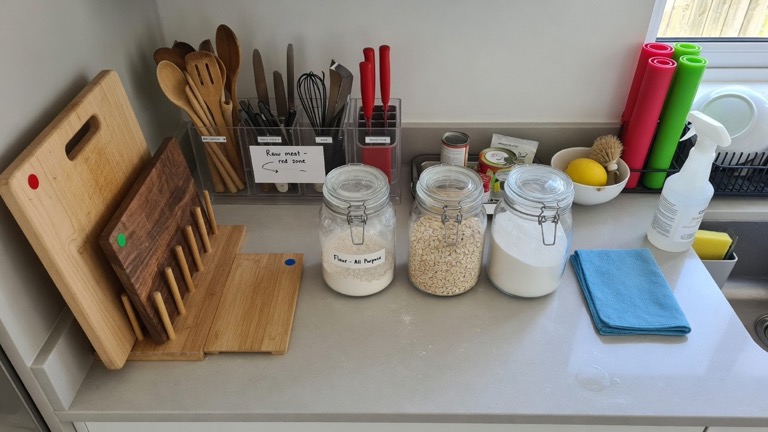
This one’s obvious, but bears repeating: a 100% strict gluten-free diet is your absolute foundation. Every single exposure, no matter how small, triggers that immune response and can loosen those gut gates. Be vigilant, cross-contamination aware, and proud of your commitment to yourself. It’s not just about symptoms, it’s about healing.
Embrace Whole, Unprocessed Foods
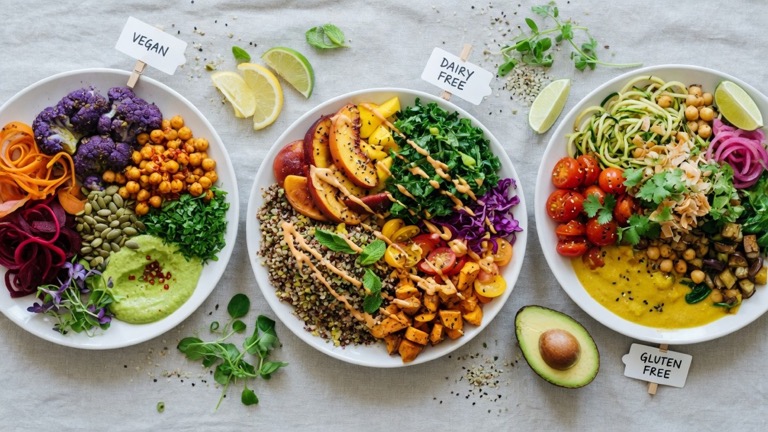
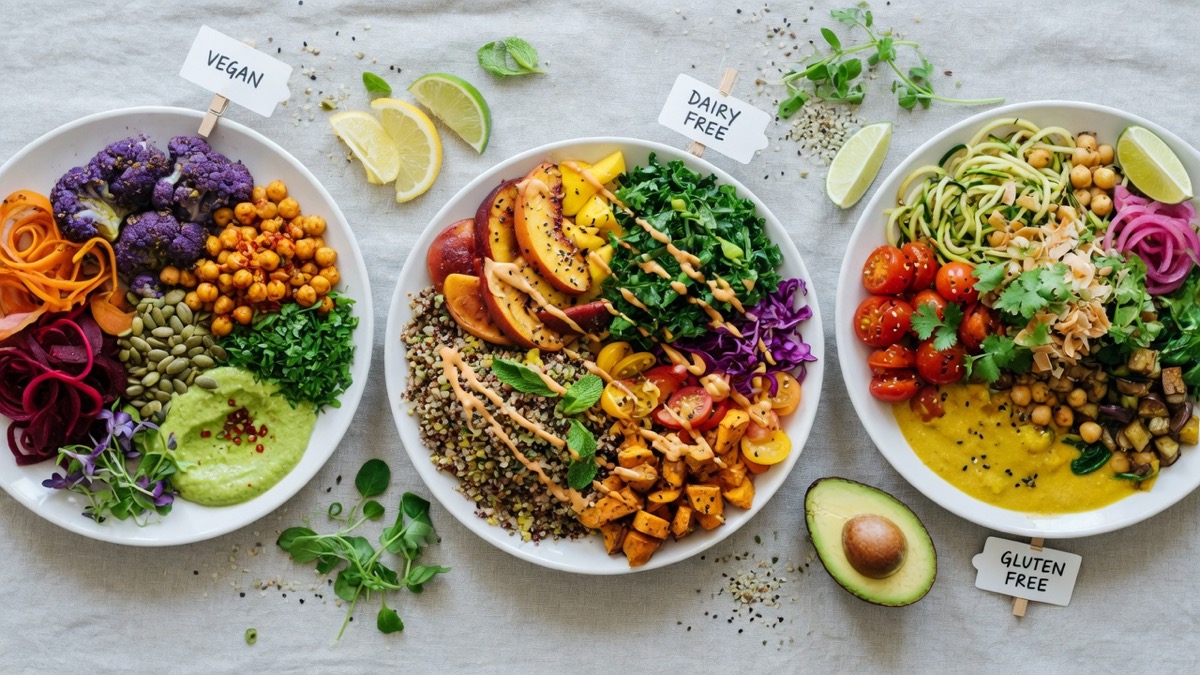
Think colorful fruits and veggies, lean proteins, healthy fats, and naturally GF grains like quinoa, brown rice, and millet. Processed foods, even GF ones, often contain additives, excess sugars, and unhealthy fats that can irritate the gut and feed the “bad” bacteria. Your gut thrives on real food.
Consider the power of naturally GF oats too! You can learn more about how they fit into a healthy GF lifestyle in our post on Gluten-Free Oats: Purity Standards and Health Benefits Research.
Feed Your Gut Garden
Eat plenty of fiber-rich foods (prebiotics!) – think asparagus, bananas, onions, garlic, apples. Incorporate fermented foods (probiotics!) like sauerkraut, kimchi, GF yogurt, and kombucha if your stomach tolerates them. A diverse diet means a diverse microbiome, and that’s a happy gut.
Manage Your Stress
Believe it or not, chronic stress has a direct impact on gut permeability. Our gut and brain are intimately connected (the gut-brain axis!), and stress hormones can literally loosen those tight junctions. Practice mindfulness, yoga, meditation, deep breathing, or simply make time for activities you love. Your gut will thank you.
Prioritize Quality Sleep
Sleep is when your body repairs and regenerates. Poor sleep can increase inflammation and negatively impact gut barrier function. Aim for 7-9 hours of quality sleep each night. Make your bedroom a sanctuary.
Stay Hydrated
Water is essential for everything, including the health of your gut lining and the smooth transit of food through your digestive system. Drink plenty of filtered water throughout the day.
Looking Ahead to an Even Brighter GF Future
The journey to a happy, healthy gut is ongoing, and the research keeps pushing us forward. From new probiotic strains specifically engineered for celiac guts to deeper understandings of how our unique genetics interact with our environment and diet, the future of preventing leaky gut in celiac disease is bright. Scientists are even exploring biofortification techniques for GF foods to naturally boost nutrient content, which can also aid gut healing efforts.
This isn’t about fear; it’s about knowledge. It’s about taking the reins of our health and making informed choices that make us feel incredible. By understanding how our bodies work, especially our amazing digestive systems, we can truly support our celiac journey and enjoy a life brimming with energy and deliciousness.
Remember, you’re not alone in this. We’re a community of confident, joyful GF eaters, always learning, always growing, and always finding new ways to make our plates, and our guts, sing! Keep exploring, keep experimenting, and keep thriving!
P.S. Always chat with your doctor or a registered dietitian before making significant changes to your diet or supplement regimen. They’re part of your health team! You can find more trusted information from resources like the Celiac Disease Foundation.