Gluten-Free Dairy Alternatives: Innovations in Taste and Texture (2026)

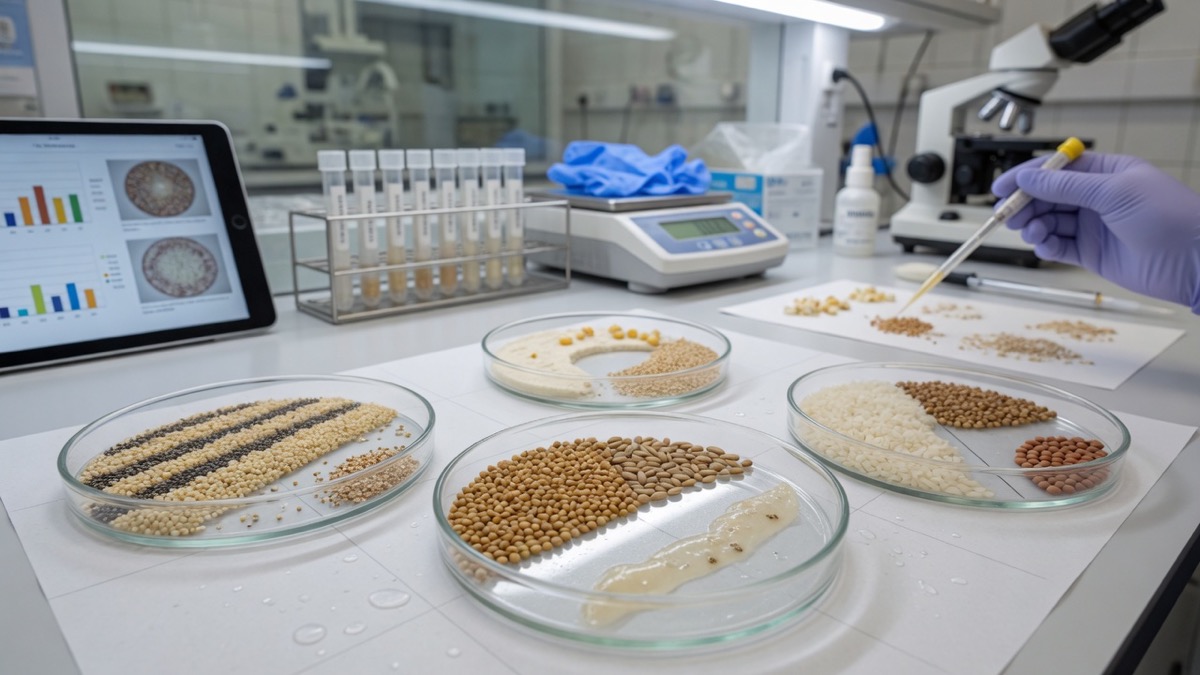
Oh, my GF friends, let’s chat about something truly delicious today. Something that, for a long time, felt like a tricky tango in the kitchen. I’m talking about gluten-free dairy alternatives! Remember those early days? The watery milks, the plastic-y cheeses, the yogurts that just… weren’t. We’ve come so far! It’s an exciting time to be an eater, especially when you’re navigating the wonderful world of GF living. The innovation we’re seeing in taste and texture is nothing short of incredible. It truly changes the game for what’s possible on your plate, reminding us that a gluten-free lifestyle is all about abundance, not limitations. This is exactly the kind of progress we celebrate at Research & Innovations in Gluten-Free, because it makes our daily lives richer, tastier, and easier.
From “Barely There” to “Beyond Belief”: The Dairy-Free Revolution
For many of us, going gluten-free often means a double whammy: also cutting out or significantly reducing dairy. Lactose intolerance, dairy allergies, or simply a preference for plant-based eating often go hand-in-hand with our GF journey. And for years, finding dairy substitutes that truly stood up to their traditional counterparts was, well, a quest. A noble one, but often met with disappointment.
Think about it. Dairy products offer such specific characteristics. Milk’s creamy mouthfeel, yogurt’s tangy thickness, cheese’s glorious melt and stretch. These aren’t just flavors; they’re experiences. Replicating that is complex food science, a culinary puzzle. But here’s the good news: science is winning! Researchers and food scientists are cracking the code, ingredient by ingredient, process by process. We’re finally seeing dairy alternatives that don’t just exist; they shine.
The Magic Behind the Mouthfeel: Why Dairy is Tricky to Mimic
Why has dairy been such a tough nut to crack, you ask? It boils down to a few key players: fat, protein, and sugars (lactose). These components interact in unique ways, creating dairy’s signature attributes. Milk fat, for example, delivers richness and body. Milk proteins, like casein, are responsible for that lovely stretch in melted cheese and the thick texture of yogurt. Lactose contributes to browning and a subtle sweetness. When you remove these, you leave a gap that plant-based ingredients need to fill.
Early alternatives often struggled. They were thin. They separated. Their flavor profiles were, shall we say, “distinctive.” But the industry learned. Oh, how they learned! They started looking at the microscopic structures of dairy, then experimenting with plant proteins, oils, and starches that could replicate those same structures. It’s like reverse-engineering a delicious secret recipe.
Meet the New Guard: Stellar Ingredients Making Dairy Alternatives Shine
Today’s dairy-free aisle is a vibrant tapestry of innovation. No longer just soy or almond, we have a whole pantry of options. Each brings something special to the table.
- Oat: This one’s a champion! Oat milk exploded onto the scene because of its incredible creaminess and neutral flavor. It foams beautifully for lattes, bakes like a dream, and provides a satisfying richness. It’s a favorite for many.
- Almond: The OG. Almond milk remains a popular choice, especially for its lower calorie count and light taste. Innovators are now finding ways to make it thicker, less watery, and more versatile for cooking.
- Soy: A powerhouse. Soy milk has always been high in protein, making it a solid nutritional choice. New processing techniques have drastically improved its flavor, making it smoother and less “beany.”
- Cashew: Creamy dream! Cashews are naturally rich and buttery, making them fantastic for dairy-free cheeses, sauces, and extra-creamy milks. They blend into an incredibly smooth base.
- Coconut: Lush and tropical. Coconut milk and cream lend richness to curries, desserts, and whipped toppings. Its distinct flavor is perfect when you want that specific tropical note.
- Pea Protein: The rising star. Pea milk is making waves for its impressive protein content, often comparable to dairy milk. It’s allergen-friendly (no nuts or soy) and boasts a surprisingly neutral taste and thick consistency.
- Hemp, Rice, and Potato: Don’t count these out! Each offers unique characteristics for different needs, from allergen concerns to specific textural goals.
Beyond the Base: The Science of Superior Texture
It’s not just about the main ingredient. The real magic happens when food scientists get clever with the supporting cast. These innovations are creating textures that truly fool your taste buds:
- Smart Gums & Starches: Ingredients like xanthan gum, guar gum, and tapioca starch aren’t just thickeners. They’re carefully used in small amounts to provide body, prevent separation, and create that desired viscosity (the scientific term for “thickness” or “flow”). They give yogurt its scoopable quality and milk its smooth pour.
- Fermentation Finesse: This is a big one, especially for cheeses and yogurts. Just like traditional dairy, plant-based alternatives can be fermented with cultures. This process develops tangy flavors, creates probiotic benefits, and transforms textures. It gives a sharp cheddar its bite or a Greek yogurt its characteristic tang and thickness.
- Emulsification Mastery: Oil and water don’t mix, right? Well, they do with the help of emulsifiers. These are compounds that help tiny droplets of fat disperse evenly throughout a liquid, preventing separation and creating a consistently smooth product. Think of how mayonnaise stays together. Better emulsification means creamier milks and stable yogurts.
- Fat Blending: Not all fats are created equal. Formulators are using specific blends of plant oils (like coconut oil, sunflower oil, or cocoa butter) to mimic the melt, spreadability, and richness of dairy fat. This is especially key for butter and cheese alternatives.
Taste That Delivers: No More Compromises
Let’s be honest, the biggest hurdle for dairy alternatives used to be taste. That “off” flavor, that lingering aftertaste. Those days are largely behind us. Modern innovations mean:
- Neutral Flavors: Many plant milks are now incredibly neutral. This means they don’t overpower your coffee, cereal, or baked goods. They simply provide the creamy base you’re looking for.
- Specialized Blends: Barista oat milk, anyone? These milks are specifically formulated to froth like dairy milk, holding their foam for that perfect latte art. Cheese alternatives are designed to melt and stretch like mozzarella. We’re seeing products tailored for specific culinary applications.
- Less “Beany” or “Nutty” Notes: Through advanced processing (like specific heat treatments and filtration), manufacturers are effectively removing or reducing the less desirable flavors that once plagued soy or almond products.
- Savory & Tangy Profiles: Fermentation and clever flavor additions mean dairy-free yogurts are genuinely tangy, and some cheese alternatives have a surprising depth of umami.
The Dairy-Free Aisles Are Overflowing with Delights!
Walk through the grocery store now. It’s a wonderland! What was once a small shelf is now a full-blown section. Here’s where the innovation truly shines:
Milks: Beyond the Basics
From rich oat milk for your morning smoothie to creamy pea milk that stands up to a bowl of GF cereal, the options are endless. Need a barista blend that froths beautifully? Done. Want something extra-rich for a creamy sauce? You’ll find it. We even have milks fortified with calcium and Vitamin D, just like traditional dairy. This variety lets you choose based on taste, nutrition, and what you’re cooking.
Yogurts: Tangy & Thick
No more thin, watery yogurt wannabes! Today’s dairy-free yogurts, often made from coconut, oat, almond, or cashew, are genuinely thick, spoonable, and tangy. Many are packed with probiotics, a welcome boost for our gut microbiome. They come in exciting flavors, plain for savory uses, and even in Greek-style varieties for extra protein.
Cheeses: Melt, Shred, Savor!
This category used to be the biggest challenge. But WOW, things have changed! We now have dairy-free cheeses that actually melt on your pizza, shred over your tacos, and even stand alone on a cracker. Cashew and coconut oil are often key players here, along with carefully selected starches and gums. The flavors range from mild mozzarella styles to sharp cheddars and tangy feta crumbles. It’s glorious.
Ice Cream: Scoops of Joy
The innovation in dairy-free ice cream is phenomenal. Forget icy, flavorless desserts. Brands are using oat, coconut, cashew, and almond bases to create incredibly creamy, decadent ice creams that scoop and melt just like the real deal. From classic vanilla to gourmet concoctions, the freezer aisle is a happy place for GF, dairy-free dessert lovers.
Butters: Spread the Love
Plant-based butters, often a blend of oils like coconut, avocado, and olive, are now incredibly spreadable, bake beautifully, and brown perfectly. They offer the richness and functionality you need for toast, cooking, and all your baking adventures (especially when paired with the right innovations in GF bread texture).
Your Guide to Exploring Dairy-Free Delights
So, how do you navigate this exciting new world? A few tips from your trusted GF friend:
- Read Labels: Always check for certified gluten-free labels, just to be safe. Also, look at the ingredient list to understand the base and any added components.
- Experiment Fearlessly: What works for one person might not work for another. Try different brands, different bases (oat, cashew, pea), and different product types. You might surprise yourself!
- Consider the Application: A neutral oat milk is great for coffee, but a richer cashew cream might be better for a creamy pasta sauce. A firm almond-based cheese might be ideal for grating, while a softer coconut-based one melts beautifully.
The landscape of gluten-free dairy alternatives is dynamic and constantly improving. It’s proof that with a little ingenuity and a lot of passion, we can truly have it all on our plates. Embrace the new choices, get cooking, and savor every delicious, dairy-free bite! Our GF journey is richer, more flavorful, and more abundant than ever before. What a time to be alive and eating well!
Sources: