Advancements in Gluten-Free Beer and Alcoholic Beverages (2026)

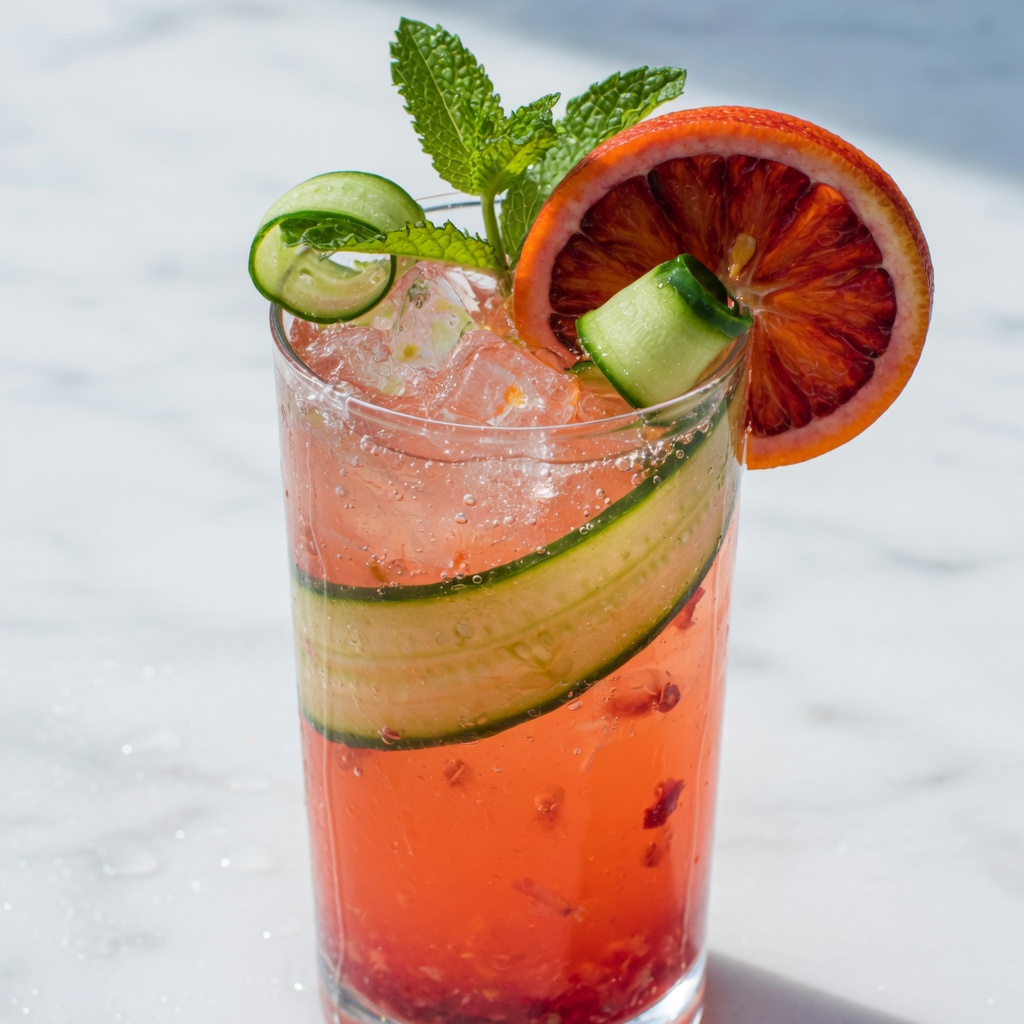
Remember those days? Not so long ago, if you were living gluten-free and hankering for a cold brew, your options were, well, a bit like finding a unicorn in your fridge. Sparse. Often, they tasted… let’s just say “adventurous” in a way you didn’t always sign up for. But that, my friends, is a tale for the history books!
Here we are in 2026, and oh, how the landscape of gluten-free alcoholic beverages has blossomed! We’re not just talking about a couple of lonely lagers anymore. We’re talking about a veritable festival of flavors, from crisp IPAs to rich stouts, all crafted with us in mind. This explosion of deliciousness is a direct result of incredible ingenuity and scientific breakthroughs. It’s part of a bigger wave, really, one that’s splashing across all areas of GF living, driving Research & Innovations in Gluten-Free. So, grab a glass (or can), and let’s dive into the delicious revolution.
The Golden Age of GF Beer: Brewing Up Perfection
For a long time, the biggest challenge in brewing GF beer was replicating that satisfying body, the frothy head, and the complex flavors that traditional barley brings to the party. Barley, wheat, rye – they’re the usual suspects, loaded with gluten, and they’re what give beer its distinct character. Brewers needed new tools, new ingredients, and a whole lot of creative spirit. And boy, did they deliver!
Decoding the Brew: Enzyme-Treated vs. Naturally GF
Let’s clear up a common question first. You’ll often see two types of GF beer. There’s the “naturally gluten-free” kind, which uses grains that never had gluten to begin with. Think sorghum, millet, rice, corn, and even buckwheat or quinoa. These are fantastic, often offering unique flavor profiles.
Then there’s the “gluten-reduced” or “enzyme-treated” beer. These beers start with traditional barley, but during the brewing process, brewers add special enzymes. These tiny superheroes break down the gluten proteins into smaller fragments. Most people with celiac disease or gluten sensitivity can safely drink these beers because the gluten is reduced to below the 20 parts per million (ppm) threshold, which is the international standard for “gluten-free.” It’s a clever trick, allowing brewers to capture more of that classic beer taste. But always, always double-check the label and your own personal tolerance. Your gut is unique!
Beyond Barley: A Pantry Full of Possibilities
The real game-changer? Brewers got incredibly adventurous with their grain bills. No longer limited to just a few options, they’re now experimenting with a wide range of gluten-free grains, each bringing its own special something to the brew:
- Sorghum: This hearty grain has been a staple in GF brewing for years. It provides a crisp, often cider-like base, perfect for lighter lagers and some ales.
- Millet: A wonderfully versatile grain, millet can add a bready, slightly nutty character. Brewers are using it to build more complex malty notes.
- Rice: Often used as an adjunct in traditional brewing, rice brings a clean, light character, making for very quaffable, refreshing GF beers.
- Buckwheat: Don’t let the “wheat” in the name fool you – it’s actually a fruit seed and completely GF! Buckwheat lends earthy, sometimes malty notes that are exciting for darker beers.
- Quinoa: Yes, your favorite healthy grain is now in your beer! It offers a subtle, slightly herbaceous flavor and contributes to a smoother mouthfeel.
Plus, brewers are getting savvy with other ingredients like chestnuts, lentils, and even fruit purees to add body, fermentable sugars, and fantastic flavors. It’s like a chef discovering a whole new spice rack – the possibilities are endless!
Yeast: The Unsung Heroes of Flavor
And let’s not forget the yeast! These microscopic master craftsmen are crucial. Advancements in yeast strains are a big deal. Scientists are identifying and cultivating yeasts that thrive on GF sugars, producing a broader spectrum of esters (compounds that create fruity or spicy flavors) and phenols (which give rise to clove-like or smoky notes). Some new strains are even being engineered to enhance the breakdown of complex carbohydrates from GF grains, leading to better fermentation and a clearer, more consistent product. They’re the secret sauce, really, behind much of the improved taste and aroma.
It’s all part of the fascinating intersection of food science and culinary art, much like the breakthroughs we’re seeing in Innovations in Gluten-Free Bread Texture: A Scientific Review, where understanding ingredients at a molecular level makes all the difference.
Beyond Beer: Cheers to More GF Choices!
While GF beer has truly soared, the broader world of alcoholic beverages hasn’t been sitting still. There are more delicious, safe choices than ever before.
Ciders: Always a Safe Bet, Now More Exciting
Cider, made from fermented apple juice (or other fruits), has always been naturally gluten-free. But in 2026, the craft cider scene is booming! We’re seeing everything from dry, champagne-like ciders to hopped ciders, ciders infused with botanicals, and even barrel-aged varieties. They offer a wonderful alternative to beer, especially for those who prefer something lighter or fruitier. Think of it as a whole orchard of options!
Spirits: Generally GF, But Read Those Labels!
Most distilled spirits, like vodka, gin, rum, and whiskey, are technically gluten-free due to the distillation process. Even if they start with gluten-containing grains, the distillation separates the alcohol from the heavier gluten proteins. However, things get tricky with flavored spirits or those with added ingredients after distillation. Always look for labels that specifically state “gluten-free” or check with the brand if you’re unsure. The same goes for liqueurs and pre-mixed cocktails, where cross-contamination or gluten-containing additives can be an issue.
Wine: Your Classic GF Friend
Wine, made from fermented grapes, is naturally gluten-free. Red, white, rosé, sparkling – go wild! The only minor considerations might be in some very rare cases where fining agents (used to clarify wine) might contain gluten, but this is extremely uncommon and usually removed before bottling. Most winemakers are very aware of allergen concerns now, so it’s generally a very safe bet.
Hard Seltzers and RTD Cocktails: The Modern Mainstays
The rise of hard seltzers has been meteoric, and almost all of them are naturally gluten-free, often made from fermented cane sugar or fruit alcohol. They are light, refreshing, and incredibly popular. Similarly, the ready-to-drink (RTD) cocktail market has exploded. Companies are creating innovative, convenient, and most importantly, clearly labeled gluten-free options. From canned margaritas to espresso martinis, the convenience factor, coupled with clear allergen information, makes these a fantastic choice for on-the-go enjoyment.
What’s Fueling This Delicious Shift?
It’s simple, really. It’s us! The growing number of people embracing a gluten-free lifestyle, whether for celiac disease, gluten sensitivity, or personal choice, has created a powerful market demand. Brewers and beverage companies are smart; they’re listening to what we want. Plus, advancements in ingredient sourcing, analytical testing, and brewing technology have made it easier and more cost-effective to produce high-quality GF products. It’s a win-win, where our needs drive innovation, and innovation gives us more to celebrate!
Enjoying Your GF Sips with Confidence
So, how do you navigate this wonderful new world? A few friendly tips:
- Read the Label: Always look for “Gluten-Free” certification from a reputable organization. This is your best assurance.
- Know Your Body: Some people react differently to enzyme-treated (gluten-reduced) products. Listen to your body and choose what feels right for you.
- Ask Away: At breweries, bars, or restaurants, don’t hesitate to ask about their GF options and how they prevent cross-contamination. Most places are incredibly knowledgeable now.
- Explore! Don’t stick to just one brand. There are so many fantastic options out there, each with its own unique character. Have fun discovering new favorites!
Pair a robust GF stout with a juicy GF burger, or a crisp GF IPA with your favorite GF pizza. A sparkling hard seltzer is perfect for a summer afternoon. There are no limits to the delicious combinations you can create! You might even find that some of these gluten-free grains have beneficial effects on your Decoding the Gut Microbiome: Impact of a Gluten-Free Diet.
The Future is Bright (and Bubbly!)
Looking ahead, I predict even more exciting developments. We’ll see more hyper-local GF breweries, more experimental flavor profiles, and even better non-alcoholic GF options. The days of feeling left out are truly over. We’re living in an era where going GF means expanding your palate, not limiting it. So raise a glass to the incredible advancements, the passionate brewers, and the joyful abundance that defines our gluten-free journey!
Cheers to delicious, confident, and joyful gluten-free living!
Sources: