Understanding Kitchen Layouts to Minimize Cross-Contamination Risks (2026)

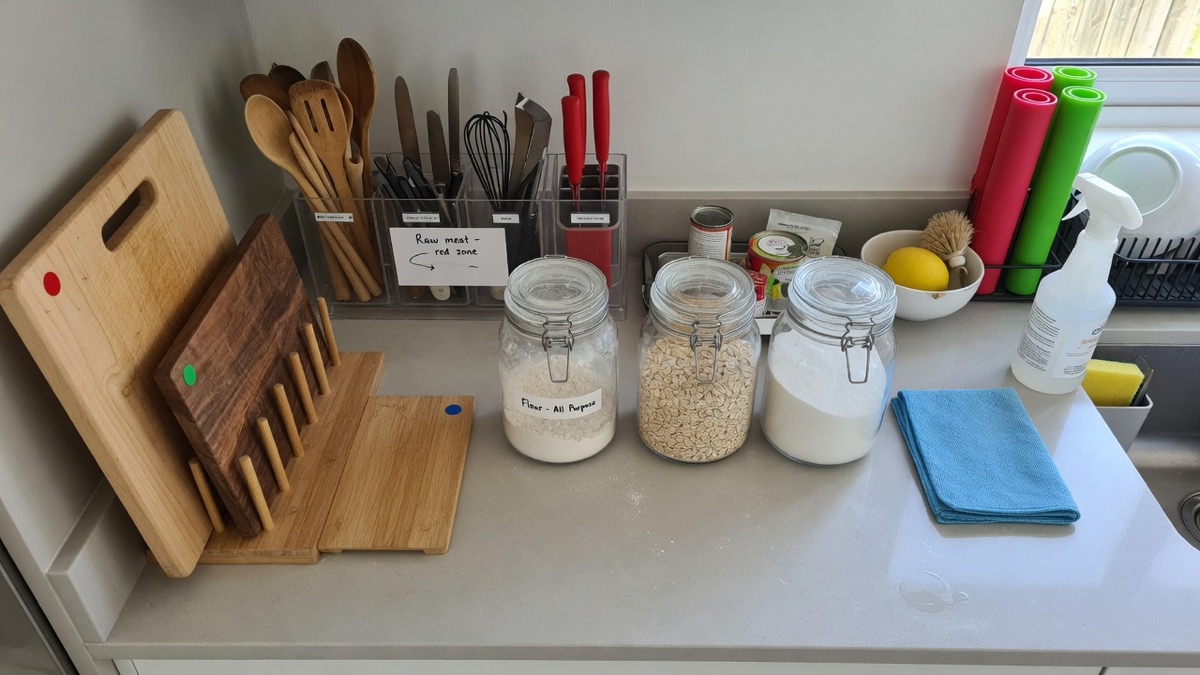
Alright, my GF champions! Let’s talk kitchen real estate. Because when it comes to keeping our food safe and scrumptious, a little spatial strategy goes a long way. Gluten is sneaky. It loves to hitchhike. A crumb here, a dusty flour cloud there, and boom, contamination can happen. But don’t you fret, because your kitchen can absolutely be a fortress of delicious safety. It’s all about understanding how your kitchen’s flow, or even a few clever tweaks, can dramatically reduce risks. Think of this as your personal blueprint for a happy, healthy GF kitchen. We are setting the stage for culinary triumph, my friend, and it starts with smart design. For a broader look at keeping things safe, definitely check out our guide on Preventing Gluten Cross-Contamination.
Your Kitchen: A Well-Choreographed Culinary Dance Floor
Designing your kitchen, or even just tweaking it, with a cross-contamination mindset isn’t about creating a sterile, joyless space. Nope! It’s about giving you confidence. It’s about knowing that every bite is safe, delicious, and truly yours. Imagine your kitchen as a bustling restaurant, but instead of chaos, there’s a seamless ballet of ingredients, each knowing its place. We need to apply that same thoughtful separation to our gluten-free life.
The goal? Establish clear boundaries. Create dedicated zones. Think about the journey of your food, from pantry to plate. Where could gluten sneak in? How can we block it? It’s often simpler than you think. And trust me, once you get this sorted, your peace of mind will taste even better than your freshly baked GF cookies.
Zone by Zone: Tackling Gluten’s Favorite Hiding Spots
Let’s take a tour, shall we? We’ll go through each area of your kitchen and pinpoint the spots where gluten might try to crash your GF party, along with our brilliant strategies to keep it out.
The Prep Zone: Counters, Cutting Boards, and Utensils
This is where the magic begins, but also where tiny gluten particles can do the most damage. Flour dust, crumbs from a regular sandwich, a quick chop on a shared board. These are common culprits. But we have solutions!
- Dedicated Cutting Boards: This is non-negotiable. Seriously. Imagine cutting a wheat baguette on a board, then slicing your GF bread on the same surface. Danger! Get yourself a distinctively colored cutting board, or one clearly labeled “GF Only.” Keep it separate from the rest. Store it high up, or in its own designated slot.
- Separate Utensils: Spoons, spatulas, mixing bowls, even colanders. If they’ve touched gluten, they need a serious scrubbing. Better yet, have a dedicated set of GF utensils. Maybe wooden spoons with a little ribbon tied around them, or specific colored handles.
- Countertop Management: Before you start cooking GF, wipe down your entire prep area. A good, hot, soapy wipe-down is your first line of defense. If you share a kitchen, consider using a large silicone mat or a dedicated GF cutting board as your personal prep surface. It creates a barrier.
In smaller kitchens, this might mean cleaning as you go. You use the counter for gluten-containing items, wipe it down thoroughly, then bring out your GF ingredients. It is a bit more work, but it ensures safety.
The Cooking Zone: Stovetop, Oven, Microwave, and More
Heat doesn’t kill gluten, my friend. It simply cooks it. So, how do we keep our appliances safe?
- Stovetop Savvy: If you’re using shared pots or pans, a good wash is essential. But ideally, use your own dedicated GF pots and pans. Be mindful of splashes. If someone is boiling regular pasta, those starchy water droplets are gluten. Keep your GF pot on a separate burner, far away.
- Oven Genius: Ovens can become crumb havens. A quick blast of heat might not be enough to clear gluten debris. Always, and I mean always, use parchment paper or aluminum foil under your GF dishes. Create a protective barrier. If you’re baking a GF item alongside a gluten-containing one, place the GF item on the top rack to avoid crumbs falling onto it from above.
- Microwave Magic: Simple. Always cover your GF food in the microwave. This stops errant gluten splatters from other people’s food from landing on yours.
- Toaster & Air Fryer Tactics: These are notorious gluten traps. Bread crumbs get everywhere. An air fryer circulates air, along with any lingering flour dust. If you can, get a dedicated GF toaster or toaster oven. Or, use toaster bags for your GF bread. For air fryers, consider a dedicated appliance if possible, or line it meticulously with parchment paper every single time. It’s a critical step. If you’re curious about specific strategies, we have a whole post on Toaster & Air Fryer Safety: Keeping Shared Appliances Gluten-Free that breaks it all down.
The Storage Zone: Pantry, Fridge, Freezer
Your pantry and fridge aren’t just for keeping food fresh. They’re also prime real estate for cross-contamination if not organized. Gluten crumbs can drop. Flour can spill. Liquids can leak.
- Pantry Power: Top shelves are your friends for GF items. Gluten crumbs always fall down. So, keep your GF flours, pastas, and snacks on the highest shelves possible. Store all GF dry goods in airtight, clearly labeled containers. This keeps them safe from spills and airborne flour. It also makes it clear to everyone in the house, “Hey, this is special!”
- Fridge Fort Knox: Designate a shelf or two in the fridge just for GF items. Again, higher is better. Always keep your GF foods covered. Imagine a crumb from a regular bread loaf falling onto your GF sandwich. Yikes!
- Freezer Freedom: Label everything clearly. Use dedicated containers or freezer bags for GF items. This prevents any mix-ups when things are frozen solid and look a bit mysterious.
Basically, a top-down approach helps. Gluten-containing items on the bottom, GF on the top. This simple rule can save you a lot of worry.
The Dishwashing & Cleaning Zone
Even after cooking, the risk isn’t over. How you wash dishes and clean your kitchen matters a whole lot.
- Wash GF First: When handwashing, always wash your gluten-free dishes, utensils, and cutting boards first. Get them clean and put away before tackling any gluten-containing items. This prevents gluten particles from transferring from the wash water to your safe dishes.
- Dedicated Cleaning Tools: Seriously consider having a separate sponge, dishcloth, or brush just for GF dishes. Color-code it! A blue sponge for GF, a yellow one for everything else. This is a small investment that offers huge peace of mind.
- Dishwasher Dynamics: Most dishwashers are generally safe because the high heat and detergent wash away gluten. However, make sure dishes aren’t touching. A good rinse before loading can help.
- Wipe Down Routinely: After every cooking session, wipe down all surfaces that might have come into contact with gluten. Use a clean cloth or paper towels. This routine cleaning is your best friend.
Beyond the Layout: Everyday Habits That Count
While a smart layout sets the stage, your daily habits are the supporting cast. They are essential to keeping your kitchen safe.
- Wash Your Hands! This sounds obvious, but it’s the number one rule. Before touching any GF ingredient, wash your hands thoroughly. After handling gluten? Wash them again. It’s a simple, yet powerful, action.
- Label Everything: If you’re in a shared household, clear labeling of GF items (especially open packages or leftovers) is a lifesaver. A quick “GF” sticker or marker can prevent accidental gluten exposure.
- Communicate with Housemates: Talk to the people you share your kitchen with. Explain the importance of these protocols. Education helps everyone understand why these steps are so crucial for your health. You might even consider creating Dedicated Gluten-Free Zones: Creating Safe Spaces in a Shared Kitchen to make things even clearer.
- The “Gluten-Free First” Rule: When preparing a meal with both GF and non-GF components, always prepare your GF dishes first. Get them cooked and safely stored before you even touch anything with gluten. This minimizes the risk of transferring gluten during the cooking process.
Following these daily practices will make your GF kitchen a sanctuary. It becomes second nature very quickly, I promise.
Making It Work for You
You don’t need to knock down walls or buy all new appliances (unless you want to!). Even small, thoughtful changes can make a massive difference. Start with one area. Maybe dedicate a shelf. Buy a new cutting board. Every little step contributes to a safer, happier cooking experience. Your kitchen should be a source of joy, not anxiety.
Understanding these principles about kitchen layouts and how they impact cross-contamination is truly empowering. It gives you the knowledge to take control. You are basically building a personalized gluten-free zone, one clever choice at a time. It’s about being proactive and smart, not stressed. Remember, you’re building a culinary haven, full of delicious possibilities, where every bite is a safe one.
For more detailed information on food safety and preventing contamination, check out resources like the University of Maine Cooperative Extension and the CDC Food Safety Tips. These organizations provide excellent general guidance that complements our GF-specific strategies.
So go forth, confident and joyful, into your beautifully organized GF kitchen! We’ve got this. Keep cooking those amazing gluten-free meals, because a safe kitchen means a happy tummy. For even more ways to protect your food, revisit our full guide on Preventing Gluten Cross-Contamination.