Sustainable Sourcing for Gluten-Free Ingredients: Eco-Friendly Practices (2026)

Hey there, GF squad! Let’s talk about something incredibly tasty and super important today: where our amazing gluten-free ingredients come from. We’re not just talking about what’s on your plate, but the whole journey, from the farm to your famous chocolate chip cookies. It’s about more than just avoiding gluten; it’s about nurturing our planet and supporting the people who bring us all those delicious, safe foods.
You know, living gluten-free is a delicious adventure. We’ve cracked the code on fantastic breads, perfected fluffy pancakes, and found joy in every GF pasta shape imaginable. But have you ever paused to think about the roots of your favorite tapioca starch or sorghum flour? The truth is, our food choices, even the gluten-free ones, have a ripple effect. And it’s a beautiful thing when those ripples are positive ones, both for us and for Mother Earth. So let’s chat about sustainable sourcing for gluten-free ingredients, making sure our delicious lifestyle is also an eco-friendly one.
Why Our GF Choices Matter for the Planet
Our gluten-free world, while a sanctuary for many, relies heavily on specific ingredients. Think about it: rice, corn, tapioca, almond, oat, and buckwheat are our staples. The demand for these has grown, and that’s fantastic news for anyone avoiding gluten. But it also means we need to think about how these crops are grown, harvested, and brought to our kitchens.
Imagine your kitchen as a vibrant garden. You want the soil to be rich, the water pure, and the sun shining brightly, right? The same goes for the huge, global garden that provides our GF ingredients. Practices like conventional farming can sometimes deplete soil nutrients, use excessive water, or rely on synthetic pesticides. These aren’t great for the long haul. A sustainable approach, however, looks at the bigger picture. It’s about ensuring that our grandchildren, and their grandchildren, can enjoy the same delicious, safe foods we do today. It’s about giving back more than we take.
For us GF folks, the stakes feel a little different too. Our ingredient list often includes more “specialty” items. These aren’t just commodity crops for everyone. Their unique requirements, from growing conditions to cross-contamination protocols, mean we have a unique opportunity to champion responsible sourcing. We can truly make a difference by choosing brands that prioritize planet-friendly methods. This isn’t just a trend; it’s smart living. And let’s be honest, knowing your food is both safe and earth-kind? That makes every bite taste even better.
Green Thumbs Up: Eco-Friendly Practices in GF Sourcing
So, what exactly does “sustainable sourcing” look like for our beloved GF ingredients? It’s a blend of different practices, all working together to protect our shared home. Think of it like building the perfect GF cake: you need all the right ingredients in harmony. Here are some key practices we should cheer for:
Local Love: Reducing Food Miles
This one’s simple: buying local. When your GF flours or fresh produce come from nearby farms, they travel less. Less travel means less fuel burned, which means fewer emissions. Plus, you’re often getting fresher ingredients, which is always a win for flavor! It’s like picking berries from your own backyard versus having them flown in from across the globe. The difference in taste and carbon footprint is real. Seek out GF bakeries and producers who highlight local grain sourcing. This is a big deal for innovations in gluten-free bread texture, as fresh, local grains often mill into superior flours.
Organic & Beyond: Soil Health Superheroes
Organic farming is a big piece of the puzzle. It means saying “no thanks” to synthetic pesticides and fertilizers. Instead, farmers use natural methods to keep their soil healthy and their crops thriving. Happy soil teems with beneficial microorganisms, like a bustling metropolis beneath our feet. This biodiversity is crucial. Beyond organic, we’re seeing a rise in “regenerative agriculture,” which actively works to improve soil health, drawing carbon from the atmosphere back into the ground. It’s farming that literally heals the planet. Imagine your quinoa coming from fields that are actually fighting climate change. Pretty cool, right?
Water Wise: Sip, Don’t Guzzle
Some of our favorite GF grains, like rice, can be thirsty crops. Sustainable farmers are finding ingenious ways to reduce water usage. This might involve planting drought-resistant varieties or using smarter irrigation techniques. Think drip irrigation versus widespread flooding. These methods ensure that precious water resources are conserved, especially in regions prone to scarcity. Every drop counts, and smart water management helps us all stay hydrated, including our planet.
Fair Play: Supporting Communities
Sustainability isn’t just about the environment; it’s about people too. Fair Trade practices ensure that farmers and workers, especially in developing countries, receive fair wages and work in safe conditions. When you buy Fair Trade certified GF ingredients, you’re not just getting a great product; you’re supporting entire communities. It’s about recognizing that every hand involved in bringing food to your table deserves dignity and respect. It’s a true feel-good choice.
Waste Not, Want Not: Closing the Loop
Reducing waste is a critical part of the sustainable GF equation. This means looking at the entire lifecycle of an ingredient. Can we use byproducts? For instance, what happens to the almond hulls after the nuts are processed for almond flour? Innovative companies are finding ways to turn these into animal feed or other valuable resources. Plus, cutting down on packaging waste, especially single-use plastics, is a huge win. This mindful approach helps reduce the burden on landfills and makes our GF journey even cleaner. Thinking about the impact of processing methods on gluten-free nutritional value often involves looking at how waste is managed, too.
Your Role: Becoming a GF Ingredient Detective
Alright, so you’re ready to be a sustainable GF superstar. How do you find these eco-friendly ingredients? It’s easier than you think. You just need to know what clues to look for:
-
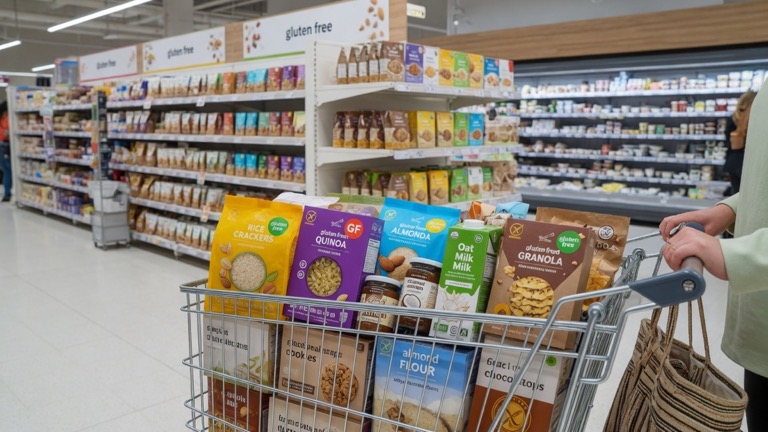
Certifications: Labels like “USDA Organic,” “Fair Trade Certified,” or specific “Rainforest Alliance” symbols are your friends. They’re like little badges of honor, indicating that a product meets certain environmental and social standards. Always check for these. They simplify your shopping experience.
-
Brand Transparency: Good companies are proud of their sourcing. They’ll often share their sustainability initiatives on their websites. Take a few minutes to explore the “About Us” or “Sustainability” sections of your favorite GF brands. If they’re vague, that’s a red flag. If they’re clear and specific, that’s a green light!
-
Local Markets: Hit up your local farmers’ markets. Talk to the farmers. Ask them about their practices. Many small farms are naturally sustainable, even if they don’t have official certifications. Plus, you get to support your community directly. It’s a lovely way to spend a Saturday morning.
-
Ingredient Lists: Sometimes, the ingredients themselves can hint at sustainability. For example, some ancient grains like teff or sorghum are often grown using traditional, low-impact methods. Plus, these ingredients add incredible flavor and nutrition to our GF meals.
The Future is Bright (and Delicious!) for GF Sourcing in 2026
As we stand in 2026, the landscape of gluten-free living just keeps getting better. We’re seeing incredible advancements in ingredient innovation, like new GF strains of traditional crops, or novel grains being introduced to our plates. Scientists and farmers are working together to develop more resilient, nutrient-dense ingredients that also require fewer resources. Vertical farming and hydroponics are even being explored for some GF crops, bringing fresh produce closer to urban centers and using drastically less water. The future for gluten-free pasta innovation, for example, is deeply tied to these sourcing advancements.
Expect to see even more transparency from brands, better traceability for ingredients, and a wider array of sustainably sourced options in your grocery aisles. This isn’t just about feeling good; it’s about tasting good, too. Ingredients grown with care, in healthy soil, often have richer, more authentic flavors. It’s a total win-win scenario, where every choice you make supports a healthier you and a healthier planet.
Let’s Make a Difference, One Delicious Bite at a Time
Choosing a gluten-free lifestyle often means being more intentional about our food. So why not extend that intention to how our food is grown and sourced? Every purchase you make is a vote for the kind of world you want to live in. By choosing sustainably sourced GF ingredients, you’re voting for healthy soil, clean water, fair labor, and a thriving planet.
It’s a journey, not a destination. No one expects perfection overnight. But making small, conscious choices adds up to a huge collective impact. Let’s keep exploring, keep learning, and keep eating incredibly delicious, gluten-free food that’s kind to us and kind to our amazing planet. Together, we can make the gluten-free future not just healthy, but truly sustainable. To learn more about how the GF world is evolving, check out our insights on Research & Innovations in Gluten-Free. There’s so much exciting progress happening!