The Role of GF Certification: Does It Guarantee No Cross-Contamination? (2026)

Ever stood in a grocery aisle, squinting at a label, trying to decipher if that granola bar is truly safe for your gluten-free belly? You spot it, that beautiful little symbol, the GF certification seal. A sigh of relief, right? It feels like a superhero cape for your snack, promising protection from gluten villains. But here’s the million-dollar question we all ponder: Does that GF certification truly guarantee *no* cross-contamination? It’s a big deal, especially for us GF folks. We need to know what we’re putting into our bodies.
Let’s peel back the layers on this certification business. Think of it like baking a perfect gluten-free cake. You start with excellent ingredients, you follow the recipe to a T, and you keep that pesky flour far away from your work surface. Certification is kind of similar, but on a much grander, industrial scale. It’s a system designed to give us, the gluten-free community, a huge leg up in navigating the sometimes-tricky world of packaged foods. It’s a beacon of trust, but like any good guide, it’s important to understand its map.
The Golden Standard: What GF Certification Really Means
When you see a product proudly displaying a gluten-free certification seal (like those from GFCO, CSA, or NSF), it means a third-party organization has swooped in, done their homework, and given their stamp of approval. This isn’t just a company saying “trust us.” It’s an independent expert saying, “We’ve checked their work, and they pass.” That’s a huge difference, particularly for anyone with Celiac disease or severe gluten sensitivities, where even a tiny crumb can cause serious trouble.
The core of most GF certification programs revolves around a specific threshold: less than 20 parts per million (ppm) of gluten. Now, “20 ppm” sounds super technical, right? Let’s break it down. Imagine a giant Olympic-sized swimming pool. Twenty parts per million is like 20 tiny drops of water in that entire pool. It’s an incredibly, incredibly small amount. The scientific consensus, backed by bodies like the World Health Organization, is that this level is generally safe for people with Celiac disease. It’s the lowest amount that can be reliably detected with current testing methods. It’s not *zero*, because absolute zero is almost impossible to guarantee in any food production environment. But it’s mighty close.
So, Does Certification Equal Zero Cross-Contamination? Not Quite “Zero,” But Pretty Darn Close!
Here’s the honest, friendly truth: GF certification doesn’t guarantee a complete, absolute, 100% zero-gluten environment. Why? Because food production is a complex dance of ingredients, machinery, and people. Even the most dedicated manufacturers work in a world where gluten-containing grains exist. Think of it this way: you can deep clean your kitchen for Celiac safety, and feel incredibly confident, but if your neighbor bakes a wheat bread next door, some minuscule flour particle *could* theoretically drift in. It’s a very, very low probability, but not impossible.
What certification *does* guarantee is that the manufacturer has gone through extensive, scientifically backed measures to minimize cross-contamination to an extremely low, safe level. These measures often include:
- Ingredient Vetting: Every single ingredient, from the main flour blend down to the spices, is checked for gluten. Suppliers must provide documentation of their gluten-free status.
- Dedicated Lines or Strict Cleaning Protocols: Some facilities use entirely separate production lines or even dedicated gluten-free factories. Others use shared equipment but implement rigorous, validated cleaning procedures between gluten-containing and GF product runs. It’s like scrubbing down your kitchen after making regular pancakes, then making GF ones. But on a factory scale, it’s meticulous and tested.
- Environmental Testing: They don’t just test the final product. Swabs are taken from surfaces, air samples might be tested, and equipment is checked to ensure no hidden gluten lurks.
- Staff Training: Every team member involved understands the serious nature of gluten contamination and follows strict protocols. They know a rogue crumb can be a big deal.
- Regular Audits: The certification body doesn’t just check once. They come back for unannounced inspections and regular audits to ensure compliance is ongoing. It’s not a one-and-done deal.
- Final Product Testing: Batches of the finished product are routinely tested to ensure they consistently meet that “less than 20 ppm” standard.
This whole process acts like a series of nets, catching any potential gluten sneak-ins at various points. It’s a comprehensive approach, not just a simple sniff test. This system builds tremendous confidence. So, while “zero” might be an unreachable unicorn in the vast world of food processing, certified GF products are the closest, safest bet we have for packaged goods. They are designed to give us peace of mind, allowing us to truly enjoy our food without constant worry.
The Nuance: When Certification Isn’t the Only Answer
While GF certification is a fantastic tool, it’s essential to remember it primarily applies to packaged foods. You won’t find a certification seal on fresh produce, raw meat, or single-ingredient items like plain rice. Those foods are naturally gluten-free. Still, you do need to be mindful of how they’re handled. For instance, if your butcher uses the same slicer for gluten-containing deli meats and then your GF turkey, that’s a cross-contamination risk. This is where our general knowledge about Preventing Gluten Cross-Contamination at home and when eating out becomes super important.
And let’s be real, a certified GF label doesn’t usually apply to your favorite restaurant. Restaurants operate differently. Their gluten-free claims rely on their specific kitchen protocols, staff training, and ingredient sourcing. That’s a whole other ballgame where trust is built on communication and observation. For example, if you’re a parent of a GF child, understanding how school cafeterias or playdate hosts handle food is critical, and those scenarios definitely don’t come with a certification seal. Learn more about School Lunch & Playdate Safety: Protecting Gluten-Free Kids from Cross-Contamination if that’s on your mind.
Certification Organizations You Might See
There are several reputable organizations that offer gluten-free certification. While their exact methodologies might differ slightly, they all aim for that
- Gluten-Free Certification Organization (GFCO): Part of the Gluten Intolerance Group (GIG), GFCO is one of the most widely recognized seals in North America. Their mark, a circular logo with “GF” inside, is often found on a huge variety of products.
- Celiac Support Association (CSA): Another well-respected certification body, CSA uses a “recognized GF facility” endorsement, signifying products made in environments designed to minimize gluten.
- NSF International: Known for their public health and safety standards, NSF offers gluten-free certification, ensuring products meet strict requirements for ingredient sourcing and manufacturing controls.
Seeing any of these seals should give you a substantial boost of confidence. They represent a significant investment by manufacturers to ensure safety for our community.
Your Role: Beyond the Label
So, we know GF certification is our buddy, a fantastic first line of defense. But what else can we do? Our journey doesn’t end with a certified label. It’s like owning a fancy car with all the safety features; you still need to drive it carefully! Here are a few friendly reminders for staying safe and joyful:
- Read the WHOLE Label: Even if something is certified, it’s good practice to glance at the ingredient list, especially if you have other allergies or sensitivities. New formulations happen.
- Call the Manufacturer: Don’t ever hesitate to call a company directly if you have questions, especially about their cross-contamination procedures or shared lines. Many brands list a phone number on their packaging.
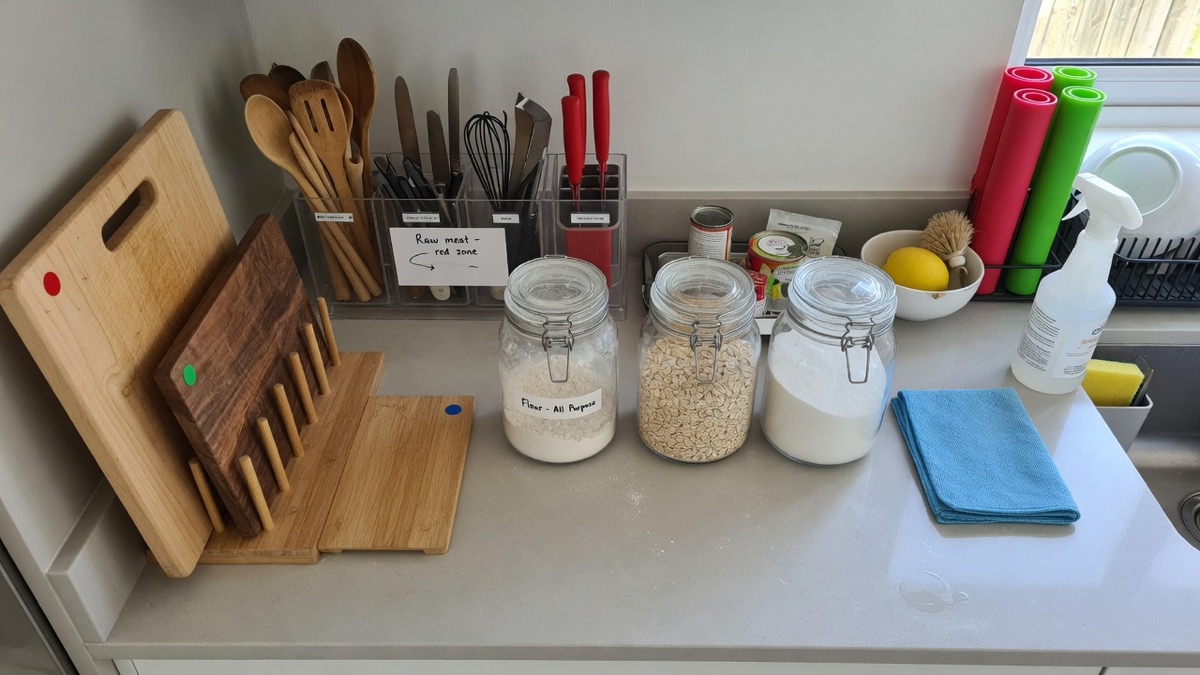
- Be a Kitchen Detective: At home, especially in a shared kitchen, vigilance is key. Things like using a Shared Dishwasher Dilemma: Is a Shared Dishwasher Safe for Gluten-Free Dishes? or needing a proper Cleaning for Celiacs: Deep Cleaning Your Kitchen to Remove Gluten Residue after a gluten mishap are real concerns.
- Trust Your Gut (Literally): If a product or a situation just doesn’t feel right, even with a certification, it’s okay to step back. Your health is the priority.
The Sweet & Savory Conclusion
Gluten-free certification is a monumental win for our community. It simplifies our grocery trips, expands our safe food options, and allows us to embrace a wider world of deliciousness. It’s not a magic bullet that creates an absolutely sterile, 100% zero-gluten universe, because that’s just not how food manufacturing works. But it’s the strongest, most reliable assurance we have that a product contains less than 20 ppm of gluten, a level widely accepted as safe. It builds confidence and lets us focus on the joy of eating, rather than the anxiety of contamination. So, next time you see that certified GF seal, give a little nod of appreciation. It’s a powerful tool, a big step towards a more delicious, worry-free gluten-free life.
For more insights on making your home and life truly gluten-safe, dive into our main guide on Preventing Gluten Cross-Contamination. It’s packed with practical tips to keep you feeling fantastic!
Sources:
World Health Organization (WHO) – Celiac Disease Fact Sheet
Gluten Intolerance Group (GIG) – GFCO Certification Standards