Xanthan Gum vs. Guar Gum: Choosing the Right Binder for GF Baking (2026)

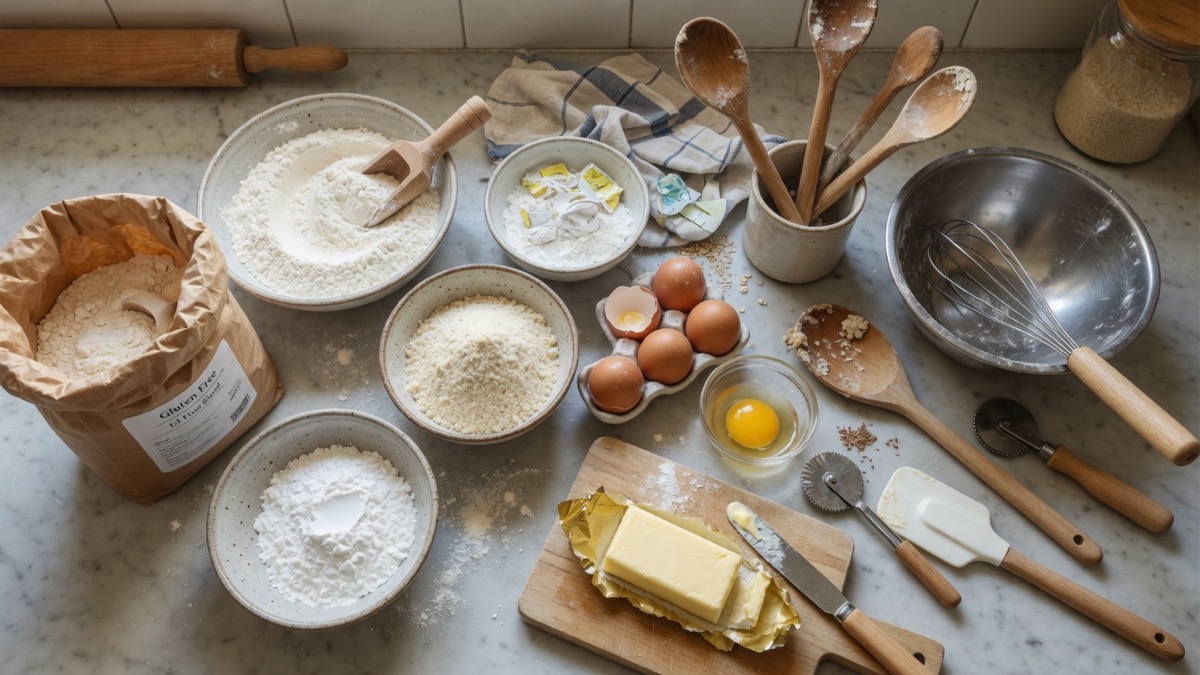
Ever baked a glorious gluten-free loaf, only to have it crumble at the first slice? Or perhaps your cookies spread like wildfire across the baking sheet, losing all their intended chew? Hey there, my fellow GF adventurers! It’s a common tale in the kitchen when you take gluten out of the equation. Gluten, that stretchy, magical protein, is like the sticky, elastic scaffolding that holds traditional baked goods together. Without it, our beloved cakes, breads, and muffins can feel a little… lost.
But fear not, because we’re not just surviving; we’re thriving in the world of gluten-free deliciousness! And today, we’re diving into the secret handshake of successful GF baking: the binders. Specifically, we’re putting two of our best friends under the spotlight: xanthan gum and guar gum. These aren’t just fancy-sounding ingredients; they’re the invisible architects that give your GF treats structure, elasticity, and that satisfying mouthfeel we all crave. Understanding these two is truly a key part of mastering Gluten-Free Baking Essentials. Let’s get sticky!
Meet the Stars: Xanthan Gum and Guar Gum
Think of baking binders like the special glue in your recipe. They step in to do gluten’s job, creating a network that traps air, prevents crumbliness, and ensures your baked goods don’t just fall apart. Without them, even the finest gluten-free flour blends would struggle to create something truly magnificent. It’s like building a house without mortar; things just won’t stand up!
Xanthan Gum: The Fermented Friend
First up, xanthan gum. This one’s a superstar, often found in a little bag right next to the GF flours. But what exactly is it? Xanthan gum is a polysaccharide, which basically means a complex carbohydrate. It’s produced by fermenting a simple sugar with a microorganism called Xanthomonas campestris. Think of it like a natural fermentation process, similar to making kombucha or sourdough. The result is a fine, white powder that, when mixed with liquid, creates a viscous, almost gel-like substance.
What Xanthan Gum Brings to the Party:
- Elasticity: This is xanthan’s superpower. It mimics gluten’s stretchy quality, giving doughs and batters that springy texture you miss.
- Structure: It’s excellent at holding gas bubbles in yeast-risen breads, helping them rise tall and proud.
- Chewiness: For things like bagels, pizzas, or a good chewy cookie, xanthan gum delivers that satisfying bite.
- Shelf Stability: It helps baked goods stay fresh and moist longer, keeping them from drying out too quickly.
When to Reach for Xanthan Gum:
Xanthan gum is your go-to for recipes where you want a bit of “stretch” and a robust structure. Yeast breads, pizza dough, tortillas, and even hearty muffins benefit greatly from xanthan. If you’re adapting a traditional recipe to be GF, and it calls for kneading, xanthan gum is usually the binder you want to reach for. It thrives in an environment where the liquid is warm, helping it hydrate fully and work its magic.
A Little Goes a Long Way: Be warned, my friends, xanthan gum is potent! Too much and your baked goods can turn gummy or even slimy. We’re talking fractions of a teaspoon for most recipes. It’s like salt; just enough enhances everything, but too much ruins the dish.
Guar Gum: The Legume Lover
Now, let’s talk about guar gum. This binder comes from an entirely different background! Guar gum is derived from the endosperm of the guar bean (a legume, like chickpeas or lentils). The beans are dehusked, milled, and screened to create a fine, off-white powder. So, while xanthan is fermented, guar gum is purely plant-based, straight from the bean.
What Guar Gum Brings to the Party:
- Softness: It’s a champion at creating tender, soft textures in cakes, quick breads, and pastries.
- Moisture Retention: Guar gum is fantastic at keeping moisture locked in, which is critical for preventing dry GF baked goods.
- Thickening: It’s an excellent thickener for cold liquids, making it great for salad dressings, gravies, or even dairy-free ice creams.
- Fewer Digestive Sensitivities: Some folks find guar gum gentler on their digestive system compared to xanthan gum.
When to Reach for Guar Gum:
Guar gum is your secret weapon for items that need to be soft and fluffy rather than chewy. Think delicate cakes, moist brownies, fluffy pancakes, and soft cookies. It dissolves beautifully in cold or room-temperature liquids, making it versatile for many quick recipes. If your recipe uses a lot of delicate flours, like some rice flour varieties or tapioca starch, guar gum can be a wonderful partner, adding body without too much chew.
Consider the Flavor (or lack thereof): Guar gum is generally flavorless, which is a bonus for delicate recipes where you don’t want any off-notes. However, like xanthan, overuse can lead to a slightly slimy texture, so precision is key!
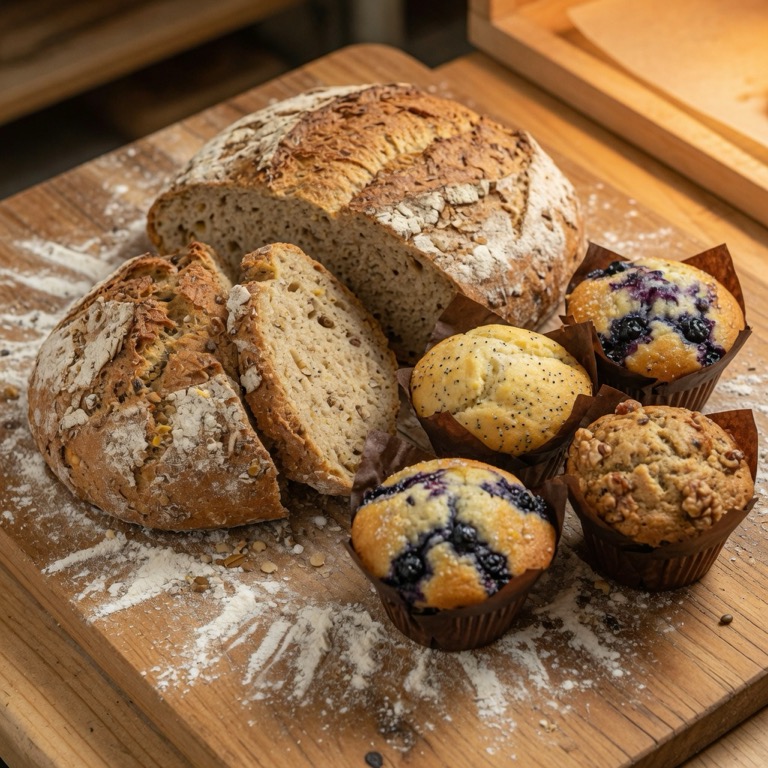
“Xanthan gum gives you the stretch for your pizza crust, while guar gum gives you the melt-in-your-mouth tenderness for your blueberry muffins.”
The Great Binder Showdown: Choosing Your Champion
So, how do you decide which one to use? It often comes down to the texture you’re aiming for and the ingredients you’re working with. While both are excellent binders, they have distinct personalities.
Xanthan Gum vs. Guar Gum: A Quick Guide
| Feature | Xanthan Gum | Guar Gum |
|---|---|---|
| Origin | Bacterial fermentation of sugar | Guar bean (legume) |
| Primary Benefit | Elasticity, chewiness, structure | Softness, moisture retention, thickening |
| Best For | Yeast breads, pizza, tortillas, bagels, chewy cookies | Cakes, quick breads, muffins, brownies, pancakes, soft cookies |
| Texture Contribution | Stretchy, resilient, chewy | Tender, soft, moist |
| Liquid Preference | Hydrates best in warm liquids | Dissolves well in cold or warm liquids |
| Digestibility | Some find it can cause digestive upset in larger quantities | Generally considered gentler for many individuals |
See? They’re like two different tools in a well-stocked toolbox. You wouldn’t use a hammer to drive a screw, right? Same principle here. For a crusty artisan loaf, xanthan is your hammer. For a light, fluffy cake, guar gum is your screwdriver.
Can You Mix Them? Absolutely!
Sometimes, the magic happens when these two work together! Many GF flour blends actually contain both xanthan and guar gum, carefully balanced to create a versatile base. This blend often gives you the best of both worlds: good structure with lovely tenderness. If your recipe doesn’t specify which gum, or if it’s a new blend of flours you’re trying (perhaps even experimenting with oat flour in GF baking), starting with a small amount of both can yield fantastic results.
A good starting ratio for many general-purpose recipes (if you’re adding them separately to a gum-free flour blend) is often 1/2 teaspoon of gum per cup of GF flour. For yeast breads, you might lean towards more xanthan, perhaps 1 teaspoon per cup. For cakes, 1/2 teaspoon of guar gum per cup is a great place to start. And remember, these are just starting points; experimentation is part of the fun!
Tips for Triumphant Gum Usage:
- Mix it In Dry: Always, always mix your gum thoroughly with your dry ingredients (flour, sugar, salt) BEFORE adding any liquids. This helps prevent clumping and ensures even distribution.
- Start Small: You can always add a tiny bit more if needed, but you can’t take it out. If a recipe doesn’t call for gum and you’re adding it, begin with the lowest recommended amount.
- Hydration is Key: Gums need moisture to activate. Make sure your dough or batter has enough liquid for the gum to do its job properly.
- Consider the Climate: High humidity can sometimes make baked goods a bit gummier, so you might slightly reduce the amount of gum in very humid environments.
- Source Quality Gums: Reputable brands will provide a consistent product, crucial for reliable baking results.
Safety and Sensitivities
Both xanthan and guar gum are generally recognized as safe (GRAS) by food regulatory bodies and have been used in food products for decades. They are plant-derived and act as soluble fibers in our digestive system. For most people, they are perfectly fine. However, some individuals, especially those with sensitive digestive systems, might experience mild discomfort (like bloating or gas) with larger quantities. If this happens to you, try reducing the amount or switching to the other gum to see if it makes a difference.
Interestingly, because they are soluble fibers, they can even offer some digestive benefits, contributing to gut health. It’s truly amazing how a little bit of science can help us enjoy food more!
Let’s briefly touch upon how these binders get their structure. Xanthan gum, for instance, forms a helix structure (like a tiny coiled spring) when hydrated, creating a strong, interconnected network. Guar gum, on the other hand, forms a more linear chain that links with water molecules, creating a smoother, thicker gel. Knowing this isn’t strictly necessary for baking, but it does show you the intricate molecular dance happening in your mixing bowl! For more detailed scientific insights, you can often find fascinating information on reputable sites like Wikipedia’s entry on Xanthan Gum or even university food science department pages, such as this helpful resource from Ohio State University on xanthan gum’s properties.
Embrace the Experiment!
The world of gluten-free baking is a delicious adventure, full of learning and discovery. Don’t be afraid to experiment with both xanthan and guar gum. Buy small bags of each and try them in different recipes. You’ll quickly develop a feel for which gum works best for your desired outcome. Whether you’re making a fluffy birthday cake, a chewy artisan bread, or tender cookies, understanding these powerful little powders will transform your baking. It’s about becoming the confident chef who knows exactly how to adapt any traditional recipe for GF success, not about feeling limited. So grab your aprons, choose your gum, and get ready to bake some seriously amazing gluten-free treats!