Preventing Gumminess in Gluten-Free Baked Goods: Expert Tips (2026)

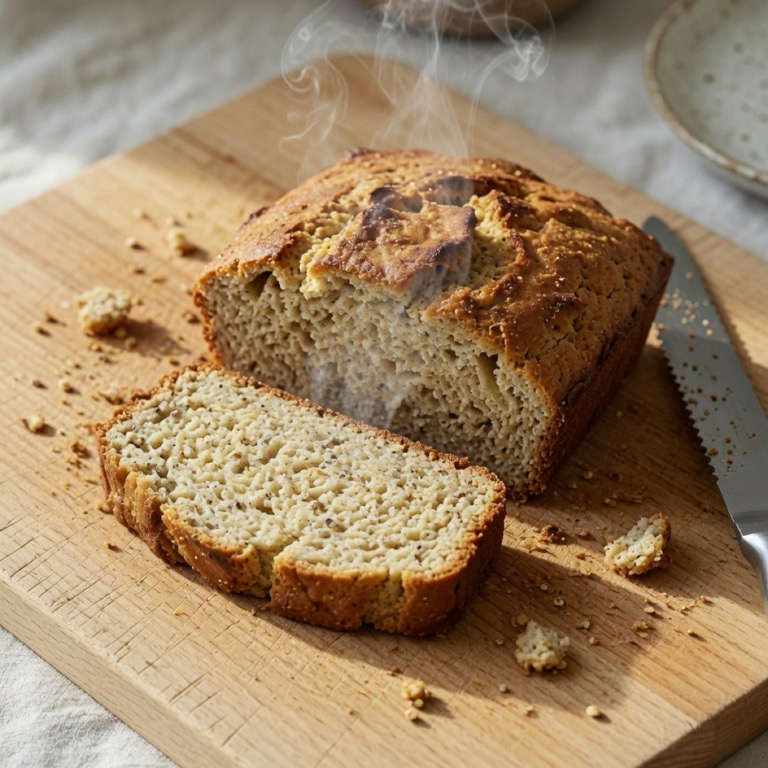
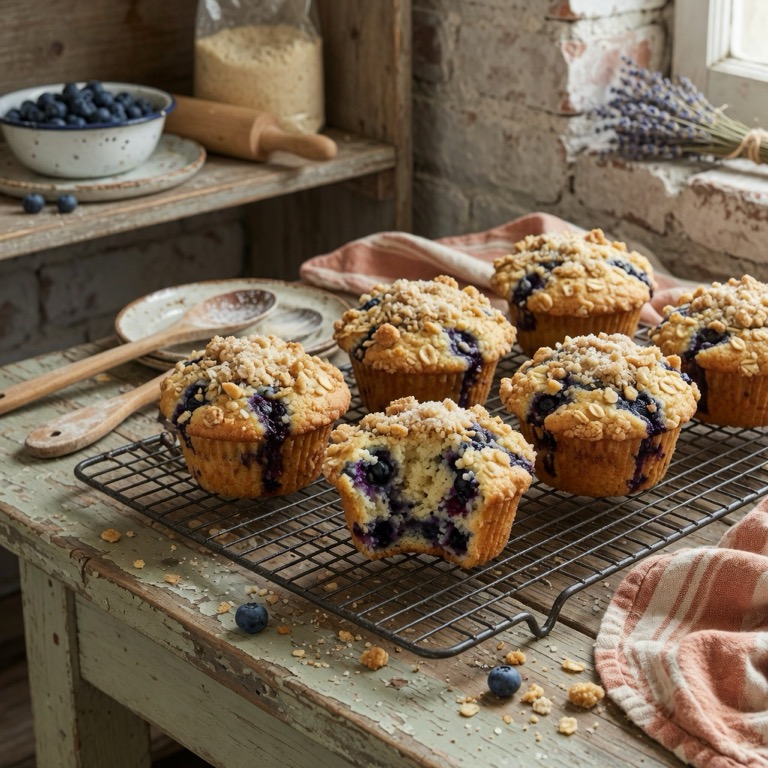
Ever bitten into what you thought would be a fluffy, delightful gluten-free muffin or a chewy cookie, only to be met with a strangely dense, almost gummy texture? Ugh. It’s like a clingy ghost haunting your baking dreams. That notorious gumminess is a common pitfall in the GF baking world. We’ve all been there, staring sadly at our creation, wondering where we went wrong. But fear not, my friend! You’re not alone, and more importantly, you’re about to become a gumminess-busting champion.
Think of me as your personal baking buddy, here to demystify the science and give you the confidence to bake with joy. Mastering gluten-free baking means understanding a few unique quirks. And one of the biggest quirks? How starches behave without their gluten partner. But trust me, once you get the hang of it, you’ll be whipping up treats that are tender, delicious, and utterly free of that unwelcome stickiness. So grab your apron, because we’re diving into the secrets of beautifully textured gluten-free baked goods. For a broader dive into all things gluten-free baking, be sure to check out our ultimate guide on Gluten-Free Baking Essentials.
What Exactly *Is* Gumminess in GF Baking?
Okay, let’s get a little food science-y for a sec, but I promise it’ll be simple. When we talk about gumminess, we’re talking about a texture that’s dense, sometimes wet, and often has a slightly rubbery or doughy feel, even after cooling. It’s not necessarily undercooked, but it definitely isn’t pleasant.
In traditional baking, gluten (the protein found in wheat, barley, and rye) forms an elastic network. This network traps gases, creating that light, airy structure we love. It also gives baked goods their chew and spring. In gluten-free baking, we don’t have that protein network. Instead, we rely heavily on various starches and gums to try and mimic some of those functions. The problem? Starches can sometimes absorb too much liquid, swell up, and then, instead of forming a lovely crumb, they become gelatinous and sticky.
Imagine trying to build a house without proper support beams. You can use lots of different materials, but if they’re not working together right, things get squishy. That’s a bit like what happens when your GF bake gets gummy.
Why Gluten-Free Is Prone to the Gummy Monster
Without gluten, our GF flours rely on a different set of ingredients to create structure, absorb liquid, and give that desirable mouthfeel. Many GF flours, especially the cheaper single-ingredient ones, are high in starch. Think tapioca starch, potato starch, or cornstarch. These are fantastic for thickening sauces, right? They make things gelatinous. And that’s exactly what we *don’t* want in our cakes and cookies.
When these starches get too much liquid, or aren’t balanced with protein-rich flours and other structural ingredients, they swell excessively during baking. Then, as they cool, they might not release that moisture effectively, leaving you with a dense, unappetizing goo. It’s a delicate dance, but one you can master!
Expert Tips to Banish Gumminess Forever
Ready to wave goodbye to sad, gummy baked goods? Here are my tried-and-true secrets.
1. Flour Power: Master Your Blends
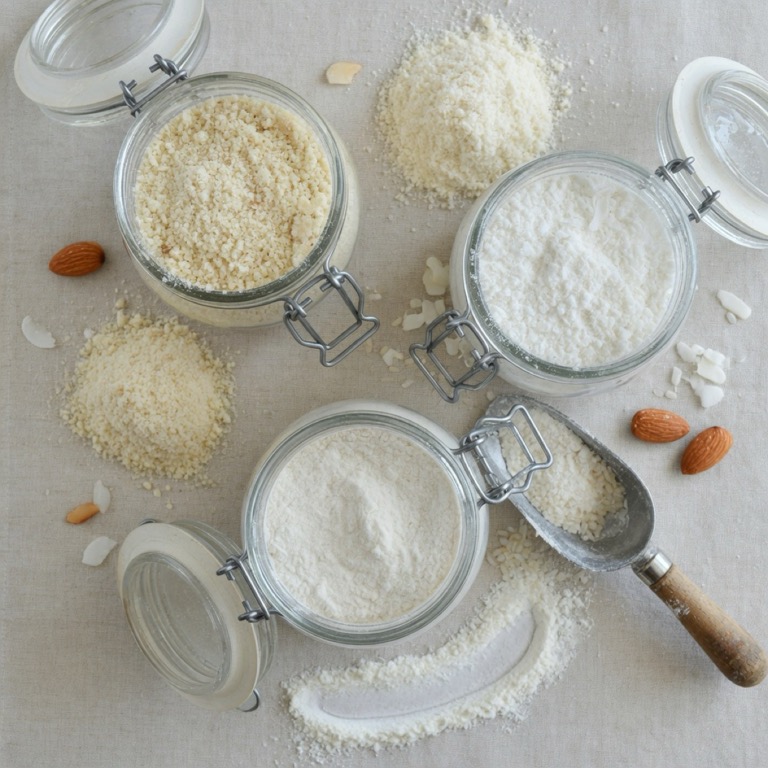
This is probably the biggest game-changer. Single gluten-free flours almost never work well on their own. You need a blend. A good GF flour blend usually combines lighter, starchy flours with heartier, protein-rich flours. This balance is key.
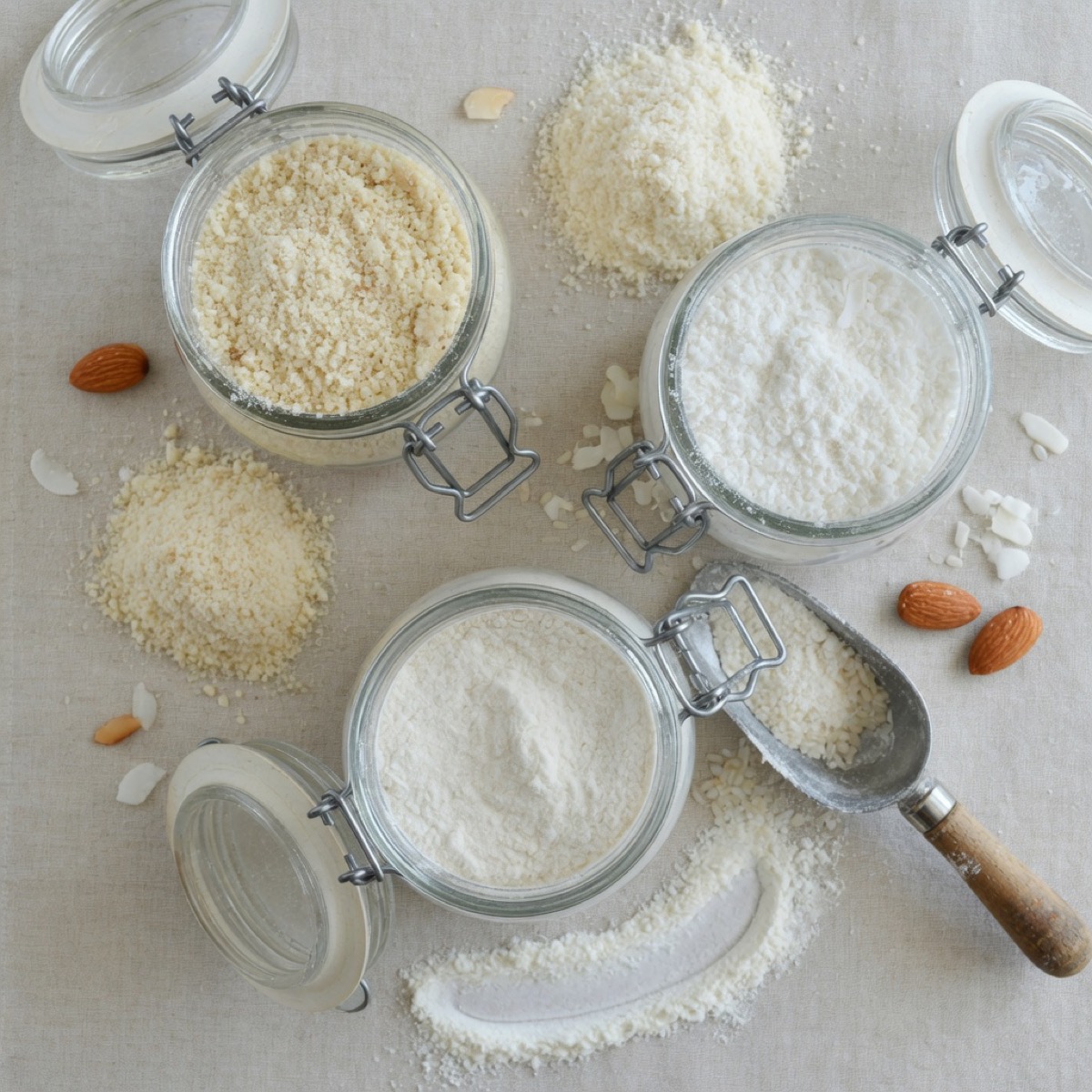
- Mix Your Starches and Proteins: Too much tapioca starch? Hello, gumminess! Too much brown rice flour? Say hello to grittiness. A balanced blend uses some of both. Think of it like a symphony of flavors and textures, where each flour plays a crucial role. For example, a blend might include brown rice flour (structure), tapioca starch (crispness/chew), and sorghum flour (tenderness, light flavor).
- Don’t Overdo the Starch: If your recipe calls for a lot of a single starchy flour, consider swapping out a quarter of it for a more protein-rich flour like almond flour or even a bit of finely ground oat flour (ensure certified GF). This adds structure without making things gluey. Understanding the nuances of different flours will completely transform your baking. Check out The Ultimate Guide to Gluten-Free Flour Blends for a deeper dive into crafting your perfect mix.
2. Precision is Your Best Friend: Measure by Weight
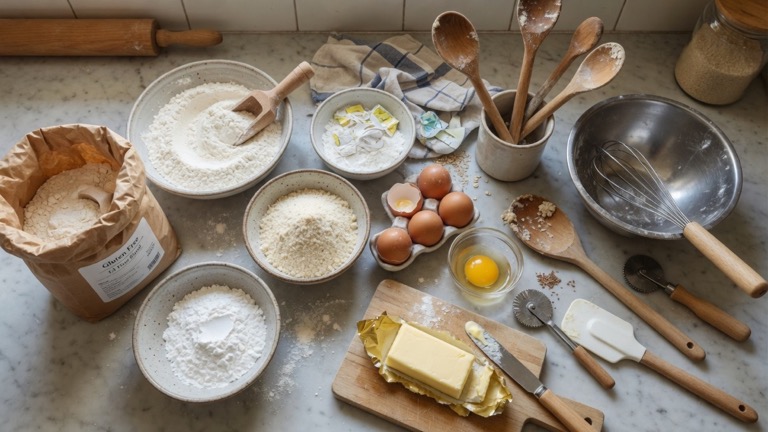
I cannot stress this enough. If you’re not already doing it, it’s time to invest in a kitchen scale. Gluten-free flours are notorious for varying wildly in weight per cup. One cup of tapioca starch weighs very differently than one cup of almond flour, and even different brands of the same flour can vary. Scooping flour into a measuring cup can compact it, leading to significantly more flour than intended. And more flour often means more starch, which means more potential for gumminess.
Measuring by weight ensures accuracy. It means you’re adding the exact amount the recipe developer intended, leading to consistent, beautiful results every single time. It takes out all the guesswork. This really is one of the most foundational shifts you can make for success. If you want a full breakdown on why this is so important, read our post on The Importance of Measuring by Weight in Gluten-Free Baking.
3. Hydration Station: Just Right Moisture
This is a delicate balance. Too much liquid and your starches go wild, turning into a gooey mess. Too little, and your bake will be dry and crumbly. Gluten-free flours absorb liquid differently than wheat flour, often requiring more initially, but then releasing it differently during baking.
- Xanthan Gum (or Guar Gum): These act as binders and help create structure. They also help prevent gumminess by controlling moisture. BUT, too much xanthan gum can itself *cause* gumminess or an unpleasant chewy texture. Start small, typically 1/4 to 1/2 teaspoon per cup of GF flour blend for most recipes. A little goes a long way.
- Adjust as Needed: Pay attention to your dough or batter. If it seems unusually thick or thin for what the recipe describes, make small adjustments. Sometimes an extra tablespoon of liquid or flour makes all the difference.
4. The Oven’s Whisper: Temperature and Time
Underbaking is a prime suspect for gumminess. If your baked goods don’t cook through, those starches never properly set, leaving them raw and gummy in the center. But overbaking can dry things out too much, making them crumbly.
- Trust, But Verify: Always use a thermometer to check your oven temperature. Many ovens run hot or cold.
- Bake Until Done: Look for visual cues: golden brown edges, a springy top, and a toothpick inserted into the center coming out clean (or with moist crumbs, depending on the bake).
- Lower and Slower (Sometimes): For thicker items like bread or dense cakes, sometimes a slightly lower temperature for a longer time can help them bake through evenly without drying the outside.
5. The Chill-Out Zone: Proper Cooling
Patience, my friend, is a virtue in GF baking. This step is SO often overlooked but it’s critically important. When hot baked goods come out of the oven, their starches are still quite active. They need time to cool completely and for their internal structure to stabilize.
Cooling allows the starches to retrogradate (basically, re-order themselves) and for the crumb to set. Cutting into a hot GF cake or bread is almost guaranteed to give you a gummy, steamy mess. Let it cool fully on a wire rack. Seriously. Resist the urge!
6. Acid Trip: A Touch of Acidity
Adding a little acid can work wonders. Ingredients like lemon juice, apple cider vinegar, buttermilk, or even plain yogurt can help break down starches, making your baked goods more tender and less prone to gumminess. It’s a subtle trick that can make a big difference.
Just a teaspoon or two often does the trick in a whole batch of muffins or a cake. Think of it like giving your dough a little digestive aid, helping those starches behave better. Research has shown the positive impact of acidic ingredients on starch behavior and overall texture in various baked products. For example, a study in the *Journal of Food Science* (Source 1: Wiley Online Library) highlights how organic acids influence starch gelatinization and retrogradation, directly impacting final texture.
7. The Protein Punch: Add Extra Protein
Since we’re missing the strong protein network of gluten, sometimes a little extra protein can help. Egg whites, extra whole eggs, or even a tablespoon or two of dairy protein (like milk powder) can add structure and richness. This helps prevent the starches from solely dominating the texture. If you’re using a lot of lighter flours, this can be a real secret weapon.
Consider adding an extra egg yolk for richness and tenderness, or an extra egg white for lift and structure, depending on what your recipe needs. This is especially true for recipes that rely heavily on things like rice flour, which can sometimes be a bit dense. The protein provides that much-needed scaffold.
8. Embrace the Bake: Don’t Overmix!
While overmixing is most commonly associated with developing tough gluten in traditional baking, it can still negatively impact GF bakes. Overmixing can over-develop the starches and gums, making them gluey or even tough. It can also incorporate too much air initially, which then collapses during baking, leading to dense, gummy results.
Mix your batter until just combined. A few lumps are perfectly fine, especially in muffins or quick breads. Gentleness is key here. You’re not trying to develop a network, you’re trying to gently combine ingredients for optimal starch hydration and distribution. Even in gluten-free applications, mixing intensity and duration have significant effects on dough rheology and crumb characteristics, as discussed in various food science texts (Source 2: Wikipedia – Rheology).
Your Journey to Gumminess-Free Glory
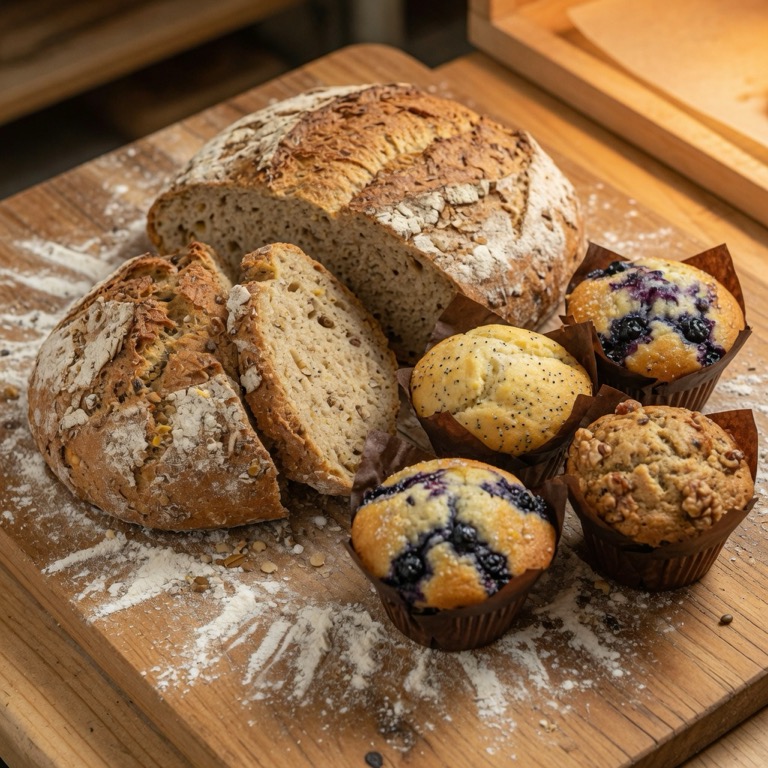
Look, gluten-free baking is a beautiful adventure. It requires a little more attention, a bit more understanding, but the rewards are oh-so-worth it. Imagine pulling out a perfect loaf of bread, a crumbly scone, or a tender cake, knowing you made it happen. It’s pure joy.
Don’t be afraid to experiment! Try these tips one by one, or combine a few. You’ll soon develop an intuitive feel for your batters and doughs. Every bake is a learning experience. So go forth, my friend, armed with this knowledge, and bake something truly magnificent. The gummy monster doesn’t stand a chance against you!