Common Gluten-Free Baking Mistakes and How to Fix Them (2026)

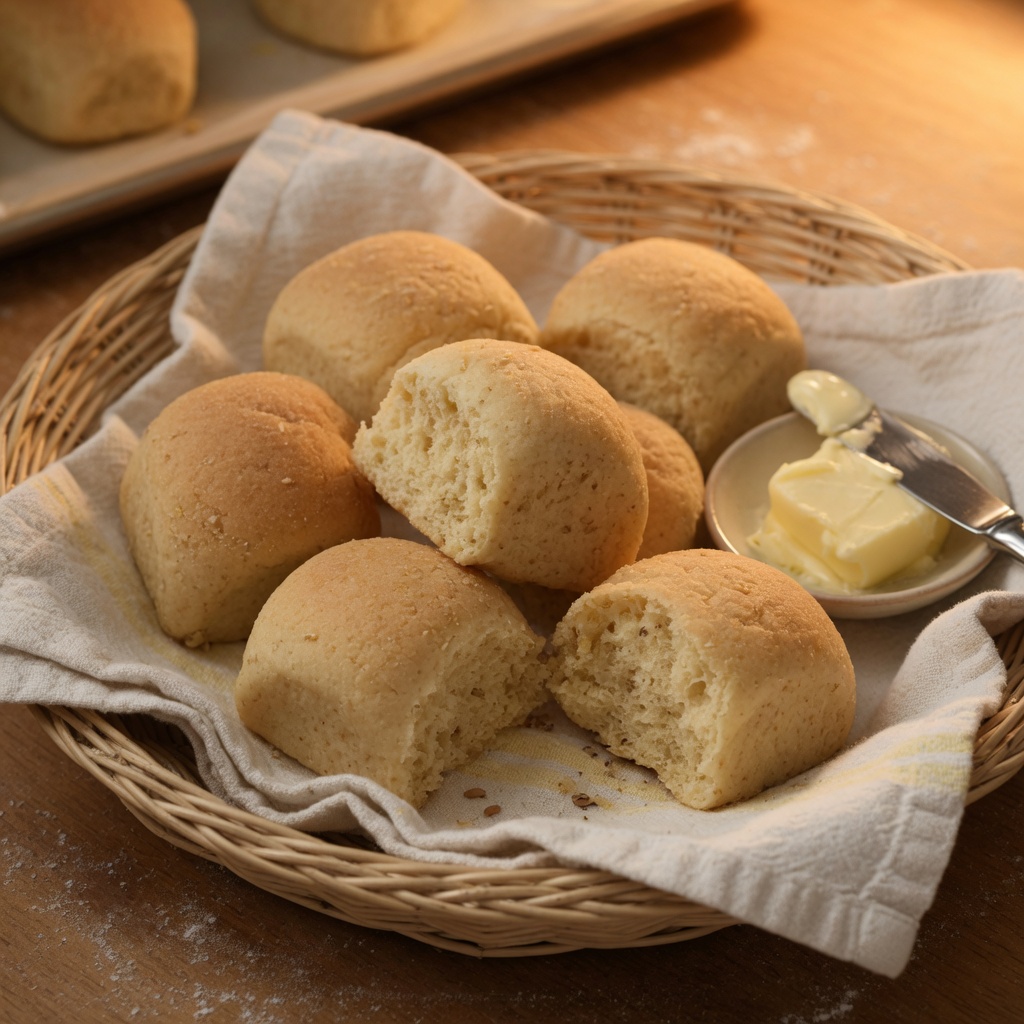
Hey there, fellow gluten-free baker! Ever pulled a tray of what you hoped would be perfect cookies or a glorious loaf of bread from the oven, only to find a crumbly mess or a dense, gummy brick? Yeah, we’ve all been there. It’s a bit of a heartbreaker, isn’t it? Baking GF isn’t just about swapping out one flour for another. It’s an art, a science, and sometimes, a little bit of playful experimentation.
But don’t you worry. That disappointing outcome isn’t a reflection of *your* baking skills. It’s usually just a sign that we need to tweak a few things, understand our ingredients a little better, and maybe give them a gentle nudge in the right direction. Think of me as your baking buddy, here to share some insider tips so you can turn those baking blunders into triumphs. We’re going to dive into some common GF baking hiccups and, more importantly, how to fix them so every creation is pure deliciousness. And if you’re looking for more foundational knowledge, make sure to check out our ultimate guide on Gluten-Free Baking Essentials.
Let’s get those ovens preheated and our spirits high!
Mistake #1: Using Volume Measurements Instead of Weight
This is probably the biggest culprit for GF baking woes, truly. Most traditional recipes assume you’re scooping wheat flour, which compresses pretty consistently. But GF flours? Oh, they’re like a bunch of individual personalities.
A cup of almond flour can weigh drastically different than a cup of tapioca starch, depending on how you scoop it. One person might fluff it in, another might pack it down. That difference, often just an ounce or two, can completely throw off the delicate balance of your recipe. Your dough might be too dry, too wet, or just plain weird.
The Fix: Invest in a Digital Scale
Seriously, this is your secret weapon. A digital kitchen scale is a total game-changer, and they’re not expensive. Weighing your ingredients (especially flours and starches) ensures precision every single time. It’s like having a perfect measuring assistant. Most GF recipes worth their salt will give you gram measurements. Follow them! Your baked goods will thank you with consistent texture and perfect crumb. Think of it as giving your ingredients a fair chance to shine.
Mistake #2: Relying on a Single Gluten-Free Flour
Remember how wheat flour does it all? Provides structure, chew, and tenderness? GF flours rarely pull off that solo act. Trying to bake a delicious cake with just, say, rice flour, often leads to a gritty texture and a dense, dry result. Each GF flour brings something unique to the party.
The Fix: Embrace the Blend!
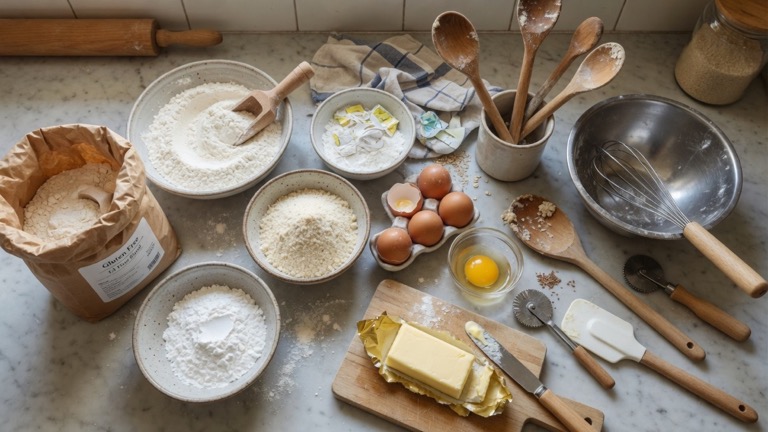
Think of your GF flours like instruments in an orchestra. You wouldn’t want a symphony played by just one trumpet, right? You need the richness of the strings, the crispness of the woodwinds, the thump of percussion. It’s the same with GF flour blends. You want a mix of flours that provide structure (like brown rice flour, sorghum flour, or oat flour, which you can learn more about in our Oat Flour in Gluten-Free Baking: Benefits and Best Practices post), tenderness (like tapioca starch or cornstarch), and sometimes a bit of richness or chew (like almond flour or even Coconut Flour Demystified: The High-Fiber Gluten-Free Staple). A good blend usually combines a whole grain flour, a starch, and sometimes a protein-rich flour. This creates a balance that mimics wheat flour’s qualities much better. Many great GF recipes will already provide a balanced blend, or you can buy pre-mixed all-purpose GF flour blends.
Mistake #3: Over-mixing Your Batter
In traditional baking, sometimes you develop gluten by mixing. Not so in GF baking! We don’t *have* gluten. There’s nothing to develop. Over-mixing GF batters can actually incorporate too much air, which collapses during baking, leading to a tough or crumbly texture. It also sometimes makes your baked goods gummy.
The Fix: Mix Gently, Just Until Combined
Treat your GF batter with a gentle hand. Mix only until the dry ingredients are just incorporated into the wet. A few small lumps are perfectly fine, even desirable. Think of it like a gentle hug for your ingredients, not an aggressive wrestling match. Over-mixing is a fast track to dryness and density in GF bakes. Less is often more here. Stop the moment everything looks wet and mixed.
Mistake #4: Not Enough Moisture or Fat
One of the biggest complaints about GF baked goods is dryness and crumbling. Gluten, among other things, helps retain moisture and provides elasticity. Without it, your bakes can feel like a desert landscape.
The Fix: Boost Moisture and Fat Content
We often need to compensate for the lack of gluten by adding extra moisture or fat. This could mean adding a bit more liquid (milk, water, plant-based milk), extra oil or butter, or even ingredients like applesauce, mashed banana, pureed pumpkin, or yogurt. These not only add moisture but also richness and sometimes act as binders. For instance, a little extra oil in a GF cake can make it incredibly tender and moist, extending its shelf life beautifully. Don’t be afraid to add an extra tablespoon or two of liquid if your batter seems too thick or stiff compared to what the recipe implies.
Mistake #5: Forgetting or Misusing Xanthan Gum (or Other Gums)
Xanthan gum is often the unsung hero of GF baking. It’s a hydrocolloid (a substance that forms a gel in water) and it acts as a binder and thickener, mimicking the elasticity and structure that gluten provides. Without it, your cookies might spread too much, your bread might crumble, and your cakes might lack that satisfying chew.
The Fix: Measure Carefully, Understand Its Role
If your GF flour blend already contains xanthan gum, you likely don’t need to add more. If it doesn’t, a small amount is usually required. Generally, for every cup of GF flour blend, you might use 1/4 to 1/2 teaspoon for cakes and cookies, and up to 1 teaspoon for breads. Too little and things fall apart; too much and your baked goods can become gummy or slimy. It’s a delicate balance! If you’re sensitive to xanthan gum, psyllium husk powder can be a fantastic alternative, providing similar binding properties. Always check your recipe and your flour blend’s ingredients. It’s like the glue that holds our delicious GF world together.
Mistake #6: Impatience with Cooling Times
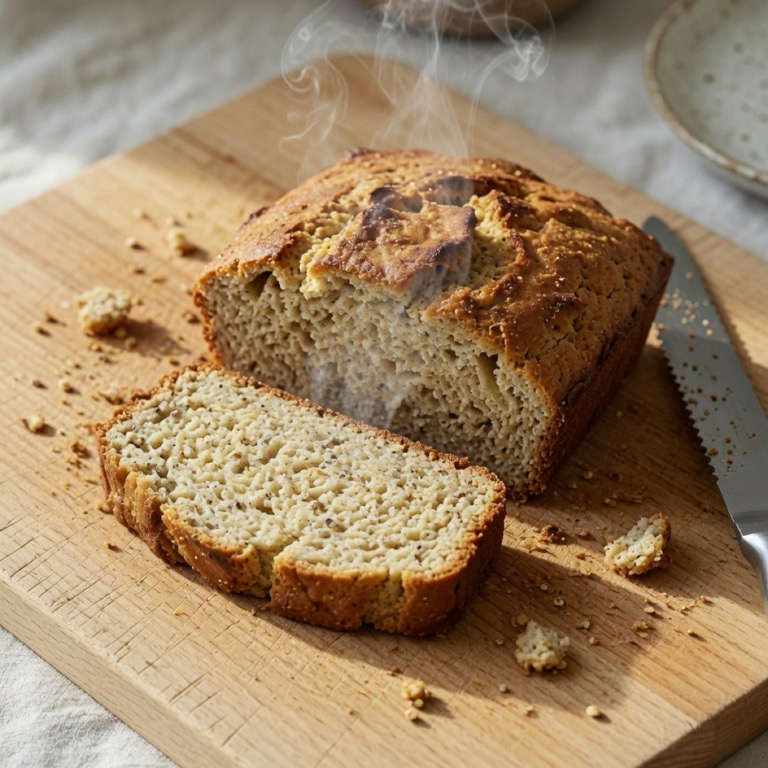
We’ve all been there: a fresh batch of GF brownies or a loaf of bread, smelling incredible, just begging to be sliced. You cut into it while it’s still warm, and boom, it crumbles into a pile of delicious but structurally unsound pieces. Why? Because GF baked goods need time to set.
The Fix: Let Them Cool Completely (or Almost Completely)
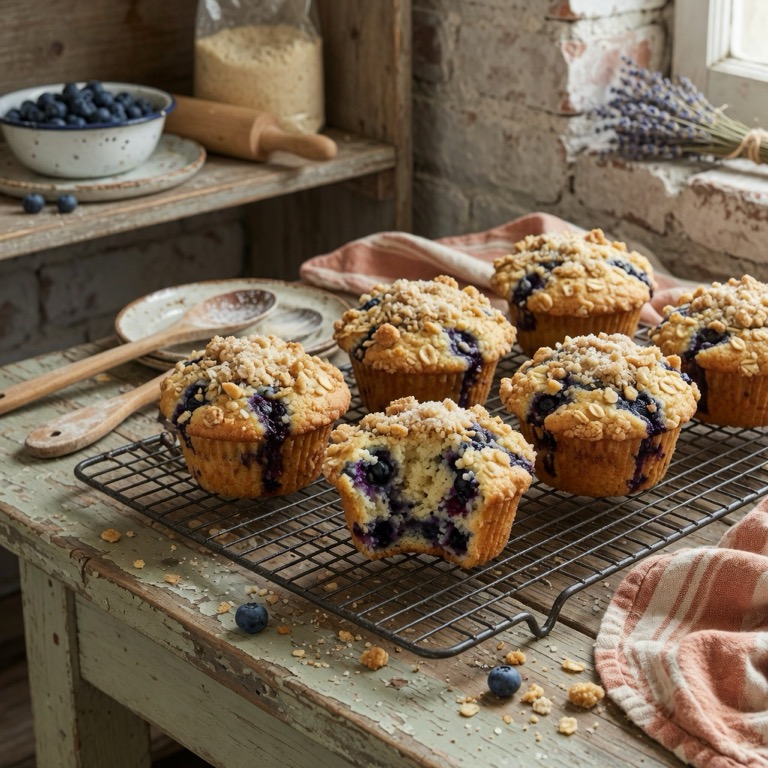
This is crucial. As GF baked goods cool, starches gelatinize further, and fats re-solidify, creating the final structure. Slicing too soon is like asking a building to stand before its cement has cured. For cakes, cookies, and muffins, usually 15-30 minutes on a wire rack is enough to stabilize them before moving. For breads, you might need to wait an hour or even two. Some even recommend waiting until a loaf is fully cool, typically 3-4 hours, for the best crumb. This patience truly pays off in terms of texture and preventing crumbling. It’s a small wait for a big reward.
Mistake #7: Not Knowing Your Oven’s True Temperature
An inaccurate oven can sabotage any baking project, but it’s especially critical for GF. Many GF recipes call for specific temperatures because different flours and starches react uniquely to heat. An oven that runs too hot can lead to burnt exteriors and raw interiors, while one that’s too cool might result in dense, under-baked goods that never quite set.
The Fix: Get an Oven Thermometer
Seriously, this is a tiny investment that yields huge results. Oven thermometers are inexpensive and clip right onto your oven rack. They give you an accurate reading of what’s *actually* happening inside your oven, which is often different from what your oven’s dial says. Adjust your oven’s temperature setting based on the thermometer’s reading. If your oven runs hot, turn it down a bit. If it’s cold, crank it up. Knowing your oven’s true personality makes a massive difference in GF baking success. You might also find your oven has hot spots, so rotating your baking halfway through can help. It ensures even cooking, every time.
Mistake #8: Forgetting About “Bloom Time” for Certain Ingredients
Some of our favorite GF binders need a little quiet time to do their magic. Think psyllium husk powder, chia seeds, or ground flaxseed. These ingredients are like tiny sponges. If you just toss them into the dry ingredients and mix, they won’t have enough time to absorb liquid and form the necessary gel or binding power before baking. This can leave your baked goods dry and crumbly, or with an odd texture.
The Fix: Give Them a Soak
When a recipe calls for psyllium husk or ground flaxseed, it often instructs you to mix it with a small amount of liquid (usually water or milk) and let it sit for 5-10 minutes. This is “bloom time.” During this period, these ingredients absorb the liquid and form a gel-like consistency that acts as an excellent binder and moisture retainer in your GF recipes. It’s a quick, easy step that makes a world of difference. Don’t skip it! It’s like giving them a head start to work their magic.
Mistake #9: Not Using the Right Tools for the Job
While you don’t need a gourmet kitchen to bake GF, having a few essential tools can make your life a lot easier and your results much better. Things like parchment paper, the correct pan sizes, and even silicone baking mats play a surprisingly big role. For example, GF batters can be sticker than traditional ones, and without proper lining or non-stick surfaces, you might end up with half your cake stuck to the pan.
The Fix: Stock Up on Smart Essentials
Parchment paper is your best friend for lining baking sheets and cake pans. It ensures easy release every single time. Silicone baking mats are also fantastic for cookies. Make sure you’re using the correct size baking pans as specified in your recipe; pan size affects bake time and how your recipe rises. A smaller pan might lead to overflow, while a larger one could result in flat, dry bakes. To learn more about equipping your kitchen, check out our guide to Essential Tools for Every Gluten-Free Baker’s Kitchen. Having the right gear is like giving yourself a head start.
So, there you have it, my friend! A little insight into the common GF baking missteps and, more importantly, how to gracefully sidestep them. Don’t let a few past baking blunders deter you. Every single one of us has a story about a baking experiment gone awry. The beauty of GF baking lies in its wonderful diversity and the endless possibilities it offers.
With a bit of precision, patience, and a willingness to understand your ingredients, you’ll be whipping up delicious, envy-inducing GF treats in no time. Embrace the journey, enjoy the process, and most importantly, savor every delicious bite. Remember, baking GF should be a joyful experience, full of abundance and flavor. Keep experimenting, keep learning, and keep sharing your wonderful creations!