Gluten-Free Baking Mixes: Which Ones Are Best? (2026)

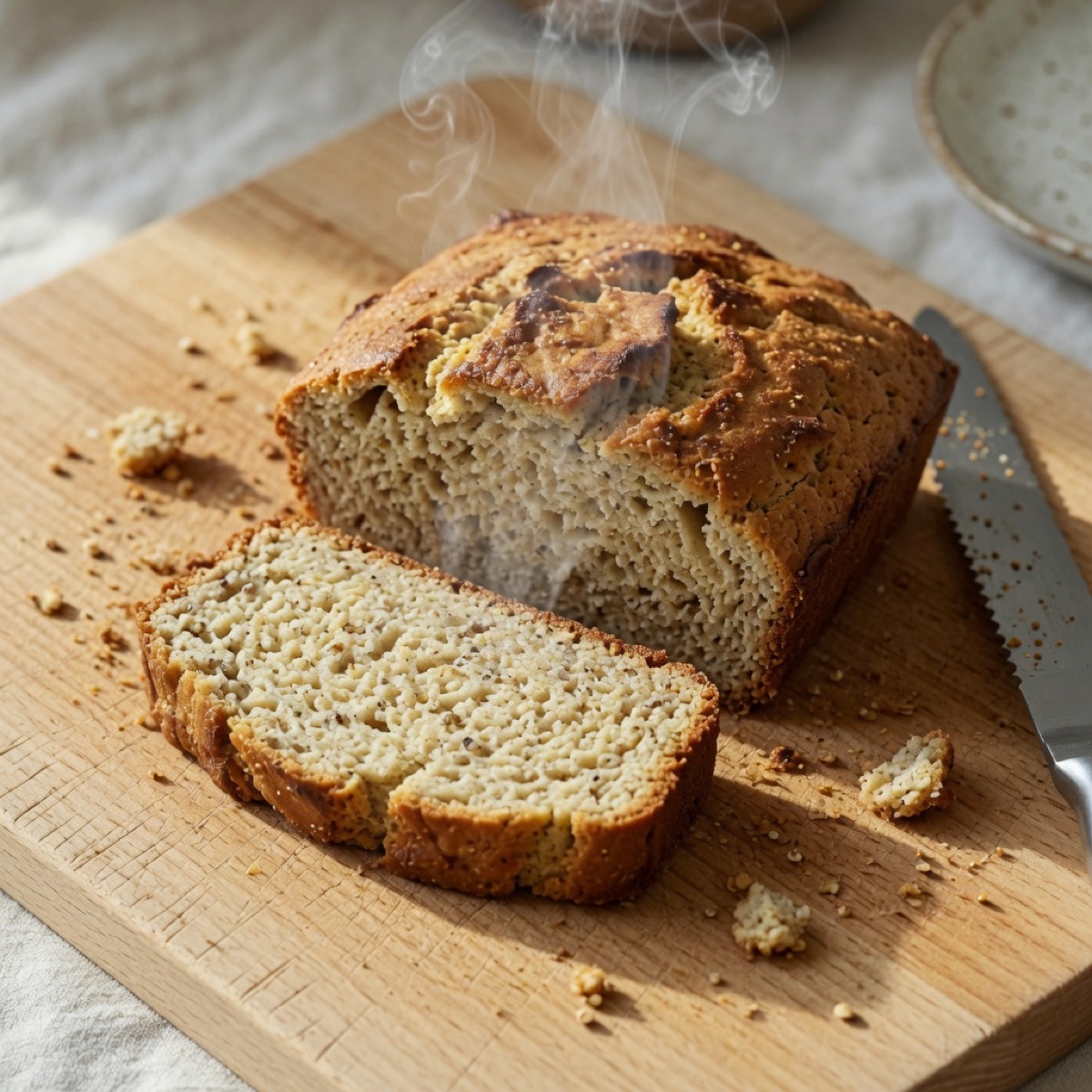
Ever stood in the baking aisle, staring at a wall of gluten-free mixes, feeling a little overwhelmed? You’re not alone. It’s like picking out a new best friend, but for your oven. You want someone reliable, someone who delivers on promises, and someone who makes delicious magic happen without a fuss. That’s why we’re diving deep into the wonderful world of GF baking mixes today. We’re going to demystify those packages and help you find your baking soulmate, making your next trip to the store as easy as pie (gluten-free, of course!). Plus, understanding what’s what can seriously help when you’re Navigating Gluten-Free Shopping.
For those of us living a GF life, baking can sometimes feel like a high-stakes science experiment. Wheat flour, with its magical gluten strands, gives structure, chew, and that oh-so-satisfying bounce to baked goods. Take gluten out of the equation, and suddenly your muffins might crumble like a sandcastle, or your bread could feel more like a brick. But don’t you worry your sweet little head! That’s where the superheroes of the gluten-free world, the baking mixes, swoosh in to save the day.
Why GF Baking Mixes Are Your Kitchen Co-Pilot
Think of baking mixes as your trusted co-pilot. They’ve done most of the heavy lifting for you. The clever folks who make these mixes have already figured out the delicate balance of different gluten-free flours and starches. They’ve mixed in things like rice flour, tapioca starch, potato starch, and often a touch of xanthan gum or guar gum. These gums are crucial, basically acting as the “glue” that gluten usually provides, helping your bakes hold together and not fall apart after the first bite. It’s a brilliant shortcut to consistently delicious results without having to buy five different types of flour and measure tiny pinches of gum.
They’re perfect for busy weekdays, weekend brunch cravings, or when you just want a warm chocolate chip cookie without the elaborate production. So, let’s get into the nitty-gritty: which ones truly shine?
Understanding the Basics: What’s In Your Mix?
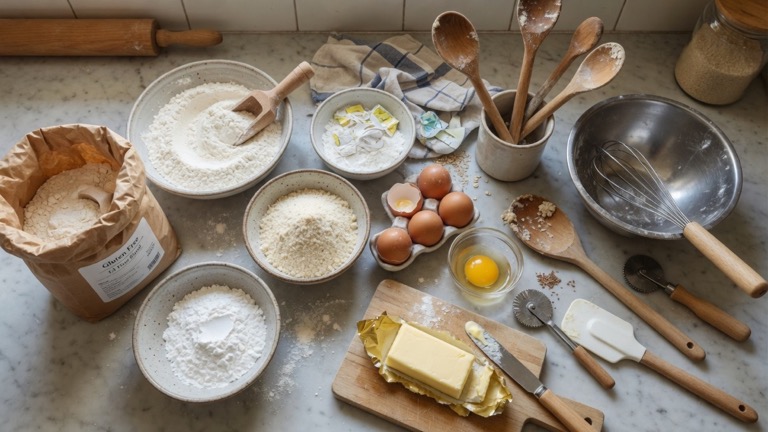
Before we crown any champions, it helps to understand what makes a good GF mix tick. Wheat flour is simple. It’s one ingredient. But gluten-free baking is a team sport for flours. You’ll often find a blend of:
- Rice Flour (Brown or White): This is a common base. It’s mild in flavor but can sometimes lead to a slightly gritty texture if not finely milled. Brown rice flour offers a little more nutrition and a nuttier taste.
- Tapioca Starch (or Flour): Adds chewiness and helps with browning. It’s a great binder.
- Potato Starch: Lends a light, airy texture and helps keep things moist. Not to be confused with potato flour (which is heavier).
- Sorghum Flour: Brings a subtle sweetness and a tender crumb. It’s a fantastic whole grain option.
- Millet Flour: Offers a mild flavor and can improve texture.
- Xanthan Gum or Guar Gum: These are non-negotiable. They mimic gluten’s elasticity, preventing your baked goods from becoming hockey pucks.
A good mix balances these components to achieve a taste and texture similar to their gluten-containing counterparts. The best mixes have a careful blend, ensuring neither flavor nor texture dominates in an unwelcome way.
The Contenders: Top Gluten-Free Baking Mixes You Need to Know
Alright, let’s talk turkey (or maybe, flour!). Here are some of the most popular and reliable GF baking mixes on the market right now, along with my take on their strengths.
1. All-Purpose GF Flour Blends (The Versatile Workhorses)
These are your everyday heroes, designed to be a 1:1 swap for wheat flour in many recipes. Seriously, they’re magic.
- Bob’s Red Mill Gluten Free 1-to-1 Baking Flour: This is a powerhouse. It’s a blend of sweet white rice flour, whole grain brown rice flour, potato starch, whole grain sorghum flour, tapioca flour, and xanthan gum. It truly works wonders for cookies, muffins, quick breads, and even some cakes. Its versatility is its superpower. Basically, if a recipe calls for all-purpose flour, you can usually swap this in directly.
- King Arthur Gluten-Free Measure for Measure Flour: Another absolute gem. King Arthur has a stellar reputation, and their GF blend lives up to it. It combines rice flour, whole grain brown rice flour, sorghum flour, tapioca starch, potato starch, cellulose, xanthan gum, and vitamin and mineral enrichment. It performs beautifully, especially in cookies and pie crusts. I find it gives a slightly finer crumb than Bob’s, which is lovely for delicate pastries.
- Cup4Cup Gluten Free Flour (Original Blend): Developed by chefs at Thomas Keller’s The French Laundry, this blend is next-level for anything that needs that classic “stretch.” It contains cornstarch, white rice flour, brown rice flour, milk powder (so not dairy-free, be aware!), tapioca starch, potato starch, and xanthan gum. It makes amazing flaky pie crusts and perfect biscuits. The milk powder gives it a richness that’s hard to beat, but remember the dairy aspect!
2. Specialty Mixes (For Specific Cravings)
Sometimes, you need a specialist. These mixes are formulated for specific types of baked goods and they nail it every time.
- Pamela’s Products Gluten-Free Baking & Pancake Mix: If you’re a pancake or waffle fanatic, this mix is your best friend. It creates fluffy, tender results that rival any gluten-full version. It’s also surprisingly versatile for things like quick bread or even some fried chicken coatings. Their formula (brown rice flour, tapioca starch, buttermilk powder, etc.) is perfectly calibrated for breakfast delights.
- Krusteaz Gluten Free Honey Cornbread Mix: Oh, this one is a winner. For anyone who misses classic cornbread with their chili, this mix delivers. It’s sweet, moist, and has that perfect crumbly-yet-tender texture. Just add a few ingredients and you’re in cornbread heaven. It’s a true comfort food staple.
- Namaste Foods Gluten Free Perfect Flour Blend: This is a strong contender for a truly allergen-friendly all-purpose blend. It’s free from wheat, corn, soy, dairy, potato, nuts, and casein. It uses sweet brown rice flour, tapioca starch, brown rice flour, arrowroot powder, sorghum flour, and xanthan gum. Many swear by it for cookies and cakes when dealing with multiple sensitivities.
My Top Picks and Why
If I had to pick just a couple of mixes to keep in my pantry at all times, here’s my honest opinion:
- Bob’s Red Mill 1-to-1 Baking Flour: For its sheer versatility and reliability. It’s widely available, reasonably priced, and consistently delivers great results for almost any recipe where you’d use regular flour. It’s my go-to for cookies, muffins, and quick breads.
- King Arthur Measure for Measure Flour: A close second, especially for things like pie crusts or more delicate cakes where you want a truly fine crumb. It’s a little pricier, but the quality speaks for itself.
- Pamela’s Products Gluten-Free Baking & Pancake Mix: For breakfast goods, hands down. Nothing beats its pancakes and waffles. Period.
You might find that Comparing Gluten-Free Brands: Quality, Price & Availability helps you narrow down what’s best for your budget and location. Some brands are easier to find than others, too.
Tips for Getting the Best Out of Your GF Baking Mixes
Even with the best mixes, a few simple tricks can take your GF baking from good to absolutely amazing.
- Read the Instructions (Seriously!): Some mixes are designed for specific uses or have unique liquid ratios. Don’t assume.
- Weigh Your Flour: If possible, weigh your GF mix rather than using measuring cups. Gluten-free flours can vary in density, and weighing is far more accurate for consistent results. Most good recipes include gram measurements now.
- Don’t Overmix: Just like with regular baking, overmixing can lead to tough results. Mix until just combined.
- Add a Little Extra Moisture: GF flours can be thirstier than wheat. Sometimes adding an extra egg yolk, a tablespoon of oil, a splash of applesauce, or a bit of yogurt can prevent dryness and add tenderness.
- Let the Batter Rest: For some recipes, especially those with leavening, letting the batter sit for 10-15 minutes can allow the flours to fully hydrate, leading to a better texture.
- Bake by Internal Temperature: GF goods don’t always brown the same way. Use a thermometer for bread (200-210°F) or rely on the toothpick test for cakes and muffins.
Don’t Be Afraid to Experiment!
The beauty of these mixes is that they give you a fantastic starting point. You can still add your favorite spices, chocolate chips, fruit, or nuts. Mixes are a foundation, not a limitation. Want to make your banana bread extra moist? Add a spoonful of Greek yogurt. Craving lemon blueberry muffins? Go for it! Remember that gluten is often Watch Out for Hidden Gluten: Common Names and Sources even in mixes, so always double-check the labels if you have severe sensitivities or allergies.
Choosing the “best” gluten-free baking mix really boils down to your personal taste, what you’re baking, and what’s available to you. But armed with this knowledge, you can walk into that baking aisle with confidence, knowing exactly which superhero you need for your next kitchen adventure. Happy baking, my friends!