Buckwheat Flour in Gluten-Free Baking: Earthy Flavor and Hearty Texture (2026)

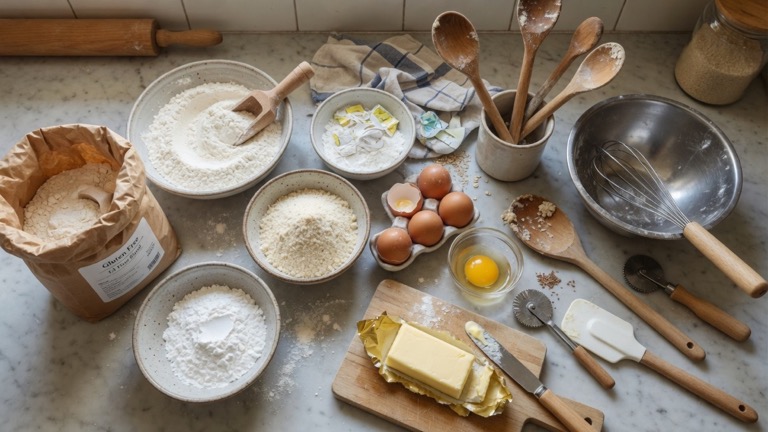
Alright, my GF friends. Let’s talk about a baking superstar that often gets overlooked in the gluten-free world, especially when we’re chasing those nostalgic, hearty textures. I’m talking about buckwheat flour! Many of us, when diving into Gluten-Free Baking Essentials, tend to focus on rice flours or starches. Those are great, absolutely. But sometimes, you need a flour that brings a little more personality to the party. Something with some grunt, some soul. And that, my dears, is where buckwheat steps in.
Buckwheat isn’t just a quirky name. It’s a powerhouse, a versatile ingredient that can totally transform your gluten-free bakes. It gives you depth. It gives you structure. And it delivers on flavor in a way that’s simply irresistible. Forget feeling limited; with buckwheat, you’re unlocking a whole new level of deliciousness.
Buckwheat: The Misunderstood Marvel (It’s Not Wheat!)
First things first, let’s clear up a common misconception, because it’s a big one. Despite the “wheat” in its name, buckwheat is not related to wheat at all. Not even a distant cousin. It’s actually a “pseudocereal,” a fancy term that just means it acts like a grain but technically isn’t. Think of it like quinoa or amaranth. It’s related to rhubarb and sorrel, if you can believe that! So, yes, it’s naturally 100% gluten-free. No worries there, my friends.
This little wonder plant (Fagopyrum esculentum, if you’re feeling fancy) has been cultivated for thousands of years. It’s a staple in many traditional cuisines around the globe, from the hearty kasha in Eastern Europe to delicate soba noodles in Japan. And for good reason! It’s nutritious, easy to grow, and packed with flavor.
Earthy Flavor: A Hug for Your Taste Buds
Now, let’s talk about the taste. Oh, the taste! Buckwheat flour has a distinct, earthy, nutty flavor. Some people detect a slight bitterness, but I like to think of it as a pleasant, grounding note. It’s robust. It’s comforting. Imagine the warm, rustic aroma of a country kitchen. That’s the vibe buckwheat brings.
This isn’t a shy, retiring flour that just blends into the background. Buckwheat wants to be noticed. It adds character. It can be a star, especially in savory bakes, or a fantastic supporting actor that gives depth to your sweet treats. Think about a rich, dark honey, or a toasted hazelnut. That’s the kind of complex, satisfying flavor profile we’re talking about here. It can really wake up your taste buds.
Hearty Texture: The Structure You Crave
Texture is everything in gluten-free baking, right? We’ve all had those bakes that fall apart, or feel crumbly, or just… sad. Buckwheat flour is here to rescue you from that! It delivers a wonderfully hearty, chewy texture that can be hard to achieve with other GF flours. It doesn’t just sit there; it provides structure. It gives your baked goods a satisfying mouthfeel.
When you add buckwheat to a recipe, you’re often getting a denser, more substantial crumb. This is a dream come true for breads, muffins, and pancakes. It helps prevent that dry, brittle texture we sometimes encounter. Plus, it absorbs moisture beautifully, helping to keep things from getting gummy, which is a common issue with some GF flour blends. It’s like the strong, silent type of flour, holding everything together.
Beyond Flavor and Texture: A Nutritional Powerhouse
As your trusted GF expert friend, I can’t just talk about taste and texture, because buckwheat brings so much more to the table. This little grain that isn’t a grain is a nutritional superstar!
- Fiber Rich: It’s absolutely packed with dietary fiber, which is fantastic for digestion and keeping you feeling full and satisfied. Good gut health, happy baker!
- Protein Punch: Buckwheat contains a good amount of plant-based protein, including all nine essential amino acids. That’s rare for a plant source, making it a complete protein. Hello, muscle fuel!
- Minerals Galore: We’re talking magnesium, manganese, phosphorus, niacin, zinc, and selenium. These are all vital for overall health and well-being.
- Antioxidant Rich: It’s loaded with antioxidants, particularly rutin and quercetin. These tiny fighters help protect your cells from damage. Wikipedia has some great info on its nutritional profile, if you want to geek out a bit more!
So, you’re not just making delicious food; you’re making nourishing food. How cool is that?
Baking with Buckwheat: Your New Best Friend
Ready to invite buckwheat into your kitchen? Fantastic! Here are a few pointers to help you make the most of this incredible flour.
Finding Your Balance: Blending is Key
Buckwheat flour is strong, both in flavor and texture. It usually isn’t a “solo act” in baking, unless you’re making something like 100% buckwheat crepes (galettes, if you’re feeling French and fancy!). For most other bakes, it plays wonderfully with others. Think of it as a team player, but one with a very distinct personality.
I usually recommend starting by substituting 25-50% of your total flour blend with buckwheat. If a recipe calls for 2 cups of a general GF flour blend, try using 1/2 cup to 1 cup of buckwheat and fill the rest with a milder flour like white rice flour, sorghum flour, or a balanced gluten-free flour blend. This allows you to introduce its unique qualities without overwhelming the dish.
Light vs. Dark Buckwheat Flour
Did you know there are different kinds? Just like coffee beans, buckwheat flour comes in variations. You’ll typically find two types:
- Light Buckwheat Flour: This is made from hulled buckwheat groats. It has a milder flavor and lighter color, making it a bit more versatile for sweet baking.
- Dark Buckwheat Flour (or “Whole” Buckwheat Flour): This is milled from unhulled groats. It’s darker, more robust in flavor (that earthy, slightly bitter note is more pronounced), and has a higher fiber content. This is fantastic for rustic breads or savory applications.
Always check the package! The type you choose will definitely impact your final product.
Hydration Hints: Buckwheat is Thirsty!
Because of its high fiber content, buckwheat flour can absorb a lot of liquid. You might find you need to add a little extra water, milk, or other liquid to your recipe when incorporating it. Start with your recipe’s recommended liquid amount, then add an extra tablespoon or two at a time until you reach your desired consistency. It’s all about looking and feeling the dough or batter. Don’t be afraid to experiment a little.
Sift, Sift, Sift!
Buckwheat flour can be a bit coarse. Sifting it before you add it to your dry ingredients will help ensure a smoother, more uniform batter and a lighter texture in your final bake. It also helps remove any tiny bits of hull that might have snuck through. A simple step that makes a big difference.
Where Buckwheat Shines: Recipe Ideas
The possibilities are endless, truly. But here are a few places where buckwheat flour truly becomes a star:
- Pancakes and Waffles: This is probably its most famous baking role. Buckwheat pancakes are incredibly hearty, fluffy, and have an amazing depth of flavor. Serve them with maple syrup and fresh berries for a truly unforgettable breakfast.
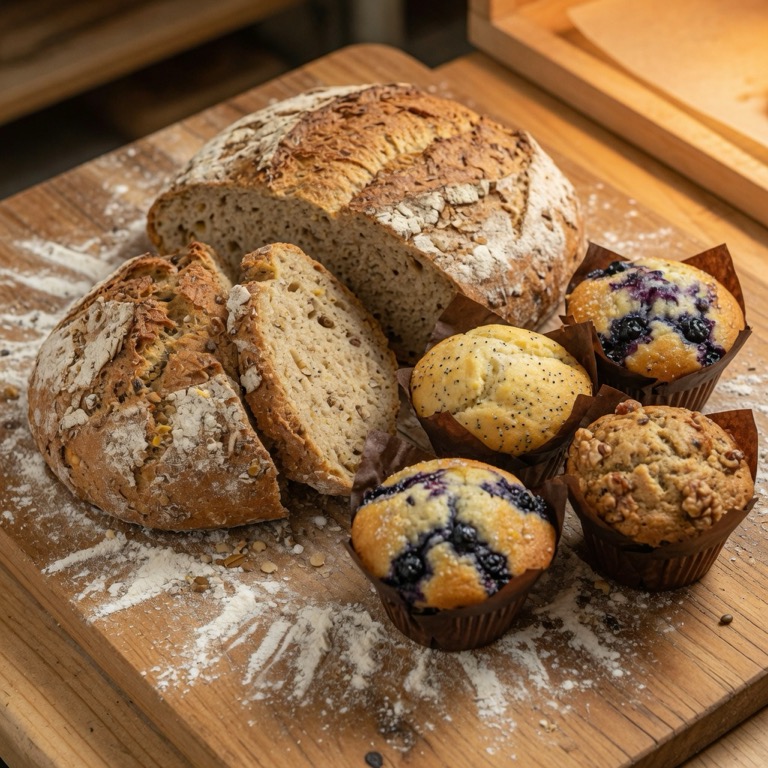
- Rustic Breads: When combined with other flours and a binding agent like psyllium husk, buckwheat can create incredible gluten-free breads with a fantastic crust and chewy crumb. Think artisanal loaves, perfect for sandwiches or just slathered with butter.
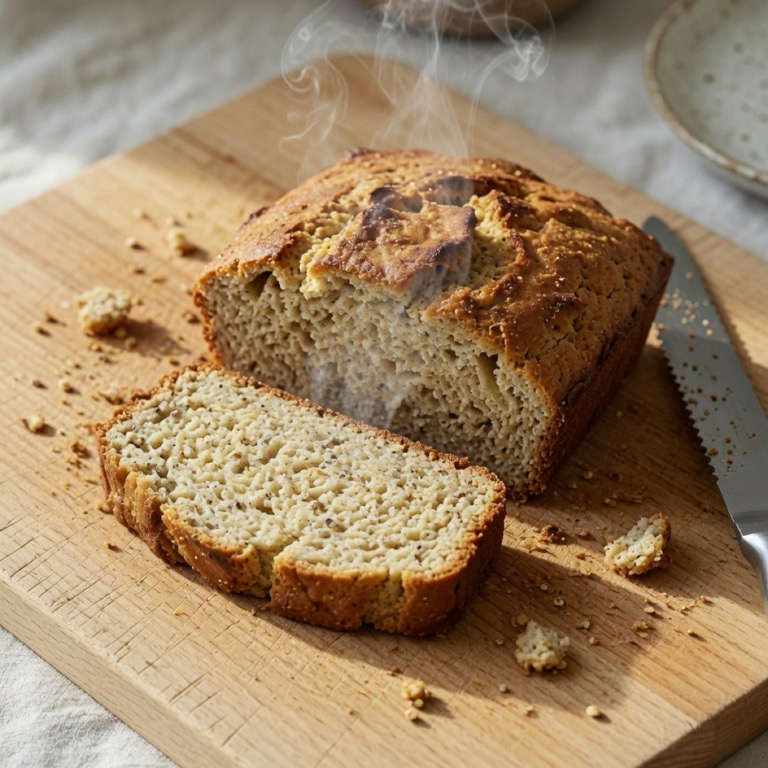
- Muffins and Quick Breads: Add it to banana bread, apple muffins, or even savory herb and cheese quick breads. The earthy flavor complements both sweet and savory profiles beautifully.
- Crackers and Savory Tarts: Looking for a sturdy, flavorful base for your snacks and appetizers? Buckwheat is your friend. Its robust flavor stands up well to strong cheeses and herbs.
- Blini and Galettes: Dive into European cuisine! Buckwheat is traditional for these thin, savory crepes (galettes) often filled with cheese, ham, or even smoked salmon. Absolutely divine.
See? So much potential! Your GF baking world just got a whole lot bigger.
Give Buckwheat a Go!
So, there you have it, my gluten-free baking adventurers. Buckwheat flour is not just another option; it’s an invitation to explore richer flavors, heartier textures, and more nutritious bakes. Don’t be shy. Grab a bag. Start with a small percentage in your favorite muffin recipe, or try a batch of buckwheat pancakes this weekend.
You’ll be amazed at the character and depth it brings. It’s a truly joyful discovery for any gluten-free baker looking to expand their repertoire and add a little more oomph to their creations. Happy baking, my friends!
And hey, if you’re looking to broaden your GF baking horizons even further, why not check out some ideas for substituting eggs in gluten-free baking? Because every ingredient has a story, and every story helps us bake something truly wonderful.
For more on the health benefits, WebMD has a great summary. Always good to know what amazing nutrition we’re baking into our treats!
Keep experimenting, keep tasting, and keep enjoying every delicious bite of your gluten-free journey. It’s a fantastic ride!