Substituting Eggs in Gluten-Free Baking: Vegan and Allergen-Friendly Options (2026)

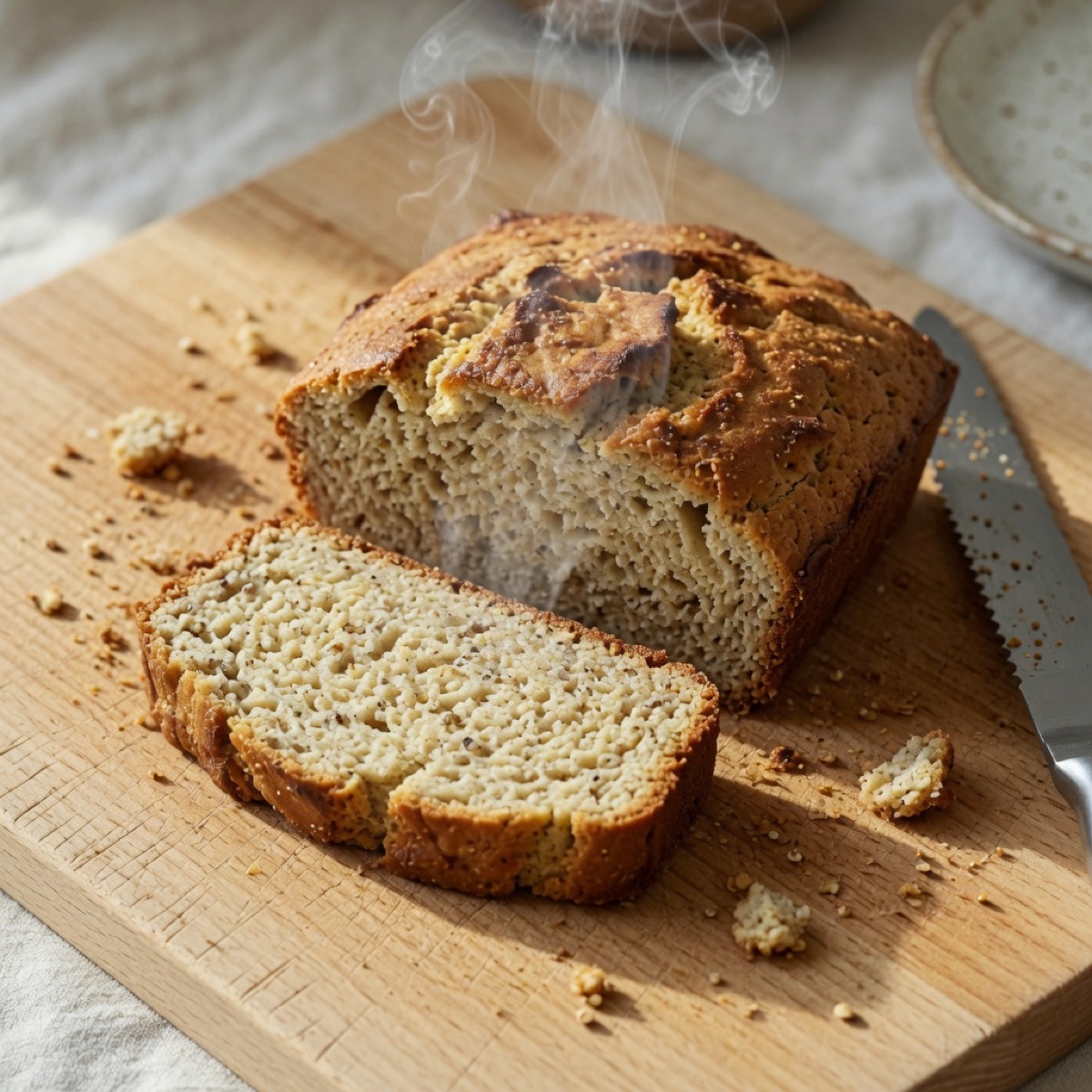
Alright, my gluten-free friends! Let’s talk eggs. Or, more accurately, let’s talk about what happens when eggs aren’t on the menu for your delicious gluten-free baking projects. Whether it’s a pesky egg allergy, a fabulous vegan lifestyle, or simply running out of eggs mid-recipe (we’ve all been there, right?), ditching the egg doesn’t mean ditching your baking dreams.
I know what you’re thinking. Eggs are like the unsung heroes of the kitchen. They bind, they leaven, they add moisture, they give structure. Without them, it feels like baking is headed for a crumbly, flat disaster. But trust me, as your trusted GF guide, that’s simply not true! The world of allergen-friendly and vegan baking is a bustling, innovative place, full of fantastic alternatives that make your gluten-free goodies shine.
We’re not just surviving here; we’re thriving. We’re turning limitations into delicious opportunities, proving that a gluten-free lifestyle is all about abundance, flavor, and incredible texture. Think of this as your personal cheat sheet, your culinary compass, pointing you towards egg-free triumph in your kitchen. And if you’re looking for more foundational wisdom, remember to check out our complete guide to Gluten-Free Baking Essentials. It’s truly a game-changer!
Why Eggs Are Such a Big Deal in Baking (The Short Version)
Before we dive into substitutes, let’s quickly understand what eggs actually *do*. It helps to know which superpower we’re trying to replicate!
- Binding: Eggs are like the glue of your batter. They hold everything together, preventing your cookies from crumbling into a pile of sad dust.
- Leavening: When heated, the proteins in eggs trap air and expand, helping cakes and muffins rise and get fluffy.
- Moisture & Fat: They add richness and tenderness, contributing to a wonderfully moist crumb.
- Structure: Eggs provide stability, ensuring your baked goods don’t collapse once they come out of the oven.
So, we’re essentially looking for ingredients that can step up and play one or more of these crucial roles. Ready to meet the contenders?
Your Go-To Gluten-Free, Egg-Free Substitutes
Here’s where the magic happens. We’ve got a fantastic lineup of options, each with its own strengths. Most of these substitutes are equal to one large egg (about 1/4 cup, or 60ml) unless otherwise noted.
Flax Eggs & Chia Eggs: The Gel Powerhouses
These two are basically baking superheroes in disguise. You activate them by mixing ground seeds with water, creating a thick, gelatinous mixture. This sticky goo is fantastic for binding. It acts much like the mucilage (a fancy word for gooey fiber) in the seeds themselves, holding your dough together firmly.
- How to make: Mix 1 tablespoon of ground flaxseed meal (or chia seeds) with 3 tablespoons of water. Let it sit for 5-10 minutes until it thickens into a gel-like consistency.
- Best for: Dense baked goods like muffins, quick breads, cookies, and brownies. They add a slightly nutty flavor, which is usually quite welcome!
- What to watch out for: They don’t offer much leavening, so pair them with other leavening agents like baking soda or powder.
Mashed Fruit & Veg Purees: The Moist & Sweet Binders
Think of these as your natural moisture magnets and gentle binders. They’re excellent for adding tenderness and a subtle sweetness, perfect for comfort foods.
- Mashed Banana: Use about 1/4 cup of very ripe mashed banana per egg.
- Pros: Adds moisture, sweetness, and helps bind. Great for muffins, quick breads, and pancakes.
- Cons: Definitely imparts a banana flavor. Make sure you want that!
- Unsweetened Apple Sauce: About 1/4 cup per egg.
- Pros: Excellent for moisture and a mild binding effect. Good for cakes, muffins, and brownies.
- Cons: Can sometimes make baked goods a bit too dense if used in large quantities. The flavor is usually very subtle.
- Pumpkin Puree: Roughly 1/4 cup per egg.
- Pros: Adds fantastic moisture, a beautiful color, and a subtle earthy flavor. Perfect for spiced cakes, muffins, and even some cookies.
- Cons: Like banana, it will lend its distinct flavor.
Commercial Egg Replacers: The Convenient Mixes
There are many great brands on the market designed specifically for this purpose. These typically combine starches (like potato starch or tapioca starch), leavening agents, and sometimes gums to mimic the properties of an egg.
- How to use: Follow the package directions! It’s usually a combination of the powder with water.
- Best for: A wide range of baking, from cookies to cakes, when you want a reliable, neutral option.
- What to watch out for: Different brands can have slightly different results, so you might need to try a few to find your favorite. They generally provide good binding and some leavening.
Aquafaba: The Whipping Wonder
Oh, aquafaba! This magical liquid, the brine from a can of chickpeas, is truly revolutionary. It can be whipped just like egg whites, making it ideal for lighter, airier textures.
- How to use: About 3 tablespoons of aquafaba is typically equal to one egg. For recipes needing whipped egg whites (like meringues or macaroons), whip 3 tablespoons until stiff peaks form.
- Best for: Meringues, mousses, macarons, and adding a light, airy touch to cakes and muffins. It’s surprisingly neutral in flavor once baked.
- Intrigued? Dive deeper into its amazing uses with our dedicated post: Using Aquafaba in Gluten-Free and Vegan Baking: An Egg White Alternative.
Silken Tofu: The Creamy Binder
Don’t let the name scare you. Silken tofu is incredibly soft and blends completely smooth, making it an excellent secret ingredient for creamy textures and binding.
- How to use: About 1/4 cup of puréed silken tofu per egg. Just blend it until it’s perfectly smooth before adding to your recipe.
- Best for: Dense cakes, brownies, cheesecakes, quiches, and custards. It adds richness and moisture without a strong flavor.
- What to watch out for: It’s heavy, so not ideal for light, airy baked goods.
Starches (Cornstarch, Tapioca Starch, Arrowroot Powder): The Thickening Agents
While not a direct one-to-one egg replacement, starches can help with binding and thickening, especially when a recipe calls for just one egg and you need a bit of extra structure.
- How to use: Mix 2 tablespoons of starch with 2 tablespoons of water until smooth.
- Best for: Light binding in cookies, crackers, or as a thickener in puddings and pie fillings. It’s more of a helper than a star player for primary egg replacement.
Tips for Egg-Free Gluten-Free Baking Success
Swapping eggs isn’t just about the ingredient; it’s about understanding how it interacts with your other GF components. Here are a few golden rules:
- Know Your Recipe: If a recipe calls for 6 eggs, swapping them all for flax eggs might make your cake too dense. For recipes with many eggs (like custards or soufflés), you might need a more specialized approach or a recipe designed specifically to be egg-free.
- Balance Moisture: Egg substitutes can vary in moisture content. If your substitute is very wet (like applesauce), you might need to slightly reduce other liquids. If it’s on the drier side (like some commercial replacers), keep an eye on your batter.
- Don’t Overmix: This is a cardinal rule for GF baking, and it’s even more important with egg substitutes. Overmixing develops gluten (even in GF flours, if they contain certain starches) and can lead to tough, dry results. Mix just until combined.
- Add a Little Lift: Since many egg substitutes don’t provide significant leavening, ensure your recipe has enough baking powder or baking soda (and an acid for the soda, like vinegar or lemon juice) to help your baked goods rise.
- Patience, Young Baker: Egg-free GF baked goods can sometimes take a little longer to set or bake through. Use the toothpick test for doneness.
- Store It Right: Since GF baked goods can dry out faster, and egg-free ones might have different moisture profiles, proper storage is key. Our guide on How to Store Gluten-Free Flours and Baked Goods for Maximum Freshness has all the best tips!
Quick Reference: Egg Substitutes at a Glance
Here’s a handy table to keep in your back pocket for your next baking adventure!
| Substitute | Equivalent to 1 Large Egg | Best Uses | Notes |
|---|---|---|---|
| Flax Egg (Ground Flaxseed) | 1 tbsp ground flax + 3 tbsp water | Muffins, cookies, quick breads, brownies | Good binder, slight nutty flavor, minimal leavening. |
| Chia Egg (Chia Seeds) | 1 tbsp chia seeds + 3 tbsp water | Muffins, cookies, quick breads, brownies | Similar to flax, very good binder, tiny seeds visible. |
| Mashed Banana (Ripe) | 1/4 cup | Muffins, quick breads, pancakes, some cakes | Adds moisture and sweetness, banana flavor. |
| Unsweetened Applesauce | 1/4 cup | Cakes, muffins, brownies | Adds moisture, subtle flavor. Can be dense if overused. |
| Pumpkin Puree | 1/4 cup | Spiced cakes, muffins, brownies | Adds moisture, color, and pumpkin flavor. |
| Commercial Egg Replacer | As per package directions | Wide range of baking, general use | Convenient, neutral flavor, follow instructions carefully. |
| Aquafaba (Chickpea Brine) | 3 tbsp | Meringues, mousses, lighter cakes, macaroons | Whips like egg whites, neutral flavor when baked. Learn more about chickpea protein. |
| Silken Tofu (Pureed) | 1/4 cup | Dense cakes, cheesecakes, quiches, custards | Adds richness, moisture, and binding; no strong flavor. |
| Cornstarch/Arrowroot/Tapioca | 2 tbsp starch + 2 tbsp water | Light binding for cookies, thickening agent | More of a helper, not a full egg replacement for complex recipes. |
Embrace the Delicious Possibilities!
See? No need to panic! Substituting eggs in gluten-free baking is not a daunting task. It’s an exciting adventure into new textures and flavors. With a little knowledge and a dash of playful experimentation, you’ll be whipping up egg-free GF masterpieces in no time. Your gluten-free journey is about discovering what you *can* eat, and trust me, the possibilities are endless and absolutely delicious. Go forth and bake with confidence!
What are your favorite egg substitutes in GF baking? Share your triumphs (and maybe a few learning experiences!) in the comments below. We’re all in this delicious journey together!