The Role of Psyllium Husk in Gluten-Free Bread Making (2026)

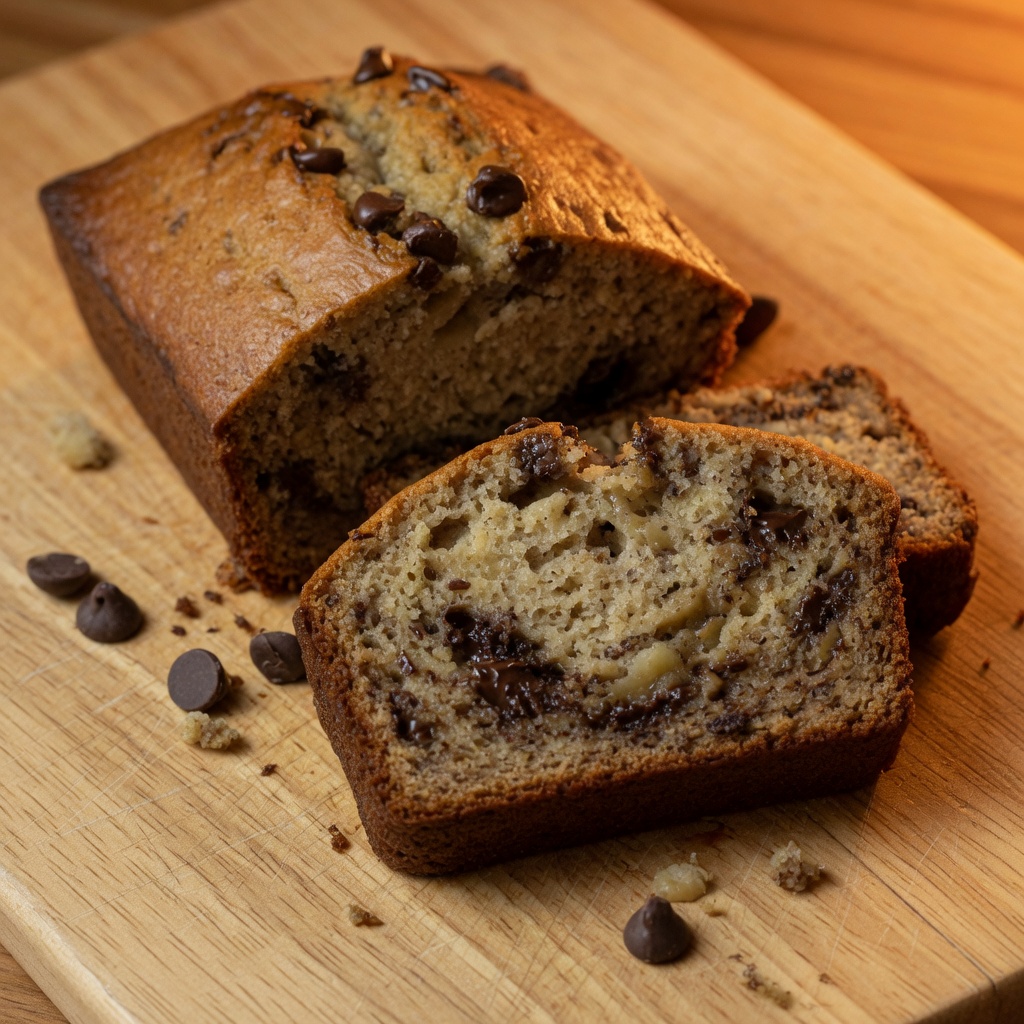
Ever baked a beautiful loaf of gluten-free bread, pulled it from the oven, and then watched it crumble like a sandcastle at high tide? Or perhaps it was so dense, you could use it as a doorstop? Yeah, we’ve all been there. It’s a common rite of passage in the gluten-free kitchen. But what if I told you there’s a secret ingredient, a magical little helper, that can transform your GF bread from fragile to fabulous?
I’m talking about psyllium husk, my friend. This unsung hero is an absolute game-changer, the secret handshake for truly spectacular Gluten-Free Baking Essentials. It’s the invisible binder that brings everything together, giving your bread that enviable chewiness and structure we all crave. Let’s dive into why this unassuming fiber is about to become your new best friend.
What Exactly is Psyllium Husk? Your Gut’s Best Buddy (and Baker’s Secret Weapon!)
So, what’s the deal with psyllium husk? Basically, it’s a fiber derived from the seeds of the *Plantago ovata* plant. Think of it like a tiny, super-absorbent sponge. These little husks are packed with soluble fiber, the kind that forms a gel when it meets water. You might already know psyllium from its role in digestive health products, helping things move along smoothly (if you catch my drift!). But its superpower for us bakers lies in that very gelling ability. It’s a humble ingredient, but its impact is mighty.
When you’re making traditional bread, gluten is the star. It’s the protein network that traps gases, giving bread its rise and springy texture. It provides elasticity. It holds everything together. With gluten-free flours, we don’t have that built-in elasticity. So, our challenge is to mimic those properties. And that’s where psyllium husk steps onto the stage, ready to steal the show.
The Gluten Impersonator: Why GF Bread Needs Psyllium
Imagine building a house without mortar between the bricks. It just wouldn’t hold up, right? That’s often what happens with gluten-free bread without a good binder. GF flours, bless their hearts, are wonderful for flavor and nutrition, but they don’t have gluten’s sticky, stretchy properties. They can be crumbly, sandy, and frankly, a bit unruly when left to their own devices.
Psyllium husk acts like that crucial mortar. When it absorbs water, it creates a viscous gel that stretches and binds, much like gluten does. This gel traps the gases produced by yeast, allowing your bread to rise beautifully without collapsing. It prevents your loaf from becoming a dense brick, or worse, falling apart into a pile of crumbs when you try to slice it. It gives the dough structure, elasticity, and that satisfying chew. It’s truly a marvel!
Whole Husk vs. Powder: Picking Your Psyllium Player
You’ll typically find psyllium husk in two forms: whole husks and finely ground powder. Both work, but there are some key differences to keep in mind, kind of like choosing between coarse sea salt and fine table salt. They both do the job, but with slightly different textures and intensities.
- Whole Psyllium Husks: These are the entire husks. They absorb a lot of water and create a strong gel. You’ll often see them in recipes, and they tend to give a slightly more open, airy crumb. Think of them as tiny sponges that swell up.
- Psyllium Husk Powder: This is simply ground-up psyllium husks. Because it’s so fine, it absorbs water much faster and can form a denser gel more quickly. Generally, you’ll use about 25% less powder than whole husks in a recipe, as it’s more potent. If a recipe calls for whole, and you only have powder, reduce the amount by a quarter.
My go-to is often whole psyllium husk because it’s a bit more forgiving if you’re still getting the hang of things. Plus, I find it sometimes contributes to a slightly chewier texture, which I adore in bread. But don’t shy away from powder if that’s what you have. Just adjust the quantity!
The Science (Simplified!): It’s All About That Mucilage
Okay, let’s get just a tiny bit geeky for a second, but I promise it’ll be painless. The magic component in psyllium husk is something called mucilage. This is a complex carbohydrate (a fancy word for a type of fiber) that, when mixed with water, becomes a gooey, gelatinous substance. It’s what gives psyllium its incredibly high water-holding capacity. This mucilage is what mimics gluten’s binding and elastic properties, forming a flexible network throughout your dough. It essentially creates a scaffolding that supports the delicate structure of your gluten-free bread. Pretty cool, right?
Beyond Structure: The Delicious Benefits for Your Loaf
Psyllium husk isn’t just about holding things together; it actually improves your bread in several delicious ways:
- Superior Crumb Texture: Say goodbye to crumbly, dry bread. Psyllium helps create a softer, more cohesive crumb that actually holds together when sliced. Hello, perfect toast!
- Increased Elasticity and Chewy Bite: This is a big one. It gives your bread that satisfying stretch and chew you remember from traditional loaves. No more dense, hockey puck bread!
- Better Moisture Retention: Because it absorbs so much water, psyllium helps keep your bread moist and fresh for longer. GF bread can dry out quickly, but psyllium gives it a fighting chance.
- Improved Dough Handling: GF doughs can be notoriously sticky or watery. Psyllium helps make the dough more manageable, easier to shape, and less frustrating to work with. You’ll actually enjoy kneading again!
- Nutritional Boost: Let’s not forget the added fiber! Psyllium is a natural source of dietary fiber, which is a nice bonus for your digestive health.
Mastering Psyllium: Tips for Gluten-Free Bread Making Success
Using psyllium husk successfully is all about understanding its hydration power. Here are my top tips:
- Hydrate It Properly: Psyllium needs liquid to work its magic. Many recipes will have you mix the psyllium directly with the liquid ingredients (like water or plant milk) and let it sit for 5-10 minutes. This allows it to gel up before it even hits your dry flours. It prevents the psyllium from just sucking all the moisture out of your flour blend too quickly.
- Start with Recommended Amounts: Most GF bread recipes will call for 1 to 2 tablespoons of whole psyllium husk (or 1 to 1.5 tablespoons of powder) per cup of gluten-free flour blend. This is a good starting point.
- Watch Your Dough, Not Just the Recipe: GF baking is an art, not just a science. Depending on your flour blend, humidity, and even the brand of psyllium, you might need slight adjustments. Your dough should be thick and pliable, not soupy or overly stiff. It should feel somewhat like a traditional yeast dough, just maybe a little tackier.
- Don’t Go Overboard: While psyllium is amazing, too much can make your bread gummy and dense. Resist the urge to add “just a little more” unless your dough is clearly too wet. It’s a delicate balance.
- Consider Your Flour Blend: Some GF flour blends already have binders like xanthan gum or guar gum. If so, you might need slightly less psyllium. Knowing your ingredients helps! If you’re creating your own blend, this is especially important.
For more insights on making sure your GF baked goods hit all the right notes, you might want to check out our post on Preventing Gumminess in Gluten-Free Baked Goods: Expert Tips. It’s all connected!
A Little Perspective: Psyllium Husk in the Kitchen
Think of psyllium husk as your kitchen’s natural super-glue. It’s what gives your bread integrity. It means your sandwich won’t disintegrate midway through eating. It means you can actually slice your bread thinly for crostini or toast without it crumbling into a pile of sorrow. And let’s be honest, we all deserve a sturdy, delicious slice of bread in our lives.
It’s not just for bread, either. Psyllium can be a wonderful addition to other gluten-free baked goods, like pizza crusts, tortillas, and even some muffins where you want extra structure. It’s one of those essential tools that, once you start using it, you’ll wonder how you ever baked without it.
By understanding and correctly using psyllium husk, you’re not just baking gluten-free bread. You’re crafting an experience. You’re turning simple ingredients into something truly satisfying and joyful. It’s about making your GF life full of delicious abundance, not limitations. So go on, grab some psyllium, and get ready to bake some incredible bread!
For further reading on the fascinating world of dietary fiber and its properties, you can explore resources like the Mayo Clinic’s guide to dietary fiber. Knowing more about these ingredients always helps you feel more confident in the kitchen.