Tapioca Starch and Arrowroot Powder: GF Thickeners and Texturizers (2026)

Hola, my gluten-free friends! Let’s talk about those kitchen superheroes often overlooked, the unsung workhorses that transform our GF goodies from “meh” to magnificent. We’re diving into the wonderful world of tapioca starch and arrowroot powder today. Think of them as your personal culinary cheerleaders, ready to give your dishes that perfect texture, that delightful hold, that irresistible mouthfeel.
Seriously, if you’re navigating the Gluten-Free Baking Essentials, these two white powders are culinary powerhouses, quietly changing the game for GF cooks everywhere. They don’t just thicken; they texturize, they bind, they bring a certain “oomph” that makes all the difference. Get ready to ditch the watery gravies and crumbly crusts, because we’re about to give you the lowdown on how to use these GF secret weapons like a pro.
Why Thickeners and Texturizers? It’s All About the Magic!
In the GF world, gluten is usually the sticky, binding agent. Without it, things can get a little… well, loose. Or dry. Or crumbly. That’s where our starches step in. They absorb moisture, expand, and create structure, giving your food that satisfying consistency we all crave. Imagine a pie without a beautifully set filling, or a sauce that just drips off your veggies. Not ideal, right? These powders are basically edible glue, but a really, really delicious version. They’re about creating that delightful chew, that perfect crisp, that smooth, velvety finish. It’s truly a texture party, and everyone’s invited!
Meet Tapioca Starch: The Chewy, Glossy Superstar
First up, let’s shine a spotlight on tapioca starch. It comes from the humble cassava root, a starchy tuber native to South America. You might know it from tapioca pudding, but it’s so much more versatile than that. This stuff is a champ.
What Tapioca Starch Brings to the Table:
- Chew Factor: This is tapioca’s superpower. It gives baked goods a delightful chewiness. Think perfectly soft cookies or a slightly springy crust.
- Glossy Finish: Want your fruit pies, glazes, or sauces to look like they just stepped out of a magazine? Tapioca delivers a beautiful, translucent sheen. It makes food look incredibly appetizing.
- Neutral Flavor: It won’t mess with your dish’s taste. Just pure, unadulterated thickening goodness.
- Heat Stable: Tapioca starch can handle high heat like a boss. It holds up beautifully in long-cooking recipes, so it’s perfect for bubbling fruit fillings or hearty stews. It gels up nicely even under intense heat.
- Crispiness: Dust a little on chicken or fish before frying, and you get an incredible, light crisp. It’s a game-changer for GF fried foods.
Best Uses for Tapioca Starch:
- Pies and fruit fillings (hello, perfect apple pie!)
- Puddings and custards (classic tapioca pudding, anyone?)
- Chewy cookies, brownies, and other baked goods
- Crispy coatings for fried chicken, fish, or veggies
- A bit in your GF bread dough for added elasticity (it helps with that sticky situation sometimes)
Pro Tip: Always make a “slurry” first! Mix tapioca starch with a bit of cold water or liquid until smooth before adding it to your hot dish. This prevents lumps, giving you a silky-smooth finish every time.
Next Up: Arrowroot Powder, The Silky, Clear Champion
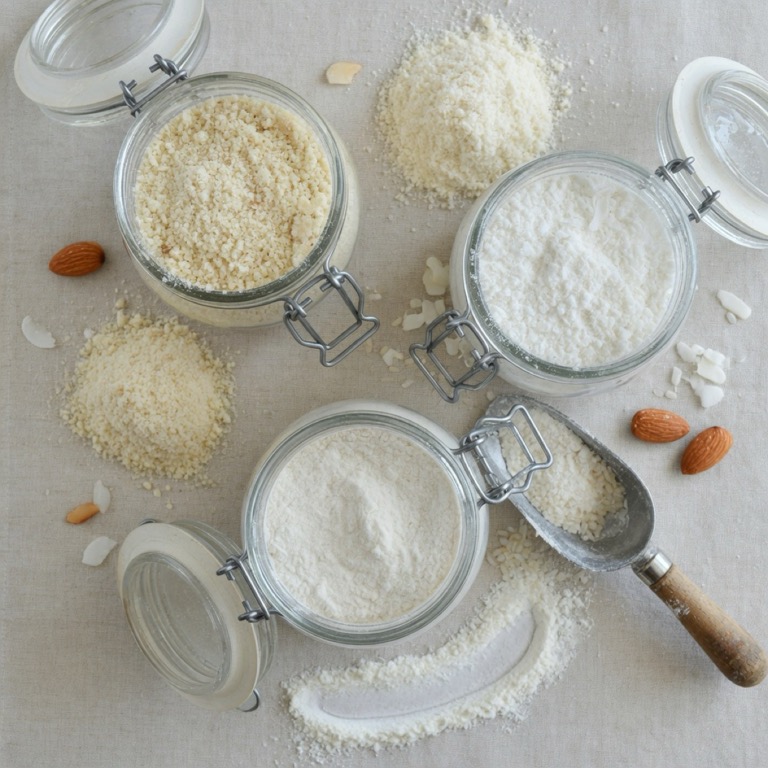
Now for arrowroot powder. This wonder starch comes from the rhizomes of several tropical plants, not just one. It’s a very fine, white powder, incredibly similar in appearance to tapioca, but with its own distinct personality. Think of it as tapioca’s more delicate cousin.
What Arrowroot Powder Brings to the Table:
- Silky Texture: Arrowroot creates a remarkably smooth, almost velvety texture. It’s fantastic for gravies and sauces that you want to be light and refined.
- Crystal Clear Finish: If you want your sauces or glazes to be perfectly transparent, arrowroot is your friend. It thickens without clouding the liquid, keeping things visually crisp.
- Neutral Flavor: Like tapioca, arrowroot is a team player. It won’t add any funky tastes.
- Acid and Temperature Sensitive: This is where arrowroot shows its delicate side. High heat or acidic ingredients (like lemon juice or vinegar) can break down its thickening power. It’s best added towards the end of cooking.
- Dairy-Free Buddy: It works exceptionally well in dairy-free recipes, helping to thicken sauces and creams without any weird reactions. If you’re looking into Dairy-Free Substitutions for Gluten-Free Baking, arrowroot is a must-have in your pantry.
Best Uses for Arrowroot Powder:
- Gravies (the ultimate thanksgiving gravy secret!)
- Delicate fruit sauces and glazes
- Light custards and puddings (especially dairy-free ones)
- Asian stir-fries (to thicken sauces without clouding them)
- As a replacement for cornstarch in many recipes, particularly if you want to avoid GMO corn.
Pro Tip: Just like tapioca, create a slurry with cold liquid first. But here’s the kicker: add it *at the very end* of cooking, off the heat, or just as the dish comes to a boil. Don’t boil it too long after adding arrowroot, or it might lose its thickening power.
Tapioca vs. Arrowroot: The Friendly Showdown
Okay, so you’ve met the contenders. Both are fantastic GF thickeners. Both are neutral in flavor. Both need a cold liquid slurry. But when do you pick one over the other?
Think about the final texture and appearance you’re going for.
| Feature | Tapioca Starch | Arrowroot Powder |
|---|---|---|
| Source | Cassava root | Rhizomes of tropical plants |
| Texture | Chewy, slightly stringy, bouncy | Silky, smooth, velvety |
| Appearance | Glossy, translucent sheen | Crystal clear, transparent |
| Heat Stability | Very stable, can handle long cooking and high temps | Sensitive to high heat and prolonged boiling; best added at the end |
| Acid Sensitivity | Generally stable | Can break down in acidic conditions |
| Freezing & Reheating | Holds up well, less prone to breaking down | Less stable, can become watery after freezing and reheating |
| Best For | Pies, fruit fillings, chewy baked goods, crispy coatings | Gravies, delicate sauces, clear glazes, light custards, dairy-free dishes |
Basically, if you want something chewy, glossy, and heat-resistant, grab the tapioca. If you’re after silky, clear, and a bit more delicate, arrowroot is your go-to. Can you use them interchangeably in some cases? Yes, for simple thickening, often. But knowing their nuances will really up your GF cooking game. For example, trying to thicken a pie with arrowroot and then baking it for an hour? You might end up with a runny mess! And using tapioca in a delicate pan sauce could give you a slightly gummier texture than you want.
Tips for GF Thickening Greatness
* Always Slurry: No matter what, mix your starch with an equal part (or more) of cold water or broth until it’s smooth like a thin paint. This prevents lumps in your finished dish.
* Add Gradually: You can always add more, but you can’t take it out! Start with a small amount of slurry, stir, and let it thicken. Add more if needed.
* Stir, Stir, Stir: Especially when adding a starch slurry to a hot liquid, keep stirring constantly to ensure even thickening and prevent lumps.
* Taste Test: These thickeners are flavorless, but ensure your dish tastes perfect before you serve.
* Experiment! Cooking is an art, not just a science. Play around with ratios and see what you like best for different recipes.
Your Pantry Power-Up!
Having both tapioca starch and arrowroot powder in your GF pantry is like having two trusty sidekicks ready for any culinary adventure. They are affordable, readily available, and utterly transformational. No more settling for bland textures or runny dishes!
So, go forth and experiment! Make that luscious fruit pie with a perfectly set, glossy filling thanks to tapioca. Whip up a silky, clear gravy with arrowroot that will make your mashed potatoes sing. The world of gluten-free cooking is full of delicious possibilities, and these two amazing thickeners are here to help you savor every single bite.
Happy cooking, my friends! Enjoy the journey, and definitely enjoy the food.