The Science of Gluten-Free Dough: Handling Sticky Situations (2026)

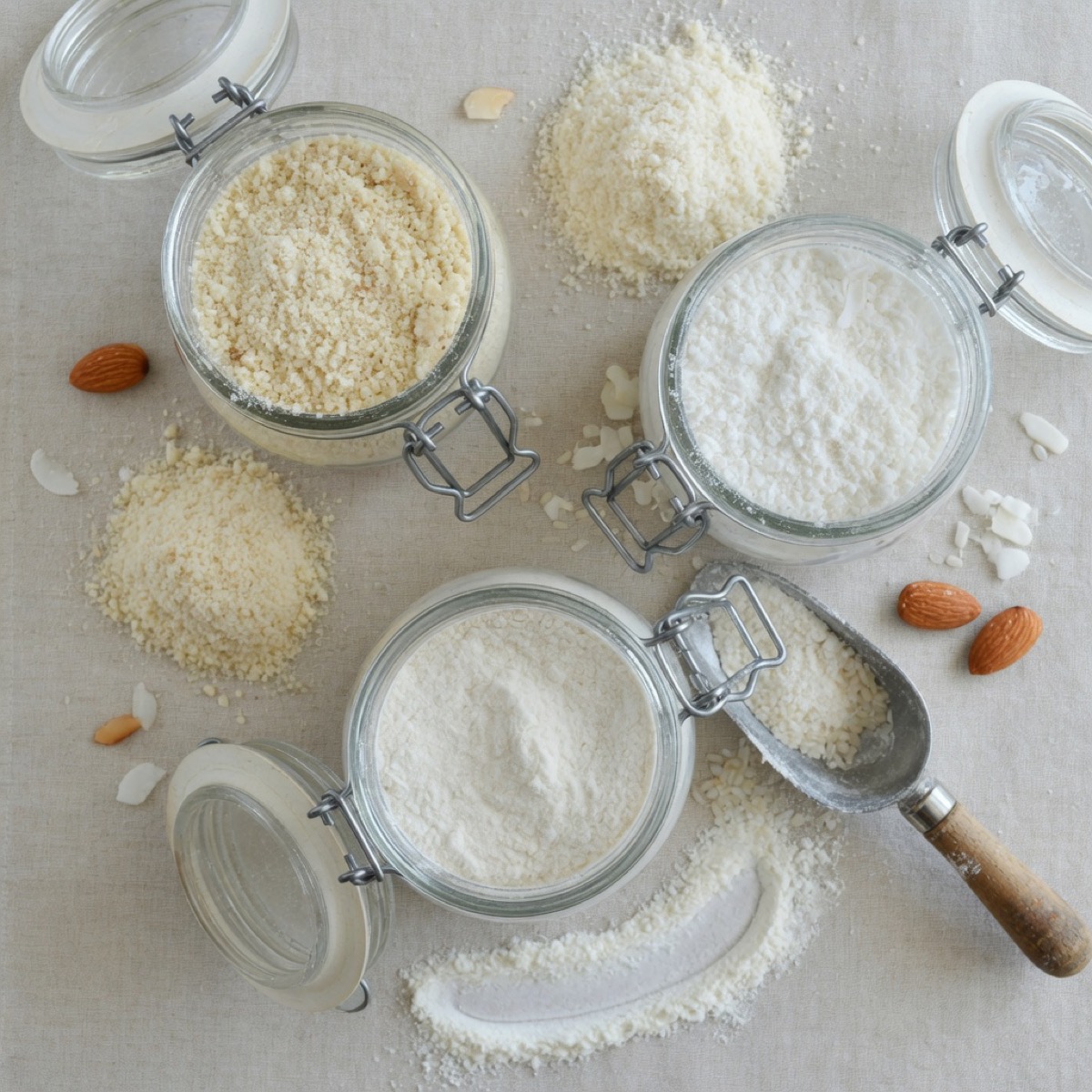
Hey there, my GF baking squad! Ever stood over a bowl of what *should* be glorious gluten-free dough, only to find yourself wrestling with a sticky, shapeless blob that clings to everything but itself? We’ve all been there. It’s a classic gluten-free baking rite of passage, that moment of “Is this even going to work?” Trust me, it absolutely will. We just need to understand what’s happening on a microscopic level. Consider me your personal food science translator, here to demystify those sticky situations and turn them into triumph!
First things first, let’s talk about the OG (original gluten) for a second. In traditional wheat-based dough, gluten is like an elastic scaffolding. It’s a protein network, stretchy and strong, that gives dough its structure, its chew, and its ability to trap gasses, making things light and airy. Think of it as the ultimate team captain, holding all the ingredients together. That’s what’s missing from our GF world. But here’s the exciting part: we don’t need to perfectly replicate it. We just need to build our own incredible, delicious structure!
For us GF bakers, the challenge (and the fun!) comes from blending various flours and starches to mimic that structural support. It’s a bit like assembling a dream team of ingredients, each bringing its own special superpower to the dough. And yes, sometimes, those superpowers can make things feel a little… sticky. If you’re looking to upgrade your entire GF baking game, you absolutely must check out my guide on Gluten-Free Baking Essentials. It’s a total game-changer.
The Sticky Science: Why GF Dough Gets So… Clingy
Without gluten, our GF flours behave differently. Wheat flour, when hydrated, develops that elastic gluten network. Our GF flours, on the other hand, often have higher starch content and different protein structures. Starches love water, absorbing it readily. Sometimes, they absorb it a little too enthusiastically, leaving us with a dough that feels wet, loose, and incredibly adhesive. It’s not a bad thing; it’s just different!
Meet Your Dough’s Best Friends: Flours, Starches, and Binders
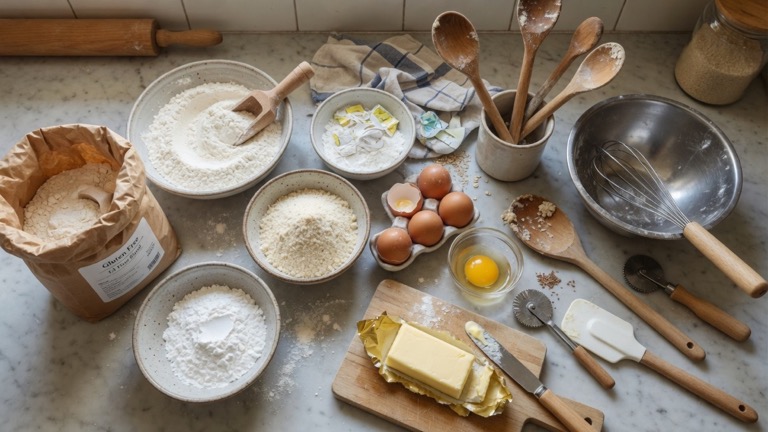
To tackle stickiness, we need to understand our key players:
- Gluten-Free Flours: These are your foundation. Rice flour (white and brown), sorghum, millet, teff, and even buckwheat flour (which, fun fact, isn’t related to wheat at all!) all bring unique textures and flavors. Some are “thirsty” and absorb more liquid, others less so.
- Starches: Potato starch, tapioca starch, corn starch, and arrowroot are crucial. They provide softness, tenderness, and help bind ingredients. Starches, when heated and hydrated, undergo gelatinization, meaning they swell and thicken, contributing to the dough’s structure. Without them, your baked goods might be crumbly.
- Binders: These are your unsung heroes! Think of binders like tiny, invisible glue sticks. They create a pseudo-gluten network, helping hold everything together. The most common are xanthan gum and guar gum. They grab onto water and create a gel-like matrix that gives dough elasticity and prevents it from falling apart. If you’re ever wondering which one to choose, I’ve got a whole post on Xanthan Gum vs. Guar Gum: Choosing the Right Binder for GF Baking that breaks it all down.
The magic often happens in the blend. A single GF flour usually won’t cut it. It’s all about creating a balanced mix that gives you the best of all worlds: structure, tenderness, and delicious flavor.
Conquering the Cling: Practical Solutions for Sticky GF Dough
Alright, let’s get down to business. Here are my top strategies for turning that sticky situation into a manageable, shapable dough:
1. Hydration is King (and Queen!)
This is probably the biggest differentiator in GF baking. Gluten-free flours absorb liquid differently than wheat. Sometimes they need more, sometimes less, and often they need time to fully hydrate.
- Measure Precisely: Baking is a science, and even a slight variation in liquid can make a huge difference. Use a kitchen scale for flour, if you can. It’s truly a game-changer for consistency.
- Add Liquids Slowly: Don’t dump it all in at once! Hold back a tablespoon or two of liquid and add it gradually until you reach your desired consistency. You can always add more, but you can’t easily take it away.
- Trust the Recipe: Especially when you’re starting out, stick to trusted GF recipes. They’ve usually been tested and tweaked to perfection.
2. Chill Out, Dough! (Temperature Matters)
Cold dough is easier to handle. Period. Warm dough gets softer, stickier, and often harder to manipulate. This is especially true for doughs with butter or other fats. Cold fats mean flaky pastries, and cold dough means less stickiness.
- Refrigerate Often: If your dough gets too warm and sticky while you’re working with it, pop it back in the fridge for 15-30 minutes. It’s like a mini-reset button.
- Cold Hands: If you’re really struggling, try running your hands under cold water before handling the dough.
3. Fat is Your Friend
A little bit of fat (oil, butter, shortening) can act as a lubricant, making dough less sticky to your hands and surfaces. It also adds tenderness and flavor, which is a win-win.
- Grease Your Tools: Lightly grease your hands, spatulas, and even your rolling pin with a neutral oil or cooking spray.
- Add Fat to Dough: Some recipes call for a bit more oil or butter than you might expect. This isn’t just for flavor; it’s for manageability too.
4. The Mighty Binder: Use it Wisely
Xanthan gum and guar gum are powerful. A little goes a long way. Too much can make your baked goods gummy or give them an unpleasant texture.
- Measure Accurately: Like liquid, precise measurement is key. Use a tiny measuring spoon for these.
- Distribute Evenly: Whisk your binder into your dry ingredients thoroughly before adding any liquid. This prevents clumps and ensures it works effectively throughout the dough.
5. The Power of Patience: Let it Rest
GF dough needs time to relax and hydrate properly. Unlike wheat dough that develops gluten when kneaded, GF dough benefits from a gentle rest.
- Post-Mixing Rest: After mixing, cover your dough and let it rest for 15-30 minutes (or even longer in the fridge). This allows the flours and starches to fully absorb the liquid and for binders to do their magic. You’ll notice a much less sticky, more cohesive dough.
6. Dusting and Tools: Your Anti-Stick Arsenal
Sometimes you just need a little extra help to prevent sticking.
- Strategic Dusting: Use a light dusting of a GF flour like rice flour or a starch (tapioca or cornstarch) on your work surface and hands. Be careful not to use too much, as it can dry out your dough or change its texture.
- Parchment Paper: For rolling out dough, parchment paper is your secret weapon. Place the dough between two sheets of parchment, and roll away! No stickiness, easy transfer.
- Bench Scrapers: These are invaluable for lifting sticky dough, scraping it off surfaces, and portioning. A good bench scraper is truly an extension of your hand in the kitchen. For more on optimizing your baking tools, check out my post on Choosing the Right Baking Pans for Gluten-Free Goods.
Troubleshooting Sticky Dough: A Quick Reference
Here’s a handy little table to guide you through common sticky scenarios:
| Problem | Likely Cause | Solution |
|---|---|---|
| Dough is too wet/loose | Too much liquid, insufficient flour/starch ratio | Add a tablespoon of GF flour blend or tapioca starch, mix, and rest. Repeat if necessary. |
| Dough is clinging to hands/tools | Warm dough, not enough lubrication | Chill dough in the fridge. Lightly grease hands/tools with oil. Use parchment paper for rolling. |
| Baked goods are crumbly | Not enough binder, insufficient hydration, too much flour | Ensure correct binder amount next time. Allow dough to rest longer. Check liquid measurements. |
| Dough won’t come together | Not enough liquid, flours not fully hydrated | Add liquid gradually (1 tsp at a time), mix, and allow dough to rest for 30 minutes. |
Remember, GF baking is all about learning the unique personalities of your ingredients. It’s an exciting journey of discovery, not a chore. Don’t be afraid to experiment, to get a little flour on your nose, and to celebrate every delicious success (even the slightly sticky ones!).
Embrace the Adventure!
Handling sticky gluten-free dough isn’t a sign of failure; it’s a sign you’re learning, growing, and mastering a beautiful new skill. Every sticky moment is a lesson, guiding you closer to that perfectly structured, wonderfully delicious GF treat you’re dreaming of. Keep baking, keep experimenting, and most importantly, keep enjoying every single bite. Happy baking, my friends!