Comparing Gluten-Free Brands: Quality, Price & Availability (2026)

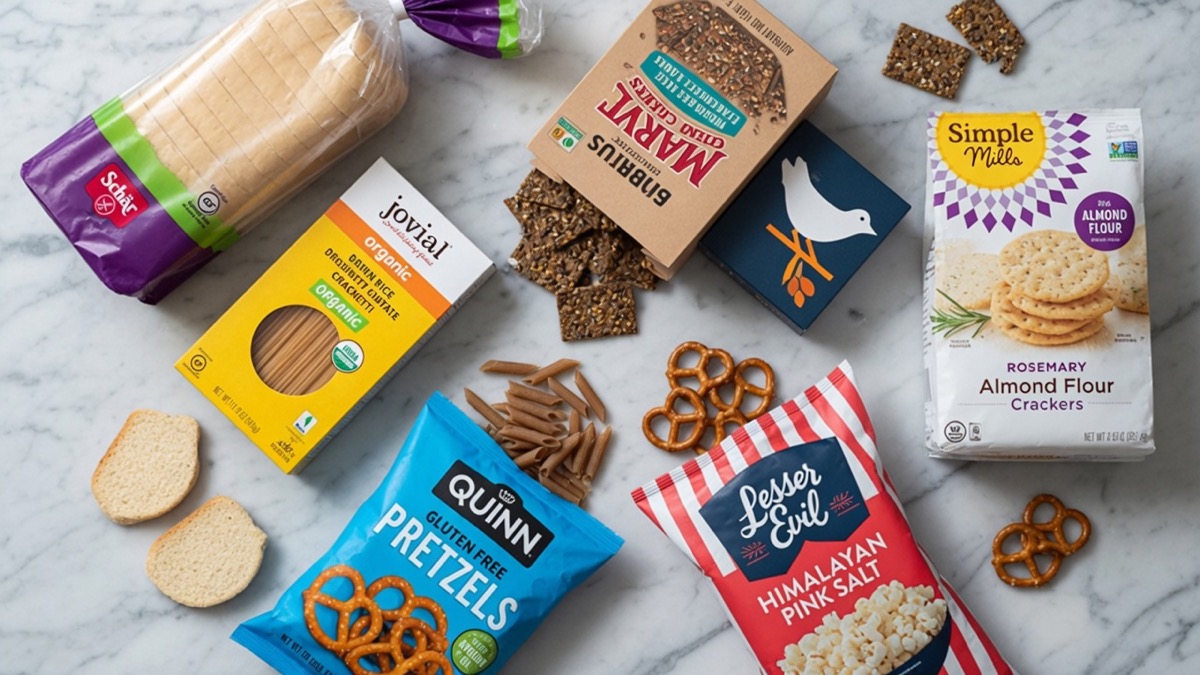
Ever found yourself staring down the gluten-free aisle, feeling a bit like you’re on a culinary scavenger hunt? Breads, pastas, cookies, crackers, mixes galore! It’s a fantastic problem to have, really, considering how far we’ve come. But let’s be honest, the sheer volume of choices can feel overwhelming. How do you pick the real gems from the duds? How do you know if you’re getting bang for your buck, or if that brand you love will even be there next week?
Consider me your friendly GF guide, here to help you cut through the noise. We’re going to talk about cracking the code of gluten-free brands, focusing on the three biggies: quality, price, and availability. Think of it as your personal strategy guide for Navigating Gluten-Free Shopping with confidence. No more guessing games, just smart, delicious choices!
What “Quality” Really Means in Gluten-Free Food
When we talk about quality in GF foods, it’s not just about taste. That’s a huge part, for sure, but there’s more to it. We’re looking at the whole package, from the first bite to how it sits in your pantry.
Texture: The Unsung Hero
Texture is everything. Seriously. It can make or break a GF product. We’ve all been there, haven’t we? That bread that crumbles into a pile of sad dust, or pasta that turns into a gummy blob. A good quality GF product, whether it’s a cookie, a piece of bread, or a bowl of spaghetti, should mimic its gluten-containing cousin as closely as possible. It should have integrity. It should hold up. This means a chewy cookie, a sturdy cracker, and pasta that maintains its al dente bite. It takes clever formulation and often, a mix of different GF flours (like rice, tapioca, corn, and potato starches, or more adventurous ones like sorghum and teff) to achieve that perfect mouthfeel. These blends are the magic behind avoiding that dry, crumbly fate.
Ingredients: Simple is Often Better
Take a peek at the ingredient list. Is it a mile long, packed with unpronounceable chemicals? Or is it relatively short, filled with things you recognize? High-quality GF brands often prioritize wholesome, real ingredients. Look for whole grains (brown rice, quinoa, millet, sorghum), natural sweeteners, and healthy fats. Some brands go the extra mile, opting for organic, non-GMO, or even allergen-friendly ingredients beyond just gluten. This attention to detail usually translates to better flavor and better nutrition. You want food that feels good to eat and *is* good for you, right?
Safety First: Cross-Contamination
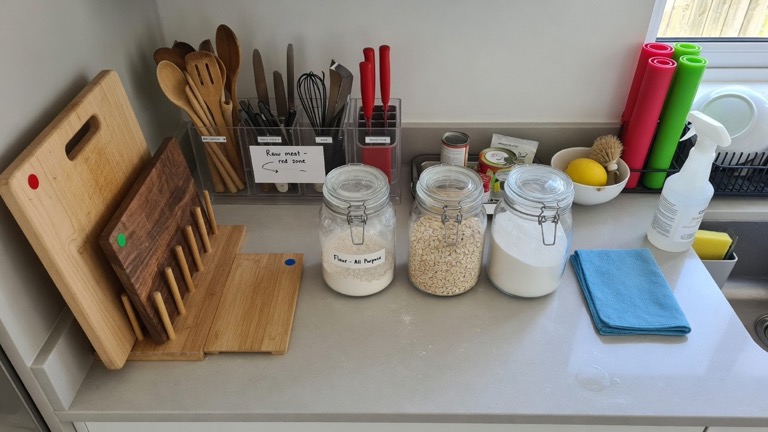
For many of us, gluten-free isn’t a choice; it’s a medical necessity. So, how a brand handles cross-contamination is absolutely critical. Look for certifications from reputable organizations like the GFCO (Gluten-Free Certification Organization) or similar bodies. These certifications mean the product has been rigorously tested and manufactured in dedicated facilities or with strict protocols. It’s peace of mind, basically. We talk a lot about keeping things safe and separate when shopping, and the same goes for what brands you choose. For more on this, check out our guide on Preventing Cross-Contamination When Shopping and Storing GF Food.
The Price Tag: Why GF Costs More and How to Handle It
Let’s address the elephant in the room: gluten-free products can sometimes come with a heftier price tag. It’s true. But there are good reasons for it, and smart ways to manage your budget.
Understanding the “Why”
Why the extra cost? Several factors contribute. Often, gluten-free ingredients themselves (like almond flour or specialist starches) are more expensive than wheat flour. Production facilities might be dedicated gluten-free, requiring specialized equipment and rigorous cleaning protocols. This adds to overhead. Plus, GF brands often operate on smaller scales than massive conventional food companies, meaning less economy of scale. It’s not usually about gouging; it’s about the realities of producing safe, delicious GF food.
Shopping Smart: Your Wallet-Friendly GF Strategy
You don’t have to break the bank to eat well. Seriously.
First, focus on naturally GF foods (fruits, veggies, lean proteins, rice, quinoa). They are often the most budget-friendly and nutritious staples.
Second, when buying processed GF items, compare unit prices, not just sticker prices. A slightly more expensive package might offer more servings or be of better quality, meaning less waste.
Third, keep an eye out for sales. Stock up on your favorites when they’re discounted. Store brands are also getting really good and are often more affordable. For a deeper dive, read our post on Gluten-Free on a Budget: Smart Shopping Strategies. It’s a game-changer for your grocery bill.
Availability: The Great GF Treasure Hunt (That’s Getting Easier!)
Remember the “dark ages” (aka, like 10-15 years ago) when finding anything GF meant a trip to a tiny health food store? Those days are mostly behind us! Availability has exploded, but it still varies.
Where to Look
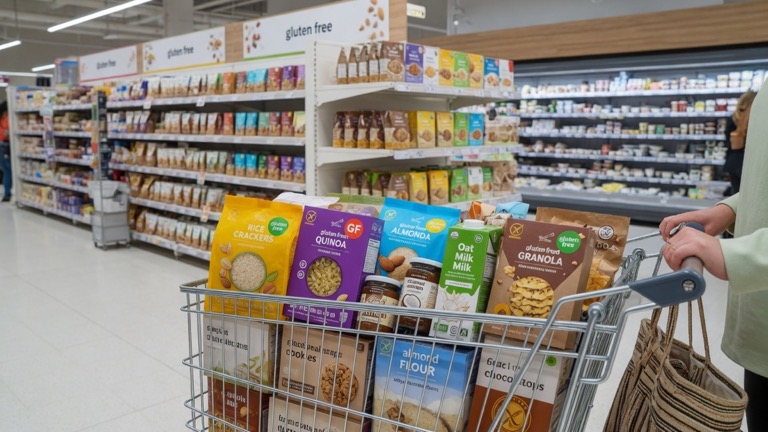
Your local supermarket probably has a dedicated GF aisle now, plus scattered GF products throughout other sections (like pasta, cereal, frozen foods). Big box stores often carry a decent range, too. Health food stores or specialty markets might have unique, smaller brands. And then there’s online shopping! Retailers like Thrive Market, Amazon, or even brand-specific websites can open up a whole world of options, especially if you live in a rural area.
Regional Differences
What’s readily available in a bustling city might be harder to find in a smaller town. This is where a little research comes in handy. Check store apps, call ahead, or browse online before you make a special trip. Don’t be shy about asking store managers to stock specific products! Customer demand genuinely makes a difference. They want to sell what you want to buy, after all.
Brand Spotlights: Finding Your GF Sweet Spot
Instead of naming specific brands (since options vary so much by region and year), let’s talk about categories. This helps you think about what kind of brand fits your needs for different items.
The “Pantry Staples” Powerhouses
These are the brands that excel at the basics: flours, pasta, bread, cereal. They’re often widely available and offer consistent quality. For flours, you might find a brand specializing in a versatile all-purpose blend that works beautifully for baking, or single-grain flours like brown rice or oat flour. For pasta, look for brands that offer good texture and don’t fall apart. These companies usually have larger distribution, making their products easier to find and often, a better value.
The “Indulgence Innovators”
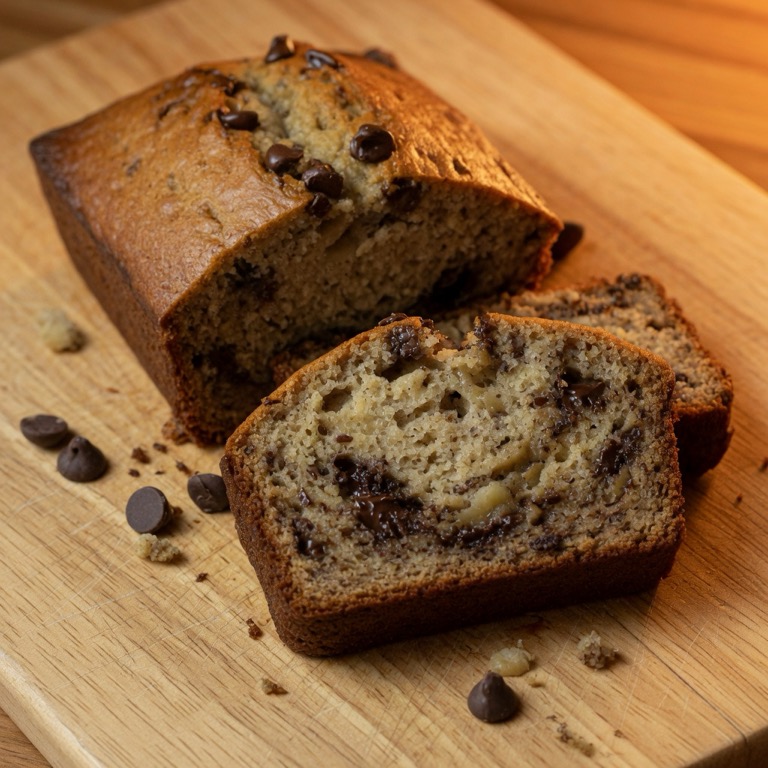
Think cookies, cakes, frozen desserts, and specialty snacks. These brands are often at the forefront of delicious GF treats. They might focus on unique flavor combinations or recreate classic comfort foods. Quality here often means rich flavor and satisfying texture. Price can be higher, but for a truly good brownie or a perfect pie crust, it’s often worth it. You might find these in the specialty sections of larger stores or online.
The “Health-Conscious Gurus”
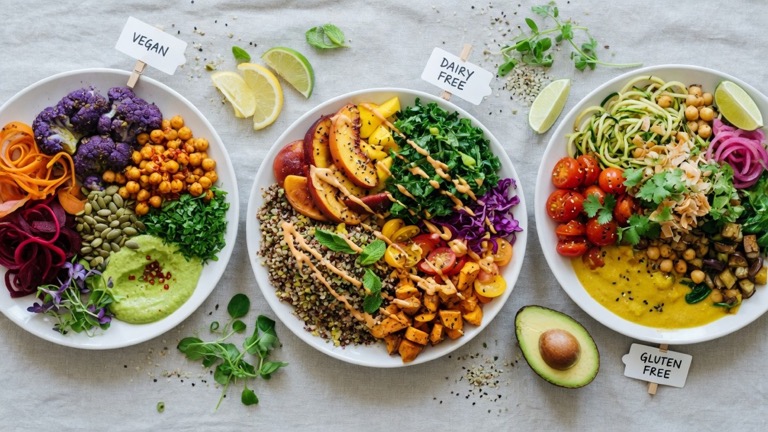
These brands emphasize nutrient density, often incorporating ancient grains, plant-based proteins, and minimal processing. They’re great for those looking for gluten-free options that also align with other dietary preferences, like veganism. In fact, many vegan products are naturally GF, giving you double the options! If you’re exploring plant-based eating, check out our Vegan and Gluten-Free Shopping: Your Ultimate List. Quality with these brands means high-quality ingredients and clear nutritional benefits. They might be a bit pricier, but you’re paying for thoughtfully sourced ingredients. Availability is growing, but sometimes requires a trip to a dedicated health food store.
Your Personal GF Brand Playbook
So, how do you put all this into practice? It’s pretty simple, actually.
- Read those labels, always. Ingredients list, allergen statements, GF certifications. They’re your best friend.
- Experiment. Buy a few different brands of a staple item, like bread or crackers, and do a taste test. Which one hits the spot for you? Your palate is unique!
- Ask around. Join online GF communities, chat with friends, or check out social media. Other GF eaters are a wealth of knowledge and recommendations.
- Keep an open mind. The GF market is always evolving. New brands pop up, and existing ones improve their recipes. What didn’t work for you last year might be fantastic this year.
To give you a snapshot, here’s a quick (and very generalized!) comparison table:
| Category | Quality Focus | Price Point | Availability | Notes |
|---|---|---|---|---|
| GF Bread | Soft texture, good crust, doesn’t crumble easily, good ingredients. | Mid-to-High | Widely available (often in frozen section). | Texture is paramount. Freezing and toasting can improve many brands. Learn more about GF bread ingredients. |
| GF Pasta | Holds shape, not gummy or mushy, good flavor, mimics traditional pasta. | Mid | Supermarkets, online. | Rice/corn blends are common. Explore lentil, chickpea, or quinoa for protein boost. Cooking time can vary wildly by brand! |
| GF Cookies/Treats | Chewy or crisp texture, rich flavor, avoids “cardboard” taste, real ingredients. | High | Specialty stores, health food aisle, online. | Often an indulgence. Check for other allergens if you have multiple sensitivities. |
| GF All-Purpose Flour Blends | Consistent baking results, versatile, good texture in baked goods. | Mid | Widely available, online. | Some blends include xanthan gum, others require you to add it. A good general guide to different GF flours is helpful. |
Embrace the Delicious Adventure!
Navigating the world of gluten-free brands might seem like a lot at first, but it truly is a rewarding journey. Every choice you make helps you discover new favorites, understand what works for your body, and build a pantry full of delicious, safe food. You are empowered. You are informed. And you’re absolutely going to find amazing things to eat.
So, next time you’re in that GF aisle, take a deep breath. You’ve got this. With a little knowledge about quality, an eye on your budget, and a handle on where to find things, you’ll be a savvy GF shopper in no time, building a life full of flavor and freedom.