The Impact of Processing Methods on Gluten-Free Nutritional Value (2026)

Hey there, fellow gluten-free explorer! Pull up a chair, grab your favorite (GF, of course) snack. We need to chat about something important, something that often gets overlooked when we’re just happy to find anything labeled “gluten-free” on the shelf. I’m talking about how our food gets made, and what that means for its nutritional punch.
You see, being GF isn’t just about avoiding gluten. It’s also about feeling fantastic, having energy, and fueling your body with truly good stuff. And that means understanding the journey your GF food takes from farm to fork. It’s a big part of creating a lifestyle that supports your health, an ongoing adventure in Research & Innovations in Gluten-Free. So, let’s peel back the curtain a little, shall we?
Not All GF Is Created Equal: The Processing Story
Think of it like this: You can bake a delicious apple pie from scratch, using fresh apples, a homemade GF crust, and just a touch of natural sweetness. Or, you can grab a pre-packaged apple-flavored pastry from the store. Both are “apple-y,” both might be GF, but their nutritional stories are wildly different, right?
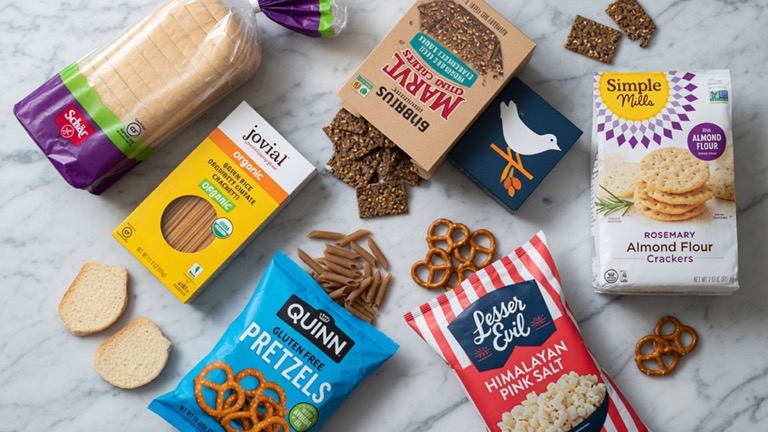
That difference largely comes down to processing. What happens to food after it leaves its natural state? Does it get gently milled, lovingly fermented, or intensely zapped and squeezed? For us GF folks, this matters even more because our staple ingredients (rice, corn, tapioca, potato starch) often start with a lower nutritional baseline compared to their gluten-containing cousins like whole wheat.
The Good Guys: Processing That Boosts Your Bites
Not all processing is bad. In fact, some methods are fantastic at making our GF foods better for us.
- Fermentation: This is a superstar! Think GF sourdough bread or fermented grains. Fermentation breaks down anti-nutrients (compounds that can block nutrient absorption), boosts beneficial bacteria, and can actually increase the availability of vitamins and minerals. Your gut will thank you. Plus, the flavor? Chef’s kiss!
- Sprouting: Ever seen sprouted quinoa or lentils? This simple act of germination (letting seeds begin to grow) dramatically reduces enzyme inhibitors and phytic acid. What does that mean for you? Better digestion and increased nutrient absorption. More of those good vitamins and minerals get to where they need to go.
- Enrichment and Fortification: Sometimes, after processing, certain nutrients (like B vitamins or iron) are added back into GF flours or products. This is enrichment. Fortification means adding nutrients that weren’t originally there (like Vitamin D to milk). Many commercial GF breads and cereals are fortified. This can be a real plus, helping us avoid common nutrient deficiencies.
- Gentle Milling: When whole GF grains (like brown rice, sorghum, millet, or oats) are milled carefully, keeping the bran and germ intact, you retain all that fiber, protein, and those precious micronutrients. It’s the closest to nature you can get in a flour form.
The Not-So-Good: Processing That Strips Away Goodness
Here’s where we need to be a little more mindful. Many common GF ingredients, especially in highly processed snacks and baked goods, have gone through processes that diminish their nutritional value.
- Refining: This is the big one. White rice flour, tapioca starch, potato starch – these are examples of highly refined GF ingredients. The refining process strips away the bran and germ from the grain, which are where the fiber, B vitamins, and most minerals live. What’s left is mostly carbohydrates. It’s like eating the wrapper and throwing away the candy!
- High-Heat Extrusion: Many GF pastas, cereals, and crunchy snacks are made using extrusion. This involves pushing ingredients through a die at high heat and pressure. While it creates fantastic textures, intense heat can degrade delicate vitamins (like some B vitamins and Vitamin C) and alter proteins, sometimes making them harder to digest.
- Excessive Additives: To make up for the lack of gluten (which provides structure and elasticity) and the blandness of refined flours, manufacturers often add extra sugars, unhealthy fats (like hydrogenated oils), gums, and sodium. These additives might improve taste and texture, but they certainly don’t do your nutritional profile any favors. Think about that GF cookie that tastes amazing but leaves you feeling sluggish.
A recent study published in the Journal of Food Science and Technology (2020) highlighted how different processing methods can significantly impact the phenolic content and antioxidant activity in various gluten-free flours, showing that some methods reduce these beneficial compounds.
Decoding the Labels: Your GF Superpower
So, how do you make smart choices? It’s all in the label, my friend. Becoming a label detective is one of the best skills you can develop on your GF journey.
When you pick up a GF product, glance at these:
- Ingredient List First: Look for whole GF grains like brown rice, quinoa, millet, sorghum, amaranth, teff, or buckwheat listed early. A mix of different GF flours is usually better than just one, especially if they’re whole grain. This tells you the product has a diverse nutrient profile.
- Fiber Content: Check the nutrition facts for fiber. More fiber means less refining and better digestive health. Aim for at least 3-5 grams per serving in breads or cereals.
- Sugar and Fat: Be wary of high amounts of added sugars and unhealthy fats. Ingredients like “cane sugar,” “high-fructose corn syrup,” “palm oil,” or “soybean oil” should be further down the list, or ideally, not there at all.
- Enrichment/Fortification: See “enriched with” or “fortified with” vitamins and minerals? That’s a good sign they’re trying to restore some nutritional value.
And speaking of diverse ingredients, have you checked out Beyond Rice and Corn: Novel Starches in Gluten-Free Food Production? Exploring new starches and flours, like those from legumes or ancient grains, is a fantastic way to boost your nutritional intake and add exciting flavors to your plate!
Building a GF Plate for a Happy Gut and Body
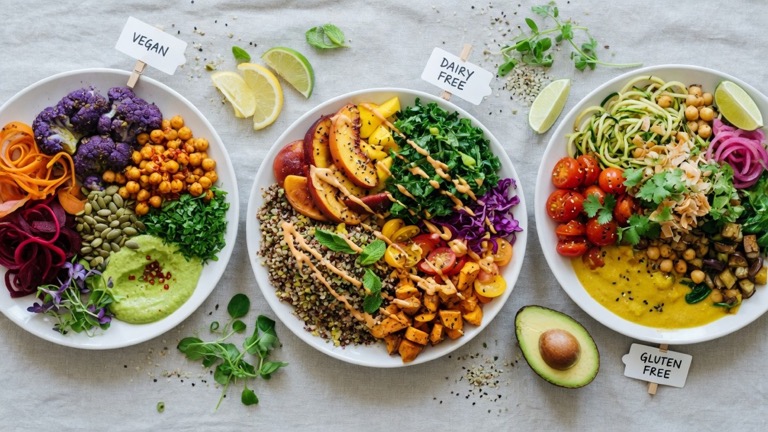
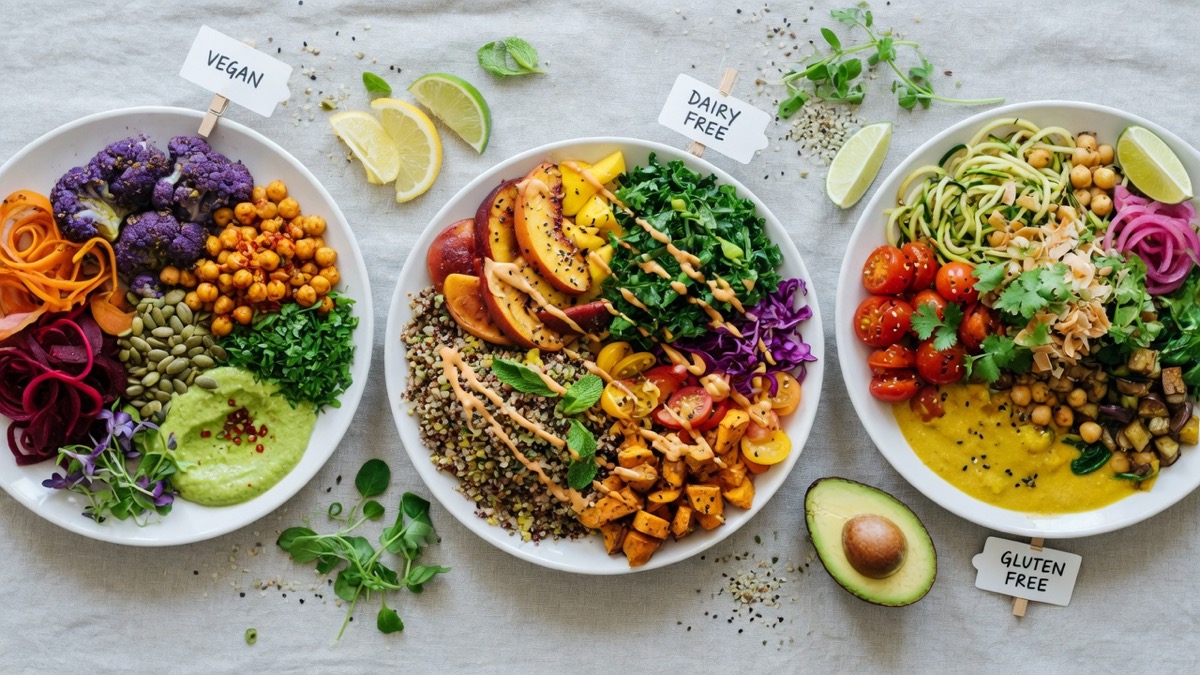
The best way to sidestep the pitfalls of over-processed GF foods? Focus on naturally gluten-free whole foods. This is where the abundance of a GF lifestyle truly shines!
* Fruits and Vegetables: Load up! They are naturally GF, packed with fiber, vitamins, and antioxidants. And there are so many colors and flavors to explore.
* Lean Proteins: Chicken, fish, eggs, beans, lentils, tofu – essential for building and repairing your body.
* Healthy Fats: Avocados, nuts, seeds, olive oil – crucial for brain health and nutrient absorption.
* Whole GF Grains: Quinoa, brown rice, wild rice, millet, buckwheat. These are your friends. They are powerhouses of fiber and nutrients.
* Legumes: Beans, lentils, chickpeas. Versatile, affordable, and full of plant-based protein and fiber.
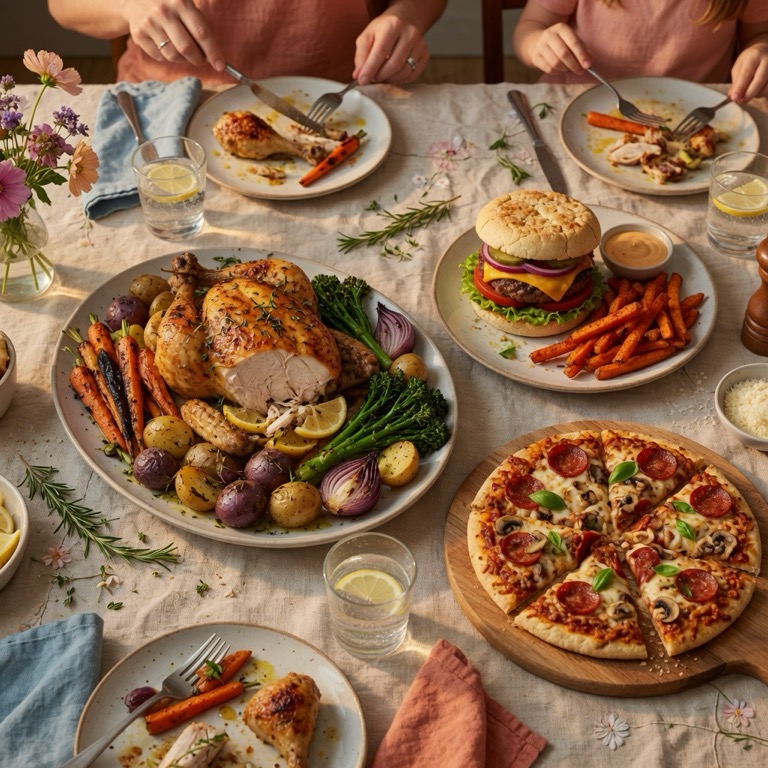
Cooking at home gives you complete control over ingredients and processing methods. You choose the whole grains. You choose the healthy fats. You choose the real, unprocessed goodness.
The Future is Bright and Flavorful!
The world of gluten-free food is constantly evolving. As consumers become savvier, and as researchers uncover more about optimal nutrition, we’re seeing better and better options emerge. Understanding the impact of processing isn’t about fear; it’s about empowerment. It’s about making informed choices that support your well-being.
So, go ahead and enjoy that GF cookie sometimes! But remember, the bulk of your diet should come from foods that have been minimally processed, or processed in ways that enhance their natural goodness. Your body will thank you, and you’ll continue to discover just how delicious and vibrant a truly healthy gluten-free life can be. We’re all in this joyful journey together, learning and growing with every delicious bite! For more on what’s ahead in our GF world, check out the latest on New Diagnostic Tools for Celiac Disease and Gluten Sensitivity, because science keeps making our lives better.
For further reading on the challenges and solutions in gluten-free product development, you might find this article from Food Manufacture insightful.