Preventing Cross-Contamination When Shopping and Storing GF Food (2026)

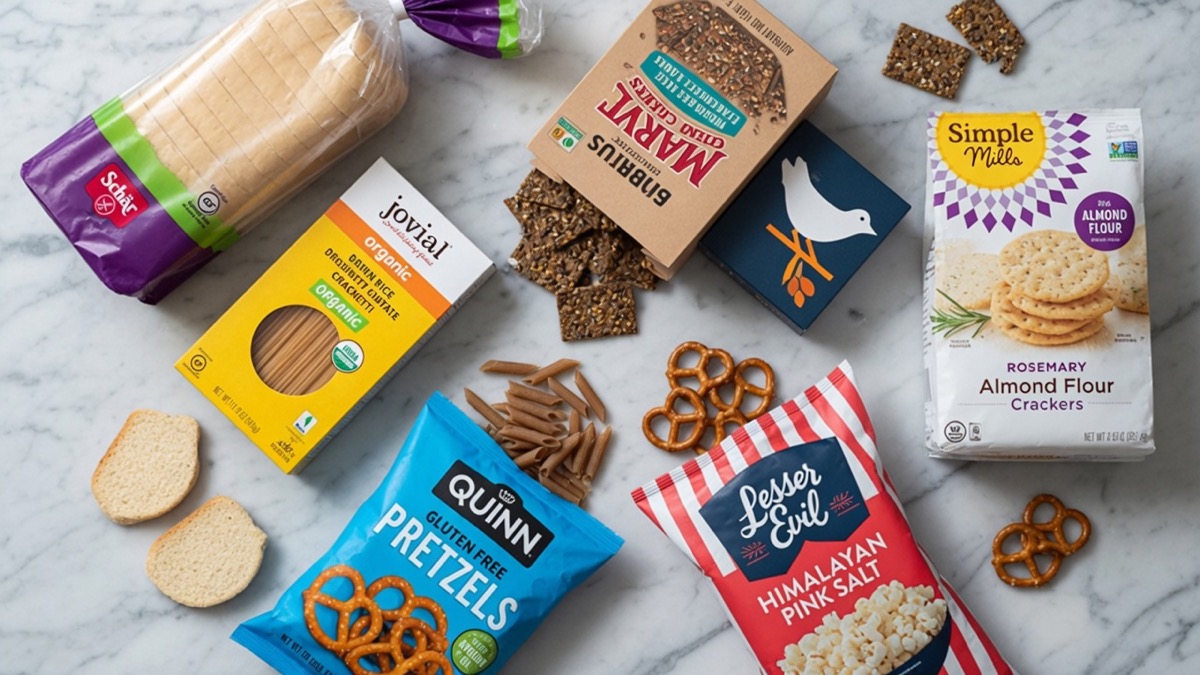
It’s a beautiful, sun-drenched Saturday, and you’re dreaming of a fully stocked kitchen. Maybe you’re planning a GF pancake breakfast. Or perhaps a delicious pasta night, complete with crusty bread for dipping. What a joy to choose from so many incredible gluten-free options these days! But hold up, friend. Before you even get to the cooking, there’s a quiet hero in the kitchen you need to know: smart cross-contamination prevention.
This isn’t about fear. It’s about confidence, peace of mind, and making sure every single bite of your gluten-free food stays truly safe and delicious. We’ve come a long way from the days of sad, crumbly GF bread. Now, we just need to protect that goodness. Think of this as your friendly guide to becoming a cross-contamination ninja, ensuring your GF journey is smooth sailing from grocery cart to dinner plate. Understanding how to keep gluten away from your certified gluten-free goodies is a game-changer. It means less stress and more enjoyment. You deserve that. This really builds on everything we discuss in Navigating Gluten-Free Shopping, giving you the practical steps you need.
Why a Tiny Crumb is a Big Deal
You’re probably wondering, “How much gluten are we really talking about here?” The truth is, for many, even a minuscule amount of gluten can cause serious issues. We’re talking about trace amounts, invisible to the naked eye. Imagine a speck of dust on your clean kitchen counter. That’s how small a problem can be.
Here’s the science bit, kept super simple: Gluten is a protein found in wheat, barley, and rye. When someone with celiac disease or severe gluten sensitivity ingests it, even tiny particles can trigger an immune response. This response damages the small intestine, leading to all sorts of unpleasant symptoms and long-term health problems. For those folks, we’re aiming for 20 parts per million (ppm) or less. That’s like finding 20 grains of sand in a million grains of sand. It’s incredibly small! So, those rogue crumbs aren’t just annoying. They can actually derail your health. It’s why we take this seriously, but always with a positive, proactive mindset. We’re building a fortress, not just a fence.
Shopping Smart: Your Gluten-Free Supermarket Safari
Okay, gear up! We’re heading to the grocery store. This is where your first line of defense comes into play. A little planning goes a long way here.
Deciphering Labels and Aisles
First, always remember to read those labels. Even products that *seem* naturally GF can sometimes have hidden gluten due to shared equipment or ingredients. Look for “Certified Gluten-Free” stamps or clear “gluten-free” declarations. These are your gold standard. It really helps to know what you’re looking for. If you ever feel lost, our guide on Decoding Gluten-Free Labels: A Beginner’s Guide is an excellent resource.
When you hit the store, think about your route. Try to tackle the dedicated gluten-free aisle first. This helps ensure your items are clean and distinct.
The Shopping Cart Strategy: A Clean Path
Your shopping cart itself can be a gluten trap. Those tiny crumbs from conventional bread or flour bags can lurk in the cart’s nooks and crannies.
* Wipe it Down: Grab a sanitizing wipe (most stores have them) and give your cart a quick scrub. Focus on the handle and the basket area.
* Bag It Up: Place your dedicated GF items in a separate shopping bag *before* you even hit the checkout. You can use a reusable bag you bring from home, or even a small plastic one from the produce section. This acts as a protective shield. Put it at the top of your cart, or in its own section.
Produce and Bulk Bins: Proceed with Care
Most fresh fruits and vegetables are naturally gluten-free. That’s fantastic! Still, a little caution is smart.
* Rinse Everything: Always rinse your produce thoroughly when you get home. It washes off dirt, pesticides, and any potential gluten dust from shared shopping carts or bins.
* Bulk Bins: This is where things get tricky. While nuts, seeds, and grains in bulk bins seem like a great idea, they are often heavily cross-contaminated. Shared scoops, customers reaching in, and general airborne flour dust make them risky. Unless a store has *dedicated* GF bulk bins with separate scoops and strict protocols, it’s best to avoid them for truly GF ingredients. Pre-packaged items are a safer bet.
Deli and Bakery Sections: Hotspots to Navigate
These areas are major gluten zones. Think of flour clouds and shared slicers.
* Deli Meats and Cheeses: Many deli counters slice both conventional and GF products on the same equipment. This is a huge risk. Ask if they have a dedicated, cleaned slicer for GF items or if they can clean it thoroughly before slicing yours. If not, opt for pre-packaged deli meats and cheeses. These often come from facilities with stricter allergen control.
* Bakery Sections: Even if a bakery offers GF items, unless they are made in a completely separate facility with separate equipment, flour dust is a massive concern. The air alone can carry enough gluten to cause issues. It’s usually best to skip these for truly GF needs and stick to certified GF bakeries or your own home baking.
Check-out and Bagging: The Finish Line
You’re almost there! This last step at the store is crucial.
* Speak Up: Politely inform the cashier you have gluten-free items. Ask them to change gloves or wipe down the conveyor belt if it looks particularly crumb-laden. Some stores are amazing about this.
* Separate Bags, Again: Make sure your GF items are bagged separately from any conventional, gluten-containing foods. If you used your own bag in the cart, transfer it directly. This prevents your GF bread from snuggling up to a regular flour bag. Simple, but so effective.
Bringing It Home: Unpacking Your GF Haul
You’ve conquered the grocery store! Now, let’s get those delicious goods safely into your kitchen.
* Designated Zone: Set up a “clean zone” on your counter. Wipe it down before you start unpacking your GF groceries.
* Unpack GF First: Always unpack your GF groceries first. Get them stored away safely before you even touch any conventional items. This minimizes the chance of gluten transferring from your hands or packaging.
* Wipe Down Packaging: Sometimes, gluten dust can settle on the *outside* of packaging. Give your GF items a quick wipe if you suspect they might have picked up something in the cart or during transport. It’s a tiny step with big benefits.
Storing Smart: Keeping Your GF Sanctuary Safe
Your kitchen is your GF kingdom. Let’s build an impenetrable fortress!
Pantry Organization: Walls and Shelves
This is where organization truly shines. Think of your pantry as a multi-level city.
* High Ground for GF: Always store your gluten-free items on higher shelves. Gravity is a thing. If a bag of conventional flour or crackers spills (and they always seem to!), the crumbs fall down, not up. Your GF treasures stay safe above the fray.
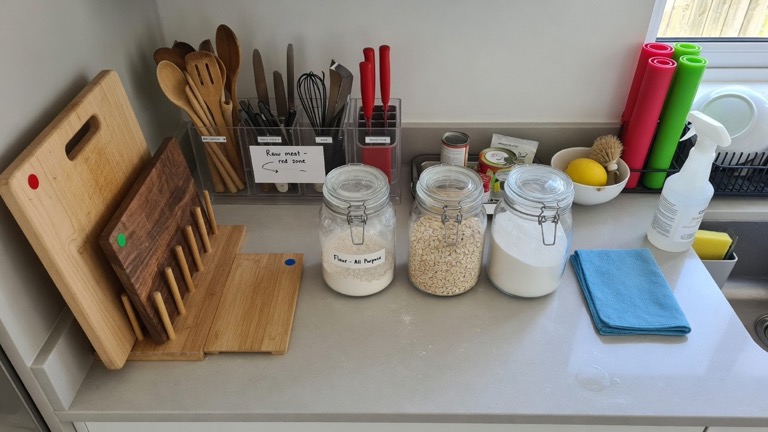
* Dedicated Shelf: Designate at least one shelf, or even a section of shelves, solely for GF products. Label it! This makes it clear for everyone in the household.
* Airtight Containers: Transfer GF flours, grains, and baking mixes into airtight, labeled containers immediately. This prevents airborne gluten from settling on them and keeps them fresh. For ideas on what to stock, check out Stocking Your Gluten-Free Pantry: Staples You Can’t Live Without.
Fridge and Freezer Tactics: Cold Storage, Clear Boundaries
The fridge and freezer need love, too.
* Top Shelf for GF: Just like the pantry, the top shelf of your fridge is prime real estate for GF items. Think GF cheese, butter, spreads, and leftovers.
* Separate Spreads: If you live in a mixed household (where some family members eat gluten and some don’t), *always* have separate butter, cream cheese, jam, and condiment jars. A knife that scooped regular peanut butter will contaminate your GF jar in an instant. Label them clearly, maybe with a fun colored sticker.
* Freezer Bags and Labels: Freeze GF bread, baked goods, and meals in clearly labeled, airtight bags or containers. This prevents freezer burn and cross-contamination from other items.
Dedicated Tools and Equipment: Your GF Arsenal
Some kitchen tools just can’t share. Think of them as your personal, GF bodyguards.
* Toaster: This is probably the number one cross-contamination culprit in many homes. Invest in a dedicated GF toaster. Or, use toaster bags for your GF bread (though a dedicated toaster is best). You simply can’t get all the crumbs out of a conventional toaster.
* Cutting Boards: Have a distinct GF cutting board, perhaps a different color or material. Wood boards are notoriously hard to truly clean of gluten particles once they’ve absorbed them from conventional bread.
* Utensils: Spoons, spatulas, colanders, and mixing bowls need to be thoroughly washed. Better yet, if you have a mixed household, keep a few dedicated items just for GF cooking. A pasta colander, for instance, can harbor gluten particles in its tiny holes. A new one is a good idea.
* Dish Sponges/Cloths: If you’re handwashing, make sure your sponge or dishcloth hasn’t just cleaned a gluten-filled pan. Use fresh, clean ones for GF items.
Serving and Sharing: Communal Meals
Family dinners are wonderful. Just ensure everyone understands the rules.
* Separate Dishes: When serving, use separate serving spoons for GF dishes. Never let a utensil that has touched a gluten-containing dish dip into your GF food.
* Platter Placement: If you’re serving both GF and non-GF items on a table, place the GF dishes at the start of the line or in a clearly separate area. This avoids crumbs from regular bread or rolls falling into your GF options.
* Communicate: Gently remind family and friends about safe serving practices. Most people are happy to help once they understand the importance.
A Final Encouraging Word
It might sound like a lot, but these practices quickly become second nature. Really. Soon, you’ll be zipping through the grocery store and organizing your pantry with confidence and ease. These simple steps aren’t about restricting your life. Instead, they are about opening it up. They let you enjoy an incredible array of delicious gluten-free foods without worry. You’re building a foundation of safety that truly lets your joy for food shine.
Remember, every step you take to prevent cross-contamination is an act of self-care. You’re safeguarding your health and happiness. And that, my friends, is something worth celebrating. So go forth, shop smart, store wisely, and eat wonderfully!
For more details on avoiding cross-contamination risks and understanding the science behind gluten, you can explore resources from the Celiac Disease Foundation. And for general food safety practices that complement these tips, the U.S. Food & Drug Administration (FDA) offers excellent guidelines.