Budgeting for a Gluten-Free Lifestyle: Smart Saving Tips (2026)


Alright, my delicious gluten-free friends, let’s have a heart-to-heart. The minute you mention “gluten-free,” some folks immediately picture dollar signs doing a little jig. Expensive, right? A luxury lifestyle. But hold on a minute. As your trusted GF guru, I’m here to tell you that enjoying a delicious, abundant gluten-free life doesn’t have to empty your piggy bank. In fact, with a few smart moves, you can feast like royalty without spending a king’s ransom. We’re talking budget brilliance, folks, and it’s totally achievable.
Let’s ditch the notion that GF eating is inherently pricey and instead chat about how to make your wallet just as happy as your happy tummy. Because living gluten-free, including all the adventures of Living Gluten-Free: Lifestyle & Travel, should be a joy, not a financial burden. You deserve to eat well, feel great, and still have enough for that cute new pair of shoes (or, let’s be real, more delicious GF ingredients!).
The Gluten-Free Price Tag: Reality vs. Perception
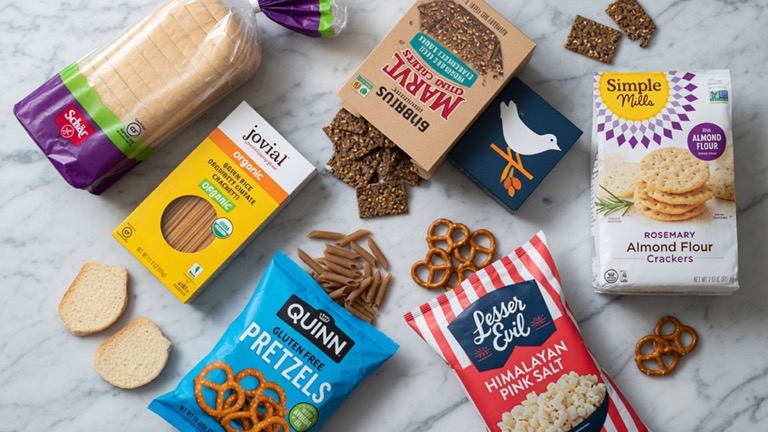
Here’s the scoop: yes, some specialty GF products, like that artisan sourdough or those fancy cookies, can carry a premium. That’s often due to smaller production runs, specialized ingredients, and the rigorous testing required to ensure they are truly gluten-free. It’s the “convenience tax,” if you will. But here’s the secret sauce: you don’t need a pantry full of expensive GF substitutes to thrive.
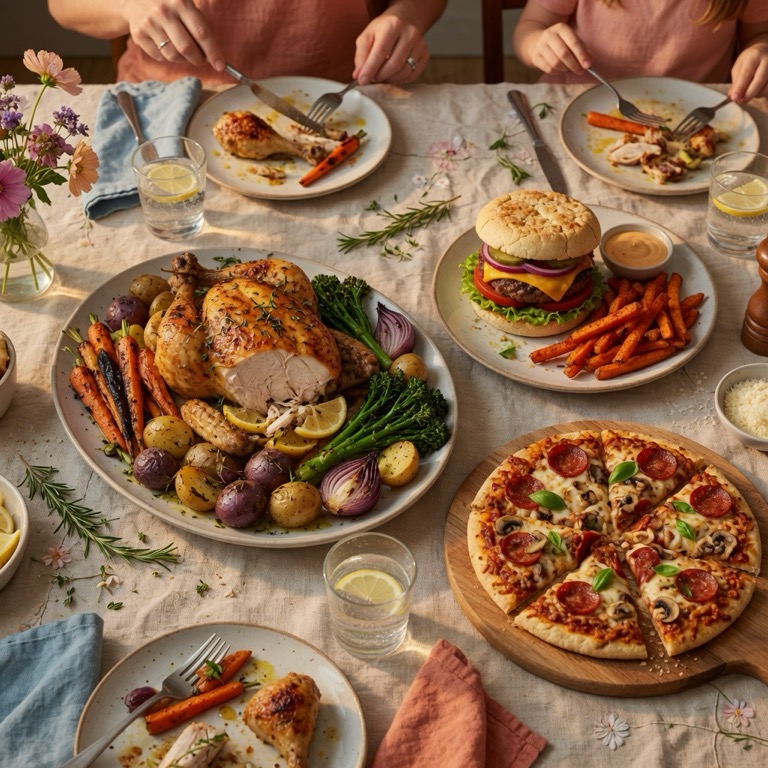
The vast majority of naturally gluten-free foods are incredibly affordable. Think fruits, vegetables, lean proteins, rice, potatoes, beans. These are the unsung heroes of budget-friendly GF living. We’re going back to basics, my dears, and it’s going to be wonderfully delicious and surprisingly affordable.
Your Guide to Gluten-Free Gold: Smart Saving Tips
Ready to become a financial wizard in your GF kitchen? Let’s dive into some practical, tried-and-true strategies that will keep your taste buds tingling and your bank account smiling.
1. Embrace the Power of Whole Foods (Naturally GF!)
This is your number one superpower. Whole, unprocessed foods are inherently gluten-free and usually cheaper than their processed counterparts. Fill your cart with:
- Fruits and Vegetables: Nature’s candy and nutrient powerhouses. Buy seasonal produce; it’s always more affordable and tastes better. Hit up your local farmer’s market for incredible deals.
- Unprocessed Meats & Fish: Chicken, turkey, beef, pork, and fresh fish are all GF. Look for sales, buy in bulk, and freeze portions.
- Legumes: Beans, lentils, and chickpeas are incredibly versatile, packed with protein and fiber, and super cheap. Dry beans are even cheaper than canned, requiring a bit more prep but saving serious dough.
- Gluten-Free Grains: Rice (brown, white, wild), quinoa, millet, buckwheat, corn, and oats (certified GF, of course) are excellent staples. Buy them in bulk from specialty stores or the bulk bins at your local grocery store for significant savings.
- Potatoes and Sweet Potatoes: Affordable, filling, and endlessly adaptable. Mash ’em, roast ’em, bake ’em.
Think of it this way: your plate should look like a rainbow, not a beige wonderland of GF crackers. A colorful plate is usually a happy wallet plate.
2. Become a Savvy Shopper (Your Inner Detective)
Time to sharpen your detective skills, because shopping smart is half the battle!
- Scan Sale Flyers: Before you even step foot in the store, check those weekly ads. Plan your meals around what’s on sale.
- Coupons & Apps: Yes, they still exist! And many GF brands offer digital coupons or have loyalty programs. Download store apps for extra savings.
- Store Brands & Generic Options: Don’t be a brand snob. Many store brands now offer excellent, certified GF products (flour blends, pasta, bread) at a fraction of the cost of big names. Always check those labels carefully!
- Bulk Buying (Smartly): Non-perishables like rice, quinoa, gluten-free oats, and canned goods are fantastic to buy in larger quantities when on sale. Just make sure you have storage space and will actually use it before it expires.
- Membership Clubs: Places like Costco or Sam’s Club often have great deals on larger quantities of naturally GF items and sometimes even specialty GF flours or snacks.
3. Master Your Kitchen (The Ultimate Money-Saver)
This is where the real magic happens. Cooking at home is hands down the best way to save money on a GF diet. Plus, you control every ingredient, ensuring safety and deliciousness!
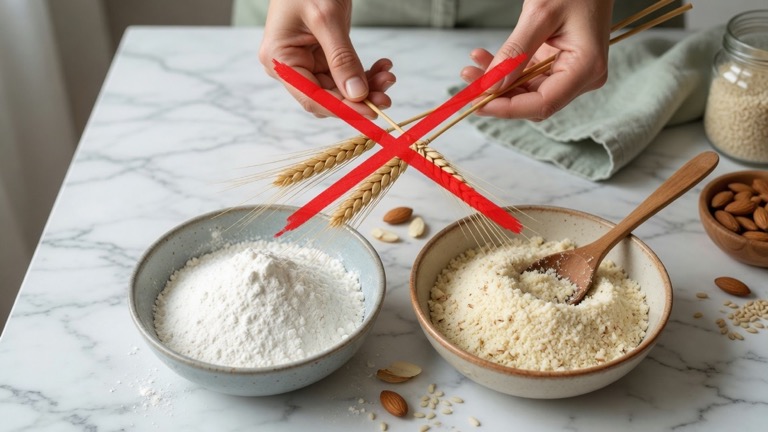
- Bake Your Own: Gluten-free bread, muffins, cookies, and even pizza dough can be surprisingly simple (and incredibly rewarding) to make from scratch. A bag of GF all-purpose flour blend is usually much cheaper than pre-made bread. This is especially true for items like GF desserts, which can be eye-wateringly expensive at bakeries.
- Cook Meals, Not Just Ingredients: Instead of buying pre-seasoned chicken or ready-made salads, buy raw ingredients and create your own culinary masterpieces. It’s often healthier, too.
- Batch Cook Like a Boss: Dedicate a couple of hours on a Sunday to prep meals for the week. Cook a big batch of rice or quinoa, chop veggies, and grill some chicken. This saves time and prevents you from grabbing expensive takeout when you’re tired. It also makes packing DIY Gluten-Free Travel Kits: Snacks, Meals & Comfort so much easier and more affordable for your next adventure!
4. Meal Planning & Prep (Your Organizational BFF)
A little planning goes a long way. This isn’t about being rigid; it’s about being prepared.
- Plan Your Week: Sit down once a week and plan out your breakfasts, lunches, and dinners. Base it around sales and what you already have.
- Create a Shopping List: Stick to it like glue! Impulse buys are budget killers.
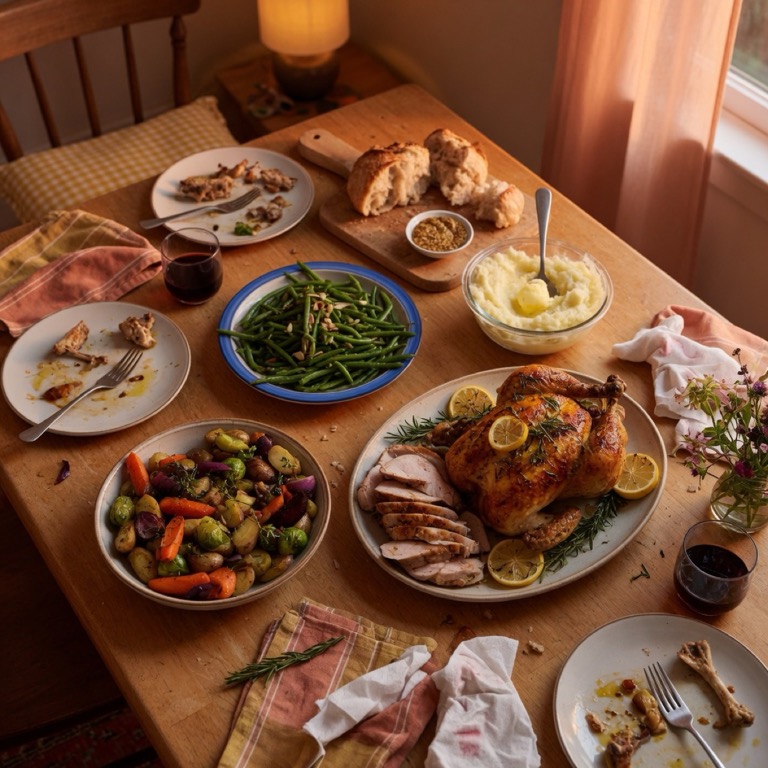
- Repurpose Leftovers: Last night’s roasted chicken can become today’s chicken salad. Extra rice? Hello, fried rice! This prevents food waste, which is essentially throwing money away. Did you know the average American household wastes about a third of the food they buy? That’s a lot of potential savings!
5. Smart Snacking (DIY is Key)
Pre-packaged GF snacks are notoriously pricey. Make your own!
- Fruits and Veggies: Apple slices with peanut butter, carrot sticks with hummus, berries. Simple, nutritious, cheap.
- Nuts and Seeds: Buy in bulk. Portion them out for grab-and-go snacks.
- Homemade Energy Bites: Oats (certified GF), nut butter, honey, and some chocolate chips. Easy, delicious, and way cheaper than store-bought bars.
- Hard-Boiled Eggs: Protein-packed and super easy to make ahead.
6. Read Labels Like a Pro (Knowledge is Power, and Savings!)
Always, always read ingredient labels. Not just for gluten, but for unnecessary additives, sugars, and fillers that often drive up the cost and offer little nutritional value. Focus on products with short, recognizable ingredient lists. You’ll find that many “health foods” can be made at home for less and with better ingredients.
Becoming a label detective also means you’ll spot genuinely good deals on basic ingredients instead of falling for flashy packaging on overpriced convenience foods.
7. Explore International Markets and Online Retailers
Sometimes, ethnic grocery stores (Asian markets, Latin American markets) are a goldmine for naturally GF staples like rice, corn flour (masa harina), lentils, and exotic fruits and vegetables, often at better prices than conventional supermarkets.
For specific GF flour blends or specialty ingredients you use frequently, consider online retailers. Buying in larger quantities can sometimes offer a better per-pound price, especially with subscription services or sales. Just compare shipping costs!
8. Be Mindful When Dining Out (Especially on Dates!)
Eating out is a treat, but it can quickly derail your budget. When you do go out, choose restaurants known for their GF options. Split an appetizer or choose an entree that naturally avoids gluten. And if you’re navigating the early stages of Gluten-Free Dating: Tips for Sharing Your Lifestyle, being upfront about your needs can save awkwardness and extra costs later!
Another tip: always check menus online beforehand. Many restaurants post their allergen information, which helps you plan your order and budget. Some sources suggest restaurant meals can be up to three times more expensive than cooking at home, so consider that when planning your meals. This Forbes article on food spending highlights the financial impact of eating out.
Your GF Wallet: Happy and Full!
See? Living a glorious, delicious, and truly gluten-free life doesn’t mean sacrificing your financial peace. It’s about being smart, being prepared, and embracing the incredible abundance of naturally gluten-free foods around us. You’re not limited; you’re simply choosing a healthier, more intentional, and frankly, more delicious path.
So go forth, confident and joyful GF eaters! Fill your baskets with fresh produce, your pantries with affordable grains, and your hearts with the knowledge that you’re nourishing yourself beautifully, without breaking the bank. Your tummy (and your wallet) will thank you!